e-mail
 English
 français
 Deutsch
 русский
 italiano
 español
 português
 العربية
 日本語
 한국의
 中文


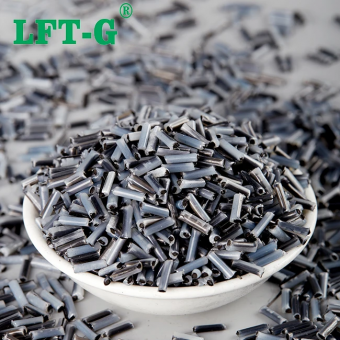
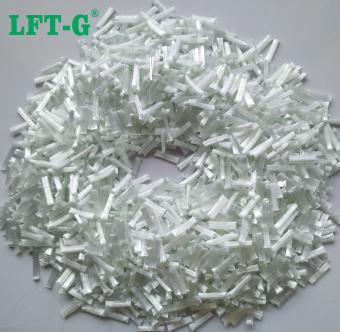
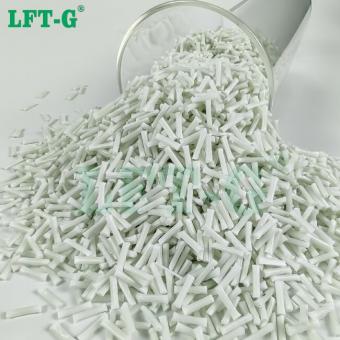
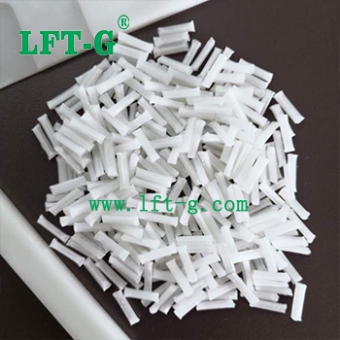
-
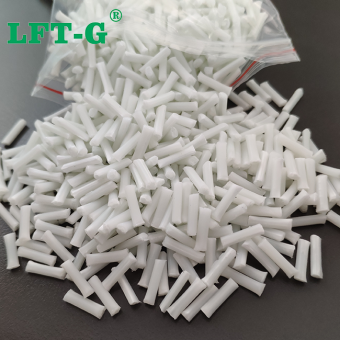
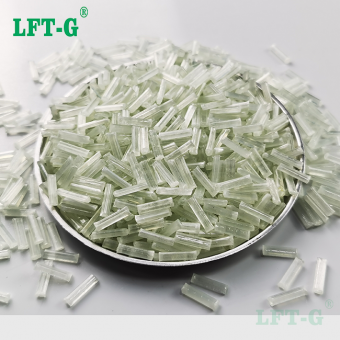
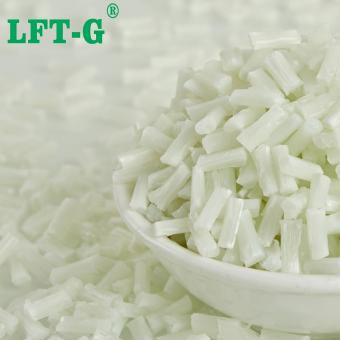
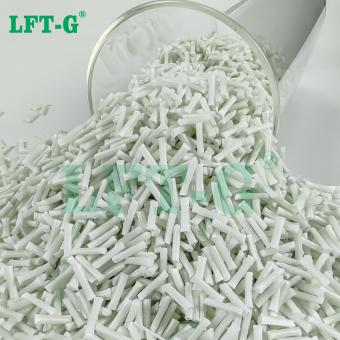
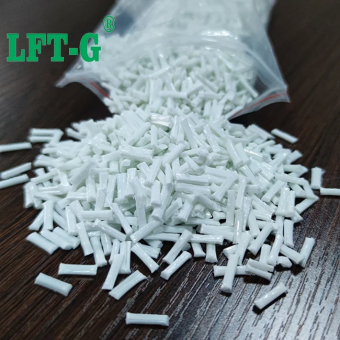
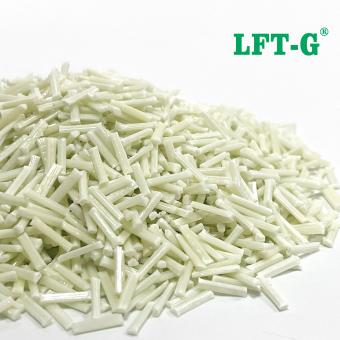
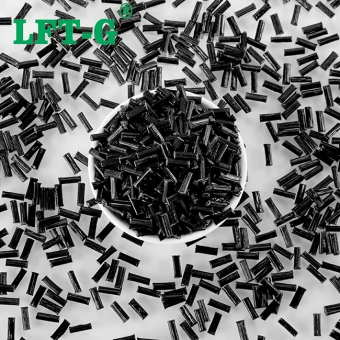
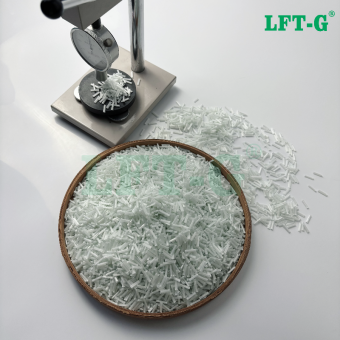
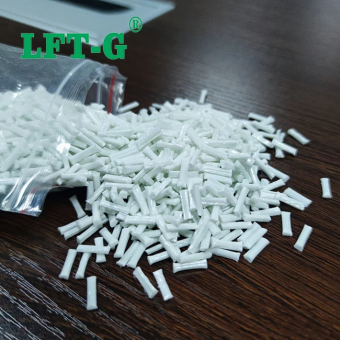
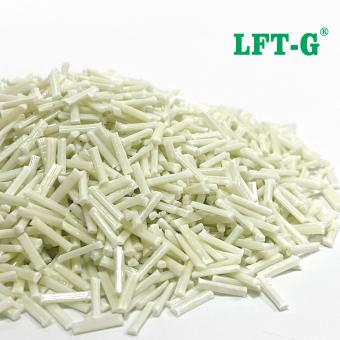
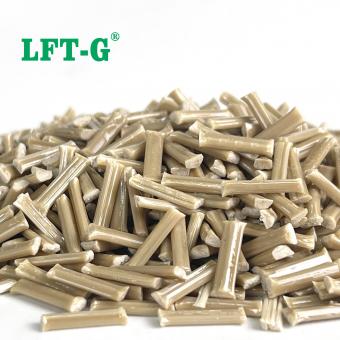
LFT-G ABS long glass fiber reinforced for industrial useWhat Is ABS? ABS (Acrylonitrile Butadiene Styrene) is a widely used thermoplastic polymer known for its excellent balance of toughness, impact resistance, dimensional stability, and processability. It is produced from three monomers: acrylonitrile, butadiene, and styrene. ABS offers good mechanical strength, scratch resistance, chemical resistance, and moisture resistance. These properties make it suitable for a wide range of consumer, automotive, electrical, industrial, and 3D-printing applications. ABS can also provide an attractive surface finish and can be easily painted or post-processed. Compared with some transparent plastics such as acrylic, ABS generally offers better toughness, although it has lower transparency. ABS has relatively low thermal and electrical conductivity, making it useful for electrical housings and other insulating components. However, its heat resistance is still limited compared with high-performance engineering plastics. Because ABS is recyclable as a thermoplastic, it can be reprocessed and reused under appropriate conditions. However, its environmental performance depends on the specific formulation, additives, processing conditions, and recycling system. What Are the Advantages of ABS Plastics? ABS is a versatile and cost-effective engineering thermoplastic. Its main advantages include: Excellent Impact Resistance ABS is tough and ductile, allowing it to withstand impact and mechanical stress better than many standard plastics. Easy Processing ABS is easy to injection mold, machine, extrude, and process, making it suitable for high-volume manufacturing. Good Surface Finish ABS can achieve a smooth and attractive surface and can be painted, machined, or post-processed when required. Dimensional Stability ABS provides good dimensional stability for many general-purpose applications and maintains its shape under normal service conditions. Cost Effective ABS is widely available and generally offers a good balance between material cost, mechanical performance, and processing efficiency. Wide Application Range ABS is used in automotive parts, electrical housings, consumer products, appliances, industrial components, and 3D printing. ABS vs. PLA ABS and PLA are two of the most commonly used materials in 3D printing, but they have different performance characteristics. ABS is generally tougher and more impact-resistant, while PLA is easier to print and offers better dimensional stability during printing. ABS is better suited to applications requiring higher toughness, impact resistance, and heat resistance, while PLA is often preferred for prototypes, models, and applications where ease of printing is more important. ABS vs. PLA: Key Differences Property ABS PLA Toughness Higher Lower Impact Resistance Good Moderate Heat Resistance Higher Lower Ease of 3D Printing More challenging Very easy Warping Higher tendency Lower tendency Surface Treatment Can be vapor smoothed Usually requires sanding or other finishing Typical Applications Engineering parts, housings, functional prototypes Prototypes, models, hobbyist printing ABS vs. PLA: Applications Comparison PLA is widely used for 3D printing, prototyping, models, and hobbyist applications because it is easy to print and provides good dimensional accuracy. ABS is more commonly selected when the finished part needs better toughness, impact resistance, and heat resistance. It is used across automotive, electrical, consumer electronics, appliances, industrial equipment, and functional 3D-printing applications. PLA vs. ABS: Part Accuracy PLA is generally easier to print and tends to produce dimensionally stable parts with less warping. ABS has a higher tendency to warp because of thermal shrinkage, so a heated bed, controlled printing environment, and appropriate printer settings are often required. PLA vs. ABS: Printing Speed Both PLA and ABS can be printed at similar speeds depending on the printer, nozzle, layer height, temperature, and part geometry. Typical FDM printing speeds may fall within approximately 45–60 mm/s, although optimized systems can operate outside this range. PLA vs. ABS: Surface Finish Both PLA and ABS parts produced by FDM printing typically show visible layer lines. However, ABS has an additional post-processing advantage: it can be vapor smoothed using suitable solvents such as acetone, producing a smoother and more uniform surface. PLA generally requires sanding or other mechanical or chemical finishing methods. PLA vs. ABS: Heat Resistance ABS generally provides better heat resistance than PLA. PLA begins to lose stiffness at relatively low temperatures, while ABS can maintain useful mechanical performance at higher temperatures. The actual temperature limit depends on the specific grade, formulation, part geometry, and loading conditions. PLA vs. ABS: Biodegradability PLA is a bio-based polymer and can biodegrade under suitable industrial composting conditions. However, it does not necessarily biodegrade quick...
- ABS can be recycled plastic made in China
- thermoplastic resin raw materials
- abs for whole sell good price fiberglass
Tags :
-
Xiamen LFT Thermoplastic Polyurethane TPU Long Glass Fiber filling composite industry productProduct number: TPU-NA-LGF Product fiber specificaion: 20%-60% Product features: High toughness, High toughness, Low water absorption, High dimensional stability, chemical resistance, good product appearance.
- Low water absorption price good
- footwear shoes uses
- Columnar particle safty plastic
- Natural color images sa
- Industrial supplies film automotive
- Sample available tpu 3d printing
Tags :
-
Xiamen LFT-G High strength Polyamide 12 composite lgf virgin white color for automotiveProduct number: PA12-NA-LGF Fiber specification: 20%-60% Product feature: High strength, High toughness and durability Product application: Suitable for automotive, sports parts, solar energy, photovoltaic industry and other industries.
- Nylon12 nylon high performance
- Durability pa
- Photovoltaic industry
- Injection grade pa12
- 24h service composite
- Supplier price
Tags :
-
LFT material Polypropylene Copolymer resin with filler Glass Fiber compoundsPolypropylene, also known as PP or polypropene, is a polyolefin or saturated polymer.
- CPP PP filament composites granules
- long glass fiber reinforcement polymer
- High toughness enhanced plastic fiberglass
- engineering use LFT manufacturer producer
- thermoplastic resin customize raw materials
- home appliance parts office chair stroller
Tags :
-
LFT Polyphenylene Sulfide engineering plastic with long glass fiber reinforcementPure PPS is rarely used alone due to its brittle performance. Most of the PPS used is its modified variety. Glass fiber reinforced PPS is one of them.
- Long fiber PPS applications
- PPS mechanical properties
- PPS electrical insulation
- Glass fiber PPS
- Long Fiber Reinforced PPS
- PPS thermal resistance Chemical resistant
Tags :
-
LFT MXD 6 High resistance to creep filled Long Glass Fiber CompoundsLong glass fiber reinforced MXD6 (Poly-m-xylylene adipamide) is a high-performance composite materialview more
-
LFT Polylactic Acid PLA with filler Long Glass Fiber reinforcementPLA is often regarded as being biodegradable.
- Long Glass Fiber Reinforced PLA Properties
- PLA with Long Glass Fiber Strength and Durability
- Long Glass Fiber PLA Composites Applications
- High Performance Long Glass Fiber PLA Materials
- Long Glass Fiber PLA vs. Short Fiber PLA
- Long Glass Fiber PLA Manufacturing Process
Tags :
-
LFT PBT long glass fiber reinforced thermoplastic virginal granulesKnown for its dimensional stability, low moisture absorption, high strength, stiffness, and chemical, UV, and thermal resistance.
- Glass Fiber Reinforced PBT applications
- PBT vs PET
- PBT with glass fiber properties
- PBT molding guidelines
- Reinforced thermoplastics market trends
- injection molding materials LFT-G
Tags :
-
LFT Polyphthalamide PPA Long Glass Fiber reinforced thermoplastic resinMost PPA are filled with glass fiber or carbon fiber to enhance stiffness for high-temperature applications. As a result, PPA is often used in applications in place of metal or higher-priced thermoplastic.
- Glass Fiber Reinforced PPA applications
- PPA long glass fiber mechanical properties
- PPA glass fiber reinforcement benefits
- High-performance PPA materials
- PPA composites for automotive parts
- Durability of long glass fiber reinforced PPA
Tags :
-
LFT Polyphenylene sulfide PPS Long Carbon fiber Reinforced PPS PelletsMost of the PPS used is its modified variety. Glass fiber reinforced PPS is one of them.
- Long Fiber Thermoplastics (LFT) Market Growth
- Polyphenylene Sulfide (PPS) Composites
- Carbon Fiber Reinforced Polymers (CFRP) Innovations
- Lightweighting in Automotive Design
- Thermoplastic Composite Recycling
- Sustainability in Composite Materials
Tags :
-
LFT ABS (Acrylonitrile Butadiene Styrene) Filled Long Glass Fiber CompoundsABS is widely used in injection molding because of its desirable properties.
- Long Glass Fiber Reinforced ABS
- High-Strength ABS Composites
- Glass Fiber Reinforced Plastics (GFRP)
- ABS Composite Material Applications
- Lightweight Composite ABS
- Advanced Thermoplastic Composites
Tags :
-
LFT High Density Polyethylene HDPE high performance Long Glass Fiber reinforcementHDPE has a higher density compared to other polyethylene variants, making it more rigid and stronger.
- Long Glass Fiber Reinforced HDPE
- High-Strength HDPE Composites
- Fiber-Reinforced Plastic (FRP) Materials
- Lightweight Composite Materials
- HDPE Composite Material Applications
- Thermoplastic Composites for Automotive
Tags :