
 e-mail
 English
 français
 Deutsch
 русский
 italiano
 español
 português
 العربية
 日本語
日本語 한국의
한국의 中文
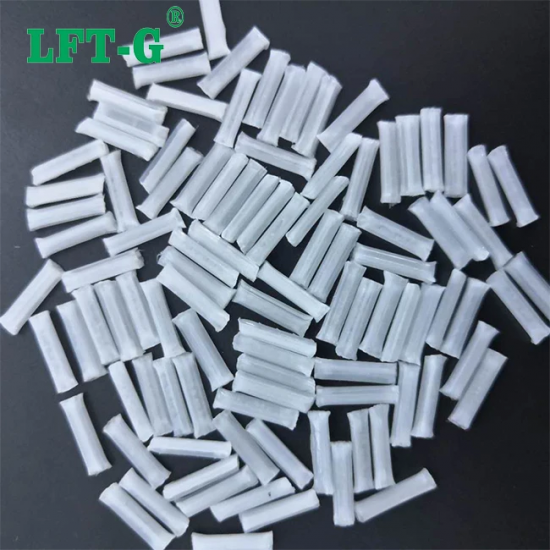
中文Product Name:TPU LGF30;Glass Fiber Fill Thermoplastic Urethane;Polyurethane LGF
Form: Length about 12mm, High strength, High toughness
Advantage: More than 20 years experience product in fiber reinforced plastic .
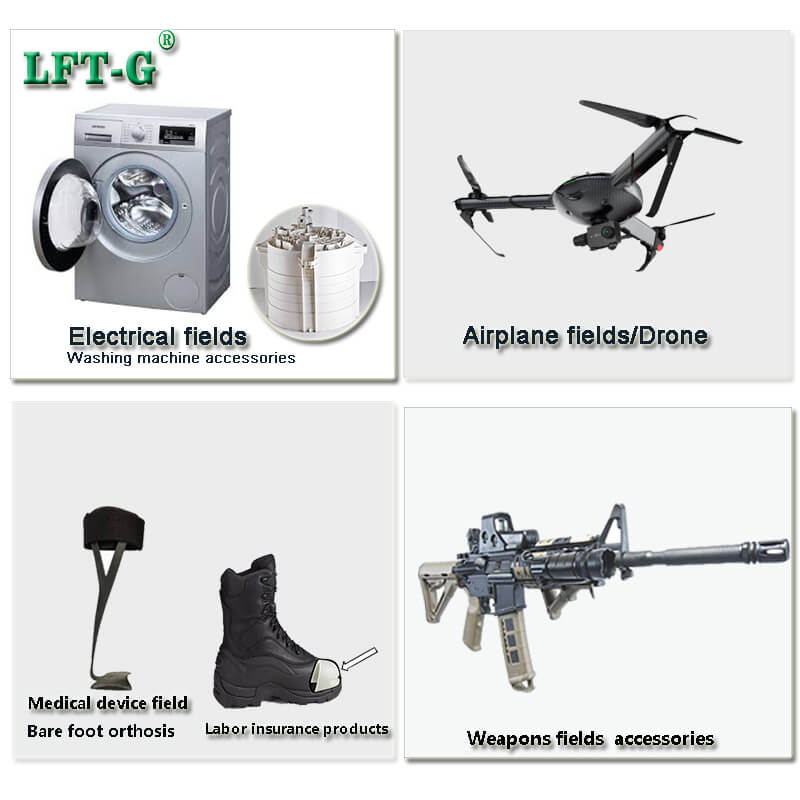
LFT-G is a team led by professionals who have been in the plastics industry for nearly 20 years. We specialize in design, research and development, tailor-made long glass fiber for customers; long carbon fiber; comprehensive long glass fiber & long carbon fiber; special Fiber composite. Materials can be widely used in aerospace, automotive, military; home appliances;
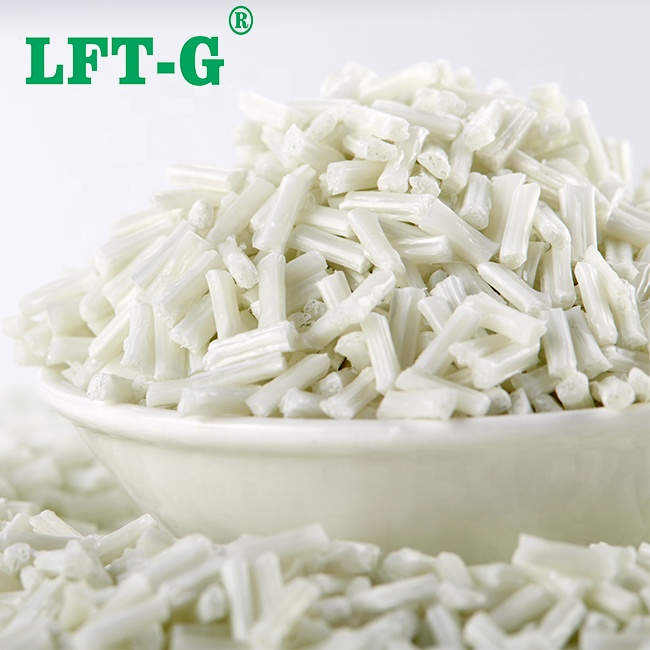
√ The first lightweight third row freestanding seat back √ Solution helps new cars lose 30% weight and save 15% cost over their predecessor Lightweight parts have been successfully applied and applied to the new 2021 cars. The new model, due to go on sale in the second half of this year, has managed to reduce body weight with a lightweight component on the back of the third-row chair. The third-row back of the previous generation of cars was made up of 15 different steel components, and the body was very heavy. So hopefully the 2021 third row seats will meet all performance criteria while being lighter and more cost competitive. "Being lighter does not necessarily mean being more expensive," the researchers said. Compared with the previous generation model, during the research and development of the new model, we not only achieved a 30% reduction in the weight of the third row seat, but also saved 15% of the cost. These goals are achieved because we have many great partners." The resin parts of traditional car seats contain metal reinforcement, which increases the cost of the process. The hope is to obtain a whole injection parts without complex, expensive processing. To meet the requirements, an exclusive 35% fiberglass reinforced, impact-resistant modified polyamide PA6 product was used along with its proprietary computer simulation (CAE) tool that can be used in multiple stages of development. Basf's proprietary computer simulation (CAE) tools "I classify the third row seat design of the 2021 Toyota Senna as an enabling technology," said the developer. It is the first all-injection molded seat back of its kind to be designed without any inserts, and one of the design challenges was to ensure the seat had high elongation and impact resistance to meet crash-avoidance requirements. "At the same time, we focused on the strength and stiffness of the seats, because the third row also supports the floor." Contact us, we will offer you the best materials with the best price.
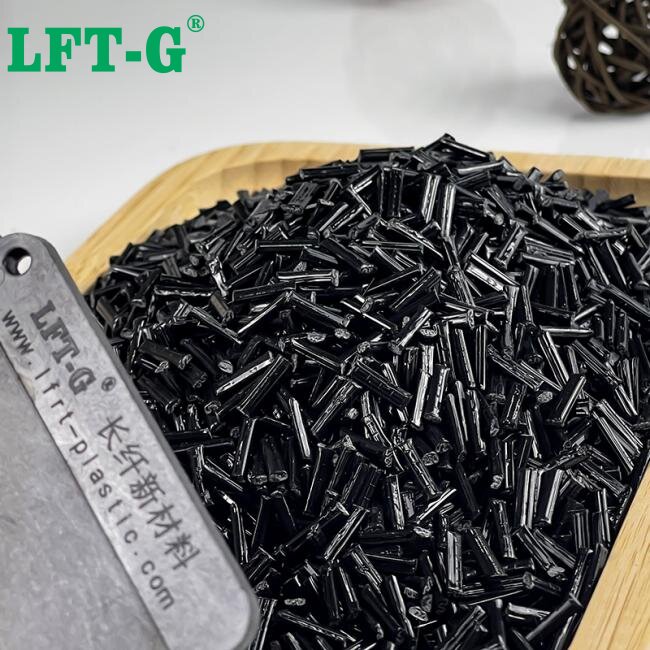
Nylon 12 (PA12) is a kind of polyamide engineering plastics with excellent properties. With rich petroleum by-product butadiene as the main raw material, low production cost, high economic effect, has been widely used in various fields. Modified nylon 12 is made of nylon 12 resin and quantitative filler, color powder, additives and other components blend, after extrusion, granulation and other processes to obtain a thermoplastic with different properties. LFT-G Chemical modified nylon 12 series products are suitable for extrusion, injection molding and other processing technology, can meet the diversified and customized needs of customers, suitable for automobile, electronic appliances, communications, electric power, medical, sports equipment and other fields. Product line includes: Long glass fiber reinforced PA12, Long carbon fiber reinforced PA12 Long glass fiber reinforced PA12 series LFT-G® long glass fiber reinforced PA12 series is divided into LGF20, LGF30, LGF40 and other specifications according to the long glass fiber filling volume, with the long glass fiber content ranging from 20%-60%. Applications: electronic appliances, sports equipment, quick connector, connector, sanitary ware, shell, bracket, etc. Long carbon fiber reinforced PA12 series LFT-G® long carbon Fiber reinforced PA12 series is divided into LCF30, LCF40, LCF50 specifications according to the filling amount of carbon fiber (20%-60%). It has good strength, dimensional stability, conductivity, impact resistance, etc. Applications: electronic appliances, sports equipment, quick connector, connector, sanitary ware, shell, bracket, etc.
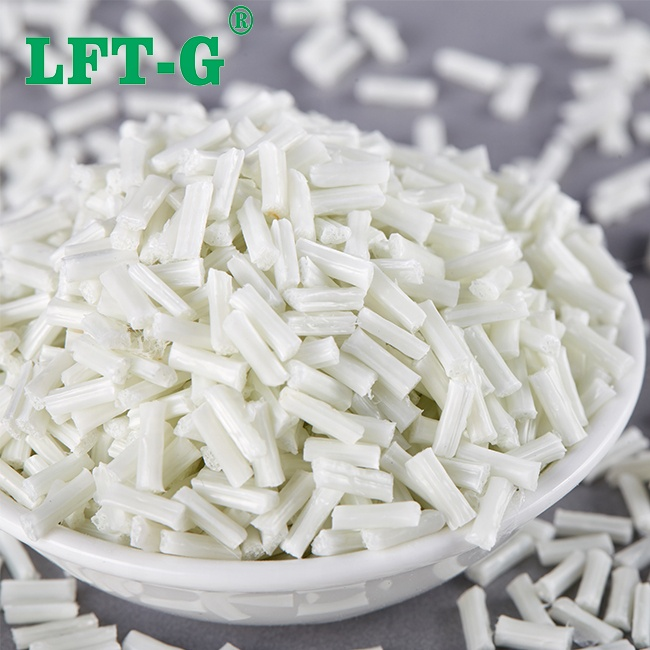
Sales of new energy vehicles increased significantly Make the concept of "car lightweight" It's hot again. A variety of modified plastics, composite materials and light alloy materials are increasingly mature, not only in the traditional automobile engine around, but also in the power battery of new energy vehicles, there are a variety of plastic applications. But these plastics do not perform well on the safety issue of flame retardancy. Flame retardant and its related industries along with "automobile lightweight" become the hot spot of the automobile industry. Development direction of flame retardant plastics for auto parts At present, the common types of flame retardant materials used in automotive parts are PP, PA, PU, PC, ABS materials, as well as a variety of modified materials and composite materials composed of them. Compared with traditional fuel vehicles, new energy vehicles have added battery modules, charging piles and charging guns and other components. ➡️ The amount of engineering plastics used for battery pack module of a single new energy vehicle is about 30kg. The plastic shell of new energy vehicle mainly uses modified PP, modified PPS, PPO and other high temperature resistant plastics. ➡️ Charging piles require engineering plastics due to high usage standards and harsh operating environment. Each charging pile needs about 6kg engineering plastics. At present, PBT, PA and PC are commonly used. When preparing flame retardant plastics, most of them will increase their limiting oxygen index LOI to about 25-35%, so as to effectively improve the overall safety index of vehicles. In addition, with the current combination of electrification and carbon neutrality, plastics and various flame retardants containing halogens will be more restricted. Therefore, the future development direction of flame retardant plastics, in addition to the need for sufficient mechanical properties to meet the lightweight demand, in electric vehicles and other fields will also need materials to pay attention to the electrical, processing, environmental protection requirements Flame retardants will develop towards the direction of halogen-free and high performance, while the research focus of high performance flame retardants will develop towards the direction of complex co-effect flame retardants, halogen-free flame retardants, expansion flame retardants, superrefinement, nano technology, high efficiency surface chemical modification technology and multi-functional technology. Application of flame retardant materials in automobile parts At present, the flame-retardant plastics mainly used are PP, PU, ABS and PC. According to the special needs of automobile parts, composites (alloying), PA, PBT and PMMA are also used accordingly. Flame retardant PP PP is the largest amount of automotive plastic polymer material, has excellent chemical corrosion resistance, and the processing process is simple, low cost. Widely used in automobile instrument panel, battery pac...
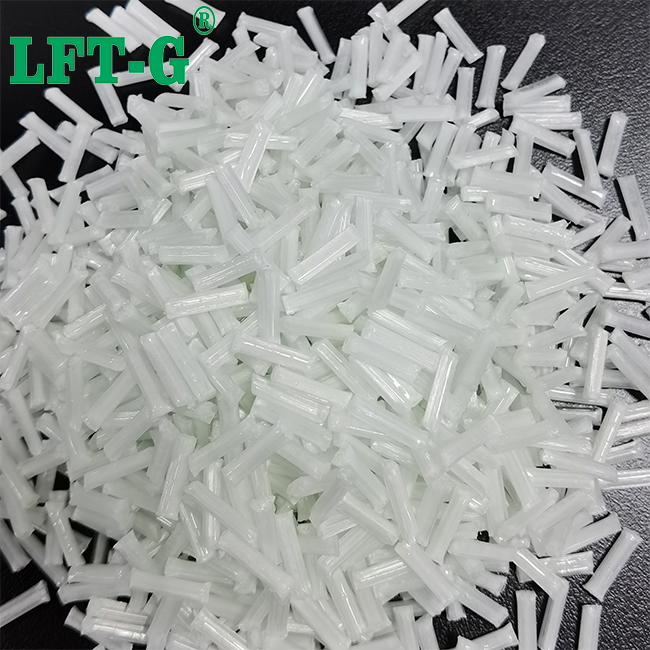
Long Glass Fiber reinforced polypropylene plastic refers to the modified polypropylene composite material which contains the glass fiber length between 10 and 25mm. After injection molding and other processes, the three-dimensional structure is formed. It is also called Long Glass Fiber polypropylene, or LGFPP. There are also many materials at home and abroad referred to Long fiber reinforced thermoplastic as LFT, that is, the abbreviation of long-fiber reinforce thermoplastic. From the material definition, LGFPP belongs to a kind of LFT. Material characteristics Microstructure determines macro performance, so 10~25mm long glass fiber reinforced plastics (LGFPP) compared with ordinary 4~7mm short glass fiber reinforced plastics (GFPP) has higher strength, stiffness, toughness, dimensional stability, low warpage. In addition, long glass fiber reinforced polypropylene has better creep resistance than short glass fiber reinforced polypropylene even if it is subjected to 100℃. On the injection molding product, the long glass fiber interleaved into a three-dimensional network structure, even after the polypropylene substrate is burned, the long glass fiber network still forms a certain strength of the glass fiber skeleton, while the short glass fiber after burning generally into a non-strength fiber skeleton. This is mainly because the ratio of length to diameter of reinforced fiber determines the reinforcement effect. The critical length to diameter ratio is L/D. The packing and short glass fiber with the critical length to diameter ratio less than 100 have no reinforcement effect, while the long glass fiber with the critical length to diameter ratio less than 100 has the reinforcement effect. Compared with metal materials and thermosetting composites, the density of long glass fiber plastics is low, and the weight of the same parts can be reduced by 20~50%. Long glass fiber plastics can provide designers with greater design flexibility, such as forming parts with complex shapes, integrating the number of parts used, saving the cost of the mold (generally the cost of long glass fiber plastic injection mold is about 20% of the cost of metal stamping mold). Reduce energy consumption (production energy consumption of long glass fiber plastics is only 60~80% of steel products, 35~50% of aluminum products), simplify the assembly process. What are the typical application parts of automobile Based on the application advantages of long glass fiber material, it has been applied more and more widely in automobiles. In the mainstream models and new models, we have seen more and more of the following parts are made of long glass fiber reinforced polypropylene material. Long fiber reinforced polypropylene is used in car dashboard body frame, battery bracket, front end module, control box, seat support frame, spare placenta, fender, chassis cover plate, noise partition, rear door frame, etc. The following, a few long glass fiber plastic typical application parts a...
lft-g® ‘s team has a combined 20 years of composites knowledge, our design, material, and process engineers are always accessible to answer your questions and as our partner will be there to support you throughout your entire product life cycle.
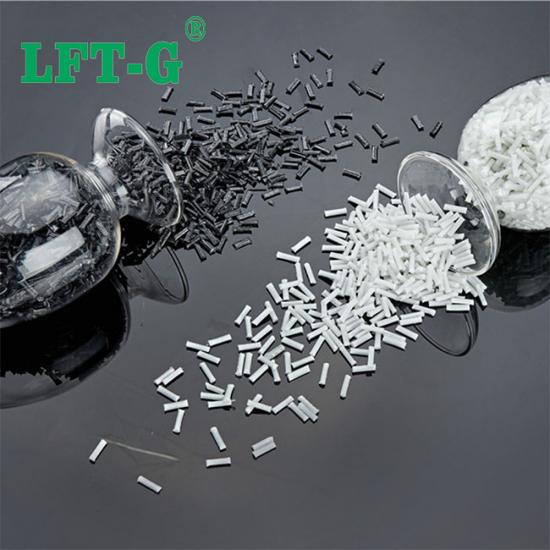
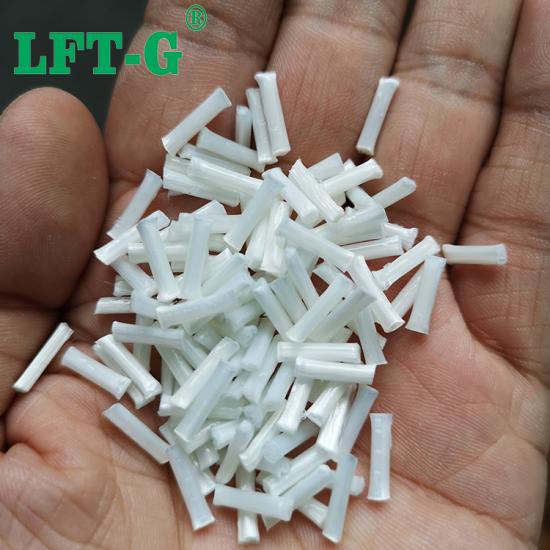
Product Name:PA66 LGF30, Nylon 66 Fiber Reinforced Plastic, Polyamide 66 composite
Form: Length about 12mm, High strength, High toughness
Advantage: More than 20 years experience product in fiber reinforced plastic .
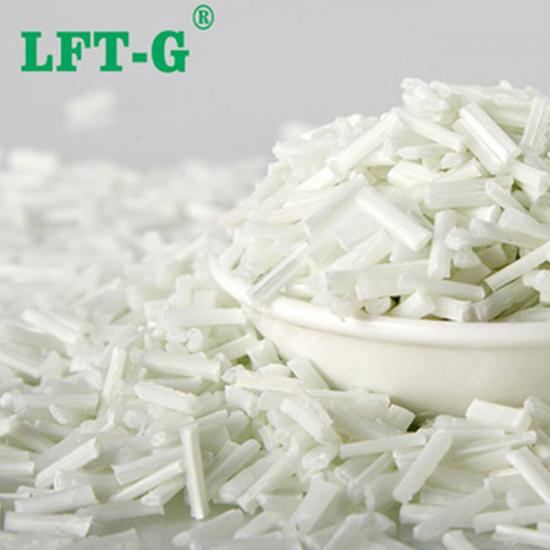
Product Name:Homopolymer LGF30, Polypropylene LGF30, Polypropylene Long Fiber Thermoplastic
Form: Length about 12mm, High strength, High toughness
Advantage: More than 20 years experience product in fiber reinforced plastic .
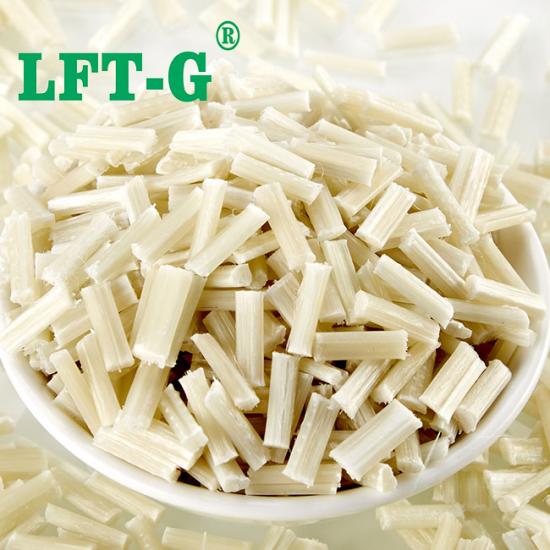
Product Name:HDPE LGF50, Glass Fiber Reinforced Plastic Fill HDPE
Form: orrosion resistance, compression resistance, warpage resistance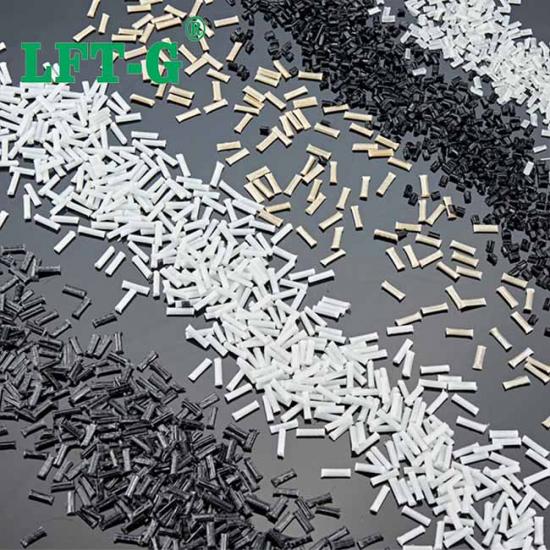
Product Name: Polyamide12 long glass fiber 40% composite,Nylon Long fiber thermoplastic
Certificated: SGS, 16949 system certificated,MSDS,and so on.
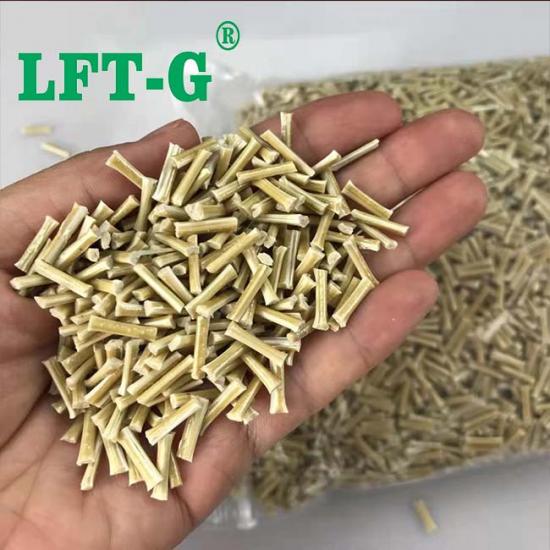
Product Name: Long glass fiber 40% Fill PPS
Length:About 12mm
Applicaiton:Auto parts, energy components and other plastic parts
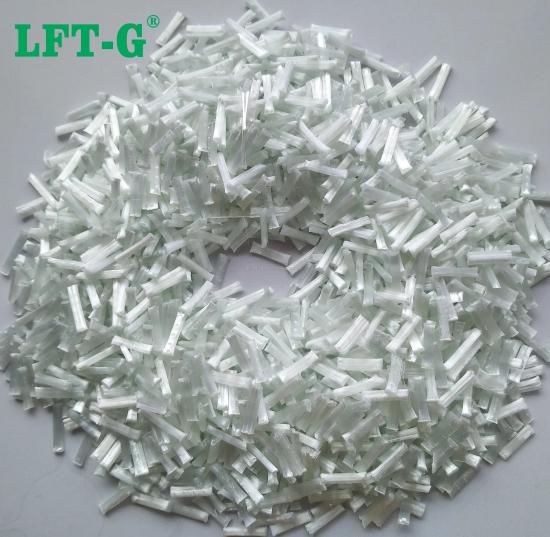
PLA is often regarded as being biodegradable.
Share with you some of our factory's new product development, participation in industry forums, training, exhibitions and sharing with examples of high-end forums sponsored by the industry.
2026
Exhibition News · 2026 Xiamen LFT at EP Shanghai &ES Shanghai 2026 Exploring Long Fiber Reinforced Thermoplastics for Electrical and Power Equipment Applications DEC 03–05, 2026SHANGHAI, CHINABOOTH N4C11B Contact Our Team → CONNECTING MATERIALS WITH INDUSTRY Advancing Material Solutions for the Power Industry Xiamen LFT Composite Plastics Co., Ltd. is pleased to announce its participation in EP Shanghai &ES Shanghai 2026, taking place from December 3 to 5 in Shanghai, China. As a specialist in long fiber reinforced thermoplastic composites, LFT-G develops material solutions designed to meet demanding mechanical and processing requirements across a range of industrial applications. At this exhibition, we look forward to connecting with electrical equipment manufacturers, engineers, and industry partners to explore the potential of LFT materials in power and industrial applications. EP Shanghai &ES Shanghai 2026 · Booth N4C11B 01 Evolving Material Requirements in Power Equipment Performance, reliability and design flexibility Electrical and power equipment operates under a wide range of mechanical, thermal and environmental conditions. Choosing the right engineering material is essential to component performance, product durability and manufacturing efficiency. Depending on the application, manufacturers may need to balance mechanical strength, dimensional stability, heat resistance, electrical insulation, flame retardancy and processing requirements. These factors make application-specific material selection increasingly important. 01 Mechanical Performance Strength, stiffness and resistance to deformation. 02 Thermal Stability Performance suited to specified operating temperatures. 03 Electrical Safety Grade-specific insulation and flame-retardancy requirements. 04 Manufacturing Efficiency Injection molding and design integration opportunities. 02 Why Consider Long Fiber Reinforced Thermoplastics? A combination of thermoplastic processing and fiber reinforcement Long fiber reinforced thermoplastics (LFT) combine a thermoplastic resin matrix with longer reinforcing fibers. Compared with conventional short-fiber reinforced compounds, suitable LFT grades can offer advantages in structural performance and resistance to deformation in appropriately designed components. Structural Strength Long fiber reinforcement can help improve stiffness and mechanical performance, depending on fiber orientation, material formulation and part design. Lightweight Design Potential weight reduction compared with selected alternative materials, subject to component-level engineering validation. Design Flexibility Injection molding enables complex geometries and integrated features for appropriately designed components. Grade Selection Different resin systems and reinforcement levels can be evaluated against specific thermal, mechanical and environmental requirements. Note:Actual material performance depends on the grade, component design and processing condi...
read more2026
LFT-G JOURNAL / EXHIBITION RECAP Five Days in Friedrichshafen. A Stronger Future Together. Looking back at FAKUMA 2026 — meaningful conversations, new connections, and fresh perspectives on long fiber reinforced thermoplastics. EVENT FAKUMA 2026 LOCATION Friedrichshafen, Germany FIND US Hall A7 · Booth 7512-4 FAKUMA 2026October 12–16, 2026 · Germany 01 / THE EXPERIENCE More than an exhibition. A meeting of ideas. FAKUMA once again brought together professionals from across the plastics processing industry. For the LFT-G team, the exhibition was an opportunity to meet customers face to face, exchange technical insights, and explore new possibilities for cooperation. From ongoing projects to new application challenges, every conversation helped us better understand what matters to our customers — and how the right material solution can contribute to their goals. LFT-G · Hall A7, Booth 7512-4 02 / MATERIAL INNOVATION Engineering Better Possibilities with Long Fiber Reinforced Thermoplastics At FAKUMA, we discussed LFT material solutions and potential applications with visitors from different industries. Our conversations covered material selection, mechanical performance, part design, and processing requirements. Every application comes with its own set of demands. That is why we value close communication with customers — understanding their challenges and working together toward suitable material solutions. 01 Material Expertise Understanding material properties and performance requirements. 02 Application Focus Connecting material selection with real project needs. 03 Customer Collaboration Building solutions through open technical discussions. 03 / PEOPLE & PARTNERSHIPS Great conversations. Lasting connections. The most valuable part of any exhibition is the people we meet. We were pleased to reconnect with familiar partners, welcome new contacts, and hear directly about the projects and ideas shaping the industry. Memorable moments with customers and industry partners at FAKUMA 2026. The exhibition ends. The conversations continue. A sincere thank-you to everyone who visited LFT-G at Hall A7, Booth 7512-4. Your time, ideas, and interest made our participation in FAKUMA 2026 truly meaningful. We look forward to following up on the discussions in Friedrichshafen, exploring new opportunities, and building long-term partnerships with customers around the world. LET'S TALK MATERIALS Have a project in mind? Tell us about your application and technical requirements. Our team will be glad to discuss potential LFT material solutions with you. Contact Our Team → Topics: FAKUMA 2026 · LFT-G · Long Fiber Reinforced Thermoplastics · LFT Materials · Plastics Processing
read more2026
Dear Valued Customers and Visitors, As the National Day and Mid-Autumn Festival are approaching, please be informed of our holiday schedule: Holiday Period: September 25–27, 2026, and October 1–7, 2026 Make-up Working Days: September 20 (Sunday) and October 10 (Saturday) Normal Office Operations Resume: October 8 (Thursday) During the holiday periods, our office will be closed, and shipments will be temporarily suspended. We kindly ask for your understanding regarding any inconvenience this may cause. All inquiries and orders received during the holidays will be processed promptly once our office resumes normal operations. We sincerely appreciate your continued support and cooperation. Wishing you and your family a joyful Mid-Autumn Festival and a wonderful National Day holiday! Best regards,
read morefollow us :


-- get updates with latest topics