e-mail
 English
 français
 Deutsch
 русский
 italiano
 español
 português
 العربية
 日本語
日本語 한국의
한국의 中文
中文


-
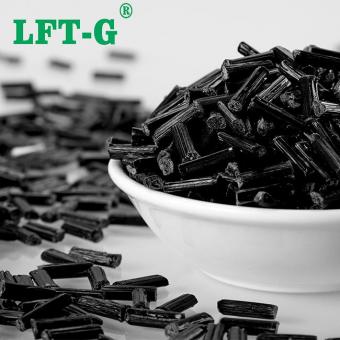
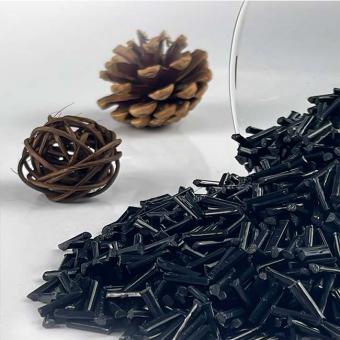
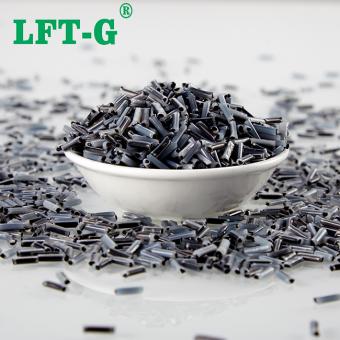
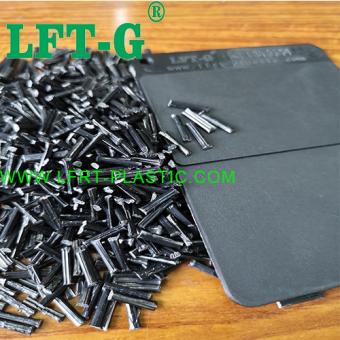
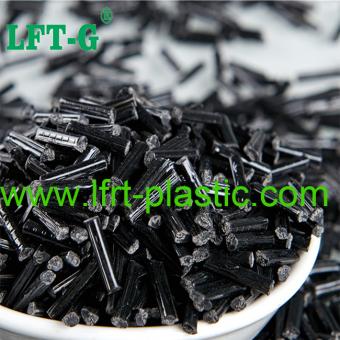
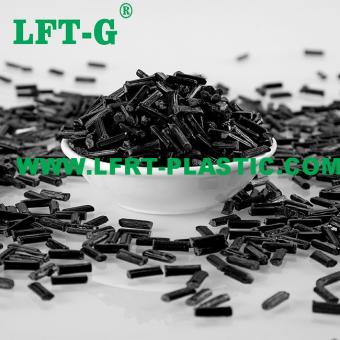
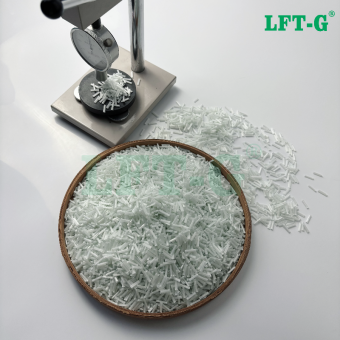
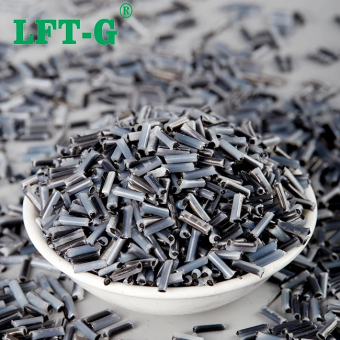
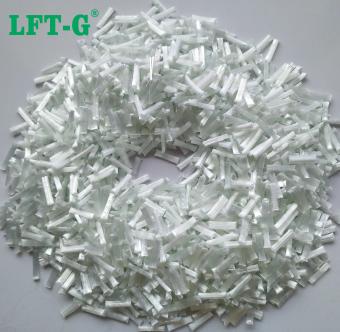
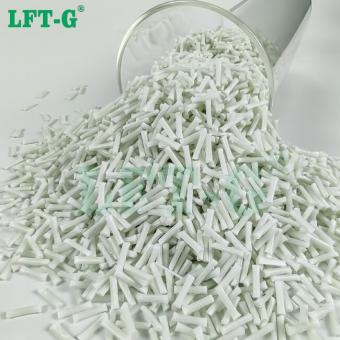
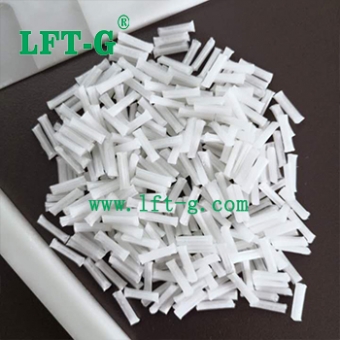
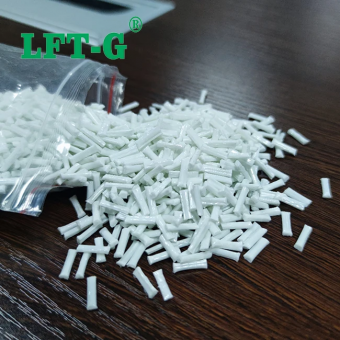
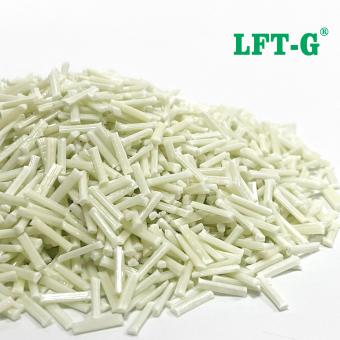
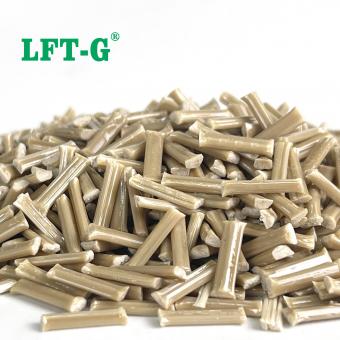
Xiamen LFT Polypropylene filling long carbon fiber composites PP higher toughness and strengthLong Carbon Fiber Reinforced Polymer (LCFRP) is composed of carbon fiber as the reinforcement material and resin as the matrix material
- Polymeric compounds thermoplastic resin
- White waxy material can be customized compounds
- Thermoplastic synthetic resin injection molding PP instead metal
- polymer PP polypropylene CFRP black carbon filament
- Translucent solid material reinforced plastic
- Industrial use for automotive parts car
Tags :
-
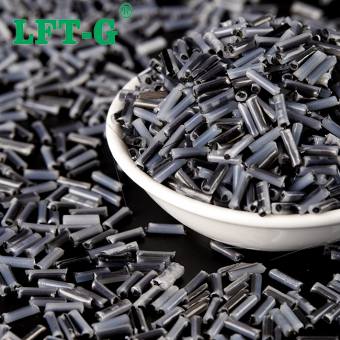
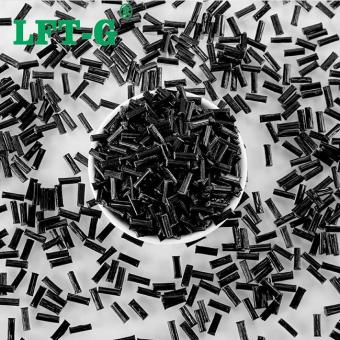
Xiamen LFT Polyamide 6 CFRP composite long carbon fiber for manufacturing helmetsPA6 raw material Polyamide 6, also known as polycaprolactam or nylon 6(PA6), is a semi-transparent to opaque yellowish or milky white thermoplastic resin. The relative density of PA6 is 1.12~ 1.14g /cm3, the melting point is 219~225℃, the tensile strength is 68~83MPa, the compression strength is 82~88MPa, the low temperature resistance is good (-75℃ is not brittle), the wear resistance, self-lubricating and oil resistance is good. Due to the excellent structure and properties of PA6, more and more researchers at home and abroad have carried out important research and development on PA6, including exploring new polymerization chemicals for production, changing its structure and properties, and finding new processing methods, etc. PA6-LCF Long carbon fiber (LCF) reinforced nylon composites with high specific strength, high specific modulus, high temperature resistance and other excellent properties, expand the application space of nylon high technology field, is one of the most important reinforced composites at present. TDS Tested by us, for reference only. Application Injection technology About us Come and contact us now!
- PA6 long carbon fiber high mechanical properties
- PA6 LCF produer high performance
- Nylon 6 composite materials
- injection molding industrial plastic
- PA6 resin composites compounds
- compond plastic thermoplastic resin good price NYLON
Tags :
-
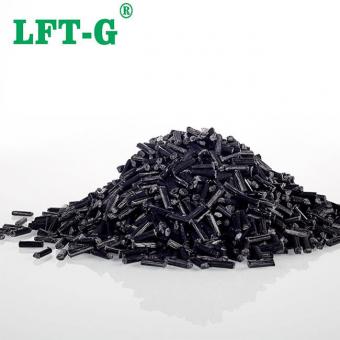
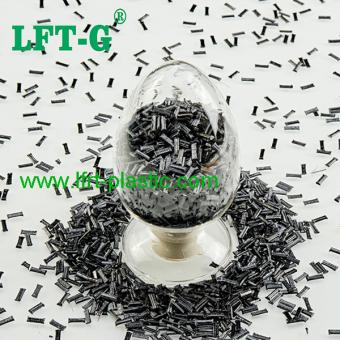
Xiamen LFT Polyamide12 with addition Long Carbon Fiber composite lightweight sample availablePA12 information Long carbon chain nylon is a nylon with amide group in the main chain repeating unit of nylon molecule, and the length of methylene group between two amide groups is more than 10. We call it as long carbon chain nylon, including nylon 11, nylon 12, etc.. PA12 is nylon 12, also known as poly(dodecalactam) and poly(laurolactam), which is a kind of long carbon chain nylon. The basic raw material for polymerization is butadiene, a semi-crystalline - crystalline thermoplastic material. Nylon 12 is the most widely used long carbon chain nylon, it has most of the general properties of nylon, in addition to low water absorption, and has high dimensional stability, high temperature resistance, corrosion resistance, good toughness, easy processing and other advantages. Compared with PA11, another long carbon chain nylon material, PA12's raw material butadiene is only one-third the price of PA11's raw material castor oil, and can be used in most scenarios instead of PA11, and has wide applications in many fields such as automotive fuel hoses, air brake hoses, submarine cables, and 3D printing. Among long-chain nylon, PA12 has great advantages compared with other nylon materials, its advantages are the lowest water absorption, lowest density, low melting point, impact resistance, friction resistance, low temperature resistance, fuel resistance, good dimensional stability, good anti-noise effect, etc. PA12 has the properties of PA6, PA66 and polyolefin (PE, PP) at the same time, to achieve the combination of lightweight and physical and chemical properties, with performance It has the advantages of light weight and physical and chemical properties. PA12-LCF If the base material is compared to concrete, the fiber is like steel reinforcement, and mixing the two is like adding steel reinforcement to concrete. If there is only concrete, the castings will easily crack under external forces, but once the high-strength reinforcement is added to it and the concrete wraps it sufficiently, they will become a single unit. When the object is subjected to external forces, the rebar can withstand most of the external forces, making the structural strength of this whole very high. Carbon fiber has many excellent properties, high axial strength and modulus of carbon fiber, low density, high specific performance, no creep, resistance to ultra-high temperature in non-oxidizing environment, good fatigue resistance, specific heat and electrical conductivity between non-metal and metal, small coefficient of thermal expansion and anisotropy, good corrosion resistance, good X-ray transmittance. Good electrical and thermal conductivity, good electromagnetic shielding, etc. Compared with traditional glass fiber, carbon fiber has more than 3 times of Young's modulus; it is about 2 times of Young's modulus compared with Kevlar fiber, which is insoluble and swollen in organic solvents, acids and alkalis, and has outstanding corrosion resistance. Nylon itself is an engineering plastic with excellent performance, but moisture absorption, poor dimensional stability of products. Strength and hardness is also far from metal. In order to overcome these shortcomings, as early as before the 70s. People have used carbon fiber or other varieties of fibers for reinforcement to improve its performance. Carbon fiber reinforced nylon materials have developed rapidly in recent years, because nylon and carbon fiber are excellent performance in the field of engineering plastics materials, its compound material synthesis reflects the superiority of the two, such as strength and rigidity than unreinforced nylon is much higher, high temperature creep is small, thermal stability has improved significantly, good dimensional accuracy, wear resistance. Excellent damping, compared with glass fiber reinforced has better performance. Therefore, carbon fiber reinforced nylon (CF/PA) composites have developed rapidly in recent years. Datasheet for reference Nylon 12 has low water absorption, good low temperature resistance, good air tightness, excellent alkali and grease resistance, medium resistance to alcohols and inorganic dilute acids and aromatics, good mechanical and electrical properties, and is a self-extinguishing material. Application Suitable for the automotive, sports parts, solar energy, high-end toys and other industries. Other products you may wonder PP-LCF PA6-LCF PA66-LCF ...
- Nylon composite pellets Polymer granules
- Nylon polymer LCF manufacturer
- Modified materials Nylon PA12
- extrusion level Nylon modified
- pa lcf30 producer mess production good price
- carbone fiber reinforced pa12 pellets
Tags :
-
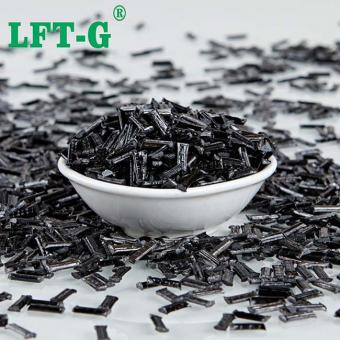
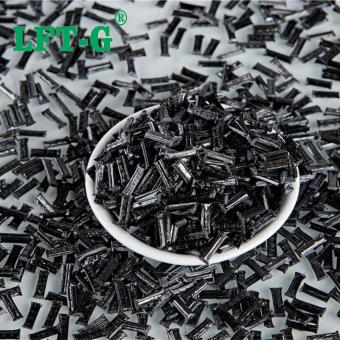
Xiamen LFT Polyamide 66 high performance PA66 long carbon fiber composite materials for aerospace filedsWhat is PA66 plastic? Polyadipyladipylenediamine, commonly known as nylon -66, is a thermoplastic resin, generally made from adiponic acid and hexadipamine condensation. Insoluble in general solvents, only soluble in m-cresol, etc. High mechanical strength and hardness, rigidity. It can be used as engineering plastics, mechanical accessories such as gears, lubricating bearings, instead of non-ferrous metal materials to make machine shells, automotive engine blades, and can also be used to make synthetic fibers. PA66 plastic raw material is translucent or opaque opalescent crystalline polymer, with plasticity. Density 1.15g/cm3. Melting point 252℃. Embrittlement temperature -30℃. Thermal decomposition temperature is greater than 350℃. Continuous heat resistance 80-120℃, balanced water absorption rate of 2.5%. Resistant to acid, alkali, most aqueous inorganic salts, alkyl halides, hydrocarbons, esters, ketones and other corrosion, but easy to phenol, formic acid and other polar solvents. It has excellent wear resistance, self lubricity and high mechanical strength. But the water absorption is larger, so the dimensional stability is poor. What is Long Carbon Fiber? In the modified engineering plastics industry, long fiber reinforced composite material refers to long carbon fiber, long glass fiber, aramid fiber or basalt fiber and polymer matrix, through a series of special modification methods to produce composite materials. The biggest characteristic of long fiber composites is that they have superior properties that the original materials do not have. If they are classified according to the length of the added reinforcement materials, they can be divided into long fiber, short fiber and continuous fiber composites. As mentioned in the beginning, long carbon fiber composite material is a kind of long fiber reinforced composite material, which is a new fiber material with high strength and high modulus fiber. LCF carbon fiber composite exhibits high strength along the fiber axis, and has the characteristics of high strength and light weight. It has the comprehensive mechanical properties such as density, specific strength and specific modulus that are incomparable to other materials. It is a new material with excellent mechanical properties and many special functions. What are the properties of Long Carbon fiber? Corrosion resistance: LCF carbon fiber composite material has good corrosion resistance, can adapt to harsh working environment; Uv resistance: strong ability to resist UV, products by UV damage problem is small; Wear resistance and impact resistance: compared with the general material advantage is more obvious; Low density: lower than the density of many metal materials, can achieve the purpose of lightweight; Other properties: such as reducing warpage, improving rigidity, impact modification, increasing toughness, electrical conductivity and so on. Compared with glass fiber, LCF carbon fiber composite has higher strength, higher rigidity, lower weight, and excellent electrical conductivity. What is the application fileds of PA66-LCF? 1. Military industry LFT long carbon fiber composite has very high specific strength and stiffness, and has the characteristics of corrosion resistance, fatigue resistance, high temperature resistance and low thermal expansion coefficient, etc. LCF carbon fiber composite is widely used in rocket, missile, military aircraft, personal protection and other military fields at home and abroad. Compared with conventional materials, long carbon fiber composites allow for continuous improvements in the performance of military equipment, such as reducing the weight of warships by 20 to 40 percent. At the same time, LCF carbon fiber composite material can overcome the metal material is easy to be corroded, easy to fatigue and other shortcomings, improve and enhance the durability of military products. Currently, more than 40 percent of LCF carbon fiber composite materials are used in some advanced military helicopters, and even more in unmanned aerial vehicles. In addition to aircraft, Marine warships also appear long carbon fiber composite material figure, because long carbon fiber composite material can withstand the corrosion of seawater and a variety of chemical impurities, has a long service life, more durable than steel warships, lower maintenance costs, has become an important strategic material for the development of modern defense military weapons and equipment. 2. Home appliance field LCF carbon fiber composite material has low density, good chemical resistance, excellent performance and other characteristics, has gradually become the home appliance industry's preferred modified engineering plastics, its usage accounts for about 30% and is on the rise. Moreover, home appliances are more and more intelligent and personalized, and the modified performance requirements of materials are higher. So it's no surprise that long carbon fiber composites are chosen by th...
- LFT-G brand
- polyadipyladipdiamine
- composite material
- Thermoplastic resin
- Synthetic fibre
- Instead medal material
Tags :
-
Xiamen LFT-G Polyamide 66 composite material filling long carbon fiber reinforced pellets for aerospaceProduct number: PA66-NA-LCF50 Fiber specification: 20%-60% Product feature: High toughness, Light weight, High strength, Wear reisistance, Corrosion resistance, Creep resistance, Conduction, Heat transfer Product application: The wing of the aircraft, Duck wing, Stable wing, Nacelle and other aerospace fileds.
- Light weight pa66 compounds instead metal
- aerospace fileds high tech materials
- conduction nylon 6.6 carbon fibre
- Sample available can be customized pa66 lft
- Black color composite modified pa66 for car parts
- Thermoplastic material LFT-G injection molding pa6/6
Tags :
-
Xiamen LFT-F Polyamide 6 filling Long Carbon Fiber composite engineering plastic 5-25mm lengthProduct number: PA6-NA-LCF40 Product fiber: 20%-60% Product application: Suitable for manufacturing helmets, Car bumps and Robotic and arms etc. Product feature: High toughness, Light weight, High strength, Wear strength, Corrosion resistance, Creep resistance, Conduction, Heat transfer.
- Black color pa6 LCF 20-60 injection molding
- Heat transfer high performance PA6
- Sample available compounds pa6
- Customized products polyamide can be recycled
- Manufacturing use pa6 thermoplastic resin
- Instead medal nylon 6 for home appliance parts
Tags :
-
LFT-G composite PEEK Long Carbon Fiber 30% natural color for demanding applicationsProduct grade: General grade Fiber specification: 20%-60% Product feature: Flame resistant, Heat resistant, Chemical resistant, Low friction coefficient, Good load bearing Product application: Aviation, Machinery, Electronics, Chemicals, Automotive, Other high-tech fields.
- Good load bearing polyetheretherketone
- Low friction coefficient
- Own factory made excellent mechanical and chemical resistance properties peek
- Wide useage bearings, piston parts, pumps PEEK
- Customized peek length 10-12mm
- Long Carbon Fiber retained to high temperatures
Tags :
-
LFT PA6 Composite Carbon Fiber Reinforced For Military equipmentProduct Name: LFT PA6 Composite Carbon Fiber Reinforced For Military equipment MOQ:25KGS
- PA6 LCF 30 sample available thermoplastic resin
- PA6 CF30 instead metal and steel materials
- nylon 6 structure virgin grade cf
- pa6 lcf polymer made in China thermoplastic resin
- High Performance PA6 Composite
- Nylon 6 Thermoplastic
Tags :
-
LFT-G PPS composites filling long carbon fiber thermoplastic resin natural black color high rigidity for factoryPPS-LCF In carbon fiber composites, carbon fiber reinforced PPS can be said to be a very promising new material, its mechanical properties, corrosion resistance, self-flame retardant and other aspects of the performance is good, so it is often used as a matrix material for various types of high-performance composite materials. The mechanical properties of carbon fiber reinforced polyphenylene sulfide are also affected by the carbon fiber content, under a certain threshold, the larger the carbon fiber content, the stronger the ability to bear external loads. Application Through the reinforcing intervention of carbon fibers, the toughness and strength of polyphenylene sulfide PPS can be substantially increased and improved, becoming one of the most commonly used composites in the aerospace field. Compared with metal, carbon fiber reinforced PPS has the advantages of low cost and easy processing, and the cost can be reduced by 20%-50%. Used in landing gear, wings, doors, fuel tank covers, J-type nose cones, cabin trim and other parts of the aircraft, it not only helps to increase the impact resistance, high temperature resistance and corrosion resistance of these parts, but also improves the load efficiency of the aircraft and reduces fuel consumption by reducing the quality. The most representative application example is the carbon fiber reinforced polyphenylene sulfide composite material for the leading edge of the wing of Airbus A340/A380 aircraft. Datasheet Carbon fiber reinforced PPS production products, with a fast molding, easier to mass production; carbon fiber reinforced PPS with environmental standards, but also able to be used twice, in the production of the entire product as well as the processing of solvents and additives do not need to be introduced, so it can reduce or even a certain degree of avoiding environmental pollution, but also thermoplastic products, unlike thermosetting composite materials can not be reused after the molding of the product, under certain temperature conditions, it has the possibility of recycling, regeneration and reuse. Moreover, unlike thermoset composite products that cannot be reused after molding, thermoplastic products have the possibility of recycling and reuse under certain temperature conditions. In addition, relative to thermoset products, thermoplastic composite products molding speed to be faster, shorter manufacturing cycle, which is conducive to reducing the cost of products. Other materials you may wonder PPA-LCF PEEK-LCF PA12-LCF Tests & Certifications Customers & Us Frequently asked questions 1. Is there a unified reference data for carbon fiber product performance? The performance of specific carbon fiber filaments is fixed, such as Toray's carbon fiber filaments, T300, T300J, T400, T700 and so on, there are a series of parameters can be traced. However, there is no uniform standard to measure the carbon fiber composite products. Firstly, the different types of raw materials selected will lead to different performance of the products, and then due to the choice of matrix and the different design of the products, it will lead to different performance of the products. In addition to some common carbon fiber tubes, carbon fiber boards and other conventional parts, most of the carbon fiber products in the production of the sample before the test to determine whether the performance of the product is in line with the use of the expected standard, and as a base point, so as to carry out the production and use of large quantities. 2. Are carbon fiber composite products expensive? The price of carbon fiber composite products is closely related to the price of raw materials, the level of technology and the quantity of products. Some products of the industrial environment requirements are high, the performance of carbon fiber products and materials have special requirements, which requires the selection of specific raw materials, raw materials, the higher the performance of the natural price of the more expensive, such as the application of orthopedic carbon fiber PEEK thermoplastic materials. Of course, the more complex the production process, the greater t...
- Injection molded PPS reinforced plastic
- PPS made in China LCFR
- raw material pps with filler cf high performance
- Long carbon fiber Reinforced PPS for electrial accessories
- Instead metals materials PPS high performance
- thermoplastic resin PPS with fiber
Tags :
-
LFT-G Homo Polypropylene PP filling Long carbon fiber injection molding high toughness and strength compositesPP-LCF composites Polypropylene is a low-cost, excellent performance, widely used polymer materials, through the carbon fiber reinforced, can improve the strength, heat distortion temperature and dimensional stability of polypropylene materials, expanding the application of polypropylene materials, widely used in electronic and electrical appliances, automotive, construction and other fields. Especially in the automotive field, with the development of new energy vehicles and in the trend of automotive lightweight, carbon fiber reinforced materials in the automotive field is more and more widely used. Characteristics of long carbon fiber reinforced polypropylene materials Higher mechanical properties Simple production, easy molding, low warpage Lower density, lightweight, can replace steel with plastic Application The modified polypropylene material reinforced by carbon fiber has a series of advantages such as light weight, high modulus, high specific strength, low coefficient of thermal expansion, high temperature resistance, thermal shock resistance, corrosion resistance, good vibration absorption and so on, and it can be applied to automobile sub-instrument assembly and other automobile parts. Car Tool Kit Automotive front-end components More application fields, please contact us for more technical advice. Frequently asked questions 1. What are the types of thermoplastic carbon fiber composites? Carbon fiber thermoplastic composites are composites with carbon fiber as reinforcing material and thermoplastic resin as matrix. From the reinforcement of carbon fiber, it can be divided into long-cut carbon fiber (LCF)-reinforced thermoplastic composites, short-cut carbon fiber (SCF)-reinforced thermoplastic composites and continuous carbon fiber (CCF)-reinforced thermoplastic composites. Long-cut carbon fiber and short-cut carbon fiber mainly refers to the application length of carbon fiber materials, there is no strict fixed distinction between the two, generally between a few millimeters to a few centimeters, the more common specifications are 6mm, 12mm, 20mm, 30mm, 50mm. Carbon fiber thermoplastic composites can also be classified according to the thermoplastic resin, there are many common thermoplastic resins, such as PE, PP, PVC, etc., but the thermoplastic resin composites reinforced with carbon fibers are mostly used in aerospace, precision equipment, and other demanding working environments, so the carbon fiber thermoplastic composites are more commonly used in the form of polyetheretherketone (PEEK), PPS, polyimide ( Therefore, carbon fiber thermoplastic composites more often use polyether ether ketone (PEEK), PPS, polyimide (PI), polyetherimide (PAI) and other high-end thermoplastic resins as the matrix, to achieve the optimization of the material performance through the way of "strong alliance". 2. How do thermoplastic carbon fiber composites achieve low cost and environmental protection? Thermoplastic carbon fiber composites are used to make parts for high-end machinery, and they have excellent machinability, vacuum forming, stamping mold plasticity and bending processability, etc. Moreover, as long as the material reaches a certain temperature again, it can be remolded, which is recyclable and environmentally friendly in terms of the characteristics of the material itself. For example, Teijin Japan has been able to design a recycling process in the process according to the special needs, and the punched thermoplastic carbon fiber composite material trimmings are shredded, injection molded, and made into recycled materials, which can be used to make small products or injection molded nuts and studs on the carbon fiber prototype parts. This method can reduce the loss of raw materials to a greater extent, improve the use of thermoplastic carbon fiber composite materials, reduce the overall cost, so as to achieve the purpose of environmental protection. Production process of thermoplastic carbon fiber products In addition, thermoplastic carbon fiber composites, compared with thermoset carbon fiber composites, can shorten the molding cycle time due to its special process characteristics, which can further cut down the production cost in terms of production efficiency. 3. Are thermoplastic carbon fiber composites only suitable for injection molding? From the process point of view, injection molding and compression molding compared to a higher degree of automation, the raw material does not contact with the outside world, so the product appearance quality is guaranteed, there will be no black spots, impurities, uneven color and other issues, the mechanical properties of the product, dimensional stability and precision is relatively higher. At present, Toray, Japan, these carbon fiber giants in the application of carbon fiber reinforced thermoplastic composite materials, the main use of injection molding method, and this method is suitable for the production of complex shaped parts and mass production. Com...
- PP pellets lcf 30 polymer
- PP recycled for car parts electric parts
- Long carbon fiber Reinforced Polypropylene for electrial accessories
- LFT-G xiamen compounds pp plastic resin
- PP green materials instead metal
- Polypropylene filled lcf 30 40 50
Tags :
-
LFT-G PEEK engineering plastic fill long carbon fiber 30% composites high rigidity strength for automotive partsPEEK plastic PEEK is a comprehensive performance of excellent special engineering plastics, with excellent heat resistance, chemical resistance, radiation resistance, electrical properties, flame retardant properties, etc.. Its molecular chain is a polymer composed of a benzene ring and connected ketone and ether groups, and the benzene ring ensures that PEEK materials have good rigidity, and the ether bond ensures that PEEK has good toughness, so that PEEK is a comprehensive material with both toughness and rigidity. PEEK has the following outstanding properties: (1) Extremely high heat resistance. Can be used at 250 ° C for a long time, instantaneous use of the temperature up to 300 ° C, at 400 ° C for a short period of time almost no decomposition. (2) excellent mechanical properties and dimensional stability. PEEK can maintain high strength at high temperatures, bending strength at 200°C is still up to 24 MPa, 250°C bending strength and compression strength of up to 12-13 MPa, especially suitable for manufacturing at high temperatures can work continuously in the components. In addition, PEEK also has good creep resistance, can be used in the period of great stress, not due to the extension of time to produce significant extension. (3) Excellent chemical resistance. Even at high temperatures PEEK resists corrosion of most chemicals very well, with corrosion resistance similar to that of nickel steel. The only thing that can dissolve PEEK under normal conditions is concentrated sulfuric acid. (4) Good resistance to hydrolysis. Can resist chemical damage from water or high-pressure water vapor. Under high temperature and pressure conditions, PEEK components can work continuously in aqueous environments while still maintaining good mechanical properties. If immersed in water at 100 ° C for 200 days, the strength remains almost unchanged. (5) Good flame retardant properties. It can reach UL 94 V-0 level, has self-extinguishing property, and releases less smoke and toxic gas under flame condition. (6) Good electrical properties. In a wide range of frequencies and temperatures, PEEK can maintain the same electrical properties. (7) High radiation resistance. PEEK has a very stable chemical structure, in high doses of ionizing radiation PEEK parts can also work properly. (8) Good toughness. Fatigue resistance to alternating stress is the most outstanding of all plastics, comparable to alloy materials. (9) Excellent resistance to friction and wear. It can maintain high wear resistance and low friction coefficient at 250°C. (10) Good processing performance. Easy to injection molding and high molding efficiency. PEEK-LCF compounds Long carbon fiber modified PEEK materials at room temperature, the tensile strength doubled compared to unreinforced, reaching three times at 150°C. At the same time, the reinforced composites also received a substantial increase in impact strength, flexural strength and modulus, with a dramatic reduction in elongation and heat deflection temperatures that can exceed 300°C. The impact energy absorption rate of the composites directly affects the performance of the composites when subjected to impact, and carbon fiber-reinforced peek composites show a specific energy absorption capacity of up to 180 kJ/kg. Application Long carbon fiber modified peek materials are widely used in the fields of aerospace, automotive manufacturing, electrical and electronics, medical and food processing. For example, applied to orthopedic medical devices, thanks to carbon fiber-reinforced PEEK used in orthopedics five major performance advantages: light weight and strength, wear resistance, good biocompatibility, corrosion resistance, good X-ray permeability, it can be done intramedullary nailing PEEK aiming rod bracket, distal locking with PEEK aiming frame, external fixation bracket with X-ray permeable PEEK heel linkage (spark surface), minimally invasive PEEK guided tail (aiming rod), etc. TDS for reference Different properties with different fiber specification The content of long fiber is not more is better. The suitable content is just to meet the requirements of each products. Produce process Our materials are suitable for injection molding and extrusion molding. Parts of Certifications Quality Management System ISO9001/16949 Certification National Laboratory Accreditation Certificate Modified Plastics Innovation Enterprise Honorary Certificate Heavy metal REACH & ROHS testing Q & A Q. Does long glass fiber and long carbon fiber injection have special requirements for injection molding machines and molds? A. There are certainly requirements. Especially from the product design structure, as well as the injection molding machine screw nozzle and mold structure injection molding process must consider the requirements of long fiber. Q. What are the differences and advantages of long fiber materials and thermosets and staple fibers? A. Compared with the short fiber, is has more excellent performanc...
- PEEK LCF 30 composites
- peek injection mold resin materials
- good price peek self factory
- peek conpounds reinforced plastic
- peek low warpage lfrt
- peek CFRP pellets polymers
Tags :
-
LFT-G PPS Polyphenylene sulfide composite long carbon fiber injection mold thermoplastic resin high toughnessPPS material In recent years, the application of special engineering plastics has gradually extended from the previous military and aerospace fields to more and more civil fields, such as automotive, equipment manufacturing, high-end consumer goods, etc.. Among them, polyphenylene sulfide (PPS) and polyether ether ketone (PEEK) are two special engineering plastics that have developed relatively quickly and have a wide range of applications. PEEK is superior to PPS in terms of strength, toughness, and maximum operating temperature. In terms of high-temperature resistance, PEEK is about 50°C higher than PPS. But on the other hand, the relatively obvious cost advantages and better processing properties of PPS make it more widely used. PPS is a crystalline, highly rigid white powder polymer, high heat resistance (long-term use of 200 ℃ -220 ℃, short-term can withstand high temperatures of 260 ℃), is a mechanical strength, rigidity, flame retardant, chemical resistance, electrical properties, dimensional stability are excellent resin. It has excellent wear resistance, creep resistance, flame retardancy and self-extinguishing properties. It maintains good electrical properties at high temperature and high humidity. Good flowability, easy to mold, almost no shrinkage and concave spot when molding. Good affinity with various inorganic fillers. It has been developed to shorten the difference between standard thermoplastic materials (e.g. PA, POM, PET ......) and advanced engineering plastics. PPS has the following distinct performance advantages: (1) Intrinsically Flame Retardant Unlike PC and PA, PPS pure resin and its glass fiber/mineral powder filled composites without any added flame retardants 可以轻松达到V-0@0.8mm甚至更薄厚度的V-0阻燃级别. Although PC and PA have a cheaper price and better mechanical strength (especially impact strength) than PPS, the cost of PC and PA composites with the addition of halogen-free flame retardant formulations (V-0@0.8mm级别) is significantly higher, in many cases even higher than PPS materials with the same mechanical strength. (2) Ultra-high flowability For the semi-crystalline PPS, its very high fluidity can allow glass fiber filling easily more than 50 %, while in the process of high-temperature melt blending extrusion, PPS compared to PC lower viscosity can make the glass fiber to withstand a lower degree of shear and extrusion, so that the final injection molded products have a longer retention length, to further enhance the effect of modulus. (3) Ultra-low water absorption This advantage is mainly for PA. In terms of fluidity, highly filled PA and PPS are comparable; and for mechanical properties, the same amount of filling PA composites will be more advantageous. But in addition to the halogen-free flame retardant limitations, another factor limiting the application of PA is its high water absorption: compared to high-temperature nylon PA6T 0.6%-1% water absorption, PPS 0.03% water absorption rate is almost negligible. The result is that PPS products due to water absorption and deformation of the product defect rate is much lower than the same conditions of PA products. (4) the unique metallic texture and higher surface hardness PPS injection molded parts will be dropped on the table, a very crisp sound unique to PPS crash. Through the special mold and reasonable mold temperature with the PPS injection molded parts in the human touch will also sound similar to the impact of metal, the surface will be as smooth as a mirror, with a metal-like luster. PPS-LCF compounds Length: About 12mm, or customized Color: Original color, or customized Fiber specification: 20%-60% Grade: General grade Long carbon fiber reinforced composites offer significant weight savings and provide optimum strength and stiffness properties in reinforced thermoplastics. The excellent mechanical properties of long carbon fiber reinforced composites make it an ideal replacement for metals. Combined with the design and manufacturing advantages of injection molded thermoplastics, long carbon fiber composites simplify the re-imagining of compoents and equipment with demanding performance requirements. Its widespread use in aerospace and other advanced industrials makes it a "high-tech" perception of consumers. Datasheet for reference Application Factory Q & A 1. Is there a uniform reference data for carbon fiber product performance? The performance of specific carbon fiber filaments is fixed, such as Toray's carbon fiber filaments, T300, T300J, T400, T700, etc. There are a series of parameters that can be traced. However, there is no uniform standard to measure the carbon fiber composite products. Firstly, the different models of raw materials selected will lead to different performance of the products, and then the different selection of substrate and product design will lead to different performance of the products. In addition to some common carbon fiber tube, carbon fiber plate and other conventional parts, most of th...
- PPS long carbon fiber injection
- PPS reinforced plastic LCF
- LFT-G PPS resin cf
- raw material pps with filler cf
- automotive parts plastic pps toughness
- black color pps fill long fiber
Tags :