e-mail
 English
 français
 Deutsch
 русский
 italiano
 español
 português
 العربية
 日本語
日本語 한국의
한국의 中文
中文


-
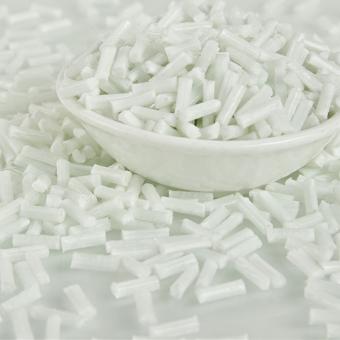
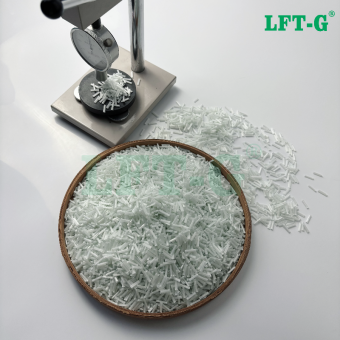
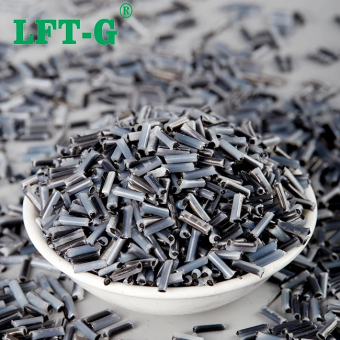
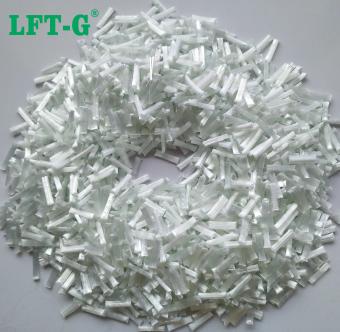
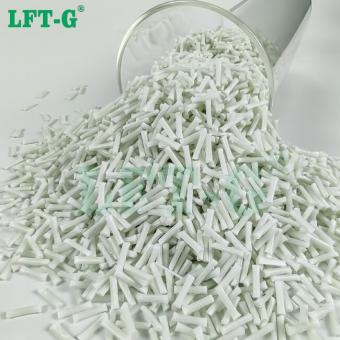
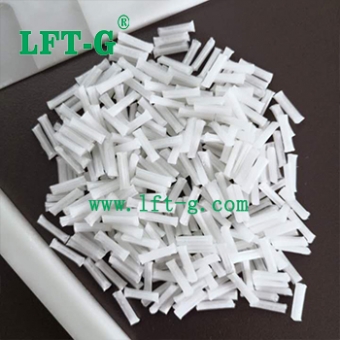
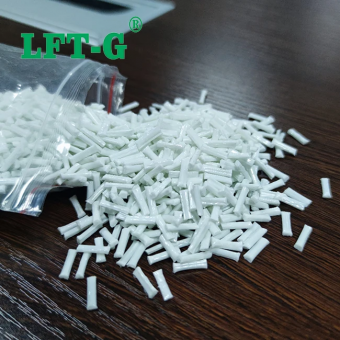
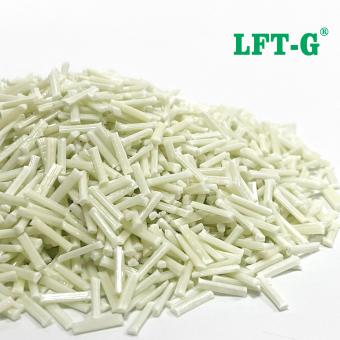
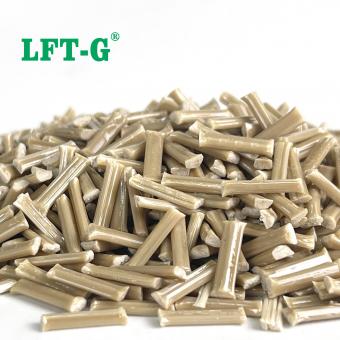
LFT-G HDPE raw materials filling LGF 30%-60% high toughness compunds pellets 12mm length sample freeHDPE High density polyethylene (HDPE), a granular product. Non-toxic, odorless, crystallinity of 80% ~ 90%, softening point of 125 ~ 135 ℃, the use of temperature up to 100 ℃; hardness, tensile strength and creep is better than low-density polyethylene; wear resistance, electrical insulation, toughness and cold resistance is better; good chemical stability, at room temperature, insoluble in any organic solvents, resistant to corrosion of acids, alkalis and various salts. Long glass fiber Glass fiber reinforced plastic is based on the original pure plastic, adding glass fibers and other additives, so as to improve the scope of use of the material. Generally speaking, most of the glass fiber reinforced materials are used in the structural parts of the products, which is a kind of structural engineering materials, such as: PP, ABS, PA66, PA6, HDPE, PPA, TPU, PEEK, PBT, PPS and so on. Advantages After glass fiber reinforcement, glass fiber is a high temperature resistant material, therefore, the heat-resistant temperature of reinforced plastics is much higher than before without glass fiber, especially nylon plastics. After the glass fiber reinforcement, due to the addition of glass fiber, the plastic polymer chain is restricted to move with each other, therefore, the shrinkage of reinforced plastics decreases a lot, and the rigidity is greatly improved. After glass fiber reinforced, the reinforced plastic will not stress cracking, at the same time, the impact resistance of the plastic improves a lot. After the glass fiber reinforcement, the glass fiber is a high strength material, which also greatly improves the strength of the plastic, such as: tensile strength, compression strength, bending strength, improve a lot. After glass fiber reinforcement, due to the addition of glass fiber and other additives, the combustion performance of the reinforced plastics decreases a lot, most of the materials can not be ignited, it is a kind of flame-retardant material. Datasheet Contact us
- HDPE filling long glass fiber white color
- high performance hdpe with lgf
- injection molded plastic hdpe virgin
- Original color 10-12mm hdpe pellets polymer resin
- engineering plastic can be recycled hdpe
- thermoplastic compounds hdpe high rigidity
Tags :
-
LFT-G industry HDPE filling LGF high toughness pelletsHDPE Long Glass Fiber Reinforced High-density polyethylene (HDPE) is a lightweight thermoplastic known for its excellent chemical resistance, toughness, low moisture absorption, and good electrical insulation properties. By reinforcing HDPE with long glass fibers, its stiffness, tensile strength, dimensional stability, and load-bearing capability can be significantly improved, making it suitable for demanding structural and engineering applications. Why Long Glass Fiber Reinforced HDPE? Long glass fiber reinforcement creates a stronger internal fiber network within the HDPE matrix. Compared with unreinforced HDPE, the material offers improved mechanical performance and dimensional stability while maintaining the processing advantages of thermoplastics. Higher Strength Long glass fibers significantly improve tensile, flexural, and compressive strength, making the material suitable for structural components. Higher Stiffness The reinforcing fibers increase rigidity and help HDPE maintain its shape under mechanical loads. Better Dimensional Stability Glass fiber reinforcement reduces molding shrinkage and helps control dimensional changes during and after processing. Excellent Chemical Resistance HDPE provides strong resistance to many acids, alkalis, salts, and common chemicals, making it suitable for demanding industrial environments. Improved Heat Performance The reinforcing fiber network improves rigidity retention at elevated temperatures compared with standard unreinforced HDPE. Lightweight Structure HDPE offers a relatively low density, while long glass fiber reinforcement provides a practical balance between weight and mechanical performance. Typical Applications HDPE long glass fiber reinforced materials are suitable for applications where low weight, high rigidity, chemical resistance, and dimensional stability are required. Automotive structural components Industrial equipment Mechanical components Outdoor equipment Technical Datasheet FAQ What are the main benefits of long glass fiber reinforced HDPE? It provides higher stiffness and strength, improved dimensional stability, reduced molding shrinkage, and better load-bearing performance compared with standard HDPE. Can HDPE-LGF be used for structural components? Yes. Depending on the glass fiber content and application requirements, HDPE-LGF can be used for structural and semi-structural injection molded components. What information is needed to recommend a suitable grade? Please share the application, required mechanical properties, operating temperature, processing method, and glass fiber content if available. Our technical team can recommend a suitable grade accordingly. Need the Right HDPE-LGF Grade? Contact our sales and technical team for grade selection, technical data, samples, and application support.view more
-
LFT-G industry use HDPE filling LGF 30%-60% high toughness pellets 12mm sample freeHDPE High density polyethylene (HDPE), a granular product. Non-toxic, odorless, crystallinity of 80% ~ 90%, softening point of 125 ~ 135 ℃, the use of temperature up to 100 ℃; hardness, tensile strength and creep is better than low-density polyethylene; wear resistance, electrical insulation, toughness and cold resistance is better; good chemical stability, at room temperature, insoluble in any organic solvents, resistant to corrosion of acids, alkalis and various salts. Long glass fiber Glass fiber reinforced plastic is based on the original pure plastic, adding glass fibers and other additives, so as to improve the scope of use of the material. Generally speaking, most of the glass fiber reinforced materials are used in the structural parts of the products, which is a kind of structural engineering materials, such as: PP, ABS, PA66, PA6, HDPE, PPA, TPU, PEEK, PBT, PPS and so on. Advantages After glass fiber reinforcement, glass fiber is a high temperature resistant material, therefore, the heat-resistant temperature of reinforced plastics is much higher than before without glass fiber, especially nylon plastics. After the glass fiber reinforcement, due to the addition of glass fiber, the plastic polymer chain is restricted to move with each other, therefore, the shrinkage of reinforced plastics decreases a lot, and the rigidity is greatly improved. After glass fiber reinforced, the reinforced plastic will not stress cracking, at the same time, the impact resistance of the plastic improves a lot. After the glass fiber reinforcement, the glass fiber is a high strength material, which also greatly improves the strength of the plastic, such as: tensile strength, compression strength, bending strength, improve a lot. After glass fiber reinforcement, due to the addition of glass fiber and other additives, the combustion performance of the reinforced plastics decreases a lot, most of the materials can not be ignited, it is a kind of flame-retardant material. Datasheet Contact usview more
-
Xiamen LFT HDPE plastic filling LGF 20%-60% long glass fiber high toughness compunds pelletWhat is HDPE plastic? High density polyethylene (HDPE), a granular product. Non-toxic, odorless, crystallinity of 80% ~ 90%, softening point of 125 ~ 135 ℃, the use of temperature up to 100 ℃; hardness, tensile strength and creep is better than low-density polyethylene; wear resistance, electrical insulation, toughness and cold resistance is better; good chemical stability, at room temperature, insoluble in any organic solvents, resistant to corrosion of acids, alkalis and various salts. What is Long glass fiber? Glass fiber reinforced plastic is based on the original pure plastic, adding glass fibers and other additives, so as to improve the scope of use of the material. Generally speaking, most of the glass fiber reinforced materials are used in the structural parts of the products, which is a kind of structural engineering materials, such as: PP, ABS, PA66, PA6, HDPE, PPA, TPU, PEEK, PBT, PPS and so on. Advantages After glass fiber reinforcement, glass fiber is a high temperature resistant material, therefore, the heat-resistant temperature of reinforced plastics is much higher than before without glass fiber, especially nylon plastics. After the glass fiber reinforcement, due to the addition of glass fiber, the plastic polymer chain is restricted to move with each other, therefore, the shrinkage of reinforced plastics decreases a lot, and the rigidity is greatly improved. After glass fiber reinforced, the reinforced plastic will not stress cracking, at the same time, the impact resistance of the plastic improves a lot. After the glass fiber reinforcement, the glass fiber is a high strength material, which also greatly improves the strength of the plastic, such as: tensile strength, compression strength, bending strength, improve a lot. After glass fiber reinforcement, due to the addition of glass fiber and other additives, the combustion performance of the reinforced plastics decreases a lot, most of the materials can not be ignited, it is a kind of flame-retardant material. Datasheet of HDPE filling long glass fiber Contact usview more
-
LFT High Density Polyethylene Long Glass Fiber 20%-60% high toughness pellets 12mm lengthHDPE High density polyethylene (HDPE), a granular product. Non-toxic, odorless, crystallinity of 80% ~ 90%, softening point of 125 ~ 135 ℃, the use of temperature up to 100 ℃; hardness, tensile strength and creep is better than low-density polyethylene; wear resistance, electrical insulation, toughness and cold resistance is better; good chemical stability, at room temperature, insoluble in any organic solvents, resistant to corrosion of acids, alkalis and various salts. Long glass fiber Glass fiber reinforced plastic is based on the original pure plastic, adding glass fibers and other additives, so as to improve the scope of use of the material. Generally speaking, most of the glass fiber reinforced materials are used in the structural parts of the products, which is a kind of structural engineering materials, such as: PP, ABS, PA66, PA6, HDPE, PPA, TPU, PEEK, PBT, PPS and so on. Advantages After glass fiber reinforcement, glass fiber is a high temperature resistant material, therefore, the heat-resistant temperature of reinforced plastics is much higher than before without glass fiber, especially nylon plastics. After the glass fiber reinforcement, due to the addition of glass fiber, the plastic polymer chain is restricted to move with each other, therefore, the shrinkage of reinforced plastics decreases a lot, and the rigidity is greatly improved. After glass fiber reinforced, the reinforced plastic will not stress cracking, at the same time, the impact resistance of the plastic improves a lot. After the glass fiber reinforcement, the glass fiber is a high strength material, which also greatly improves the strength of the plastic, such as: tensile strength, compression strength, bending strength, improve a lot. After glass fiber reinforcement, due to the addition of glass fiber and other additives, the combustion performance of the reinforced plastics decreases a lot, most of the materials can not be ignited, it is a kind of flame-retardant material. Datasheet Contact us
- HDPE compounds white color
- high performance hdpe modified plastic
- injection molded plastic virgin
- hdpe pellets polymer resins underground pipe
- engineering plastic can be recycled
- hdpe fittings best price 25kg/bag
Tags :
-
LFT High Density Polyethylene Long Glass Fiber 20%-60% high toughness pellets 12mm lengthHDPE High density polyethylene (HDPE), a granular product. Non-toxic, odorless, crystallinity of 80% ~ 90%, softening point of 125 ~ 135 ℃, the use of temperature up to 100 ℃; hardness, tensile strength and creep is better than low-density polyethylene; wear resistance, electrical insulation, toughness and cold resistance is better; good chemical stability, at room temperature, insoluble in any organic solvents, resistant to corrosion of acids, alkalis and various salts. Long glass fiber Glass fiber reinforced plastic is based on the original pure plastic, adding glass fibers and other additives, so as to improve the scope of use of the material. Generally speaking, most of the glass fiber reinforced materials are used in the structural parts of the products, which is a kind of structural engineering materials, such as: PP, ABS, PA66, PA6, HDPE, PPA, TPU, PEEK, PBT, PPS and so on. Advantages After glass fiber reinforcement, glass fiber is a high temperature resistant material, therefore, the heat-resistant temperature of reinforced plastics is much higher than before without glass fiber, especially nylon plastics. After the glass fiber reinforcement, due to the addition of glass fiber, the plastic polymer chain is restricted to move with each other, therefore, the shrinkage of reinforced plastics decreases a lot, and the rigidity is greatly improved. After glass fiber reinforced, the reinforced plastic will not stress cracking, at the same time, the impact resistance of the plastic improves a lot. After the glass fiber reinforcement, the glass fiber is a high strength material, which also greatly improves the strength of the plastic, such as: tensile strength, compression strength, bending strength, improve a lot. After glass fiber reinforcement, due to the addition of glass fiber and other additives, the combustion performance of the reinforced plastics decreases a lot, most of the materials can not be ignited, it is a kind of flame-retardant material. Datasheet Contact usview more
-
LFT-G industry use HDPE filling LGF 30%-60% high toughness pellets 12mm sample freeHDPE Plastic | Long Glass Fiber Reinforced HDPE What is HDPE? High Density Polyethylene (HDPE) is a granular thermoplastic material that is non-toxic, odorless, and highly crystalline (80% - 90%). It has a softening point of 125–135°C and can be used at temperatures up to 100°C. Compared with Low-Density Polyethylene (LDPE), HDPE has superior hardness, tensile strength, creep resistance, wear resistance, electrical insulation, toughness, and cold resistance. It also offers excellent chemical stability, being insoluble in any organic solvents at room temperature and resistant to corrosion from acids, alkalis, and various salts. Long Glass Fiber Reinforced Plastics (LGF) Long glass fiber reinforced plastics (LGF plastics) are created by adding long glass fibers and other additives to pure plastics. This reinforcement significantly improves the material's mechanical and thermal properties, making it suitable for structural and engineering applications. LGF plastics are commonly used with materials such as PP, ABS, PA66, PA6, HDPE, PPA, TPU, PEEK, PBT, and PPS. Advantages of Long Glass Fiber Reinforced Plastics Increased heat resistance: Glass fibers improve the high-temperature performance of plastics, especially in nylon-based materials. Reduced shrinkage and increased rigidity: Fiber reinforcement restricts polymer chain movement, improving dimensional stability. Improved impact resistance: Reinforced plastics resist stress cracking and have higher toughness. Enhanced strength: Tensile, compression, and bending strength are significantly improved due to the high-strength glass fibers. Flame retardancy: Addition of fibers and additives reduces flammability, making most reinforced plastics non-ignitable. HDPE / LGF Datasheet Contact Us For more information about HDPE plastic and long glass fiber reinforced HDPE materials, please contact our sales team. We provide technical support, custom solutions, and sample requests for your industrial and engineering applications.view more
-
LFT High Density Polyethylene Long Glass Fiber 20%-60% high toughness pellets 12mm lengthHDPE & Long Glass Fiber Overview body { font-family: Arial, sans-serif; line-height: 1.6; color: #333; } h2 { font-size: 24px; color: #339933; margin-top: 30px; } p { font-size: 18px; } ul { font-size: 18px; margin-left: 20px; } img { max-width: 100%; margin-top: 15px; margin-bottom: 15px; } HDPE High-density polyethylene (HDPE) is a granular product that is non-toxic and odorless. It has a crystallinity of 80%–90%, a softening point of 125–135℃, and can be used up to 100℃. Compared to low-density polyethylene, HDPE has better hardness, tensile strength, and creep resistance. It also offers superior wear resistance, electrical insulation, toughness, and cold resistance. HDPE has excellent chemical stability—it is insoluble in organic solvents at room temperature and resistant to acids, alkalis, and various salts. Long Glass Fiber Glass fiber reinforced plastics (GFRP) are made by adding glass fibers and other additives to pure plastics, which significantly extends the material’s application range. These reinforced materials are commonly used for structural parts in products made from PP, ABS, PA66, PA6, HDPE, PPA, TPU, PEEK, PBT, PPS, and others. Advantages High heat resistance: Glass fiber is heat resistant, so reinforced plastics can withstand much higher temperatures, especially nylon-based plastics. Reduced shrinkage and improved rigidity: Glass fiber restricts polymer chain movement, decreasing shrinkage and significantly improving rigidity. Improved impact resistance: Reinforced plastics resist stress cracking and have much higher impact strength. Enhanced mechanical strength: Tensile strength, compressive strength, and bending strength are greatly improved. Flame retardancy: Addition of glass fiber and other additives reduces combustibility; most reinforced plastics cannot be ignited. Datasheet Contact Usview more