• share :

  • facebook
  • y
  • t
  • instagram
  • in
Products
Home /

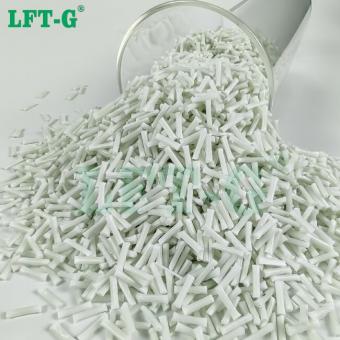
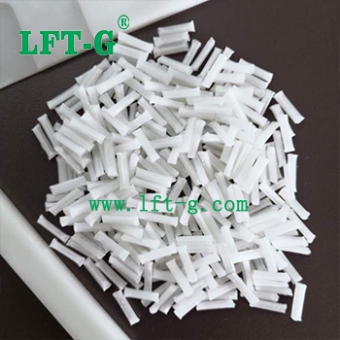
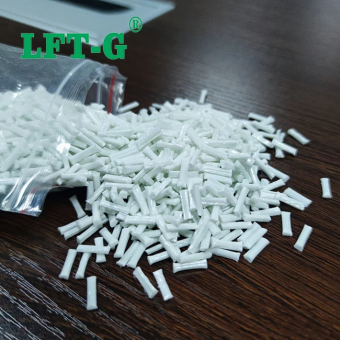
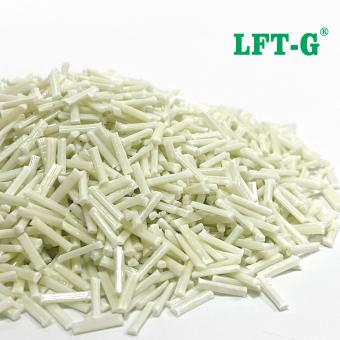
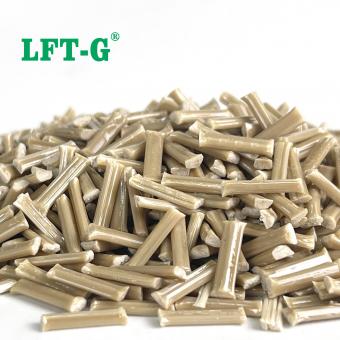
Long Carbon fiber Polymer

/Industrial new material PPA composite long carbon fiber higher performance lower price

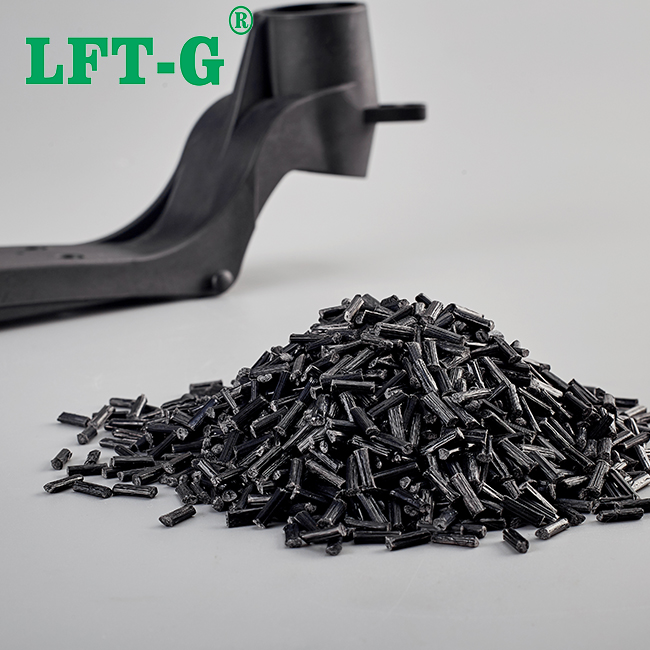
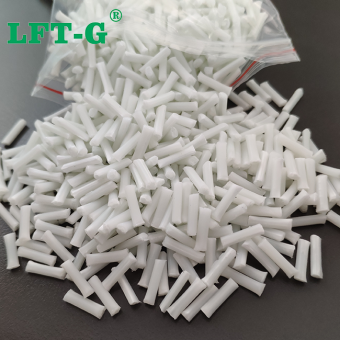
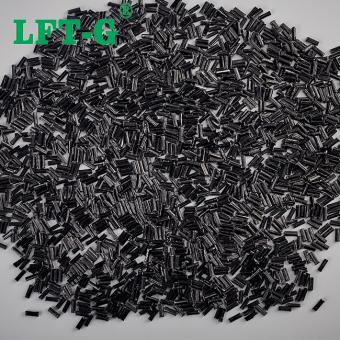
Industrial new material PPA composite long carbon fiber higher performance lower price

  • item no.:

    PPA-NA-LCF30
  • Payment:

    T/T or L/C (other payment ways also can be di
  • product origin:

    Xiamen, China
  • Color:

    Original color (also can be customized)
  • shipping port:

    Xiamen, China
inquiry now
Product Detail

What is PPA?


PPA (Polyphthalamide) is polyphthalamide.

PPA is a kind of thermoplastic functional nylon with both semi-crystalline structure and non-crystalline structure. It is prepared by polycondensation of phthalic acid and phthalenediamine. It has excellent thermal, electrical, physical and chemical resistance and other comprehensive properties.

It still has excellent mechanical properties, including high rigidity, high strength, high dimensional accuracy, low warping and stability, fatigue resistance and creep resistance, under the harsh working environment of continuous high temperature, humidity, oil pollution and chemical corrosion at 200℃.

The main application is non-crystalline PPA. PPA has high hardness, excellent mechanical strength such as bending, tensile and impact at high temperature, and can resist tensile creep for a long time. Its rigidity and strength even exceed PPS and PEEK at the high temperature of 120℃. Especially suitable to replace die casting alloy to reduce cost.

PPA has higher thermal stability than PA46, better arc resistance and infrared reflow welding ability of CTI.

PPA has excellent resistance to gasoline, diesel, oil, mineral oil, transformer oil and other oils, even at high temperature of 150℃.

PPA is suitable for long-term outdoor use without reducing physical properties even in extreme climate conditions such as high UV radiation, high humidity and high temperature.

PPA resin is stronger and harder than fatty polyamides such as nylon 66; Less sensitive to water; Better thermal performance; And much better creep, fatigue and chemical resistance.

The vast majority of PPA resins are processed by traditional injection molding.


What is Long carbon fiber?


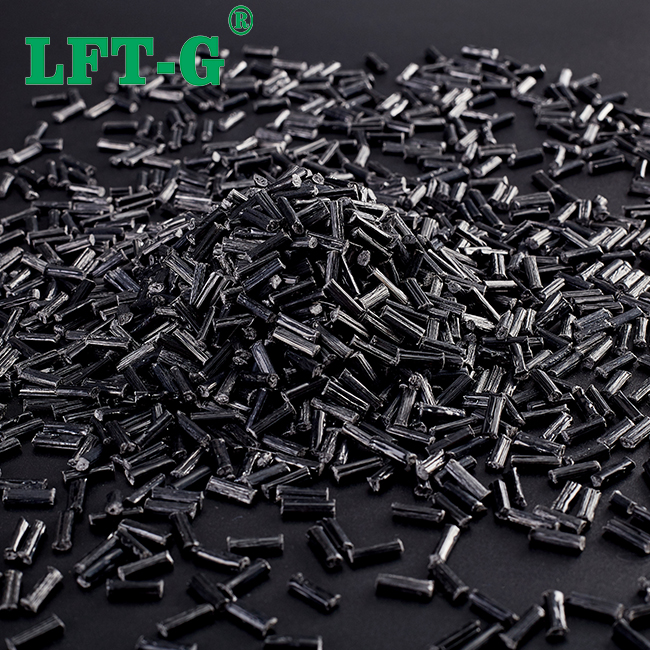
Long carbon fiber reinforced composites offer significant weight savings and provide optimum strength and stiffness properties in reinforced thermoplastics. The excellent mechanical properties of long carbon fiber reinforced company make it an ideal replacement for metals. Combined with the design and manufacturing advantages of injection molded thermoplastics, long carbon fiber composites simplify the re-imagining of components and equipment with demanding performance requirements. Its widespread use in aerospace and other advanced industries makes it a "high-tech" perception of consumers - you can use it to market products and create differentiation from competitors.


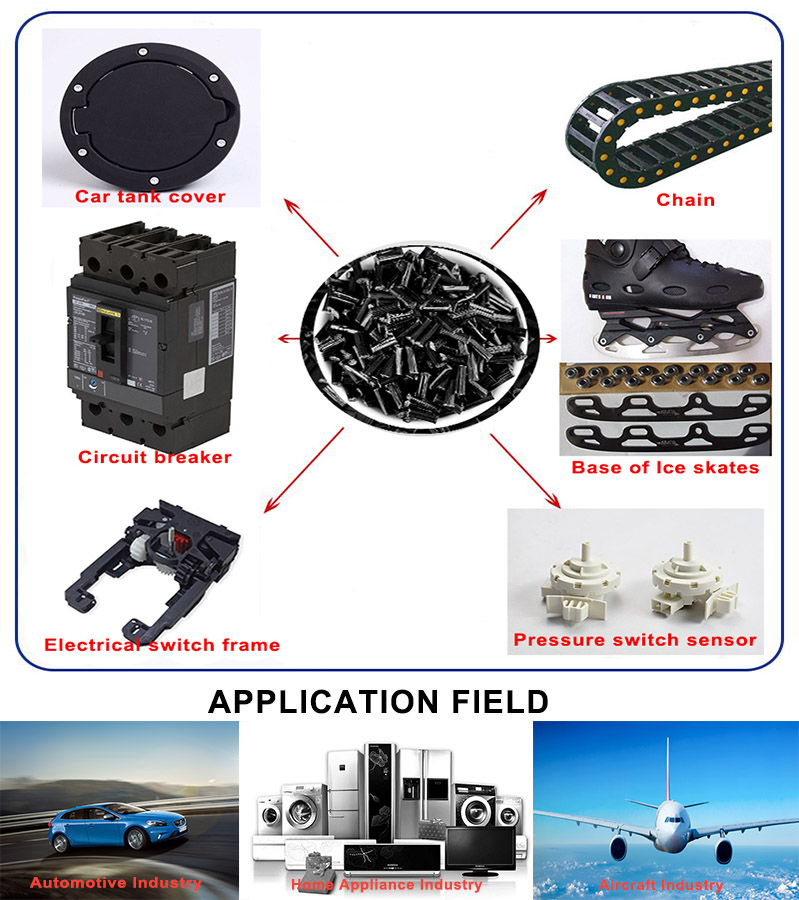
What is the application of PPA-LCF?


Suitable for high temperature, anti-static, high-strength components.

Other products can also ask for our advice. We have 24h 1V1 service for you.


Xiamen LFT composite plastic Co., ltd


Xiamen LFT composite plastic Co., Ltd. is a brand-name company that focuses on LFT&LFRT. Long Glass Fiber Series (LGF) & Long Carbon Fiber Series (LCF). The company's thermoplastic LFT can be used for LFT-G injection molding and extrusion, and can also be used for LFT-D molding. It can be produced according to customer requirements: 5~25mm length.


The company's long-fiber continuous infiltration reinforced thermoplastics have passed ISO9001&16949 system certification, and the products have obtained lots of national trademarks and patents. In particular, the carbon fiber LFT series produced by our company has broken the technical blockade of foreign countries. For domestic: automotive, military parts, firearms, aerospace, new energy, sports equipment and other fileds require high-performance thermoplastic special engineering plastics. And other new technology innovation industries provide product and technical support.


Send a Message

If you have any problem when using the website or our products, please write down your comments or suggestions, we will answer your questions as soon as possible!Thank you for your attention!

If you have questions or suggestions,please leave us a message,we will reply you as soon as we can!

related products
China OEM MXD6 injection machine fiber glass mxd6 granules polymer Supplier
MXD6 injection machine fiber glass mxd6 granules polymer
MXD6 injection machine fiber glass mxd6 granules polymer which one is made in ourself factory.
MXD6 enhance materials
High barrier nylon material MXD6 filling long glass fiber
Black color TPU reinforced polymer injection grade
Thermoplastic TPU LCF carbon fiber pellets for lightweight structural parts
MXD6 Nylon PA Glass
MXD6 injection machine fiber glass mxd6 granules polymer
MXD6 injection machine fiber glass mxd6 granules polymer which one is made in ourself factory.
Black color TPU reinforced polymer to make robot arms
LFT TPU long carbon fiber composite materials to make robot arms
MXD6 GF
High Mechanical Properties Nylon MXD6 Long Glass Fiber Polymer Pellets
With its unique balance of strength, barrier performance, and stability, MXD6-LGF is the ideal solution for demanding applications.
PP-NA-LGF
PP reinforced long glass fiber high mechanical properites
.card { background:#ffffff; border:1px solid #eaeaea; border-radius:14px; padding:22px; margin-bottom:20px; transition:all 0.3s ease; box-shadow:0 2px 10px rgba(0,0,0,0.04); } .card:hover { transform:translateY(-6px); box-shadow:0 10px 25px rgba(0,0,0,0.10); border-color:#cfead3; } h2 { color:#2f7d32; margin-bottom:12px; font-size:20px; } p, li { color:#666; font-size:15px; line-height:1.8; } ul { padding-left:20px; } .table { width:100%; border-collapse:collapse; margin-top:10px; } .table th, .table td { border:1px solid #e5e5e5; padding:10px; text-align:left; font-size:14px; } .table th { background:#f3f8f4; color:#2f7d32; } .cta-btn { display:inline-block; margin-top:10px; padding:12px 22px; background:#2f7d32; color:#fff; text-decoration:none; border-radius:8px; transition:0.3s; font-weight:bold; } .cta-btn:hover { background:#256428; } /* FAQ */ .faq { margin-top:10px; } .faq-item { border-bottom:1px solid #eee; } .faq-item input { display:none; } .faq-item label { display:block; padding:14px 0; cursor:pointer; font-size:15px; font-weight:bold; color:#2f7d32; position:relative; } .faq-item label::after { content:"+"; position:absolute; right:0; font-size:18px; } .faq-content { max-height:0; overflow:hidden; transition:all 0.3s ease; } .faq-content p { margin:0; padding:0 0 12px 0; color:#666; font-size:14px; line-height:1.7; } .faq-item input:checked ~ .faq-content { max-height:200px; } .faq-item input:checked + label::after { content:"−"; } Introduction to Long Glass Fiber Reinforced Homopolymer PP Long Glass Fiber Reinforced Homopolymer Polypropylene (PP-H LGF) is a high-performance thermoplastic composite designed to deliver excellent stiffness, improved impact strength, and cost efficiency while maintaining the lightweight nature of polypropylene. Composition and Structure PP-H LGF consists of a homopolymer polypropylene matrix reinforced with long glass fibers, enabling effective stress transfer and significantly enhanced mechanical performance compared to short fiber or mineral-filled PP. Key Features High Stiffness & Strength Excellent Cost-Performance Ratio Lightweight Material Improved Impact Resistance (vs. short fiber PP) Good Dimensional Stability Excellent Processability (Injection Molding) Typical Applications Automotive interior & structural parts Appliance housings Industrial equipment components Power tool housings Pallets & logistics components Our Working Process Customer Requirement Communication Material Selection & Technical Recommendation Sample Preparation & COA Support Order Confirmation & Delivery Technical Processing Support Technical Datasheet (PP-H LGF40%) Property Unit Value Tensile Strength MPa 135 Tensile Modulus GPa 8945 Flexural Strength MPa 189 Heat Deflection Temperature °C 159 Density g/cm³ 1.21 FAQ What is PP-H LGF? It is a homopolymer polypropylene reinforced with long glass fibers to improve mechanical strength and stiffness. What are the advantages of PP-LGF? It provides a balance of cost, lightweight properties, and improved mechanical performance over conventional PP. What is PP-H LGF used for? It is widely used in automotive, appliances, industrial parts, and logistics applications. Can PP-LGF replace metal? In many structural applications, it can replace metal due to its high stiffness-to-weight ratio. Is PP-H LGF suitable for injection molding? Yes, it is specifically designed for injection molding of structural components. Need Technical Support for PP-H LGF Materials? Contact our engineering team for material selection guidance, processing recommendations, and technical datasheets. Contact About LFT-G Xiamen LFT Composite Plastic Co., Ltd. is a global manufacturer of long fiber reinforced thermoplastics (LFT), offering PP, PA6, PA66, PPA, PPS, TPU and other engineering plastics reinforced with long glass or carbon fibers. Our products are widely used in automotive, electrical, industrial, and new energy applications.
ABS-NA-LGF
Xiamen LFT-G ABS Acrylonitrile Butadiene Styrene long glass fiber reinforced for industrial use
What is ABS? 1. ABS plastic is a thermoplastic polymer structural material, mainly through propylene, butadiene and other chemical substances synthetic polymer material, also known as ABS resin, because of its good heat resistance, impact resistance, processing, so the use of a wide range. 2. Because ABS plastic is very hard, it has strong impact resistance, scratch resistance, dimensional stability and other properties, and has the characteristics of moisture, corrosion resistance, easy processing, etc., it is an ideal material. 3. ABS material also has good light transmission, compared with the same transparency of acrylic, although it has better toughness, the price is relatively high, and the color is not more than the color of acrylic, generally beige, black, transparent three colors. 4. ABS material is also very environmentally friendly, due to the use of environmentally friendly chemicals, so non-toxic and odorless, but also with electrical insulation, is a very safe material. 5. ABS material is easy to deform in a high temperature environment, and the deformation temperature is 93-118 degrees Celsius, but it performs very well in a low temperature environment, so it is also a high temperature resistant material. What Are the Advantages of ABS Plastics? ABS has some major advantages as a general-purpose engineering material. Below is a brief list of some of ABS plastic's advantages: ABS is inexpensive and plentiful, coming in many colors, material characteristics, and forms (pellets, tubes, bar, filament, etc.). ABS is sturdy, lightweight, and ductile, being easily machined but retaining good resistance to chemicals, impacts, and abrasions. ABS is more heat-resistant than other thermoplastics in its weight class and can withstand multiple cycles of heating/cooling, making it a fully recyclable plastic. ABS can achieve a highly attractive finish and is readily paintable. ABS has low heat and electrical conductivity. Compared with PLA Acrylonitrile Butadiene Styrene (ABS) was first patented in 1948 and commercialized in 1954 by the Borg-Warner Corporation. It is an amorphous thermoplastic polymer where the molecular structure is disordered. ABS is commonly manufactured via the polymerization of styrene and acrylonitrile. ABS is a tougher plastic than PLA. It can be used for applications that require significant strength and impact resistance. The Advantages of ABS Compared to PLA? ABS has a higher glass transition temperature than PLA. ABS is generally tougher than PLA. It can withstand impact loads and has better abrasion resistance.  PLA vs. ABS: Applications Comparison PLA is not widely used for typical consumer and industrial applications. It is mostly used for 3D printing in hobbyist applications or prototyping but has found some applications in the biomedical industry. ABS, on the other hand, is used as an engineering plastic across almost every industry. It is preferred for applications requiring toughness and impact resistance. PLA vs. ABS: Part Accuracy Comparison PLA is a very easy material to 3D print and it produces parts that are dimensionally stable. ABS, on the other hand, tends to warp easily during printing. PLA vs. ABS: Speed Comparison Both PLA and ABS can print at rates from 45 to 60 mm/s.  PLA vs. ABS: Surface Comparison 3D-printed PLA and ABS have the common FDM (Fused Deposition Modeling) surface finish with visible layer lines. However, ABS can be vapor smoothed with solvents like acetone while PLA must be hand sanded for optimal surface finish. The vapor smoothing process melts the surface, giving it a smooth and homogeneous finish. PLA vs. ABS: Heat Resistance Comparison PLA has poor heat resistance when compared to ABS. PLA will begin to soften at 60 °C whereas ABS does not begin to soften until 105 °C.  PLA vs. ABS: Biodegradability Comparison PLA is a bioplastic and biodegradable under the correct conditions. Unfortunately, these conditions are only present in industrial composting facilities. The required conditions include high temperatures and exposure to specific microbial environments. PLA can take up to 80 years to fully decompose in nature. ABS, on the other hand, is not biodegradable and can take hundreds of years to fully decompose.  PLA vs. ABS: Toxicity Comparison PLA is generally recognized as safe and non-toxic after printing. During printing, PLA releases VOCs (Volatile Organic Compounds). As such, it is not recommended to print PLA in an unventilated area. However, these VOCs are low in concentration and ventilation is just an added precaution. ABS contains no known carcinogens and has no adverse health effects once printed. However, ABS also releases dangerous VOCs and nanoparticles (UPFs) during printing, far more than is the case with PLA. As such, it is advised to cover printers with a hood and to utilize a ventilation duct. PLA vs. ABS: Cost Comparison PLA and ABS are among the lowest-cost materials used in 3D printing. Both can be pu...
newsletter

-- get updates with latest topics

Copyright © 2015-2026 Xiamen LFT composite plastic Co.,ltd..All Rights Reserved.

Home

Products

News

contact