e-mail
 English
 français
 Deutsch
 русский
 italiano
 español
 português
 العربية
 日本語
日本語 한국의
한국의 中文
中文


-
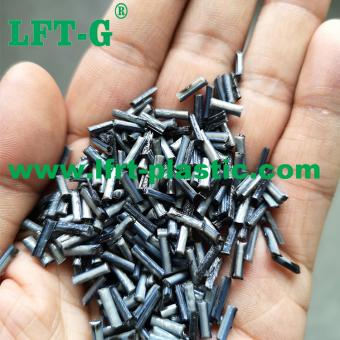
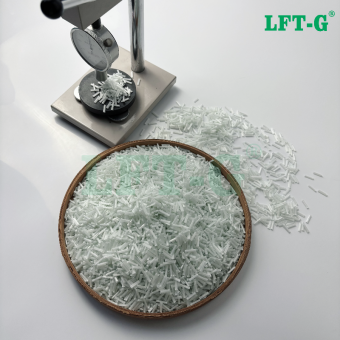
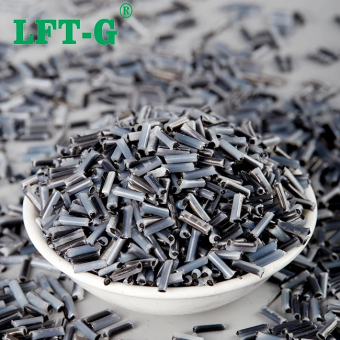
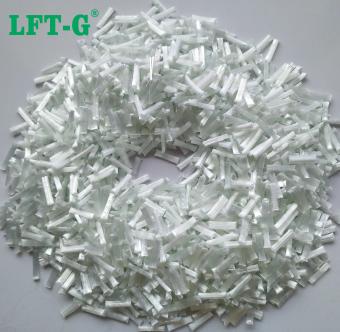
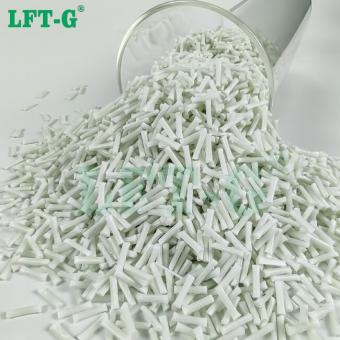
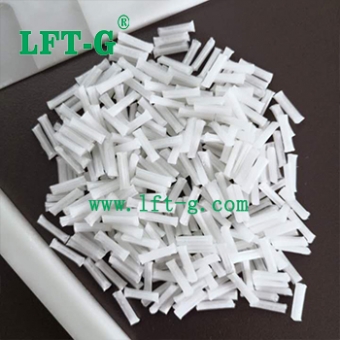
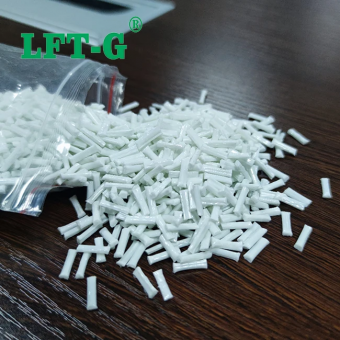
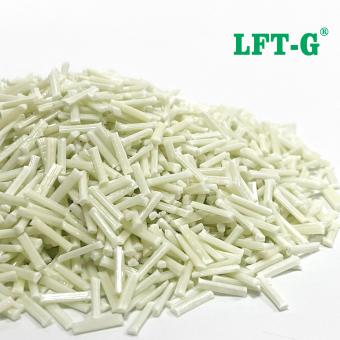
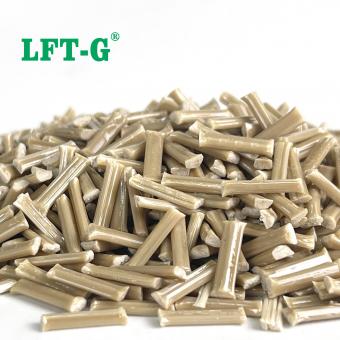
LFT-G PEEK high quality modified materials fill long carbon fiber for automotives good performanceThroughout the plastics industry, PEEK is widely recognized as a leading high performance polymer (HPP). However, the preferred material in the automotive, aerospace, oil and gas, and medical device industries has long been metal, and PEEK polymers are rapidly changing that mindset. What is the PEEK material PEEK or Polyetheretherketone belongs to the class of polymers known as "aromatic polyketones" (more accurately Polyaryletherketone or PAEK). Research and development of PEEK began in the 1960s, but it wasn't until 1978 that Imperial Chemical Industries (ICI) patented PEEK, and Victrex PEEK polymer was first commercialized in 1981. "Aromatic" usually implies a distinctive or sweet flavor, which may seem like an odd term, but scientists use it to describe certain molecules that contain or consist of a cyclic structure (such as the aryl unit above). Small molecules of this type, such as toluene and naphthalene, have distinctive odors and hence the name. However, PEEK itself, like most thermoplastics, is odorless under normal conditions. Chemically, PEEK is primarily a linear semi-crystalline polymer. P comes from the Greek word "poly" meaning "many", so many EEKs form PEEK. aryl and ketone groups provide stiffness by being somewhat rigid, which means good mechanical properties and a high melting point. The ether group provides a degree of flexibility, while the aryl and ketone groups are chemically inert and thus chemically resistant. The regular structure of the repeating units means that the PEEK molecule can be partially crystallized and the crystallinity provides properties such as wear resistance, creep resistance, fatigue resistance and chemical resistance. The resulting polymer is widely recognized as one of the best performing thermoplastics in the world. Compared to metals, PEEK-like materials are lightweight, easy to mold, corrosion-resistant, and have a fairly high specific strength (strength per weight). Datasheet for reference When high performance is required, PEEK as the polymer of choice offers more than just two or three properties, it offers a wide range of excellent properties including: - High heat resistance Testing has shown that LFT-G's PEEK polymer has a continuous use temperature of 260°C (500°F). This allows for a wide range of applications in hot corrosive environments such as the process industry, oil and gas industry, and the engines and transmissions of countless vehicles.PEEK resists friction and wear in dynamic applications such as thrust washers and seals. - Chemically Inert PEEK resists damage caused by chemically corrosive working environments such as downhole environments in the oil and gas industry, and gears in mechanical and automotive applications. It is resistant to jet fuels, hydraulic fluids, de-icers and pesticides used in the aerospace industry for a wide range of pressures, temperatures and time frames. - Strong mechanical properties PEEK exhibits excellent strength and stiffness over a wide range of temperatures, and the specific strength of PEEK-like carbon fiber composites is many times higher than that of metals and alloys. "Creep" is the permanent deformation of a material under constant stress over a period of time. "Fatigue" is the brittle destruction of a material under repeated cyclic loading. Because of its semi-crystalline structure, PEEK has high creep and fatigue resistance and is more durable than many other polymers and metals over a long service life. - Does not ignite or burn easily PEEK has excellent flame resistance, with an ignition temperature of nearly 600°C. Even when ignited at very high temperatures, it does not burn continuously and emits little smoke. This is one of the reasons why PEEK is widely used in commercial aircraft. - Reprocessable and recyclable PEEK molecules are so stable that they can be melted and reprocessed time and time again with minimal impact on their properties. This helps to improve the environmental footprint and ensures more efficient reuse of waste materials generated during the manufacturing process. - And there's more! PEEK is also non-hygroscopic, so its properties are not altered in wet environments; it is resistant to gamma and electron beam radiation and is transparent under X-ray exposure, making it attractive for medical device applications.PEEK is also electrically stable and is typically used as an electrical insulator, but can be modified to become a conductor or static dissipative material. As a thermoplastic PEEK, it can be injection molded, compression molded and extruded using conventional thermoplastic processing equipment. It is very versatile and its use is becoming more and more common to improve component performance, durability, reduce weight and lower overall system costs over its lifetime. There is no doubt that it is replacing metals and alloys. In many industries and critical environments, material specialists, part designers and buyers must choose between PEEK and traditional metals a...
- High performancePEEK fiiler lcf
- Injection molded PEEK good price
- composite plastic peek black color
- made in China peek reinforced materials
- aerospace automotive parts plastic
- Low warpage PPS reinforced long carbon fiber
Tags :
-
LFT-G PEEK high quality modified materials fill long carbon fiber for automotives good performanceThroughout the plastics industry, PEEK is widely recognized as one of the leading high-performance polymers (HPP). While metals have traditionally dominated industries such as automotive, aerospace, oil & gas, and medical devices, PEEK materials are rapidly transforming the market with lightweight and high-strength alternatives. What is PEEK Material? PEEK (Polyether Ether Ketone) belongs to the family of aromatic polyketone polymers, also known as Polyaryletherketone (PAEK). It is one of the world's most advanced thermoplastic engineering materials. Research on PEEK began in the 1960s, and the material was first commercialized by Imperial Chemical Industries (ICI) in 1981. Chemically, PEEK is a semi-crystalline linear polymer that combines excellent mechanical strength, high heat resistance, chemical resistance, wear resistance, and dimensional stability. Compared with traditional metals, PEEK materials are lightweight, corrosion-resistant, easy to process, and offer exceptional specific strength (strength-to-weight ratio). Datasheet for Reference Key Advantages of PEEK High Heat Resistance Continuous operating temperature up to 260°C (500°F), suitable for extreme thermal environments. Chemical Resistance Resistant to fuels, oils, hydraulic fluids, solvents, and harsh chemical environments. Mechanical Strength Excellent stiffness, fatigue resistance, and creep resistance over long service life. Flame Resistance High ignition temperature with low smoke emission, widely used in aerospace applications. Recyclable & Reprocessable Can be repeatedly melted and processed with minimal property loss. Electrical Stability Excellent electrical insulation properties, with optional conductive modifications available. PEEK is also non-hygroscopic, radiation resistant, and transparent under X-ray exposure, making it ideal for medical and electronic applications. As a thermoplastic engineering material, PEEK can be processed by injection molding, extrusion, and compression molding using conventional equipment. Today, PEEK is increasingly replacing traditional metals and alloys in demanding applications where lightweight structures, durability, and long-term reliability are required. Applications PEEK materials are widely used in: Automotive components Aerospace structures Oil & gas equipment Medical devices Electrical and electronic applications Industrial machinery parts Contact us for additional application solutions and customized material recommendations. Production Processing Injection molding is one of the most common methods for manufacturing PEEK plastic components. During injection molding, molten PEEK material is injected into a mold cavity under high pressure. After cooling and solidification, the finished part is ejected from the mold. This process enables the production of complex, thin-wall, high-precision components with excellent surface finish and dimensional stability. Certifications ISO9001 / IATF16949 Quality Management Certification National Laboratory Accreditation Certificate Modified Plastics Innovation Enterprise REACH & ROHS Heavy Metal Testing Xiamen LFT-G Factory Production Capacity: 500 tons/month Packing: 20kg/bag About Us Xiamen LFT Composite Plastic Co., Ltd. was established in 2009 and specializes in long fiber reinforced thermoplastic materials. The company integrates R&D, production, and global sales of advanced engineering plastics, including long glass fiber and long carbon fiber reinforced composites. Our products are widely used in automotive, aerospace, new energy, industrial equipment, medical devices, and sports applications. ```view more