• share :

  • facebook
  • y
  • t
  • instagram
  • in
Products
Home /

Long Carbon fiber Polymer

/

Long carbon fiber Reinforced Polyphenylene sulfide PPS

/LFT-G Polyphenyl sulfide fill Long Carbon Fiber Polymer PPS

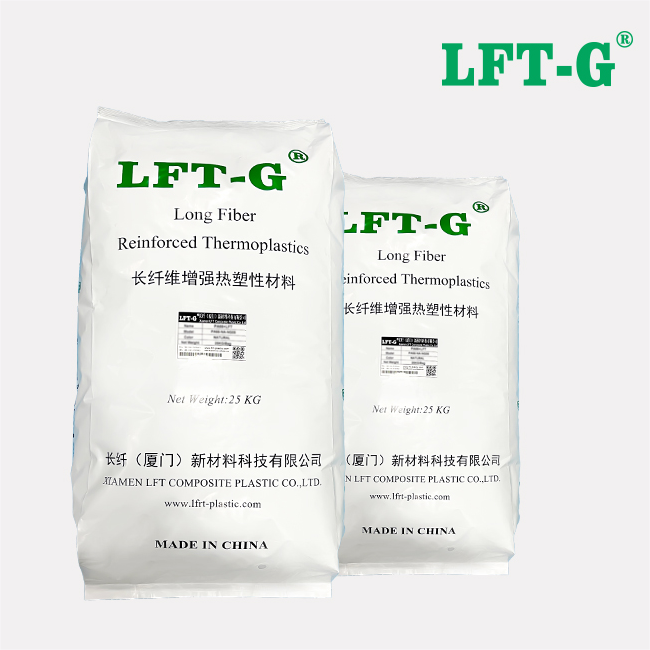
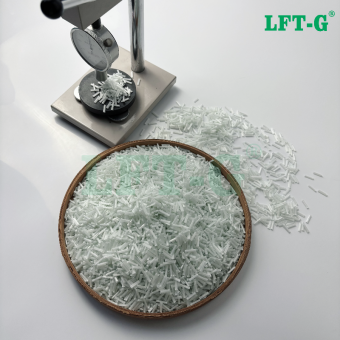
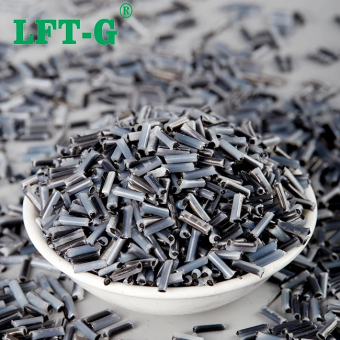
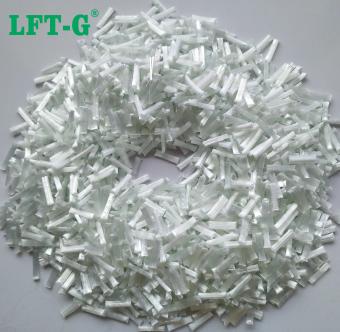
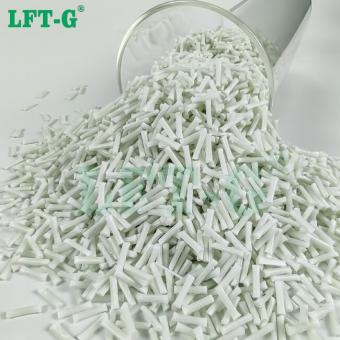
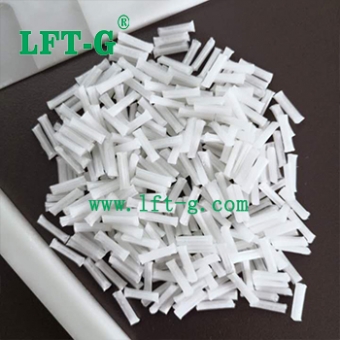
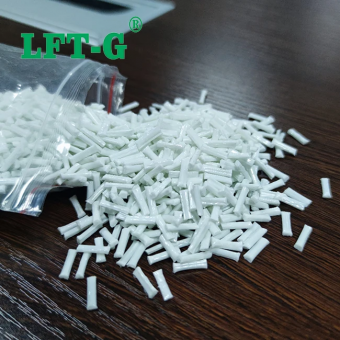
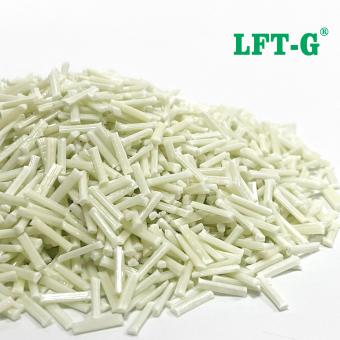
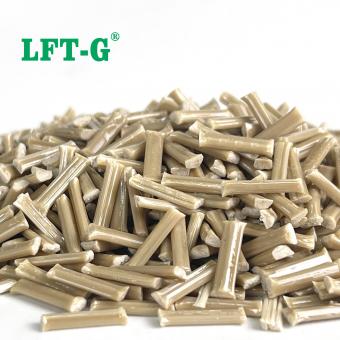
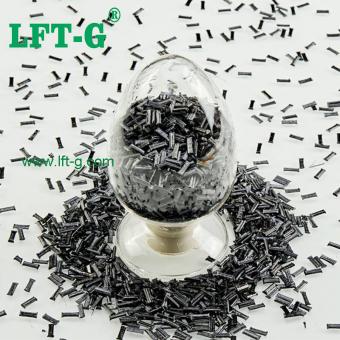
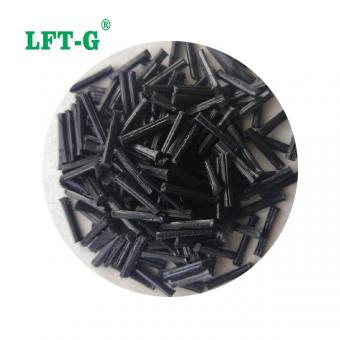
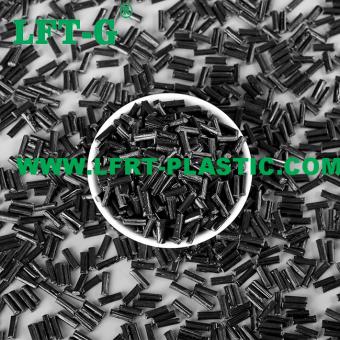
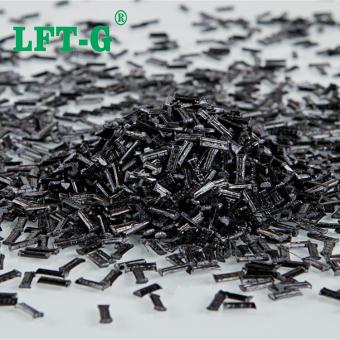
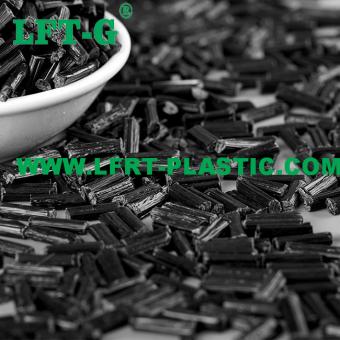
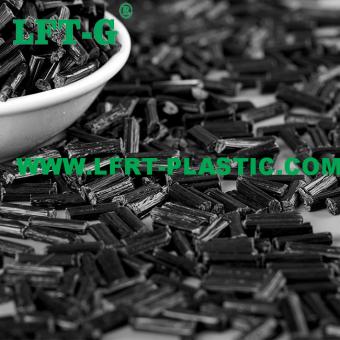
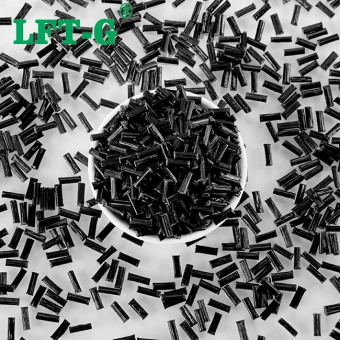
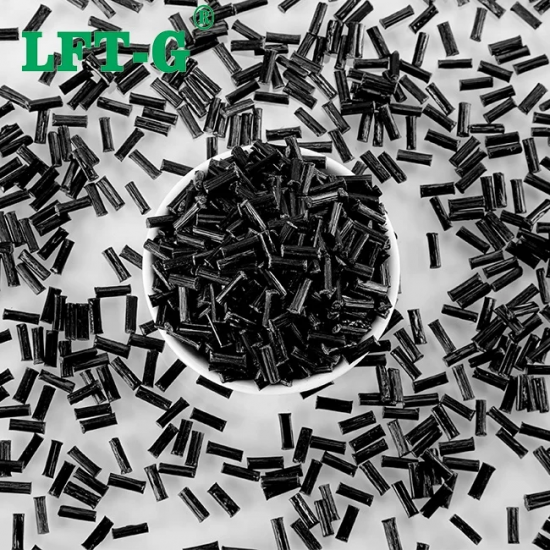
LFT-G Polyphenyl sulfide fill Long Carbon Fiber Polymer PPS

Polyphenylene sulfide is a new functional engineering plastic.
  • item no.:

    PPS-NA-LCF
  • Payment:

    T/T or L/C (other payment ways also can be di
  • product origin:

    Xiamen, China
  • Color:

    Original color (also can be customized)
  • shipping port:

    Xiamen, China
inquiry now
Product Detail

Polyphenylene Sulfide (PPS) Material Guide

Polyphenylene Sulfide (PPS) is a high-performance engineering thermoplastic with outstanding thermal stability, chemical resistance, dimensional stability, and electrical properties. PPS is widely used in automotive, electrical and electronic, industrial, lithium battery, and environmental protection applications.

PPS Information

The relative density of PPS is approximately 1.36. It is typically supplied as a white powder or pelletized resin with high crystallinity, excellent rigidity, and inherent flame resistance.

PPS is available in both low molecular weight and high molecular weight grades. High molecular weight PPS can be directly processed into plastic products, while some conventional PPS grades require reinforcement or modification through glass fibers, mineral fillers, or carbon fibers to achieve optimal performance.

Polyphenylene Sulfide PPS Resin

PPS contains a highly symmetrical molecular structure composed of alternating benzene rings and sulfur atoms, resulting in excellent crystallinity and exceptional engineering performance.

With a melting temperature around 280°C, PPS is considered one of the highest-performance engineering plastics and is often used as a metal replacement material.
PPS Characteristics

1. High Mechanical Performance

  • High rigidity and hardness
  • Fast crystallization rate
  • Excellent processability
  • Short molding cycle

2. Outstanding Heat Resistance

  • Melting point: 275–291°C
  • Heat deflection temperature up to 260°C (glass fiber reinforced)
  • Continuous use temperature: 200–240°C
  • Excellent long-term thermal stability

3. Excellent Wear Resistance

  • High stiffness
  • Superior creep resistance
  • Excellent fatigue resistance
  • Outstanding wear performance

4. Superior Chemical Resistance

  • Resistant to most acids, alkalis, and salts
  • Virtually insoluble in organic solvents below 200°C
  • Comparable corrosion resistance to PTFE
  • Excellent UV and radiation resistance

5. Low Water Absorption

  • Water absorption approximately 0.008%
  • Excellent dimensional stability
  • Low molding shrinkage
  • Suitable for precision components

6. Excellent Electrical Properties

  • High insulation resistance
  • Low dielectric constant
  • Excellent SMT soldering resistance
  • Ideal for electronic connectors and electrical components

7. Excellent Processability

  • Low melt viscosity
  • Good flowability
  • Excellent fiber wetting characteristics
  • Suitable for reinforced compounds

8. Strong Adhesion Properties

  • Excellent adhesion to glass
  • Excellent adhesion to aluminum
  • Excellent adhesion to stainless steel
PPS Material Characteristics

PPS Applications

Automotive Industry

PPS is widely used in electric drive systems, engine compartments, fuel systems, brake systems, cooling systems, lighting systems, and electronic control units. It provides excellent heat resistance, chemical resistance, and lightweight performance while replacing metal components.

Residential Equipment and Precision Machinery

Glass fiber reinforced PPS is commonly used in water heaters, pumps, gears, bearings, office equipment, printers, and copiers due to its excellent dimensional stability and wear resistance.

Electrical and Electronic Components

PPS naturally achieves UL94 V-0 flame retardancy without additional flame retardants. Typical applications include connectors, sockets, switches, sensors, and SMT electronic components.

Industrial and Chemical Equipment

Modified PPS compounds reinforced with glass fiber, mineral fillers, or carbon fiber are widely used in industrial pumps, valves, seals, and corrosion-resistant equipment.

Lithium Battery Applications

PPS offers excellent thermal stability, insulation performance, and dimensional stability, making it suitable for battery modules, battery pack components, insulation structures, and electrical connectors.

Environmental Protection Industry

PPS fibers are extensively used in high-temperature filtration systems and dust collection bags for power plants, steel plants, cement plants, and waste incineration facilities.
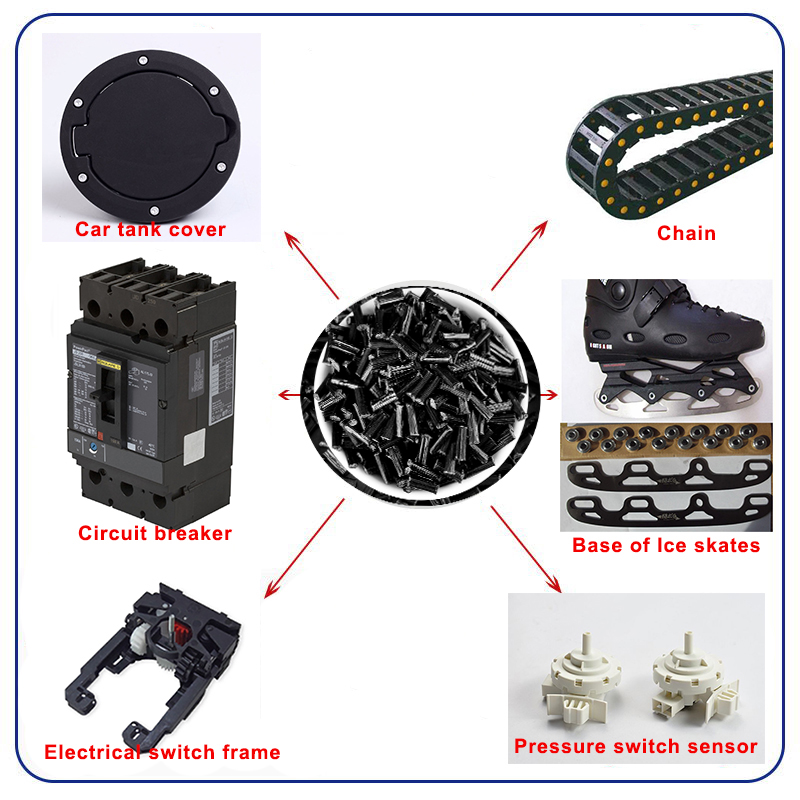
PPS Application Fields

Product Details

Model MOQ Sample Package
PPS-NA-LGF40 20 KG Available 20 KG/Bag
Port of Loading Lead Time Color Pellet Length
Xiamen Port 7-15 Days Customized 5-25 mm
PPS Material Data Sheet

About Xiamen LFT Composite Plastics Co., Ltd.

Xiamen LFT Composite Plastics Co., Ltd. is a global manufacturer specializing in long fiber reinforced thermoplastic materials. Established in 2009, the company integrates R&D, production, sales, and technical support services.

Our product portfolio includes Long Glass Fiber Reinforced (LGF) and Long Carbon Fiber Reinforced (LCF) compounds based on PP, PA6, PA66, PPA, PPS, TPU, PEEK, ABS, PBT, and other engineering plastics.

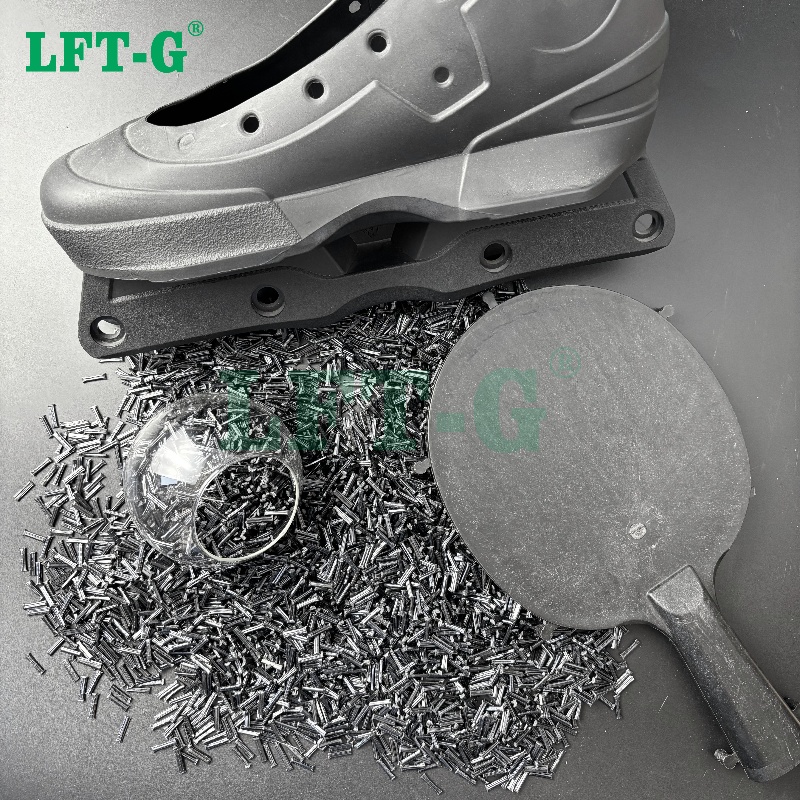
Applications cover automotive components, aerospace, new energy vehicles, battery systems, electrical equipment, industrial machinery, medical devices, wind power, and sports equipment.

With manufacturing facilities in Xiamen and technical support offices across China, Xiamen LFT provides customized material solutions, stable supply capability, and professional engineering support to customers worldwide.
Xiamen LFT Composite Plastics Factory
Send a Message

If you have any problem when using the website or our products, please write down your comments or suggestions, we will answer your questions as soon as possible!Thank you for your attention!

If you have questions or suggestions,please leave us a message,we will reply you as soon as we can!

related products
PPS resin with Long carbon fiber
Long carbon fiber Reinforced Poly(phenylene sulfide) PPS
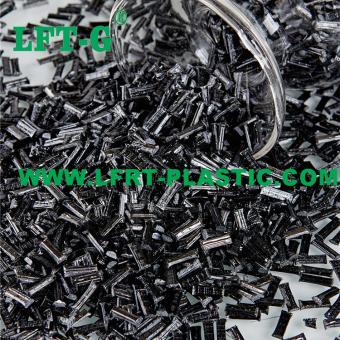
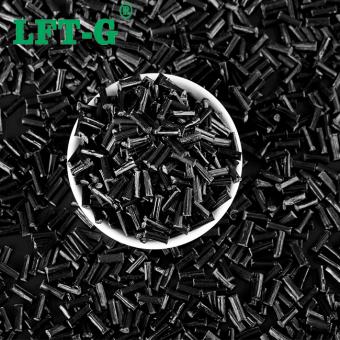
Long carbon fiber Reinforced Poly(phenylene sulfide) PPS was prepared by impregnating and melting long carbon fiber with Poly(phenylene sulfide) PPS.
Resin of PPS Polyphenylene add carbon fiber
Poly(phenylene sulfide) PPS Toughness long carbon fiber
Long carbon fiber Reinforced Poly(phenylene sulfide) PPS was prepared by impregnating and melting long carbon fiber with Poly(phenylene sulfide) PPS.
China OEM carbon fill pps injection mold pps resin price recycle granules Supplier
carbon fill pps injection mold pps resin price recycle granules
carbon fill pps injection mold pps resin price recycle granules which one is made in ourself factory.The production is very cheap and the quality is very high.
pps long carbon fiber thermoplasitc low price tpu granules pellets
PPS long carbon fiber extrusion molding manufactory price
pps long carbon fiber thermoplasitc injection and extrusion.
PPS-NA-LCF30
Polyphenyl sulfide pps filled 30% LCF flame retardant grade UL-94 heat resistance
Polyphenylene sulfide is a new functional engineering plastic.
PPS-NA-LCF40
LFT PPS Long Carbon Fiber compoosite material reinforced plastic lcf high toughness for cars
PPS-LCF materials Polyphenylene sulfide (PPS) is a linear semi-crystalline polymer with benzene ring and sulfur atoms composed of molecular main chain, its melting point is about 280℃, and has many excellent characteristics, with a series of excellent properties, such as excellent mechanical properties, chemical stability, solvent resistance, flame retardant, and has good processing and molding properties. As a kind of special engineering plastic with the largest output at present, the market application foundation is mature. In addition, in the molding process, pultrusion molding, injection molding, molding and other methods can be processed. By reinforcing PPS resin with carbon fiber, excellent mechanical properties and heat resistance composites can be prepared. At present, PPS fiber reinforced composites have been widely used in the aerospace field. Tencate Company of the United States uses PPS resin of Fortron brand of Ticona company of Germany to produce carbon fiber /PPS composites based on fabric hot pressing molding method. The material is used in Airbus A340 and A380 aircraft wing main edge, A340 aircraft aileron structure, Fokker50 aircraft landing gear door stress rib and girder, G650 business aircraft tail, rudder and elevator components. Advantages Performance characteristics: ◊ receiving aerospace OEM specifications and receiving certification; ◊ excellent cost performance; ◊ Working temperature exceeding Tg according to the design requirements on parts; ◊ laminates can protect against lightning strike and electrochemical corrosion. ◊ inherent flame retardant ◊ excellent chemical stability and solvent resistance; ◊ Long-term storage at ambient temperature. Main applications: ◊ Major and minor aircraft structures: ◊ wing leading edge, engine tower, body splint structure, etc. ◊ aircraft interior structure: ◊ seat structure parts, trunk, etc ◊ On specific requirements on corrosion resistance, dimensional stability, and shock absorption on high-end industrial areas Application Production process Our team and customers Come and contact us!
PPS-NA-LCF30
LFT-G PPS Polyphenylene sulfide composite long carbon fiber thermoplastic resin original color 12mm
PPS Special engineering plastics are engineering plastics with higher overall performance and long-term use temperature above 150℃, PPS is one of them. The carbon fiber reinforced special engineering composites formed by carbon fiber as the reinforcement and these special engineering plastics as the matrix have excellent mechanical properties, wear resistance and high temperature resistance, which can be used in aerospace, marine or medical fields, and in some aspects show more desirable application advantages than thermosetting resins or even metal materials. PPS-LCF Polyphenylene sulfide PPS resin strength and hardness are relatively high, good mechanical properties, adapt to a variety of molding and processing methods, you can achieve secondary precision molding, the dimensional stability of the product is better. Its moisture absorption rate of only 0.03%, low density, melt temperature Tm of 285 ℃, the glass transition temperature Tg of 90 ℃, thermal stability is very good, in the air state, to reach 430 ℃ -460 ℃ before decomposition, high flame retardant grade, 200 ℃ insoluble in most organic solvents, excellent electrical insulation. As a special engineering plastics, PPS advantages are outstanding, but defects also exist, for example, because of the large number of benzene ring to make its impact resistance and elongation is not good enough, but through the carbon fiber reinforced way, can further improve the performance of the material strength and thermal stability, so as to better show the value of the application of the material. Through the carbon fiber reinforced intervention, changing the original insulating properties of PPS into a conductive, anti-static properties, polyphenylene sulfide PPS toughness and strength can be substantially increased and improved, becoming one of the most commonly used composite materials in the aerospace field. It is used in aircraft landing gear, wings, hatches, fuel tank port covers, J-shaped nose cone, cabin interior trim and other components, not only to help increase the impact resistance, high temperature and corrosion resistance of these parts, more through the reduction in mass, to enhance the aircraft load efficiency and reduce fuel consumption. Compared with metal, this composite material has the advantages of low cost and easy processing, the cost can be reduced by 20-50 percent. High bonding must be maintained between the carbon fiber reinforcement and the PPS resin matrix. When the product is subjected to stress, this high bonding helps the interface to transfer the external load to the fibers effectively, which can effectively prevent cracks from debonding between the interfaces, in addition to enhancing the mechanical properties of the composite. To make the resin matrix and carbon fiber reinforcement between the formation of high bonding, we must make the molten state of PPS resin and carbon fiber reinforcement in full contact, full impregnation, so that the fiber body in the case of uniform dispersion to achieve good impregnation effect. Production process Application of PPS-LCF Xiamen LFT composite plastic Co., Ltd We will offer you: 1. LFT & LFRT material technical parameters and leading edge design 2. Mold front design and recommendations 3. Provide technical support such as injection molding and extrusion molding. About us
PPS-NA-LCF40
LFT-G PPS Polyphenylene sulfide composite long carbon fiber thermoplastic resin high rigidity and strength
PPS Information Polyphenylene sulfide (PPS) is not enhanced before modification, its disadvantages are brittle, poor toughness, low impact strength, after filling glass fiber, carbon fiber and other enhancements modified to overcome the above shortcomings, to obtain very good overall performance. PPS filling Long carbon fiber In the modified engineering plastics industry, long fiber reinforced composites are composites made from long carbon fibers, long glass fibers and polymer matrix through a series of special modification methods. The most important feature of long fiber composites is that they have superior performance that the original materials do not have. If we classify them according to the length of the reinforcing materials added, they can be divided into: long fiber, short fiber and continuous fiber composites. Long carbon fiber composites are one kind of long fiber reinforced composites, which are a new fiber material with high strength and high modulus. It is a new material with excellent mechanical properties and many special functions. Corrosion resistance: LCF carbon fiber composite materials have good corrosion resistance and can adapt to the harsh working environment. UV resistance: the ability to resist UV is strong, and the products are less damaged by UV. Abrasion and impact resistance: the advantage of comparing with general materials is more obvious. Low density: lower density than many metal materials, can achieve the purpose of light weight. Other properties: such as reducing warpage, improving rigidity, impact modification, increasing toughness, electrical conductivity, etc. LCF carbon fiber composites have higher strength, higher rigidity, lower weight, and excellent electrical conductivity compared with glass fiber. PPS TDS for reference PPS Application Other products you can also contact us for more technical advice. Q&A 1. Are carbon fiber composite products very expensive? The price of carbon fiber composite products is closely related to the price of raw materials, the level of technology and the number of products. The higher the performance of the raw material, the more expensive it is, such as the carbon fiber PEEK thermoplastic material used in orthopedics. Of course, the more complex the manufacturing process, the greater the working time and workload, and the increased production costs. However, the larger the order quantity, the lower the cost per product. In the long run, the superior performance of carbon fiber will extend the life of the product, reduce the number of maintenance, and is also very beneficial to reduce the cost of use. 2. Are carbon fiber composite products toxic? Carbon fiber composites are made of carbon fiber filaments mixed with ceramics, resins, metals and other substrates, and are generally not toxic. For example, the above-mentioned PEEK material is made of food-grade resin, which is very compatible with the human body and is not only harmless to humans, but also becomes a more ideal material for orthopedic surgery because of its high strength and elastic modulus close to the bone cortex. Carbon fiber medical bed plate, will be in daily contact with many patients body, will not have adverse effects on the human body, on the contrary, for the accuracy of medical diagnosis and a great help. 3. What is the difference between thermosetting carbon fiber composites and thermoplastic carbon fiber composites? Thermoset carbon fiber composites favor the role of curing agent in curing and molding. While thermoplastic carbon fiber composite products mainly rely on cooling down to achieve the shaping. Thermoplastic carbon fiber composites are not as popular as thermoset carbon fiber composites, mainly because they are expensive and are generally used in high-end industries. Thermoset carbon fiber composites are difficult to recycle due to the limitation of the resin matrix itself, and are generally not considered; thermoplastic carbon fiber composites can be recycled, and can be made twice as long as they are heated to a certain temperature. About us We will offer you: 1. LFT & LFRT material technical parameters and leading edge design 2. Mold front design and recommendations 3. Provide technical support such as injection molding and extrusion molding
newsletter

-- get updates with latest topics

Copyright © 2015-2026 Xiamen LFT composite plastic Co.,ltd..All Rights Reserved.

Home

Products

News

contact