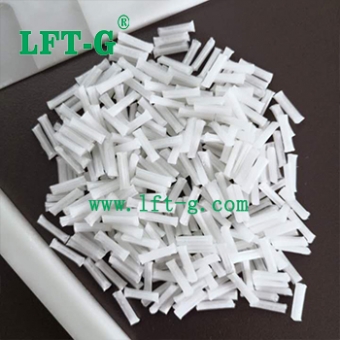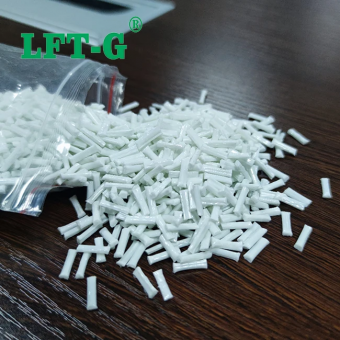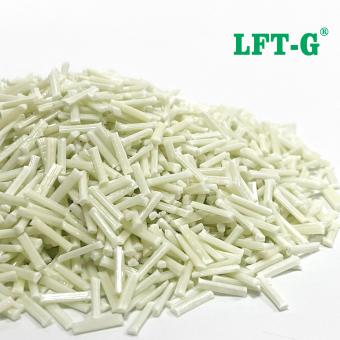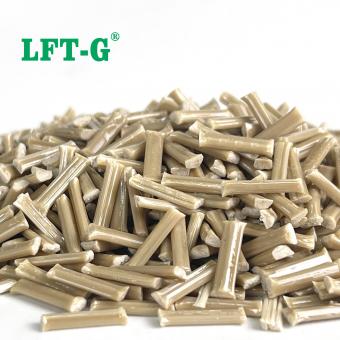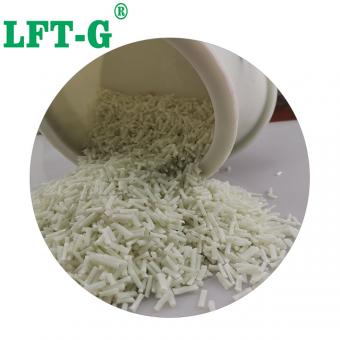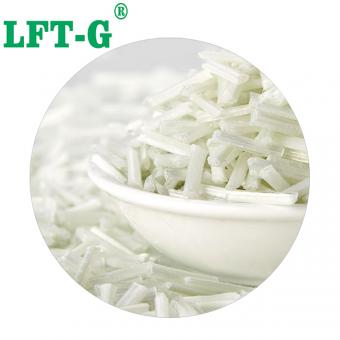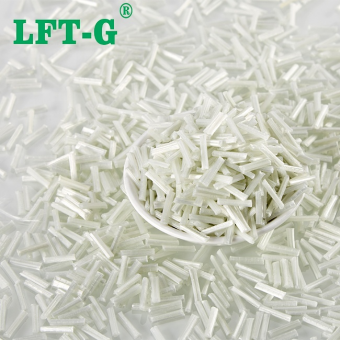
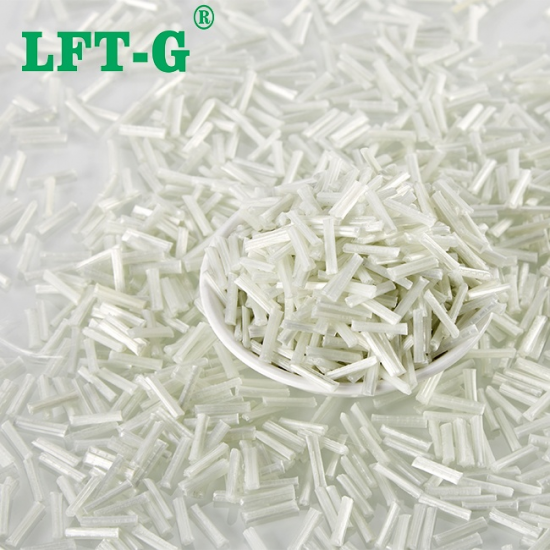
item no.:
TPU-NA-LGF20Payment:
T/T or L/C (other payment ways also can be diproduct origin:
Xiamen, ChinaColor:
Original color (also can be customized)shipping port:
Xiamen, ChinaTPU (Thermoplastic Polyurethane) is a thermoplastic elastomer that combines the processing characteristics of thermoplastics with the elasticity and flexibility of rubber. TPU is mainly classified into polyester-based and polyether-based types, with a wide range of hardness grades.
TPU is known for its excellent wear resistance, oil resistance, abrasion resistance, elasticity and good surface appearance. Depending on the grade, TPU can also offer good transparency, low-temperature flexibility and chemical resistance. It is widely used in consumer products, sporting goods, toys, automotive components, industrial parts and other applications.
Compared with conventional flexible PVC, halogen-free flame-retardant TPU can provide an alternative for applications where flexibility, flame retardancy and environmental requirements need to be considered together.
Key Characteristics of TPU
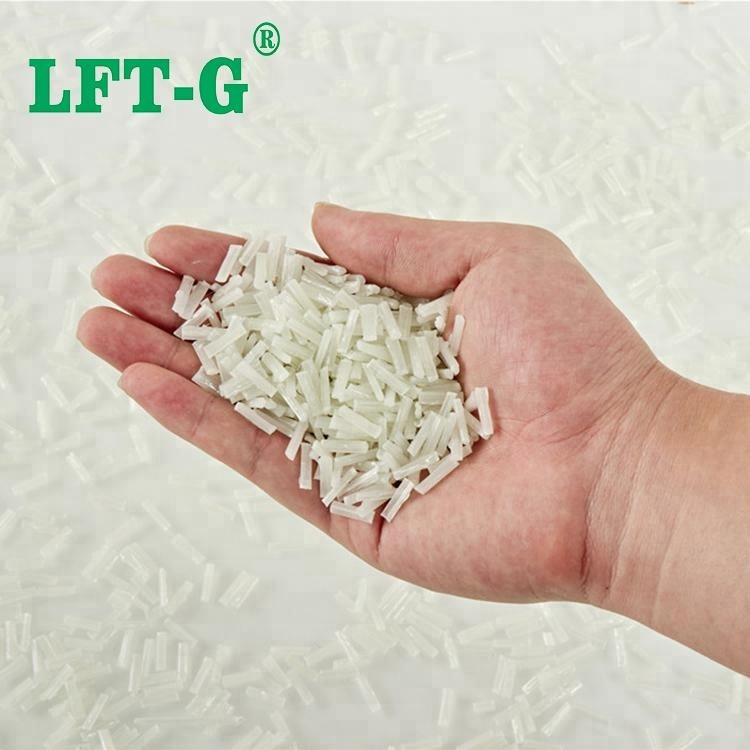
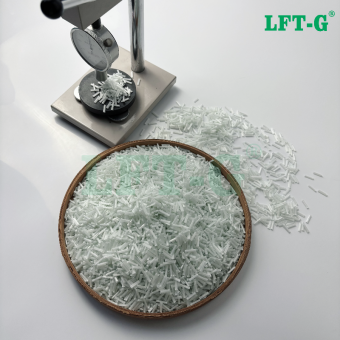
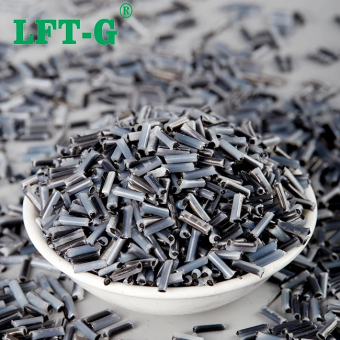
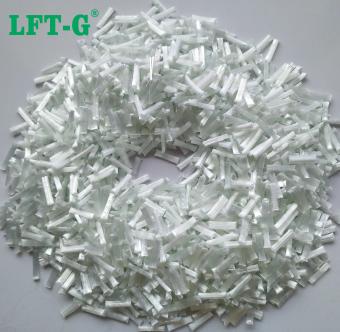
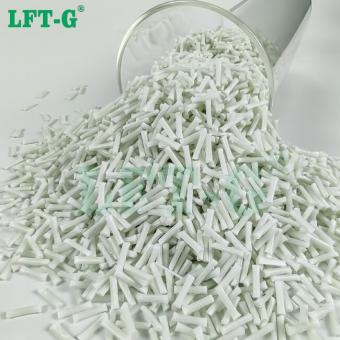
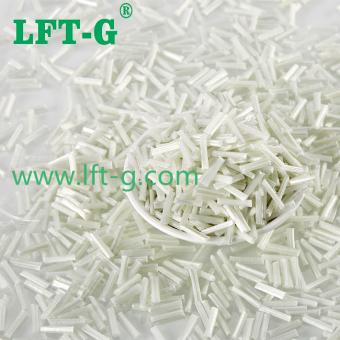
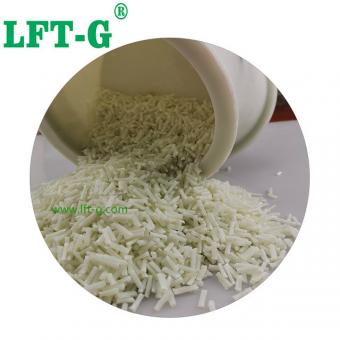
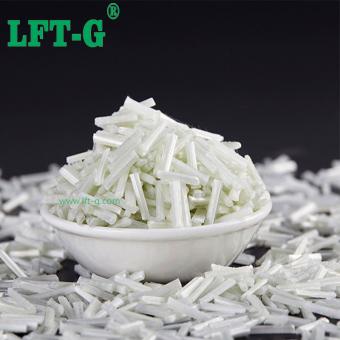
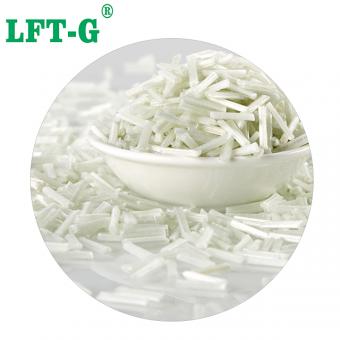
Unreinforced TPU offers excellent flexibility and toughness, but certain structural applications require higher stiffness, strength, dimensional stability and load-bearing capability. Long glass fiber reinforcement can help extend the performance range of TPU for these demanding applications.
In a long glass fiber reinforced TPU composite, the longer fibers form a reinforcing network within the polymer matrix. This structure can improve load transfer and provide enhanced mechanical performance compared with unreinforced TPU.
Depending on the formulation and fiber content, TPU-LGF can offer a balance of strength, stiffness, impact resistance, dimensional stability and durability while retaining some of the inherent advantages of the TPU matrix.
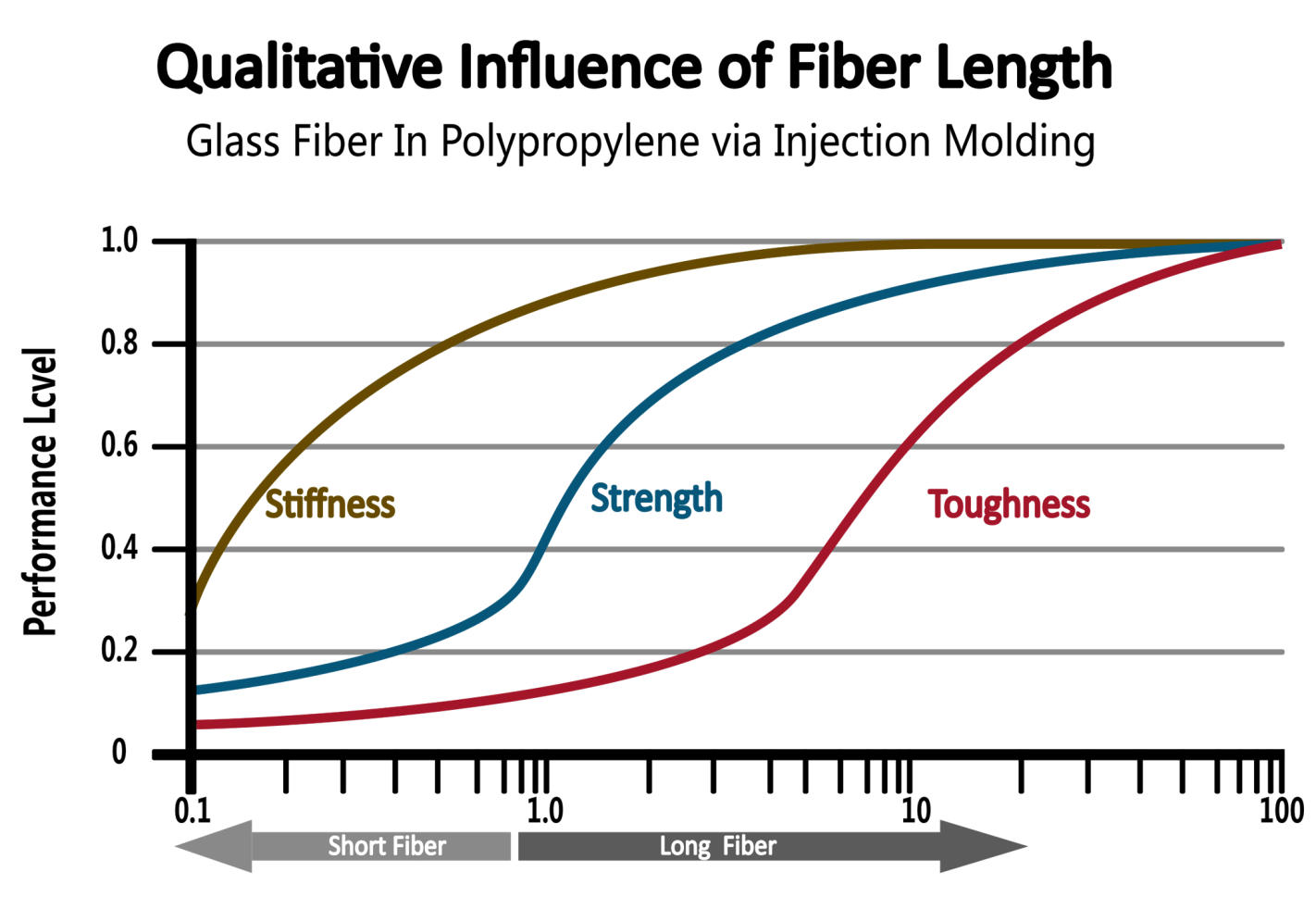
Compared with short glass fiber reinforcement, long glass fiber reinforcement can provide more effective fiber continuity and load transfer within the polymer matrix. The retained fiber length after processing is an important factor in the final mechanical performance.
The reinforcing fibers can form a more continuous internal structure, helping distribute external loads throughout the composite. This can contribute to improved tensile strength, flexural performance, impact resistance and dimensional stability.
The actual performance difference between LGF and SGF depends on fiber content, resin grade, processing conditions, fiber length retention and the specific test method. Material selection should therefore be based on the requirements of the final application.
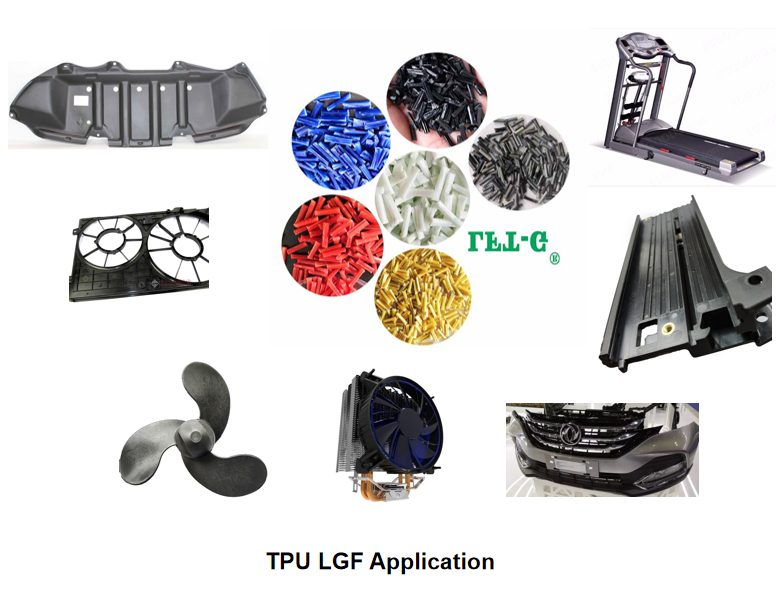
TPU-LGF can be considered for applications that require a combination of toughness, flexibility and enhanced structural performance, including:
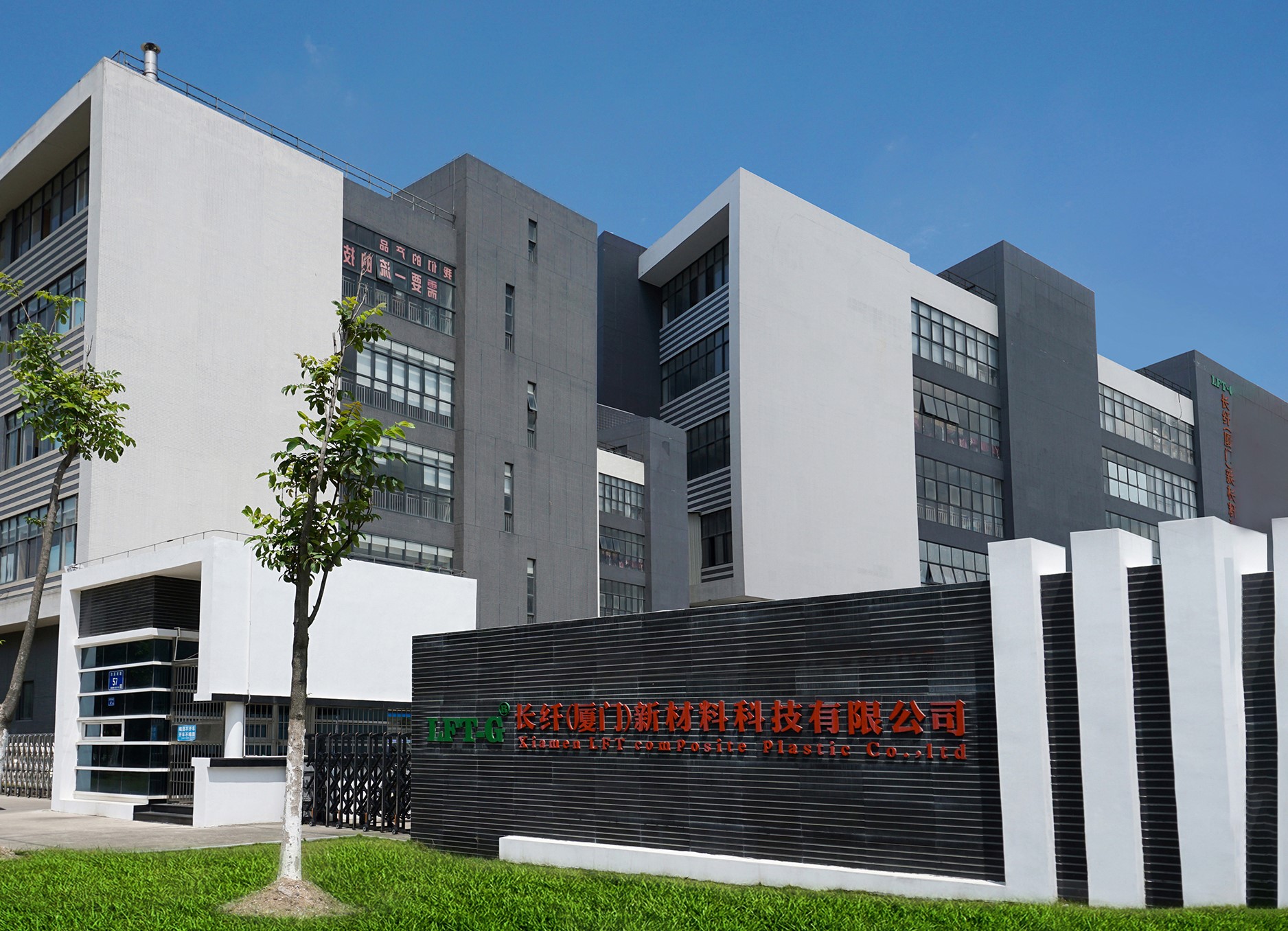
Xiamen LFT Composite Plastics Co., Ltd. specializes in long fiber reinforced thermoplastics, including Long Glass Fiber (LGF) and Long Carbon Fiber (LCF) reinforced materials.
Our LFT materials are suitable for LFT-G injection molding, extrusion and LFT-D molding. Pellet length can be customized according to customer requirements and application needs, with available lengths ranging from approximately 5–25 mm.
We provide customized long fiber reinforced thermoplastic solutions for different mechanical, thermal, electrical and processing requirements, supporting applications across automotive, industrial, electrical and other demanding sectors.
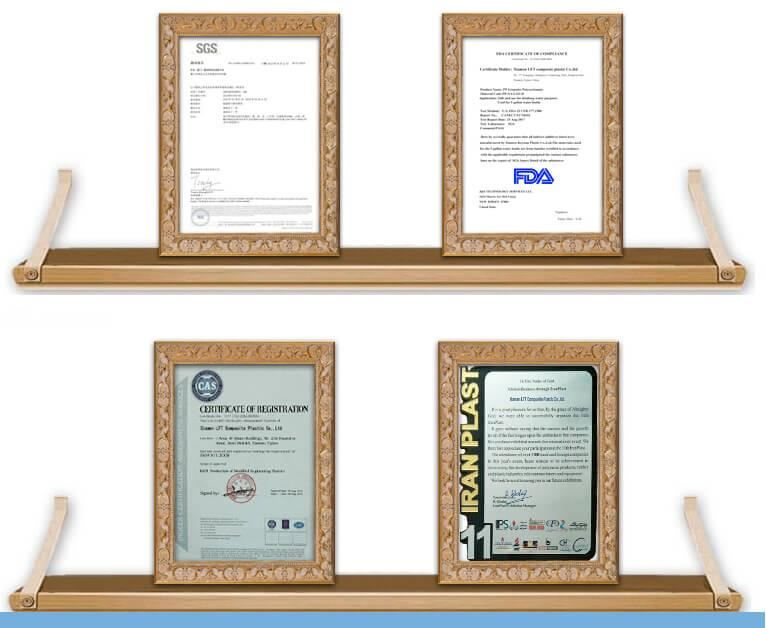
Send us your product drawing, application details or current material grade. Our technical team can help evaluate the material requirements and recommend a suitable long glass fiber reinforced TPU grade.
follow us :


-- get updates with latest topics

 e-mail
 English
 français
 Deutsch
 русский
 italiano
 español
 português
 العربية
 日本語
日本語 한국의
한국의 中文
中文