e-mail
 English
 français
 Deutsch
 русский
 italiano
 español
 português
 العربية
 日本語
日本語 한국의
한국의 中文
中文


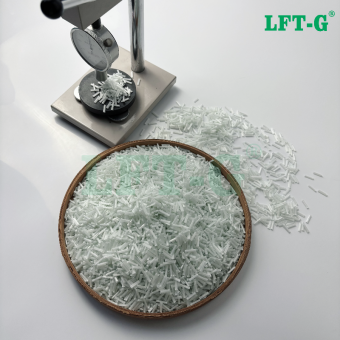
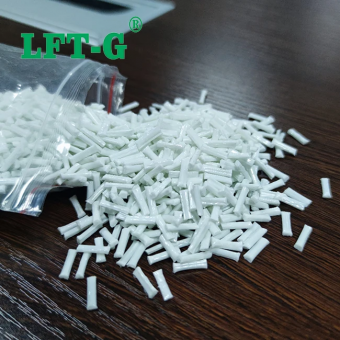
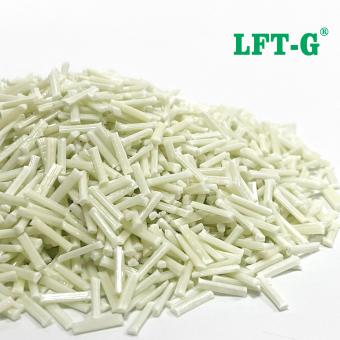
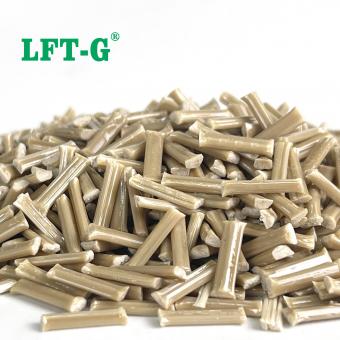

Market Update: Tight Supply of Copolymer Raw Materials The market for copolymer raw materials has recently experienced significant fluctuations. Due to tightening upstream supply and limited spot availability, prices have become increasingly volatile. To ensure reliable and transparent communication with our customers, LFT-G has temporarily suspended quotations for selected copolymer-based materials until supply conditions and market prices become more stable. Temporary Quotation Adjustment Selected copolymer-based materials are temporarily unavailable for quotation while we monitor upstream supply and market pricing. Temporary Adjustment, Not Product Discontinuation This is a temporary market adjustment and does not indicate that these products have been discontinued. We are closely monitoring upstream supply, raw material availability, and market price movements, and will resume quotations as soon as market conditions allow. Planning a New Project? Customers who are currently developing projects involving copolymer PP, PP-LGF, PP-LCF, or other long fiber reinforced thermoplastic materials are welcome to contact us in advance. You can share your expected material requirements, application, estimated volume, and project timeline with our team. We will register the project and continue to monitor the relevant material supply and pricing. 01 Project Registration Share your material requirements and project information with our team. 02 Market Monitoring We continue to monitor raw material supply and market price movements. 03 Timely Update Once conditions stabilize, we will provide the latest quotation and supply information. At Xiamen LFT Composite Plastic Co., Ltd. (LFT-G), we remain committed to maintaining transparent communication and supporting our customers throughout changing market conditions. Thank you for your continued understanding, trust, and support. LFT-G Long Fiber Reinforced Thermoplastic Solutions
view more