e-mail
 English
 français
 Deutsch
 русский
 italiano
 español
 português
 العربية
 日本語
日本語 한국의
한국의 中文
中文


-
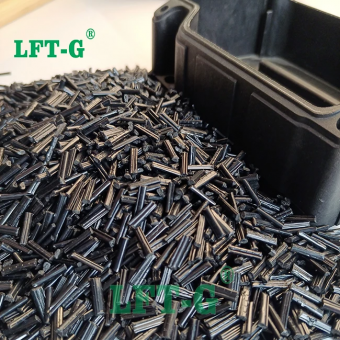
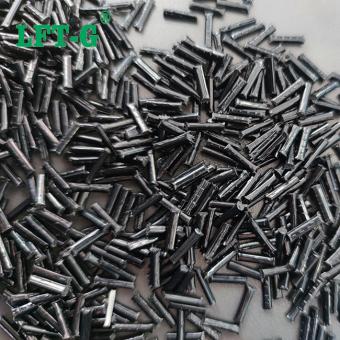
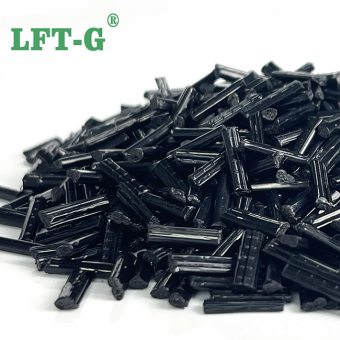
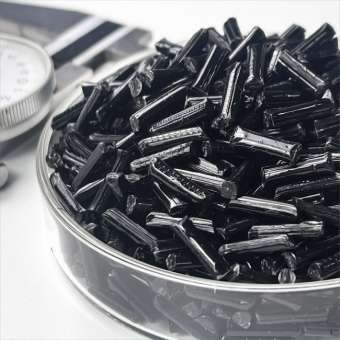
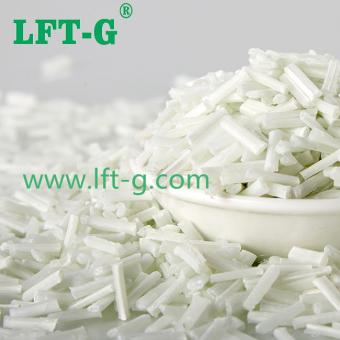
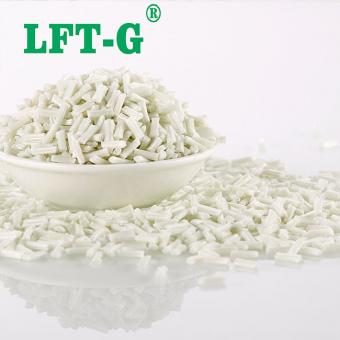
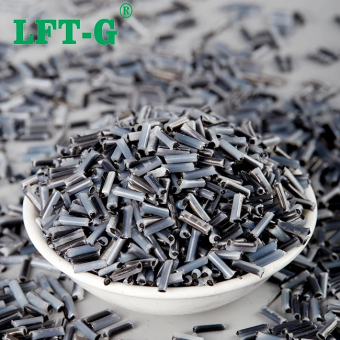
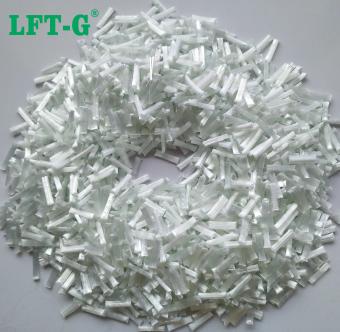
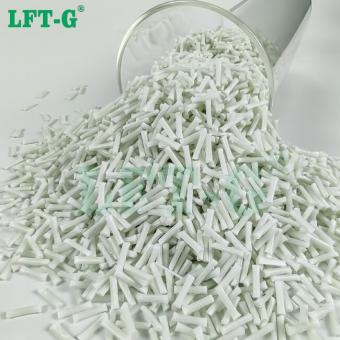
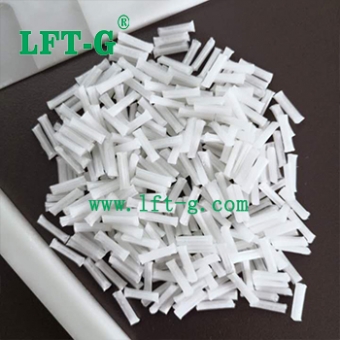
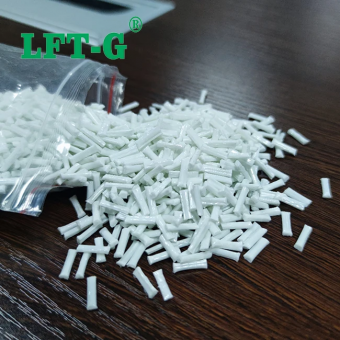
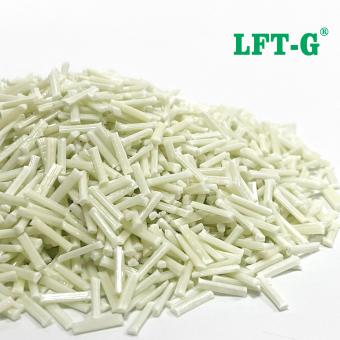
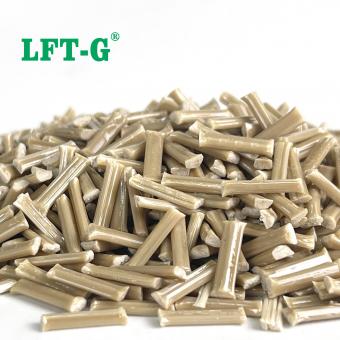
Nylon 66 Thermoplastic Plastics Long Carbon Fiber Plastic CompoundsThe carbon fiber reinforcement improves strength, impact resistance, and overall structural integrity, making it ideal for critical applications. With excellent thermal stability and chemical resistance, it's well-suited for high-temperature and harsh environments. This lightweight material provides a cost-effective alternative to metals, ensuring reliable long-term performance.
- materials nylon 66
- nylon filament
- clear polypropylene
- are carbon fiber bike frames durable
- bell carbon fiber helmet
- carbon fiber composites
Tags :
-
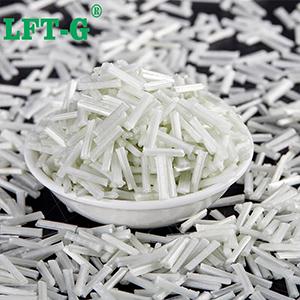
LFT-G Polypropylene PP reinforced materials long glass fiber filled• Lightweight alternative to metal and reinforced PA • Excellent impact strength and fatigue resistance • Ideal for structural automotive and industrial components PP Long Glass Fiber Reinforced (LFT-PP) Polypropylene (PP) is one of the most widely used general-purpose plastics due to its large production volume, competitive cost, excellent chemical resistance, and good processing performance. However, conventional PP materials have limitations such as relatively low strength, low heat resistance, limited stiffness, and poor low-temperature impact resistance. To overcome these limitations, reinforcing fillers such as glass fiber or calcium carbonate are added to PP. When the reinforcing fibers exceed a critical length, the mechanical properties of the composite can be significantly improved. Long Glass Fiber Reinforced Polypropylene (LFT-PP) is a high-performance thermoplastic composite material. The pellets are typically cylindrical with a length of 12–25 mm and a diameter of approximately 3 mm. The glass fibers inside the pellets maintain the same length as the pellet itself, which greatly enhances structural performance. The glass fiber content usually ranges from 20% to 70%, and the material color can be customized according to customer requirements. Advantages of PP-LGF 1. Long fiber structure significantly improves mechanical strength and stiffness. 2. High impact resistance, ideal for automotive and structural applications. 3. Excellent creep resistance and dimensional stability for precision parts. 4. Outstanding fatigue resistance, suitable for long-term load-bearing components. 5. Stable performance under high temperature and high humidity environments. 6. Reduced fiber breakage during molding, allowing better retention of fiber length and performance. Long Glass Fiber vs Short Glass Fiber Typical Applications Automotive Industry: front-end modules, door modules, gearshift components, electronic accelerator pedals, instrument panel carriers, cooling fan frames, battery trays, bumper brackets, underbody shields, and sunroof frames. LFT-PP is often used to replace reinforced PA or metal components. Home Appliances: washing machine drums, triangular brackets, air-conditioner fan components, and other structural parts, replacing short-fiber reinforced PA, ABS, or metal materials. Electronics & Electrical: high-precision connectors, ignition system components, coil bobbins, relay bases, transformer coil frames, electrical connectors, solenoid valve housings, and scanner components. Other Industries: power tool housings, pump housings, water meter housings, impellers, bicycle frames, skis, locomotive pedals, safety helmets, and protective equipment. Production Process Certifications About Xiamen LFT Composite Plastic Co., Ltd. Xiamen LFT Composite Plastic Co., Ltd., established in 2009, is a global supplier specializing in long fiber reinforced thermoplastic materials. The company integrates research & development, production, and global marketing under its proprietary brand. Our products have obtained ISO9001 and IATF16949 certifications and multiple national patents and trademarks. LFT materials are widely used in automotive components, aerospace, military equipment, new energy systems, medical devices, wind power equipment, and sports products.
- LFT-G homopoymer plastic PP
- PP injection molded lgf natural color
- Polypropylene composite plastic modified
- pp gf30 for electrical connector price
- PP pellets lgf 30 polymer
- PP car parts use factory made
Tags :
-
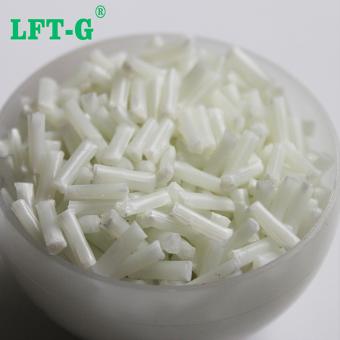
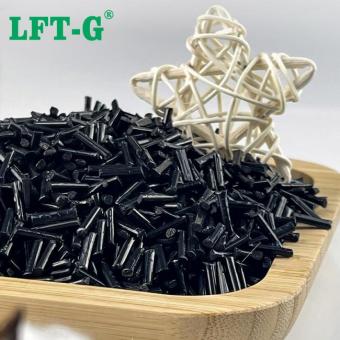
High Chemical Resistance PP Long Glass Fiber Material Natural Black Custom ColorPP long glass fiber reinforced composite is a high-performance thermoplastic material made by compounding polypropylene (PP) with continuous long glass fibers. This material offers a significant improvement in mechanical properties compared to standard PP.
- polypropylene pp
- glass fiber reinforced composites
- polypropylene with glass fiber
- pp polypropylene properties
- glass fiber reinforced polymer composites
- pp glass manufacturer
Tags :
-
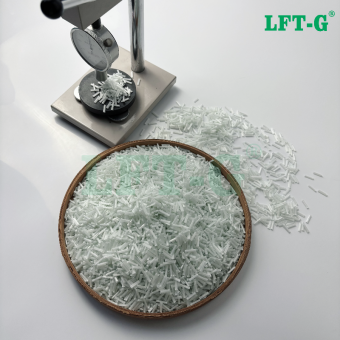
LFT Polypropylene reinforced plastic long carbon fiber higher performance 12mm natural colorPP Material & LFT Solutions body { font-family: Arial, sans-serif; line-height: 1.6; color: #333; margin: 20px; } h2 { font-size: 24px; background-color: #CCCCCC; padding: 10px; } h3 { font-size: 20px; margin-top: 20px; } p { margin: 10px 0; } .highlight { background-color: #FFFF99; color: #333; padding: 5px; } img { max-width: 100%; height: auto; display: block; margin: 10px 0; } ul { margin: 10px 0 10px 20px; } PP Material PP is a polymer made of propylene as monomer by coordination polymerization, and is one of the five major general-purpose plastics: PE, PP, PVC, PS, and ABS. Key Properties: Colorless, tasteless, non-toxic; can meet FDA and other food-grade material requirements when unadded. Due to crystalline nature, the original color is milky white translucent with better transparency than PE. Low specific gravity of 0.9, making it one of the lightest plastics compared to water. Good toughness, especially repeated bending resistance, commonly known as “100-fold rubber”. Better heat resistance than PE, up to 120°C. Good resistance to hydrolysis; can be sterilized by high-temperature steam. Excellent chemical resistance, particularly to acids; suitable for storing concentrated sulfuric acid. Outdoor use is susceptible to light, UV, and aging. Modified PP Material By filling PP with carbon fiber, the rigidity and modulus are increased, reducing deformation caused by shrinkage. However, toughness decreases. Adding anti-UV or anti-aging agents improves outdoor performance, and adding flame retardant materials improves fire resistance. TDS for Reference Only SGF vs LGF Long Carbon Fiber Specification Application Product Processing We Will Offer You LFT & LFRT material technical parameters and leading-edge design Mold front design and recommendations Technical support for injection molding and extrusion molding
- carbon fiber reinforced plastics granules
- long carbon fiber reinforced pp
- long fiber compounds pp
- long fiber composite PP granules
- long carbon fiber polypropylene
Tags :
-
LFT-G PP long carbon fiber reinforced material high performance original blackLong Carbon Fiber & PP-LCF body { font-family: Arial, sans-serif; line-height: 1.6; color: #333; margin: 20px; } h2 { font-size: 24px; background-color: #f0f0f0; padding: 10px; color: #339933; } p { margin: 10px 0; } ul { margin: 10px 0 10px 20px; } img { max-width: 100%; height: auto; display: block; margin: 10px 0; } Long Carbon Fiber In recent years, due to the growing demand for lightweight materials in industries such as automotive, aerospace, military, and construction, and the increasing need for environmentally friendly and sustainable materials, fiber reinforced thermoplastic composites have been increasingly used. Carbon fiber reinforced composites have high recycling value, and with effective recycling technology, costs can be significantly reduced. The recycling method for fiber reinforced thermoplastic composites depends on the fiber form and molding method. Carbon fiber reinforcement forms include short fiber, long fiber, and continuous fiber, primarily using melt forming. For high melting point thermoplastics like PEI or PEEK, solvent forming is also possible. Thermoplastic composites are more recyclable than thermosetting composites due to their linear molecular structure, which allows remelting and reshaping. PP-LCF Datasheet Application Our materials can be recycled. Many companies are developing recycling methods for fiber reinforced thermoplastic composites. For example, the 2014 Chevrolet Corvette used recycled carbon fiber composites in 21 body panels, including doors, boot lids, side panels, and fenders. Ford used recycled long carbon fiber and polypropylene (LCF/PP) to replace ASA engineering plastic in the A-pillar bracket of the 2018 Explorer SUV. About LFT-G Xiamen LFT Composite Plastic Co., Ltd. is a brand-name company focusing on LFR & LFRT: Long Glass Fiber Series (LGF) & Long Carbon Fiber Series (LCF). Our thermoplastic LFT can be used for LFT-G injection molding, extrusion, and LFT-D molding. Fiber lengths can be customized from 5~25mm. Our continuous infiltration reinforced thermoplastics have passed ISO9001 & IATF16949 certification, and our products hold multiple national trademarks and patents. Our carbon fiber LFT series has broken foreign technical barriers, providing high-performance thermoplastic engineering plastics for domestic automotive, military, aerospace, medical, renewable energy, and sports industries.
- PP resin lcf
- PP raw material of lcf
- 30% of lcf pp
- long carbon fiber filling plastic
- polypropylene composite plastic
- injection grade lcf
Tags :
-
LFT-G Polypropylene PP reinforced materials filled high mechanical properitesPP (Polypropylene) Reinforced with Long Glass Fiber Polypropylene (PP) is one of the most widely used general-purpose thermoplastics, known for its low cost, excellent chemical resistance, and good processability. However, its inherent limitations—such as low strength, low heat resistance, poor stiffness, and weak low-temperature impact performance—restrict its use in structural applications. By introducing reinforcing materials such as glass fibers, the mechanical properties of PP can be significantly enhanced. When the fiber length exceeds the critical reinforcement size, the material performance improves dramatically. Long Glass Fiber Reinforced PP (LFT-PP) is a high-performance thermoplastic composite, typically supplied in pellet form with a length of 12–25 mm and a diameter of about 3 mm. The glass fibers inside maintain nearly the same length as the pellets, ensuring superior load transfer and mechanical strength. Fiber content can range from 20% to 70%, and colors can be customized according to customer requirements. Advantages of PP-LGF Long fiber length significantly improves mechanical strength and stiffness High impact resistance, suitable for automotive and furniture applications Excellent creep resistance and dimensional stability for precision parts Superior fatigue resistance under long-term loading Stable performance in high temperature and humid environments Reduced fiber breakage during molding due to optimized processing flow LGF vs SGF Compared with short glass fiber (SGF) reinforced materials, long glass fiber (LGF) composites provide: Higher mechanical strength and toughness Better load-bearing capacity Improved fatigue and creep resistance More stable performance in structural applications Applications Automotive Industry: front-end modules, door modules, gearshift systems, electronic pedals, instrument panel frames, cooling fan systems, battery trays, bumper brackets, underbody shields, sunroof frames, etc. Home Appliance Industry: washing machine drums, structural brackets, air conditioner fan systems, replacing metal or short glass fiber reinforced materials. Electrical & Electronics: connectors, relay bases, coil frames, microwave transformer housings, solenoid valve components, scanner parts, etc. Other Applications: power tools, pump housings, bicycle frames, ski components, helmet structures, safety footwear parts, replacing PA, PPO and metal materials. Processing Certification About Us Xiamen LFT Composite Plastic Co., Ltd. was established in 2009 and is a global supplier specializing in long fiber reinforced thermoplastic materials. We integrate R&D, production, and global marketing. Our products have passed ISO 9001 and IATF 16949 certifications and are widely used in automotive, aerospace, military, new energy, medical devices, wind energy, sports equipment, and industrial applications.view more
-
Plastic Factory Polypropylene Fiber Reinforced PelletsPolypropylene, also known as PP, is a polyolefin or saturated polymer. It is a low-density thermoplastic with good resistance to heat. Other characteristics of PP include: chemical resistance, elasticity, toughness, fatigue resistance, and electrical insulation capability.
- plastic injection molding parts
- reinforced carbon fiber
- carbon fiber reinforced composites
- polypropylene tensile strength
- high density polypropylene
- automotive PP composite material
Tags :
-
PP Carbon Fiber PelletsThe modified polypropylene material reinforced by carbon fiber has a series of advantages, such as light weight, high modulus, high specific strength, low coefficient of thermal expansion, high temperature resistance, heat shock resistance, corrosion resistance, good vibration absorption, etc., and can be applied to auto parts such as automobile sub-instrument assembly.
- polypropylene fiber reinforced concrete
- carbon reinforced fiber
- carbon fiber reinforced polymer
- pp pellets
- carbon compounds
Tags :
-
PP Polypropylene gf materials injectionGlass reinforced PP Polypropylene materials polymer long glass fiber 30% injection for car parts,washing machine parts.
- Compound plastic materials PP resin
- Polypropylene with long glass fiber
- pp filling glass fiber reinforced thermoplastic
- High strength modified material
- pp lgf lft PP GF30 high rigidity
- long glass fiber reinforced polypropylene
Tags :
-
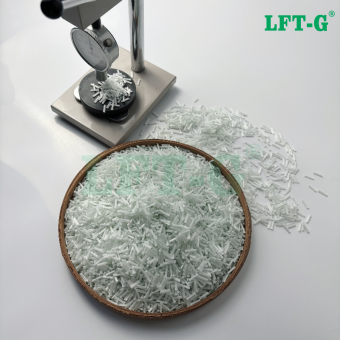
Homopolymer & Copolymer PP LGF20 GranulesPP Long Glass Fiber 20% Reinforced Thermoplastic Granules For Injection Mold
- LFT PP LGF 20 composite
- Polypropylene GF20 Granules
- LFT reinforced thermoplastic granules
- PP LGF20
- Polypropylene long fiber composite
- Polymer reinforced composite
Tags :
-
LFT-G Polypropylene PP higher performance virginPP Long Glass Fiber Reinforced Composite (PP-LGF) Long glass fiber reinforced polypropylene (PP-LGF) has become one of the most popular lightweight composite materials due to its low cost, excellent mechanical properties, and environmental advantages. Compared with short glass fiber reinforced polypropylene (PP-SGF), PP-LGF offers superior: Strength and stiffness Fatigue resistance Impact resistance Warp resistance Dimensional stability These advantages allow manufacturers to achieve lightweight designs while reducing production costs. Material Characteristics The PP-LGF pellets produced by our company are generally 8–15 mm in length, with glass fiber content ranging from 20% to 60%. The retained fiber length inside the pellets can reach 1–3 mm, significantly longer than conventional PP-SGF materials (0.2–0.4 mm). Due to the internal three-dimensional fiber network structure, PP-LGF provides the following advantages: 1. Lightweight Performance Replacing metal with long glass fiber composites effectively reduces product weight. 2. High Strength & Rigidity Excellent mechanical strength and impact performance make it suitable for structural applications. 3. Cost Reduction Complex parts can often be molded in one step, simplifying manufacturing processes. 4. Excellent Impact Resistance The material absorbs impact energy efficiently and provides effective buffering performance. 5. Corrosion Resistance Outstanding resistance to acids, alkalis, and salts compared with traditional metals. 6. Design Flexibility Supports customized colors and complex injection molded shapes. Datasheet Reference Testing & Quality Control Applications PP-LGF has been widely used in: Automotive components Washing machine structural parts Industrial equipment housings Lightweight structural products Please contact us for customized technical support and material recommendations. About Xiamen LFT Composite Plastic Co., Ltd. Xiamen LFT Composite Plastic Co., Ltd. specializes in the research, development, and production of long fiber reinforced thermoplastic materials (LFT & LFRT). Our main product series include: Long Glass Fiber Reinforced Thermoplastics (LGF) Long Carbon Fiber Reinforced Thermoplastics (LCF) Our materials are suitable for: LFT-G injection molding Extrusion molding LFT-D direct molding processes Customized pellet lengths from 5–25 mm are available according to customer requirements. The company has passed ISO9001 & IATF16949 quality management certifications, and has obtained multiple trademarks and patents.
- PP resin lgf gfrp
- good price PP reinforced gf
- instead metal pp plastic long fiebr glass
- thermoplastic PP long fiber
- pp-na-lgf 30 lft white
- glass fiber filling Polypropylene 30%
Tags :
-
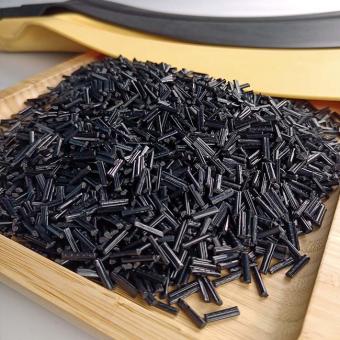
Polypropylene long carbon fiber filled PP high mechanical properties polymerWhat is Long carbon fiber (LCF) Carbon fiber was first used in aviation, military and other fields, and later was cited in the production of racing car parts. In recent years, it began to come into the consumer market, and is also one of the materials that international manufacturers are keen on. Carbon fiber composite materials are characterized by very light, rigid, and can withstand the same pressure as steel, the cost is higher. However, the material is more durable and has a high recycling value, so it can save costs to a certain extent. Carbon fiber composites include carbon fiber powders, short fibers, long fibers, and long fiber reinforced composites. Long carbon fiber composites have better mechanical properties than short carbon fiber composites, but there are certain requirements for the injection molding machine and mold of the product. Carbon fiber has excellent mechanical properties and chemical stability, lower density than aluminum, higher strength than steel, is the highest specific strength and highest specific modulus among the high-performance fibers that have been produced in large quantities, and has the characteristics of low density, corrosion resistance, high temperature resistance, friction resistance, fatigue resistance, high electrical and thermal conductivity, low coefficient of thermal and wet expansion, etc. It is an important strategic material for the development of national defense and national economy. The characteristics of corrosion resistance, high temperature resistance and low coefficient of expansion make it an alternative material to metal materials in harsh environments; the electrical and thermal conductivity properties expand its application in the field of communications and electronics; as the highest specific strength (strength to density) and highest specific stiffness (modulus to density) among the high-performance fibers currently in mass production, carbon fiber is an important material for aerospace, wind power blades, new energy vehicles, transportation, sports and leisure, etc, Carbon fiber is an ideal material for aerospace, wind power blades, new energy vehicles, transportation, sports and leisure, and other fields with light weight needs. Xiamen LGT-G LCF compounds have the following appearance: Flat grain, very light weight, shows flawless finish, no floating fibers, bubbles, etc. The color is natural black and the length is around 6 to 25 mm. The application of PP filling long carbon fiber compounds Datasheet for reference Homo-PP & Copo-PP PP is divided into homopolymer PP and copolymer PP according to the different types of monomers involved in polymerization. Homopolymer PP is made by polymerization of propylene monomer only, and there is only one kind of link in the polymer molecular chain, with high crystallinity and good mechanical properties and heat resistance. Copolymerized PP is mainly made of propylene monomer and ethylene monomer, and there are ethylene links in addition to propylene links in the polymer molecular chain, which has high impact resistance. HPP composites and CPP composites, both of them are available for us. Details Number Color Length Package Sample MOQ Port of Loading Delivery time HPP-NA-LCF Natural color, or customized 6-25mm 20kg/bag Available 20kg Xiamen Port 7-15 days after shipment Certifications Test Xiamen LFT composite plastic CO., Ltd. Xiamen LFT composite plastic Co., Ltd. is a brand-name company that focuses on LFT&LFRT. Long Glass Fiber Series (LGF) & Long Carbon Fiber Series (LCF). The company's thermoplastic LFT can be used for LFT-G injection molding and extrusion, and can also be used for LFT-D molding. It can be produced according to customer requirements: 5~25mm length. The company's long-fiber continuous infiltration reinforced thermoplastics have passed ISO9001&16949 system certification, and the products have obtained lots of national trademarks and patents. Please contact Ms. Wallis for more information. Email: sale02@lfrtplastic.com Whatsapp: (+86) 13950095727
- Long carbon fiber Reinforced Polypropylene for electrial accessories
- PP pellets lcf 30 polymer compounds resin
- best long carbon fiber pp lcf30 granules
- carbone fiber reinforced pp pellets
- pp lcf injection mold extrusion mold thermoplastic
- pp modified granules manufacturer
Tags :