e-mail
 English
 français
 Deutsch
 русский
 italiano
 español
 português
 العربية
 日本語
日本語 한국의
한국의 中文
中文


-
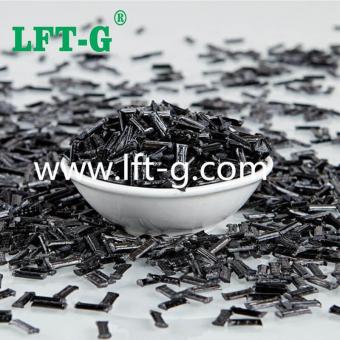
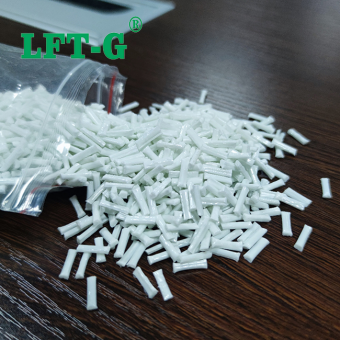
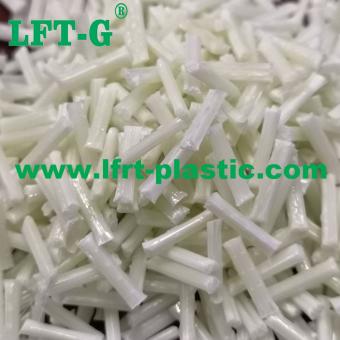
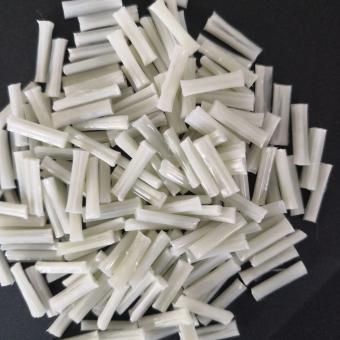
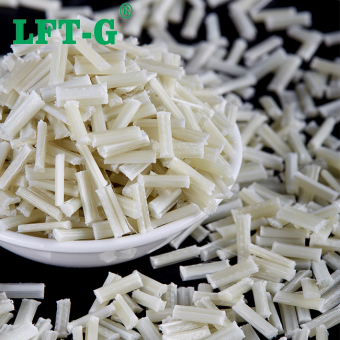
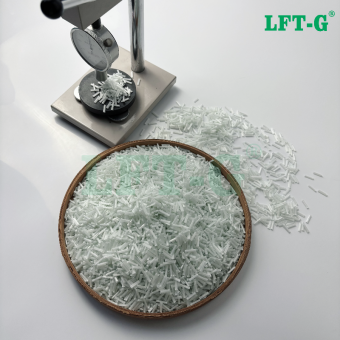
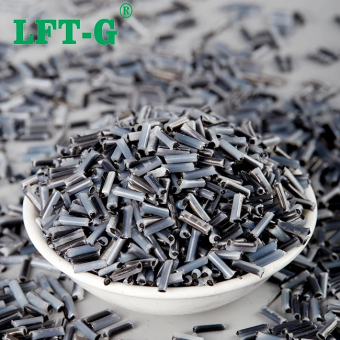
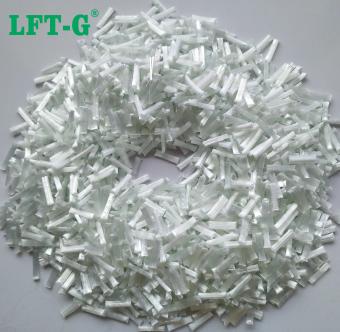
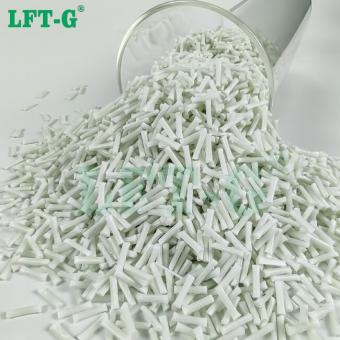
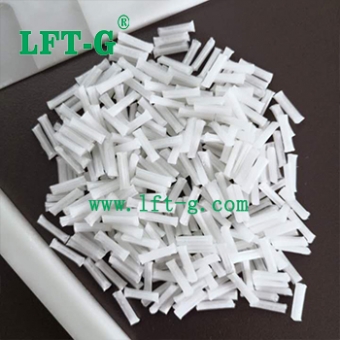
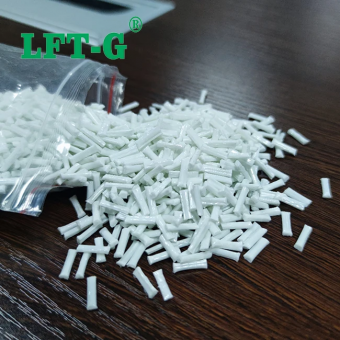
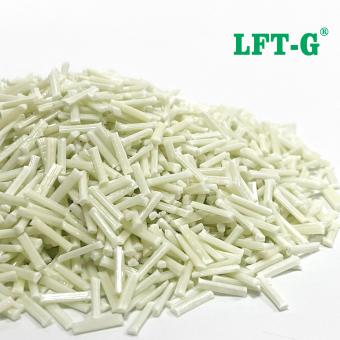
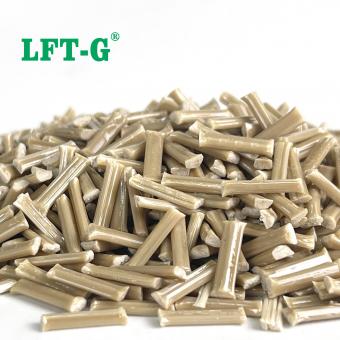
LFT-G brand high performance PLA materials filling long carbon fiber compounds high toughness 12mm lengthPLA materials Polylactic acid (PLA), also known as polypropyleneglycolate, raw materials from corn, potatoes and other starch-containing food crops or crop straw cellulose, by modern biological fermentation technology to produce high-purity small molecules of lactic acid contained in the human body, and then the lactic acid prepared into a cyclic dimer propyleneglycolate, and then the propyleneglycolate ring-opening polymerization to produce polylactic acid and then after a special polymerization reaction The lactic acid is then prepared into a cyclic dimer, which is then ring-opened and polymerized to produce polylactic acid. Because of its reliable biosafety, biodegradability, environmental friendliness, good mechanical properties and easy processing, PLA has a broad application prospect in biomedical polymers, textile industry, plastic industry, furniture industry, agricultural land film and packaging industry, etc. The raw materials of PLA are sufficient and renewable, and the products made from it can be composted directly after use, and eventually can be completely degraded to CO2 and H2O. PLA is an environmentally friendly, green and sustainable polymer material. PLA-LCF materials Long carbon fiber reinforced composites offer significant weight savings and provide optimum strength and stiffness properties in reinforced thermoplastics. The excellent mechanical properties of long carbon fiber reinforced composites make it an ideal replacement for metals. Combined with the design and manufacturing advantages of injection molded thermoplastics, long carbon fiber composites simplify the re-imagining of components and equipment with demanding performance requirements. It's widespread use in aerospace and other advanced industries makes it a "high-tech" perception of consumers. LCF & SCF Long carbon fiber and short carbon fiber mainly refer to the application length of carbon fiber materials, there is no strict fixed distinction between the two, generally between a few millimeters to a few centimeters, the more common specifications are 6mm, 12mm, 20mm, 30mm, 50mm. the shorter the length the easier it is to uniformly and non-directionally distributed in the resin matrix. Therefore, the mechanical properties of short carbon fibers are far less than those of long carbon fiber reinforced thermoplastic composites. LCF & Metal Product processing Details Number Length Color Sample Packge MOQ Port of Loading Delivery time PLA-NA-LCF30 12mm (also can be customized) Natural color (also can be customized) Available 25kg/bag 25kg Xiamen Port 7-15 days after shipment Q & A 1. How does thermoplastic carbon fiber composite material achieve low cost and environmental protection? Thermoplastic carbon fiber composites are used to make parts for high-end machinery. They have excellent machinability, vacuum forming, stamping mold plasticity, and bending processability. For example, Teijin has been able to add a recycling process to the process according to special needs, and to shred and mold the corners of thermoplastic carbon fiber composites after stamping to make recycled materials for making small products or for molding nuts and studs on carbon fiber prototypes. This method can greatly reduce the loss of raw materials, improve the efficiency of the use of thermoplastic carbon fiber composite materials, reduce the overall cost, and thus achieve the purpose of environmental protection. Thermoplastic carbon fiber products production process In addition, compared with thermoset carbon fiber composites, thermoplastic carbon fiber composites can shorten the molding cycle time due to its special process characteristics, which can further reduce the production cost in terms of production efficiency. 2. Is thermoplastic carbon fiber composite material only suitable for injection molding? From the process point of view, injection molding has a higher degree of automation compared with molding, and the raw material is not in contact with the outside world, so the product appearance quality is guaranteed, and there are no black spots, impurities, uneven colors, etc. The mechanical properties, dimensional stability and precision of the product are relatively higher. At present, Japan Toray, these carbon fiber giants in the application of carbon fiber reinforced thermoplastic composites, the main use of injection molding method, and this method is suitable for the production of complex-shaped parts and mass production. It should be noted, however, that thermoplastic carbon fiber composites using injection molding must be reinforced with short-cut or powdered carbon fibers, and this process is not applicable to continuous carbon fiber reinforced thermoplastic composites. Compared to injection molding equipment, compression molding equipment and its mold structure are relatively simple and less expensive to manufacture. The molding equipment can be used for both thermosetting and thermoplastic resins, and in the molding of ...
- PLA composite plastic
- PLA plastic resin virgin carbon fiber
- pla modified plastic for car parts
- PLA-LCF polymer pellets
- carbon fiber reinforced plastics granules
- pla engineering materials carbon fiber
Tags :
-
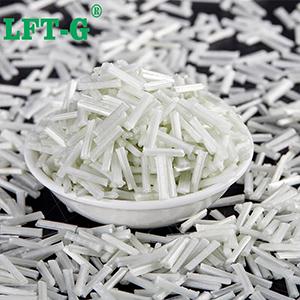
LFT-G engineering plastic PBT filling long glass fiber 20%-60% reinforced materials high mechanical properties good pricePBT plastic Polybutylene terephthalate, (PBT), belongs to the polyester series, is made of 1.4-pbt butylene glycol (1.4-Butylene glycol) and terephthalic acid (PTA) or terephthalic acid ester (DMT) polycondensation, the molecular formula is (C8H8-C4H6-C3H3N)x, and through the blending process made of milky white translucent to opaque Crystalline thermoplastic polyester resin. PBT is one of the toughest engineering thermoplastics, it is a semi-crystalline material with very good chemical stability, mechanical strength, electrical insulation properties and thermal stability. Specific gravity: 1.31g/cm. Melting point: 225~275℃ Glass transfer temperature (Tg): 22-43℃ Rockwell hardness (R scale): 118 Water absorption: 0.34% Molding shrinkage: 1.7~2.3% PBT-LGF reinforced plastic Excellent mechanical properties, high mechanical strength, fatigue resistance and good dimensional stability, creep is also small. These properties also rarely change under high temperature conditions. The production of PBT consumes less energy. Excellent heat resistance, with a UL temperature index of 120 to 140°C after reinforcement, and excellent long-term outdoor aging. Good solvent resistance and no stress cracking. PBT can be easily flame-retarded up to UL94V-0 level, and it is easy to develop reactive or additive flame retardant grades because of its good affinity with flame retardants. Flame-retardant products are widely used in the electrical and electronic industry. Select PBT is easy to decompose when it meets water, so it should be used with caution in high temperature and high humidity environment. Borrowing excellent electrical properties, high volume resistivity and dielectric strength, excellent arc resistance, minimal moisture absorption, and stable electrical properties even in humid and high temperature environments, making it an ideal material for electronic and electrical parts. It is easy to be molded and secondary processed, and can be injection molded or extruded with common equipment. Due to the fast crystallization speed and good fluidity, the mold temperature is lower than other engineering materials, and it takes only a few seconds to process thin-walled parts, and only 40-60s for large parts. Datasheet for reference Application 1、Electronic appliances: fuseless wire breakers, electromagnetic switches, Chie transformers, appliance handles, connectors, shells, etc. 2、Automobile: door handle, bumper, distributor cover, fender, wire guard shell, wheel cover, etc. 3、industrial parts: OA fan, keyboard, fishing reel, parts, lampshade, etc. Product processing Injection molding Details Number Color Length Sample MOQ Package Port of Loading Delivery time PBT-NA-LGF30 Natural color (can be customized) 12mm (can be customized) Available 1 ton 25kg/bag Xiamen Port 7-15 days after shipment Lab & Factory Frequently asked questions Q. Does long glass fiber and long carbon fiber injection have special requirements for injection molding machines and molds? A. There are certainly requirements. Especially from the product design structure, as well as the injetion molding machine screw nozzle and mold structure injection molding process must consider the requirements of long fiber. Q. After long glass fiber reinforced, glass fiber can enter the surface of the plastic product during injection molding process, so that surface of the product become rough and floating fiber. How to make the surface of the material smoothly? A. During injection molding process need to ensure that the plastic particles are well plasticized and dispersed, also ensure that the dry of plastic particles have no moisture removal, mold temperature adjestment to the appropriate temperature, mold surface is polished in place.
- PBT pellets lgf 30 polymer
- LFT PBT modified plastic glass fiber
- reinforced PBT for car parts gfrp
- self owing pbt pellets
- best price PBT glass fiber compounds
- composite pbt-lgf sample free
Tags :
-
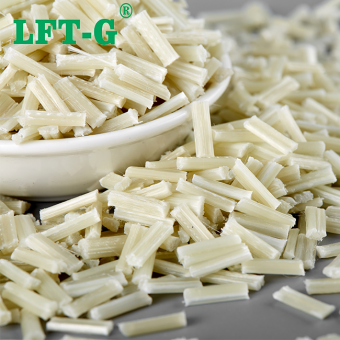
LFT MXD6 LGF composite plastic long glass fiber filling high performance injection molding customized colorMXD6 The conventional aliphatic nylon is easy to process and mold but has strong water absorption and low glass transition temperature; the all-aromatic nylon solves the shortcomings of aliphatic products to a large extent, but the processing difficulty increases exponentially. After 1972, Toyo Textile and Mitsubishi Gas Chemical synthesized a new type of semi-aromatic nylon MXD6, which not only overcame the shortcomings of aliphatic and all-aromatic to a large extent, but also had some advantages of all-aromatic resin. It has a wide range of applications in the fields of packaging materials and engineering structural materials, where gas barrier properties are required. Compared with other materials, MXD6 has the advantages of high strength and elastic modulus, high glass transition temperature, low water absorption and moisture permeability, fast crystallization, easy molding and manufacturing, excellent gas barrier properties, and good barrier to carbon dioxide and oxygen even under high humidity. As an engineering plastic, MXD6 can replace the use of metal materials in the automotive industry, such as power tools, magnetic materials, automotive shells, chassis, beams, engine accessories, etc. The main component of the Reny series of Mitsubishi Gas on the market is MXD6. In addition, as a molding material MXD6 is also used to produce monofilaments and special fibers. Long glass fiber Long glass fiber rovings Glass fiber is an inorganic non-metallic materials with excellent performance, a wide range of advantages is good insulation, heat resistance, corrosion resistance, high mechanical strength, but the disadvantage is the brittle nature, wear resistance is poor. It is made of glass balls or waste glass as raw material by high temperature melting, drawing, yarn, weaving and other processes, its monofilament diameter of a few microns to more than twenty microns, equivalent to a hair of 1/20-1 / 5, each bundle of fiber filaments are composed of hundreds or even thousands of monofilaments. Glass fiber is commonly used as reinforcing materials in composite materials, electrical insulation materials and thermal insulation materials, circuit substrates and other areas of the national economy. Plastics are ubiquitous in everyday life, from common consumer goods to durable goods. To improve the strength of plastics, thermoplastic materials are often reinforced by glass fiber or carbon fiber. In the face of high loads and impact stresses at high and low temperatures, which are often not matched by ordinary short glass fiber materials, polymers begin to soften or become brittle, and long glass fiber reinforced polymers are created. Long glass fiber generally refers to glass fiber with length over 10mm. MXD6 filling Long glass fiber Datasheet for reference Application MXD6-LGF is mainly applied in the large parts. About company Xiamen LFT composite plastic Co., Ltd. is a brand-name company that focuses on LFT&LFRT. Long Glass Fiber Series (LGF) & Long Carbon Fiber Series (LCF). The company's thermoplastic LFT can be used for LFT-G injection molding and extrusion, and can also be used for LFT-D molding. It can be produced according to customer requirements: 5~25mm length. The company's long-fiber continuous infiltration reinforced thermoplastics have passed ISO9001&16949 system certification, and the products have obtained lots of national trademarks and patents. We will offer you: 1. LFT&LFRT material technical parameters and leading edge design 2. Mold front design and recommendations 3. Provide technical support such as injection molding and extrusion molding Quality Management System ISO9001&16949 Certification National Laboratory Accreditation Certification Modified Plastics Innovation Enterprise Honorary Certificate Heavy metal REACH & ROHS testing Welcome to contact us!
- MXD6 LFT-G
- thermoplatic resin lft gfrp
- MXD6 for injection mold engineering plastic
- modified MXD6 high toughness
- lft raw materials MXD6
- Low warpage electronic appliance
Tags :
-
LFT-G PPA reinforced materials own factory filling long glass fiber ppa pellets for car parts large productsPPA plastic PPA stands for polyphosphoric acid and has excellent strength, toughness and hardness, good heat resistance, chemical resistance and anti-cracking ability. With heat deflection temperatures upwards of 300°C and continuous service temperatures up to 170°C, modified poly(p-phenylene terephthalamide) (PPA) plastic can meet your needs for short- and long-term thermal performance. It maintains its superior mechanical properties, strength, hardness, fatigue resistance and creep resistance over a wide range of temperatures and in high humidity environments. Toughened PPA combines superior toughness with a range of stiffness and flexibility, making it a good choice for fasteners requiring rigidity for single-use and flexural properties for repetitive use. Special grades are also available for paintable and plating surfaces, fire resistance, glycol resistance, and body resistance requirements. Datasheet for reference ☆PPA has excellent strength, toughness and hardness, as well as good heat resistance, chemical resistance and anti-cracking ability. ☆PPA can replace metal in applications where traditional nylon and polyester cannot be used due to its ability to maintain strength and hardness in high temperature and high humidity environments. ☆PPA plastic also has superior surface gloss. It can be colored to avoid surface painting, which helps to reduce the obvious degree of surface scratches and scuffs. ☆ PPA plastic also has good processability and allows short injection cycle times. Application ☆ Automotive components, including fuel, transmission and engine systems, that reduce weight, lower costs and provide long service life. ☆ Chip sets and sockets, cup solder holders. ☆ Chip capacitors, switches and miniature speakers, and connectors for making high-density printed circuit boards. ☆ For applications requiring high wear resistance, such as non-lubricated bearings, seals, bearing isolation rings, and reciprocating compressor parts. ☆ Connectors, controllers, sensors, motors and other critical electronic components Other materials you may wonder PP-LGF TPU-LGF PA6-LGF Certification Quality Management System ISO9001&16949 Certification National Laboratory Accreditation Certificate Modified Plastics Innovation Enterprise Honorary Certificate Heavy metal REACH & ROHS testing Packing Supply capacity: 500 tons per month Package: 25kg per bag Frequently asked questions Q. Does long glass fiber injection have special requirements for injection molding machines and molds? A. There are certainly requirements. Especially from the product design structure, as well as the injection molding machine screw nozzle and mold structure injection molding process must consider the requirements of long fiber. Q. What are the differences and advantages of long fiber materials and the thermosets and staple fibers? A. Compared with the short fiber, it has more excellent performance in mechanical properties. It is more suitable for large products and structural parts. It has 1-3 times higher toughness than short fiber, and the tensile strength is increased by 0.5-1 times. Compared with thermosets, it is more environmentally friendly. It can be recycled and reused, and has simple molding efficiency, lower cost etc. But its mechanical properties are worse than thermosets. Q. Can products with appearance requirements be made of long-fiber materials? A. The main feature of LFT-G thermoplastic long glass fiber and long carbon fiber is to show the mechanical properties. If the customer has bright or other requirements for the appearance of the product, it needs to be evaluated in combination with specific products.
- PPA LGF 40
- white ppa fiber pellets
- pure virgin ppa lgf materials
- LFT-G injection PPA gf
- plastic resin ppa
- Polyphthalamide resin
Tags :
-
LFT-G Polypropylene PP modofied material filling long glass fiber compounds higher performance virgin gradePP-LGF Among many composite materials, long glass reinforced polypropylene material (PP-LGF) has gained more popularity for its low price, excellent mechanical properties and environmental friendliness.Compared with short glass fiber reinforced polypropylene material (PP-SGF), PP-LGF has more advantages in strength, stiffness, warpage, fatigue resistance, notch impact strength and dimensional stability, so products produced with PP-LGF can further achieve weight and cost reduction. The length of PP-LGF particles produced by our company is generally 8mm~15mm, in which the content of glass fiber can reach 20%~60%, and the retained length of glass fiber in the particles can reach 1mm~3mm, compared with PP-SGF materials whose retained length of glass fiber is only 0.2mm~0.4mm, PP-LGF can guarantee the following characteristics due to the three-dimensional network structure of its internal fiber. 1. Low density: The use of long glass fiber reinforced composite material instead of steel is an effective way to reduce the weight of the product. 2. High strength: The composite material with modified resin and different length of fiber has high mechanical strength, good rigidity and impact performance, which can replace steel plate to make coverings or structural parts. 3. Low cost: The use of long glass fiber reinforced composite materials instead of metal materials can simplify the design of complex metal parts and achieve the purpose of forming complex parts at one time. 4. Impact resistance: The elastic deformation property of resin makes long glass fiber reinforced composite materials have certain function of absorbing collision energy, and have a large buffering effect on the impact of certain speed. 5. Corrosion resistance: The composite material has strong corrosion resistance, and its corrosion resistance to acid, alkali and salt is better than that of metal. 6. Beauty: most resins have good colorability, and can be made into various colors by adding masterbatch or spraying paint on the surface; through injection and molding, various irregular curvature shapes can be realized. Datasheet for reference Tests Application As the hottest material, our customers have applied the PP-LGF in many fields, like car parts, washing machine parts, etc. Just contact us, and we will provide technical support. About company Xiamen LFT composite plastic Co., Ltd. is a brand-name company that focuses on LFT&LFRT. Long Glass Fiber Series (LGF) & Long Carbon Fiber Series (LCF). The company's thermoplastic LFT can be used for LFT-G injection molding and extrusion, and can also be used for LFT-D molding. It can be produced according to customer requirements: 5~25mm length. The company's long-fiber continuous infiltration reinforced thermoplastics have passed ISO9001&16949 system certification, and the products have obtained lots of national trademarks and patents.
- PP resin lgf gfrp
- good price PP reinforced gf
- instead metal pp plastic long fiebr glass
- thermoplastic PP long fiber
- pp-na-lgf 30 lft white
- glass fiber filling Polypropylene 30%
Tags :
-
lft-g reinforced plastic PA12 nylon12 filling long glass fiber 20%-60% high tensile strength and toughnessWhat is PA12? The scientific name of PA12 is polydodecalactam, also known as nylon 12. The basic raw material for its polymerization is butadiene, which can depend on petrochemicals. It is a semi-crystalline - crystalline thermoplastic material. Its properties are similar to those of PA11, but the crystal structure is different; PA12 is an excellent electrical insulator and, like other polyamides, does not suffer from moisture-related insulating properties. PA12 has a number of improved plasticizing and reinforcing properties. What is PA12-LGF? PA12 filling long glass fiber material is a composite material, adding long glass fiber on the basis of the original nylon12 material, which makes the material have the following characteristics: High temperature resistance, good dimensional stability, good toughness, good insulation, good corrosion resistance, and high mechanical strength. Datasheet for reference Application Suitabel for automotive, sports parts, solar energy, photovoltaic industry and other industries. Details Number Color Length Sample MOQ Package Port of Loading Delivery time PA12-NA-LGF30 Natural color (or customzied) 12mm or so (or customized) Available 25KG 25KG/BAG Xiamen Port 7-15 days after shipment About us Xiamen LFT composite plastic Co., Ltd. is a brand-name company that focuses on LFT&LFRT. Long Glass Fiber Series (LGF) & Long Carbon Fiber Series (LCF). The company's thermoplastic LFT can be used for LFT-G injection molding and extrusion, and can also be used for LFT-D molding. It can be produced according to customer requirements: 5~25mm length. The company's long-fiber continuous infiltration reinforced thermoplastics have passed ISO9001&16949 system certification, and the products have obtained lots of national trademarks and patents. Come to contact us for more technical support!
- LFT-G PA12 polyamide12
- thermoplastic pa12 lgf 30
- lft pa12 raw materials lgf white
- Injection mold plastic pa12 gfrp
- xiamen lft price good reinforced pa12
- sample available modified pa12 glass fiber
Tags :
-
LFT-G PPA Long Glass fiber higher toughness reinforced plastic polymer for machanical parts 12mm original colorPPA-LGF(Long Glass Fiber) Grade: general grade Fiber specification: 20%-60% Color: Original color (can be customized) Length: 12mm or so (can be customized) Feature: high toughness, low warpage
- Polyphthalamide resins ppa
- lgf ppa lft-g
- reinforced ppa instead metal steel
- Modified PPA GFRP
- long glass fiber filling ppa plastic
- thermoplastic resin ppa gf30 high strength
Tags :
-
lft-g PA66 compounds filled long carbon fiber 30% Polyamide66 reinforced plastic high rigidity and tensile strengthPA66 plastic Nylon is the common name for polyamide (PA), a generic term for thermoplastic resins containing repeating amide groups on the main chain of the molecule, including aliphatic polyamides, aliphatic-aromatic polyamides and aromatic polyamides. As the top five engineering plastics, nylon has an extremely wide range of industrial applications, mainly in the fields of automotive parts, mechanical parts, electronics and electrical appliances, cosmetics, adhesives and packaging materials. Among them, the largest production and most widely used are aliphatic polyamides, mainly nylon 66 and nylon 6. Nylon 66 (PA66) is a class of polyamides made by condensation of adipic acid and hexanediamine. Advantages: high strength, corrosion resistance, good wear resistance, and has excellent properties such as self-lubricating, flame retardant, non-toxic and environmental protection. Disadvantages: poor heat resistance and acid resistance, low impact strength in dry state and low temperature, large water absorption rate affects the dimensional stability and electrical properties of the products. PA66 filling Long Carbon Fiber (LCF) Carbon fiber is an inorganic polymer material with carbon content higher than 90% obtained by carbonization and graphitization of organic fibers. Advantages: light mass, high strength, high modulus, high temperature resistance, wear resistance, corrosion resistance, fatigue resistance, electrical and thermal conductivity, etc. Disadvantages: high cost, relatively difficult to infiltrate, poor transparency, etc. Carbon fiber composites are very useful structural materials, which are not only light and high temperature resistant, but also have high tensile strength and elastic modulus, and are indispensable materials for the manufacture of spacecraft, rockets, missiles, high-speed aircraft and large passenger aircraft. In transportation, chemical industry, metallurgy, construction and other industrial sectors, as well as sports equipment and other aspects have a wide range of applications. Datasheet for reference We can provide long carbon fiber filling from 20% to 60%. Different fiber specifications have different characteristics. Application More products you can contact us for technical supports. LCF VS SGF As the fiber length increases, the stiffness and strength of the composite material gradually increases, but the dimensional complexity gradually decreases and the productivity gradually decreases. Compared with the short fiber, it has more excellent performance in mechanical properties. It is more suitable for large products and structural parts. It has 1-3 times higher toughness than short fiber, and the tensile strength is increased by 0.5-1 times. Product details Number Length Color Sample Package MOQ Port of Loading Delivery time PA66-NA-LCF40 12mm (can be customized) Natural color (can be customized) Available 20kg/bag 1 ton Xiamen Port 7-15 days after shipment Xiamen LFT in the exhibitions We will offer you 1. LFT & LFRT material technical parameters and leading edge design 2. Mold front design and recommendations 3. Provide technical support such as injection molding and extrusion molding.
- Long carbon fiber Reinforced Polypropylene for electrial accessories
- self owing pp pellets
- high toughness plastic pp cf CFRP
- LFT-G PP resin modified best price
- PP made in China cf instead metal
- pp thermoplastic prepreg lightweight
Tags :
-
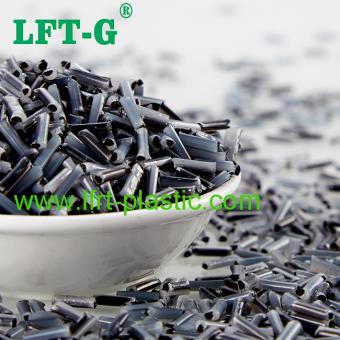
LFT-G PP Polyphenylene blends long carbon fiber thermoplasticPP Material Polypropylene (PP) is a lightweight thermoplastic material with excellent chemical resistance, low density, good moisture resistance, and excellent processability. With a density of approximately 0.90–0.91 g/cm³, PP is one of the lightest commonly used thermoplastics, making it an ideal base material for lightweight applications. PP also offers good resistance to acids, alkalis, oils, and many common chemicals, as well as good thermal stability and electrical insulation properties. These characteristics make polypropylene widely used in automotive, industrial equipment, electrical and electronics, household appliances, new energy, and other applications. PP-LCF Reinforced Material PP-LCF (Long Carbon Fiber Reinforced Polypropylene) is a high-performance thermoplastic composite that combines the lightweight characteristics of polypropylene with the outstanding mechanical properties of long carbon fibers. The long carbon fiber reinforcement significantly improves the strength, stiffness, impact resistance, dimensional stability, and creep resistance of polypropylene. At the same time, PP-LCF maintains the advantages of thermoplastic processing, making it suitable for injection-molded components requiring high strength-to-weight performance. Compared with conventional glass fiber reinforced materials, PP-LCF offers a lower density and excellent specific strength and stiffness. Its combination of lightweight construction and high mechanical performance makes it an attractive material for metal replacement and structural lightweighting applications. PP-LCF is particularly suitable for large structural parts and components where high rigidity, low weight, dimensional stability, and impact performance are required. Datasheet of PP-LCF Injection Molding PP-LCF can be processed using conventional thermoplastic injection molding technology. Due to the presence of long carbon fibers, appropriate screw and nozzle designs, mold structures, processing temperatures, injection speeds, and holding conditions should be considered to minimize fiber breakage and achieve the desired mechanical performance. Proper mold and processing design can help maintain the integrity of the long carbon fibers, improve fiber orientation, and achieve an optimal balance between strength, stiffness, surface quality, and dimensional stability. Applications of PP-LCF PP-LCF is designed for applications that require a combination of lightweight construction, high strength, high stiffness, impact resistance, and dimensional stability. It is especially suitable for large injection-molded parts and structural components. Typical applications include: • Automotive structural and semi-structural components • Battery and new energy components • Lightweight structural brackets • Industrial equipment components • High-strength housings and enclosures • Power tool components • Robotics and automation components • Lightweight transportation components • Large injection-molded structural parts PP-LCF is particularly suitable for large parts and structural applications where high strength, high stiffness, lightweight construction, and dimensional stability are required. For other application fields or specific performance requirements, please contact us for technical support and material recommendations. Testing PP-LCF materials can be evaluated through a range of physical, mechanical, and thermal performance tests, including: 1. Heat Deflection Temperature (HDT) Testing 2. Vicat Softening Temperature Testing 3. Tensile Strength Testing 4. Flexural Strength and Modulus Testing 5. Elongation Testing 6. Density Testing 7. Melt Flow Rate (MFR) Testing 8. Impact Strength Testing 9. Electrical and surface resistivity testing, where applicable 10. Other customized tests according to customer requirements Production Process 1. Carbon Fiber Surface Treatment Carbon fibers are pretreated to improve surface activity and enhance the bonding between the carbon fiber and polypropylene matrix. 2. Material Formulation Polypropylene resin, long carbon fibers, compatibilizers, and functional additives are formulated according to the required mechanical, thermal, processing, and application performance. 3. Fiber Impregnation The treated carbon fibers are continuously impregnated with the polypropylene resin to achieve effective fiber-matrix bonding and uniform resin coverage. 4. Cooling and Shaping The compounded material is cooled and shaped under controlled processing conditions while maintaining the desired long carbon fiber structure. 5. Pelletizing The continuous long carbon fiber reinforced strands are cut into pellets according to the required material specification and application. Pellet length can be customized according to customer requirements. Certifications & Quality Our quality management system and laboratory capabilities support the consistent production and testing of long carbon fiber reinforced thermoplastic materials for demanding industria...
- best long carbon fiber pp lcf30 granules
- PLA Composite Pellets
- Modified Plastic pellets
- pp modified granules manufacturer
Tags :
-
LFT-G PLA Polylactic acid blends long carbon fiber thermoplastic resin original color can be recycled plasticWhat is the PLA? Poly(lactic acid), also known as poly(propylene glycol), is a polyester polymer obtained by polymerizing lactic acid as the main raw material, which is a new type of biodegradable material. PLA has good thermal stability, processing temperature 170-230℃, good solvent resistance, and can be processed in various ways, such as extrusion, spinning, biaxial stretching, and injection blow molding. In addition to being biodegradable, products made from PLA have good biocompatibility, gloss, transparency, handfeel and heat resistance. Why filling long carbon fiber? In the modified engineering plastics industry, long fiber reinforced composites are composites made from long carbon fiber, long glass fiber, aramid fiber or basalt fiber and a polymer matrix through a series of special modification methods. The most important feature of long fiber composites is that they have superior performance that the original materials do not have. If we classify them according to the length of the reinforcing materials added, they can be divided into: long fiber, short fiber and continuous fiber composites. Long carbon fiber composites are one kind of long fiber reinforced composites, which are a new fiber material with high strength and high modulus. It is a new material with excellent mechanical properties and many special functions. Application for reference What is the difference between Long glass fiber and Short glass fiber? As the fiber length increases, the stiffness and strength of the composite material gradually increases, but the dimensional complexity gradually decreases and the productivity gradually decreases. Compared with the short fiber, it has more excellent performance in mechanical properties. It is more suitable for large products and structural parts. It has 1-3 times higher toughness than short fiber, and the tensile strength is increased by 0.5-1 times. About us Xiamen LFT composite plastic Co., Ltd. is a brand-name company that focuses on LFT&LFRT. Long Glass Fiber Series (LGF) & Long Carbon Fiber Series (LCF). The company's thermoplastic LFT can be used for LFT-G injection molding and extrusion, and can also be used for LFT-D molding. It can be produced according to customer requirements: 5~25mm length. The company's long-fiber continuous infiltration reinforced thermoplastics have passed ISO9001&16949 system certification, and the products have obtained lots of national trademarks and patents. Main products Welcome to contact us!
- PLA pellets lcf 30 polymer
- self owing pla pellets
- best long carbon fiber pla lcf30 granules
- Modified materials PLA
- carbone fiber reinforced PLA pellets
- PLA with long carbon fiber
Tags :
-
LFT-G PA12 Polyamide12 30% Long Carbon Fiber composite higher performance lightweight sample availablePA12 information Long carbon chain nylon is a nylon with amide group in the main chain repeating unit of nylon molecule, and the length of methylene group between two amide groups is more than 10. We call it as long carbon chain nylon, including nylon 11, nylon 12, etc.. PA12 is nylon 12, also known as poly(dodecalactam) and poly(laurolactam), which is a kind of long carbon chain nylon. The basic raw material for polymerization is butadiene, a semi-crystalline - crystalline thermoplastic material. Nylon 12 is the most widely used long carbon chain nylon, it has most of the general properties of nylon, in addition to low water absorption, and has high dimensional stability, high temperature resistance, corrosion resistance, good toughness, easy processing and other advantages. Compared with PA11, another long carbon chain nylon material, PA12's raw material butadiene is only one-third the price of PA11's raw material castor oil, and can be used in most scenarios instead of PA11, and has wide applications in many fields such as automotive fuel hoses, air brake hoses, submarine cables, and 3D printing. Among long-chain nylon, PA12 has great advantages compared with other nylon materials, its advantages are the lowest water absorption, lowest density, low melting point, impact resistance, friction resistance, low temperature resistance, fuel resistance, good dimensional stability, good anti-noise effect, etc. PA12 has the properties of PA6, PA66 and polyolefin (PE, PP) at the same time, to achieve the combination of lightweight and physical and chemical properties, with performance It has the advantages of light weight and physical and chemical properties. PA12-LCF If the base material is compared to concrete, the fiber is like steel reinforcement, and mixing the two is like adding steel reinforcement to concrete. If there is only concrete, the castings will easily crack under external forces, but once the high-strength reinforcement is added to it and the concrete wraps it sufficiently, they will become a single unit. When the object is subjected to external forces, the rebar can withstand most of the external forces, making the structural strength of this whole very high. Carbon fiber has many excellent properties, high axial strength and modulus of carbon fiber, low density, high specific performance, no creep, resistance to ultra-high temperature in non-oxidizing environment, good fatigue resistance, specific heat and electrical conductivity between non-metal and metal, small coefficient of thermal expansion and anisotropy, good corrosion resistance, good X-ray transmittance. Good electrical and thermal conductivity, good electromagnetic shielding, etc. Compared with traditional glass fiber, carbon fiber has more than 3 times of Young's modulus; it is about 2 times of Young's modulus compared with Kevlar fiber, which is insoluble and swollen in organic solvents, acids and alkalis, and has outstanding corrosion resistance. Nylon itself is an engineering plastic with excellent performance, but moisture absorption, poor dimensional stability of products. Strength and hardness is also far from metal. In order to overcome these shortcomings, as early as before the 70s. People have used carbon fiber or other varieties of fibers for reinforcement to improve its performance. Carbon fiber reinforced nylon materials have developed rapidly in recent years, because nylon and carbon fiber are excellent performance in the field of engineering plastics materials, its compound material synthesis reflects the superiority of the two, such as strength and rigidity than unreinforced nylon is much higher, high temperature creep is small, thermal stability has improved significantly, good dimensional accuracy, wear resistance. Excellent damping, compared with glass fiber reinforced has better performance. Therefore, carbon fiber reinforced nylon (CF/PA) composites have developed rapidly in recent years. Datasheet for reference Nylon 12 has low water absorption, good low temperature resistance, good air tightness, excellent alkali and grease resistance, medium resistance to alcohols and inorganic dilute acids and aromatics, good mechanical and electrical properties, and is a self-extinguishing material. Application Suitable for the automotive, sports parts, solar energy, high-end toys and other industries. Other products you may wonder PP-LCF PA6-LCF PA66-LCF ...
- Nylon composite pellets Polymer granules
- Nylon polymer LCF
- Modified materials Nylon PA12
- extrusion level Nylon modified
- pa lcf30
- carbone fiber reinforced pa12 pellets
Tags :
-
LFT-G brand PA6 Nylon6 composite Long Carbon Fiber modified plastic 12mm in length original colorBackground At present, modern design tends to light weight requirements, the use of plastic proportion is increasing, no matter what industry, as long as the plastic can replace the absolutely no metal, plastic another advantage is the process cost is low, molding easier. Among the many polymer plastic materials, nylon and lead the way, especially in the automotive industry, nylon materials are essential. Therefore, it is necessary to understand the nylon industry. PA6 plastic Polyamide resin, the English name is polyamide, abbreviated as PA, commonly known as nylon (Nylon). It is a general term for polymers containing amide groups in the repeating units of the macromolecular main chain. It is one of the five major engineering plastics with the largest production, the most varieties, the most versatile species, with other polymer blends and alloys, etc., to meet different special requirements, widely used as a substitute for metal, wood and other traditional materials. The main varieties of nylon are nylon 6 (PA6) and nylon 66 (PA66), which occupy the absolute dominant position. Nylon 6 (PA6) is a polycaprolactam. The chemical and physical properties of PA6 are very similar to PA66, however, it has a lower melting point and a wide range of process temperatures. It has better impact and dissolution resistance than PA66, but is also more hygroscopic. Long Carbon Fiber compounds Long carbon fiber composite material is a kind of long fiber reinforced composite material, which is a new fiber material with high strength and high modulus fiber. LCF carbon fiber composite material shows high strength along the fiber axis direction, and has high strength and light weight, and has a full range of mechanical properties such as density, specific strength and specific modulus that are incomparable with other materials, which is a new material with excellent mechanical properties and many special functions. It is a new material with excellent mechanical properties and many special functions. Corrosion resistance: LCF carbon fiber composite materials have good corrosion resistance and can adapt to the harsh working environment. UV resistance: the ability to resist UV is strong, and the products are less damaged by UV. Abrasion and impact resistance: the advantage of comparing with general materials is more obvious. Low density: lower density than many metal materials, can achieve the purpose of light weight. Other properties: such as reducing warpage, improving rigidity, impact modification, increasing toughness, electrical conductivity, etc. LCF carbon fiber composites have higher strength, higher rigidity, lower weight, and excellent electrical conductivity compared with glass fiber. Datasheet Application PA6 is generally used for automotive parts, mechanical components, electronic and electrical products, engineering parts and other products. Product details Number Color Length MOQ Sample Package Delivery time Port of Loading PA6-NA-LCF30 Natural color (or as customized) 12mm about 1 ton Available 20kg/bag 7-15 days after shipment Xiamen Port About us Located in Xiamen, have over ten years of experience in the modified plastic industry. Xiamen LFT composite plastic Co., Ltd. is a brand-name company that focuses on LFT&LFRT. Long Glass Fiber Series (LGF) & Long Carbon Fiber Series (LCF). The company's thermoplastic LFT can be used for LFT-G injection molding and extrusion, and can also be used for LFT-D molding. It can be produced according to customer requirements: 5~25mm length. The company's long-fiber continuous infiltration reinforced thermoplastics have passed ISO9001&16949 system certification, and the products have obtained lots of national trademarks and patents.view more