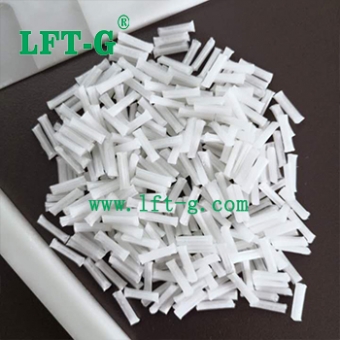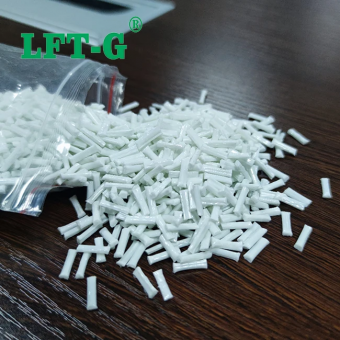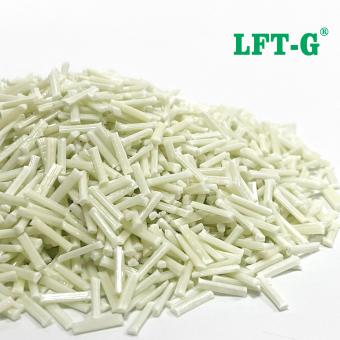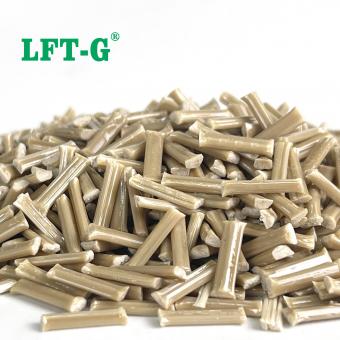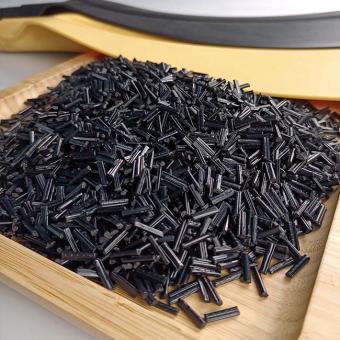
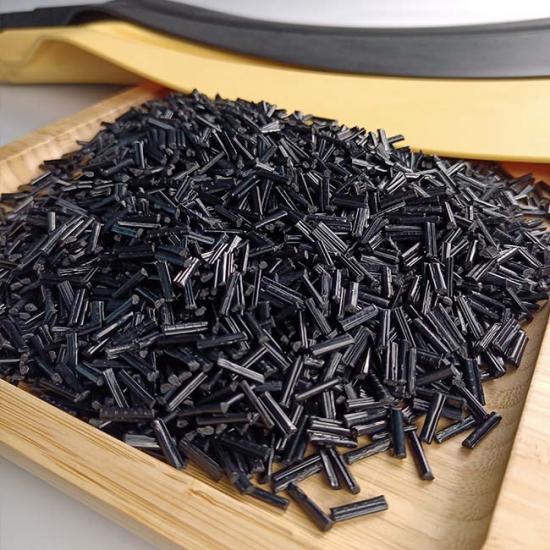
item no.:
PP-NA-LCFPayment:
T/T or L/C (other payment ways also can be diproduct origin:
Xiamen, ChinaColor:
Original color (also can be customized)shipping port:
Xiamen, ChinaPP Material
Polypropylene (PP) is a lightweight thermoplastic material with excellent chemical resistance, low density, good moisture resistance, and excellent processability. With a density of approximately 0.90–0.91 g/cm³, PP is one of the lightest commonly used thermoplastics, making it an ideal base material for lightweight applications.
PP also offers good resistance to acids, alkalis, oils, and many common chemicals, as well as good thermal stability and electrical insulation properties. These characteristics make polypropylene widely used in automotive, industrial equipment, electrical and electronics, household appliances, new energy, and other applications.
PP-LCF Reinforced Material
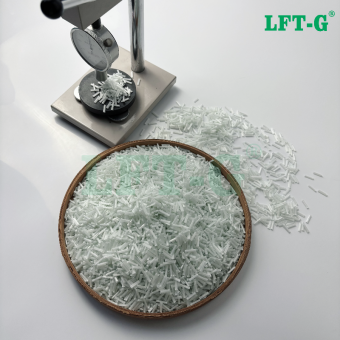
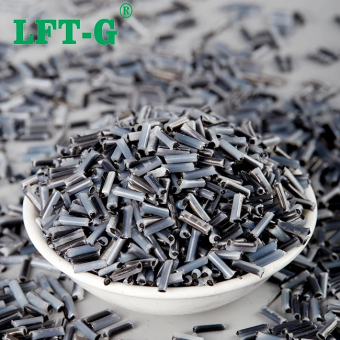
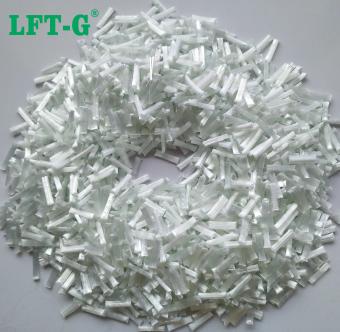
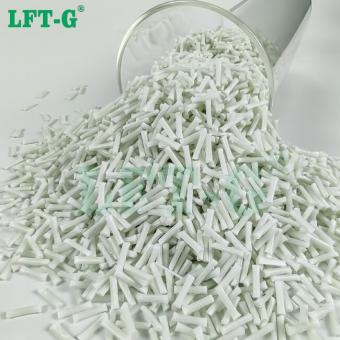
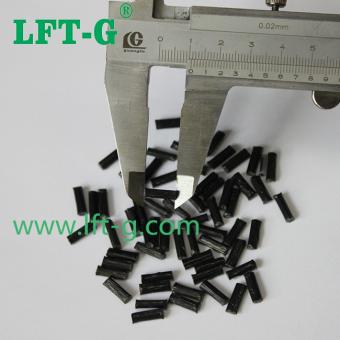
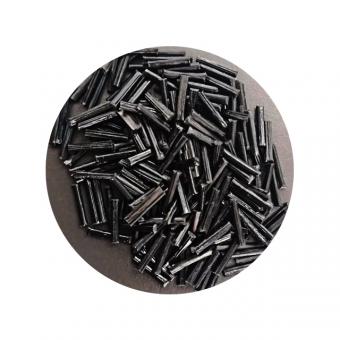
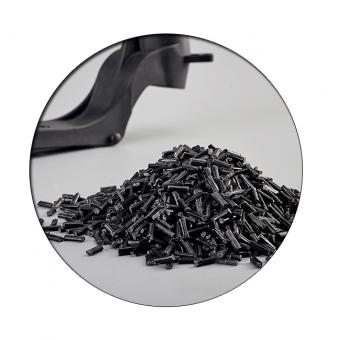
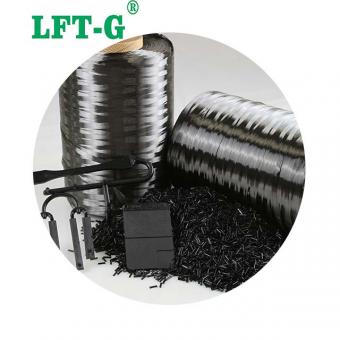
PP-LCF (Long Carbon Fiber Reinforced Polypropylene) is a high-performance thermoplastic composite that combines the lightweight characteristics of polypropylene with the outstanding mechanical properties of long carbon fibers.
The long carbon fiber reinforcement significantly improves the strength, stiffness, impact resistance, dimensional stability, and creep resistance of polypropylene. At the same time, PP-LCF maintains the advantages of thermoplastic processing, making it suitable for injection-molded components requiring high strength-to-weight performance.
Compared with conventional glass fiber reinforced materials, PP-LCF offers a lower density and excellent specific strength and stiffness. Its combination of lightweight construction and high mechanical performance makes it an attractive material for metal replacement and structural lightweighting applications.
PP-LCF is particularly suitable for large structural parts and components where high rigidity, low weight, dimensional stability, and impact performance are required.
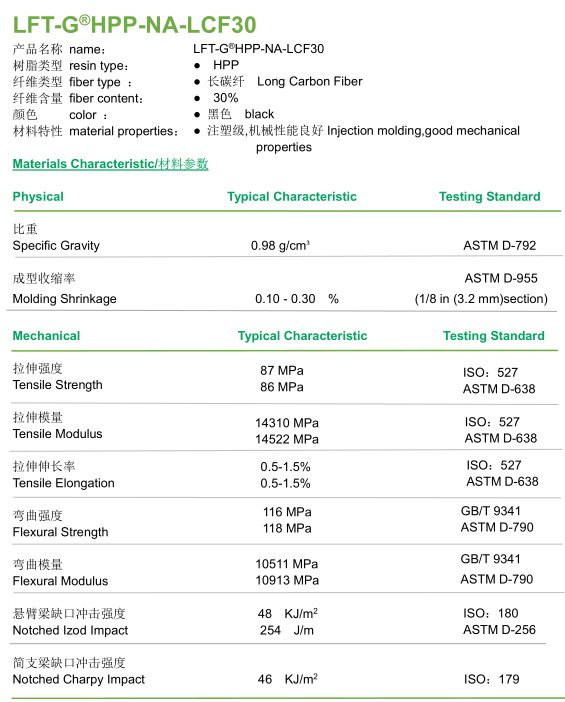
Datasheet of PP-LCF
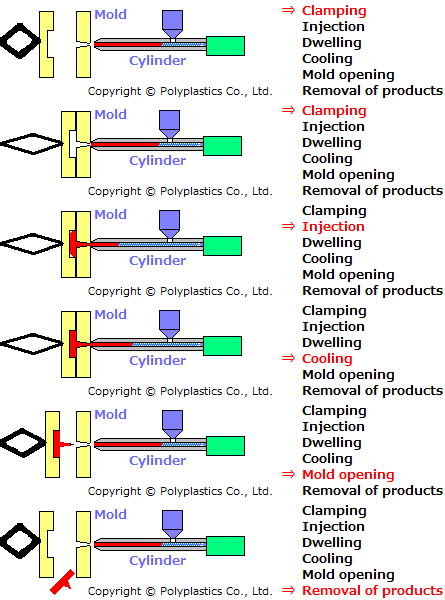
Injection Molding
PP-LCF can be processed using conventional thermoplastic injection molding technology. Due to the presence of long carbon fibers, appropriate screw and nozzle designs, mold structures, processing temperatures, injection speeds, and holding conditions should be considered to minimize fiber breakage and achieve the desired mechanical performance.
Proper mold and processing design can help maintain the integrity of the long carbon fibers, improve fiber orientation, and achieve an optimal balance between strength, stiffness, surface quality, and dimensional stability.
Applications of PP-LCF
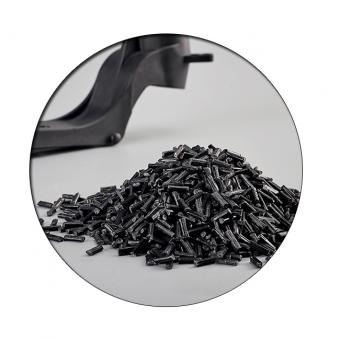
PP-LCF is designed for applications that require a combination of lightweight construction, high strength, high stiffness, impact resistance, and dimensional stability. It is especially suitable for large injection-molded parts and structural components.
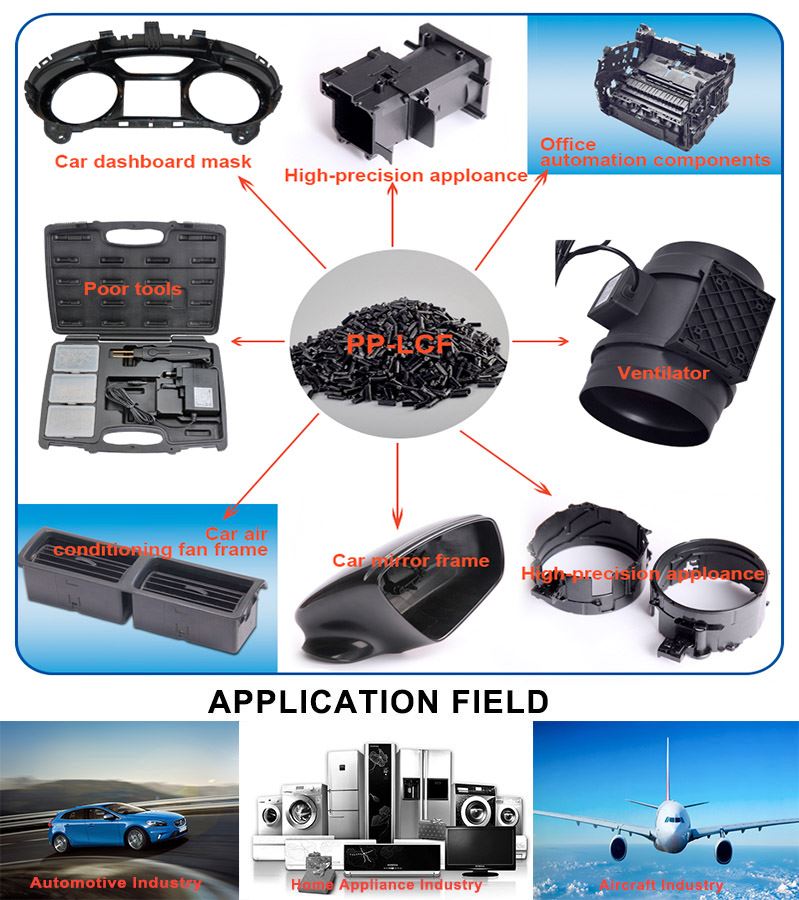
Typical applications include:
• Automotive structural and semi-structural components
• Battery and new energy components
• Lightweight structural brackets
• Industrial equipment components
• High-strength housings and enclosures
• Power tool components
• Robotics and automation components
• Lightweight transportation components
• Large injection-molded structural parts
PP-LCF is particularly suitable for large parts and structural applications where high strength, high stiffness, lightweight construction, and dimensional stability are required.
For other application fields or specific performance requirements, please contact us for technical support and material recommendations.
Testing
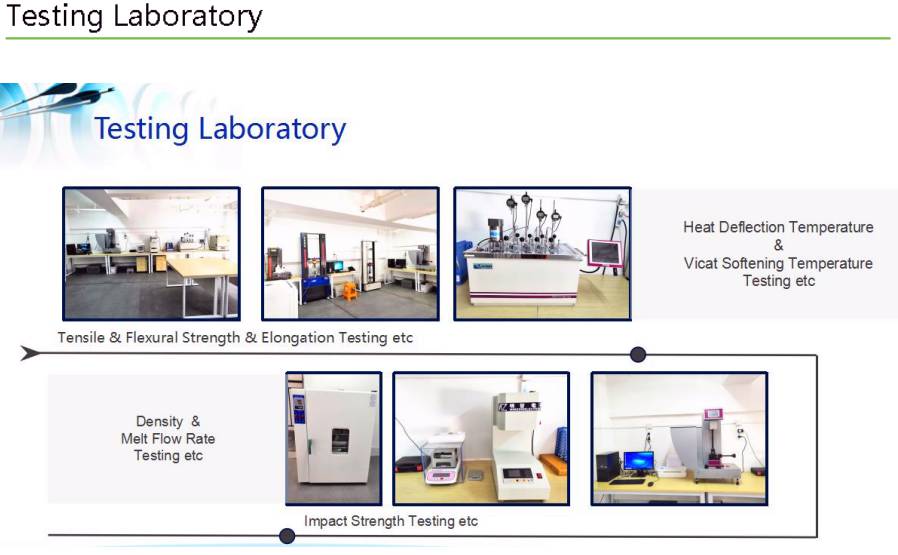
PP-LCF materials can be evaluated through a range of physical, mechanical, and thermal performance tests, including:
1. Heat Deflection Temperature (HDT) Testing
2. Vicat Softening Temperature Testing
3. Tensile Strength Testing
4. Flexural Strength and Modulus Testing
5. Elongation Testing
6. Density Testing
7. Melt Flow Rate (MFR) Testing
8. Impact Strength Testing
9. Electrical and surface resistivity testing, where applicable
10. Other customized tests according to customer requirements
Production Process
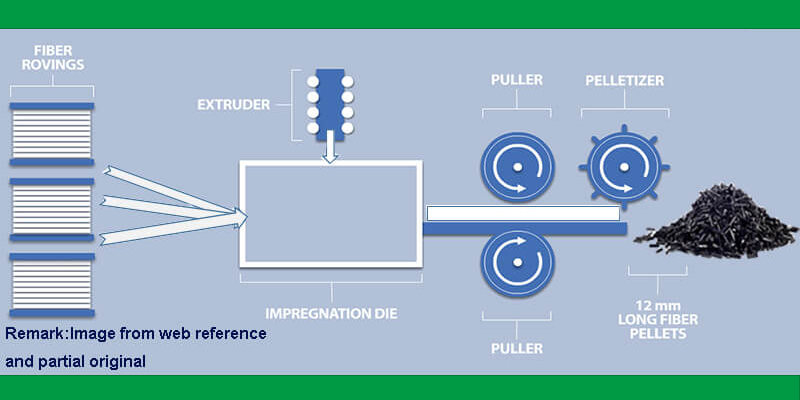
1. Carbon Fiber Surface Treatment
Carbon fibers are pretreated to improve surface activity and enhance the bonding between the carbon fiber and polypropylene matrix.
2. Material Formulation
Polypropylene resin, long carbon fibers, compatibilizers, and functional additives are formulated according to the required mechanical, thermal, processing, and application performance.
3. Fiber Impregnation
The treated carbon fibers are continuously impregnated with the polypropylene resin to achieve effective fiber-matrix bonding and uniform resin coverage.
4. Cooling and Shaping
The compounded material is cooled and shaped under controlled processing conditions while maintaining the desired long carbon fiber structure.
5. Pelletizing
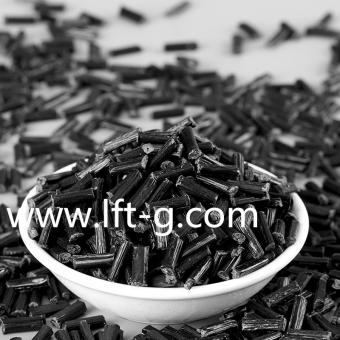
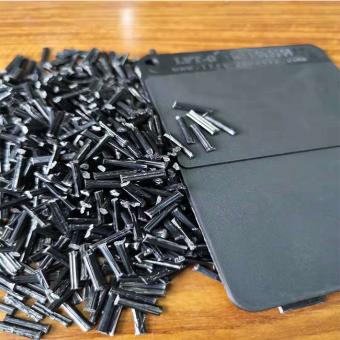
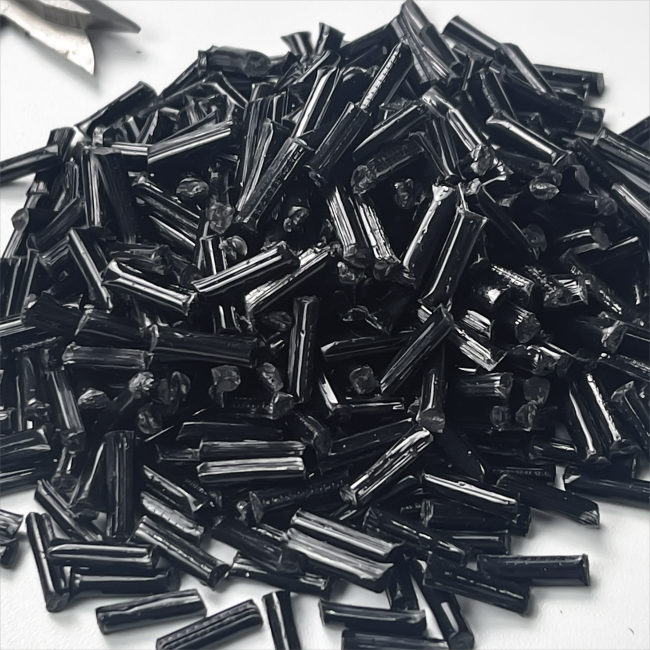
The continuous long carbon fiber reinforced strands are cut into pellets according to the required material specification and application. Pellet length can be customized according to customer requirements.
Certifications & Quality
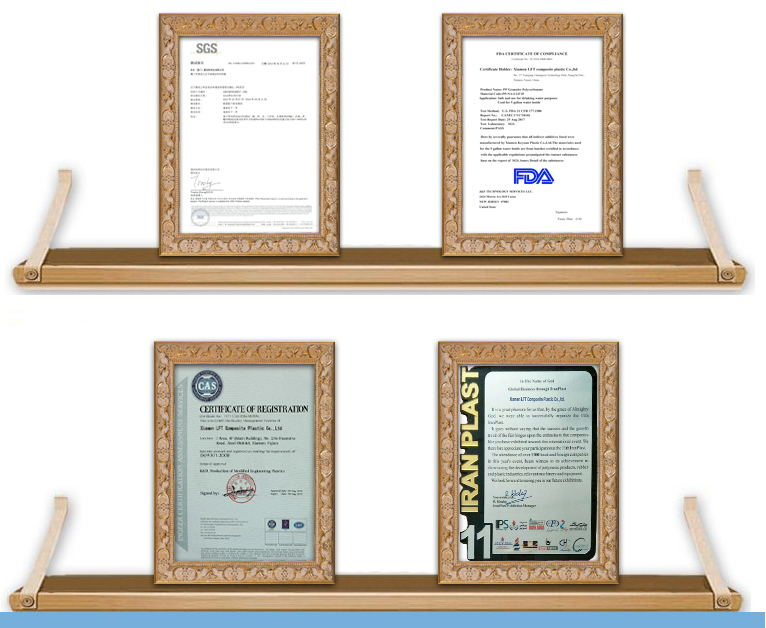
Our quality management system and laboratory capabilities support the consistent production and testing of long carbon fiber reinforced thermoplastic materials for demanding industrial applications.
1. IATF 16949:2016 Quality Management System
2. ISO 14001:2015 Environmental Management System
3. Laboratory Testing and Evaluation Capabilities
4. Modified Plastics Innovation Enterprise Qualifications
5. REACH & RoHS Compliance / Testing
Frequently Asked Questions
Q. What are the advantages of PP-LCF materials?
A. PP-LCF combines the low density and chemical resistance of polypropylene with the high strength and stiffness of long carbon fibers. It offers excellent strength-to-weight performance, high rigidity, good impact resistance, low warpage, improved dimensional stability, and good creep resistance. These properties make PP-LCF an excellent choice for lightweight structural applications and metal replacement.
Q. What is the difference between PP-LCF and PP-LGF?
A. Both materials use long fibers to reinforce polypropylene, but carbon fiber generally provides a higher specific strength and stiffness with a lower density. PP-LCF is therefore particularly suitable for applications requiring high mechanical performance, lightweight construction, dimensional stability, or electrical conductivity. PP-LGF, on the other hand, provides a more cost-effective reinforcement solution for many structural applications.
Q. Can PP-LCF replace metal components?
A. In suitable applications, PP-LCF can replace certain metal components and conventional engineering plastics. Its high strength-to-weight ratio can help reduce component weight while maintaining the required mechanical performance. Final material selection should be based on the specific load, temperature, environmental, and processing requirements of the application.
Q. Are there any special requirements for PP-LCF injection molding?
A. Yes. The long carbon fiber reinforcement should be considered when selecting the injection molding machine, screw and nozzle design, mold structure, gate design, processing temperature, injection speed, and holding conditions. Proper processing helps minimize fiber breakage and maintain the mechanical performance of the material.
Q. Can PP-LCF materials be recycled?
A. Yes. PP-LCF is a thermoplastic composite and can be mechanically recycled and reprocessed under appropriate conditions. However, the properties of recycled material may differ from virgin material depending on the processing history, fiber length retention, and recycling ratio.
follow us :


-- get updates with latest topics

 e-mail
 English
 français
 Deutsch
 русский
 italiano
 español
 português
 العربية
 日本語
日本語 한국의
한국의 中文
中文