e-mail
 English
 français
 Deutsch
 русский
 italiano
 español
 português
 العربية
 日本語
日本語 한국의
한국의 中文
中文


-
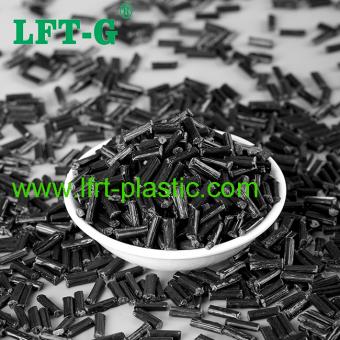
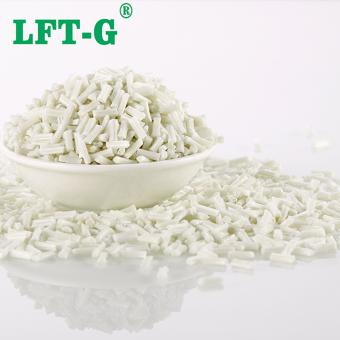
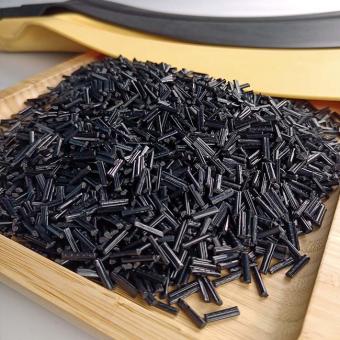
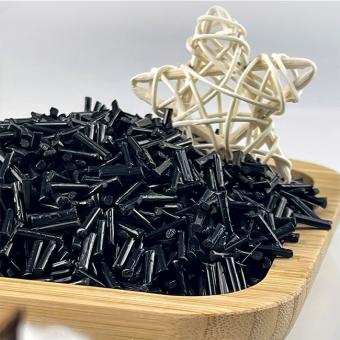
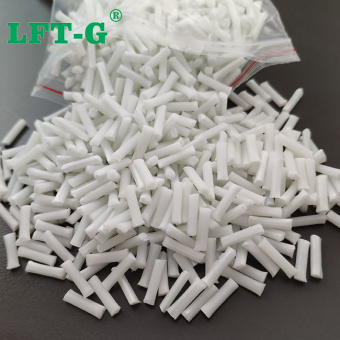
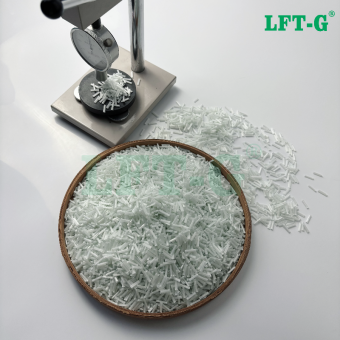
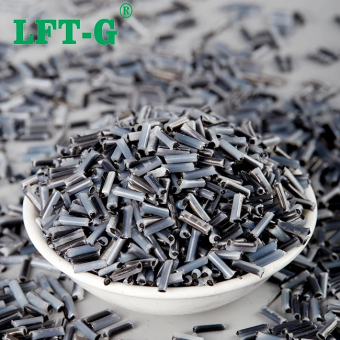
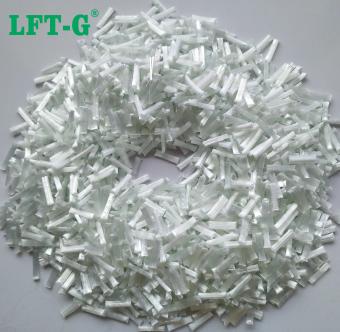
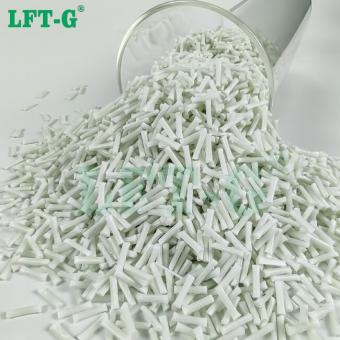
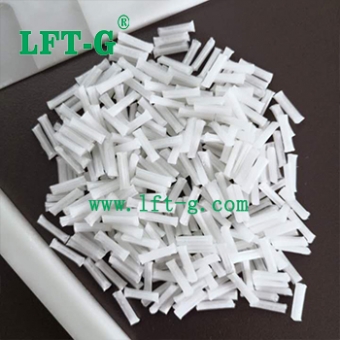
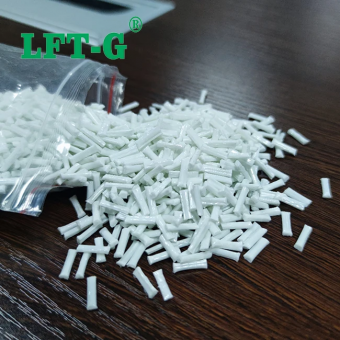
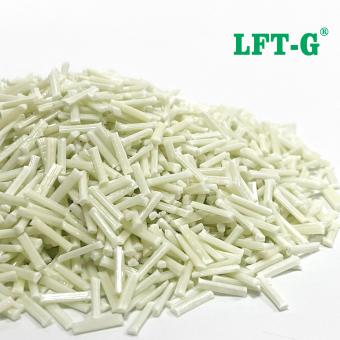
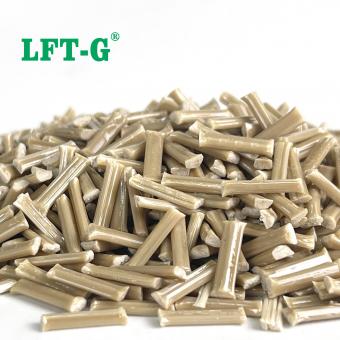
LFT-G PA66 Nylon66 compound Long Carbon Fiber 20%-60% higher performance injection moldingPolyamide series Nylon is the common name of polyamide (PA), is the general term for thermoplastic resins containing repeated amide groups on the main chain of the molecule, including aliphatic polyamide, aliphatic aromatic polyamide and aromatic polyamide. As the first of the five engineering plastics, nylon has an extremely wide range of industrial applications, mainly used in automotive parts, mechanical parts, electronic and electrical appliances, cosmetics, adhesives and packaging materials and other fields. Among them, aliphatic polyamide, mainly nylon 66, is the most productive and widely used. Polyamide66 Nylon 66 (PA66) is a kind of polyamide formed by the condensation of adipic acid and adipdiamine. The molecular formula is shown in the figure Advantages: high strength, corrosion resistance, good wear resistance, and has self-lubrication, flame retardant, non-toxic environmental protection and other excellent performance. Disadvantages: poor heat and acid resistance, low impact strength in dry state and low temperature, water absorption greatly affects the dimensional stability and electrical properties of products. Long carbon fiber filling PA6 Long carbon fiber is an inorganic polymer material with more than 90% carbon content, which is obtained by carbonization and graphitization of organic fibers. The microstructure of long carbon fiber is similar to that of artificial graphite (C atoms arranged in layers). Advantages: light weight, high strength, high modulus, high temperature resistance, wear resistance, corrosion resistance, fatigue resistance, electrical and thermal conductivity, etc. Disadvantages: high cost, relatively difficult to infiltrate, poor transparency, defects difficult to check, etc. According to the source of carbon fiber, long carbon fiber can be divided into: Polyacrylonitrile-based long carbon fiber Asphaltic long carbon fiber Viscosified long carbon fiber Long carbon fiber composite material is a very useful structural material, it is not only light, high temperature resistance, but also has a high tensile strength and elastic modulus, is the manufacturing of spacecraft, rockets, missiles, high-speed aircraft and large passenger aircraft indispensable components of the material. It is also widely used in transportation, chemical industry, metallurgy, construction and other industrial sectors as well as sports equipment. Datasheet for reference The density of A66/CF composite material is less than 1.3, which is less than one sixth of the density of steel (7.85), achieving the purpose of lightweight, which is conducive to energy saving and consumption reduction. In the PA66/CF composite system, the length of CF is about 0.5 ~ 0.7mm, the interface between PA66 matrix and carbon fiber is fully combined, and nylon 66 is well wrapped around carbon fiber. The fracture surface of PA66/CF sample is rough, and the PA66/CF composite is a ductile material. Compared with PA66, the mechanical properties of PA66/CF composites are significantly improved. Trade fairs we attended Xiamen LFT composite plastic Co., Ltd. is a brand-name company that focuses on LFT&LFRT. Long Glass Fiber Series (LGF) & Long Carbon Fiber Series (LCF). The company's thermoplastic LFT can be used for LFT-G injection molding and extrusion, and can also be used for LFT-D molding. It can be produced according to customer requirements: 5~25mm in length. The company's long-fiber continuous infiltration reinforced thermoplastics have passed ISO9001&16949 system certification, and the products have obtained lots of national trademarks and lots of patents.
- "LFT composite"
- long carbon fiber polyamide pa66
- carbon fiber reinforced plastics granules
- long fiber compounds pa66
- pa66 lcf30
- long fiber composite pa66 granules
Tags :
-
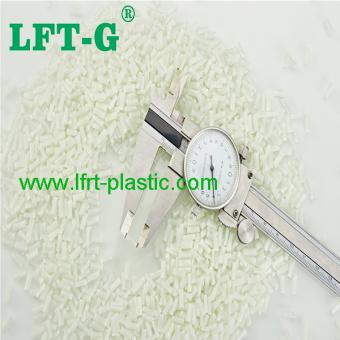
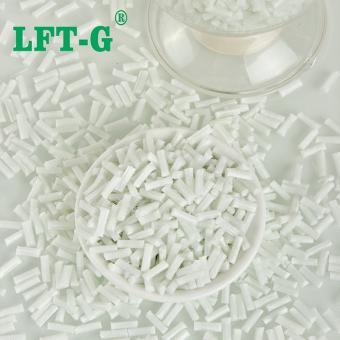
LFT reinforced plastic PA12 filling Long Glass Fiber original white color for sports parts and solar energyPA12 Nylon 12 is the least dense of the nylon series at 1.02. Its characteristics include low water absorption, good dimensional stability, good low temperature resistance, up to -70℃; Low melting point, easy forming processing, forming temperature range is wide; Soft, chemical stability, oil resistance, wear resistance are good, and is a self-extinguishing material. The long-term use temperature is 80℃ (up to 90℃ after heat treatment), can work at 100℃ for a long time in oil, inert gas can work at 110℃ for a long time. Long Glass Fiber Long fiber reinforced thermoplastics (fibrereinforced thermoplastics), referred to as LFT, refers to glass fiber reinforced composite materials (LFT) with a length of more than 5mm, has good molding processing properties, can be molded by injection, molding, extrusion and other processes, When forming, the plastic has good molding fluidity, and can be formed under low pressure. It can be formed into products with complex shapes, and the apparent mass of products is better than GMT. TDS for reference only Application Packing Industry introduction LFT & LFRT, long fiber reinforced thermoplastic engineering plastics, compared to conventional short fiber reinforced thermoplastics, typically have a fiber length of less than 1 to 2 mm in conventional short fiber reinforced thermoplastics, while the LFT process the thermoplastic engineering plastics produced have been able to maintain fiber lengths above 5 to 25 mm. The long fiber is impregnated with a special resin system to obtain a long strip which is sufficiently wetted by the resin, and then cut into a desired length as required. The most used matrix resin is PP, by PA6, PA66, PPA, PA12, MXD6, PBT, PET, TPU, PPS, LCP, PEEK and the like. Conventional fibers include glass fiber and carbon fiber. Special fibers include basalt fiber and quartz fiber. The LFT of the long fiber material can achieve better mechanical properties. According to the final different applications, the finished product can be used for injection molding, extrusion and molding, Etc., directly used to replace steel and thermoset products.
- long glass fiber polyamide12
- long fibre reinforced thermoplastics
- glass fiber reinforced plastics granules
- pa12 lgf30
- polyamide 12 lgf30
- lft pa6 modified
Tags :
-
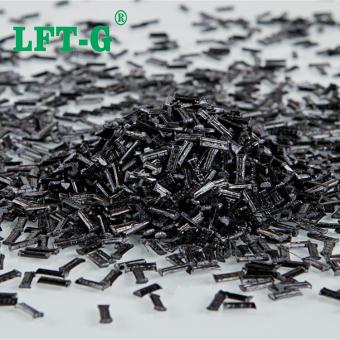
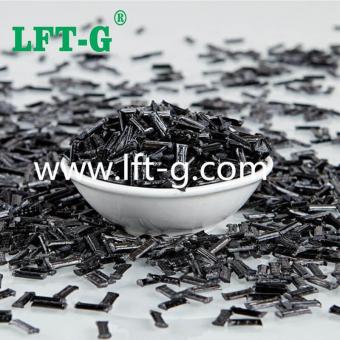
LFT PPS Long Carbon Fiber compoosite material reinforced plastic lcf high toughness for carsPPS-LCF materials Polyphenylene sulfide (PPS) is a linear semi-crystalline polymer with benzene ring and sulfur atoms composed of molecular main chain, its melting point is about 280℃, and has many excellent characteristics, with a series of excellent properties, such as excellent mechanical properties, chemical stability, solvent resistance, flame retardant, and has good processing and molding properties. As a kind of special engineering plastic with the largest output at present, the market application foundation is mature. In addition, in the molding process, pultrusion molding, injection molding, molding and other methods can be processed. By reinforcing PPS resin with carbon fiber, excellent mechanical properties and heat resistance composites can be prepared. At present, PPS fiber reinforced composites have been widely used in the aerospace field. Tencate Company of the United States uses PPS resin of Fortron brand of Ticona company of Germany to produce carbon fiber /PPS composites based on fabric hot pressing molding method. The material is used in Airbus A340 and A380 aircraft wing main edge, A340 aircraft aileron structure, Fokker50 aircraft landing gear door stress rib and girder, G650 business aircraft tail, rudder and elevator components. Advantages Performance characteristics: ◊ receiving aerospace OEM specifications and receiving certification; ◊ excellent cost performance; ◊ Working temperature exceeding Tg according to the design requirements on parts; ◊ laminates can protect against lightning strike and electrochemical corrosion. ◊ inherent flame retardant ◊ excellent chemical stability and solvent resistance; ◊ Long-term storage at ambient temperature. Main applications: ◊ Major and minor aircraft structures: ◊ wing leading edge, engine tower, body splint structure, etc. ◊ aircraft interior structure: ◊ seat structure parts, trunk, etc ◊ On specific requirements on corrosion resistance, dimensional stability, and shock absorption on high-end industrial areas Application Production process Our team and customers Come and contact us!view more
-
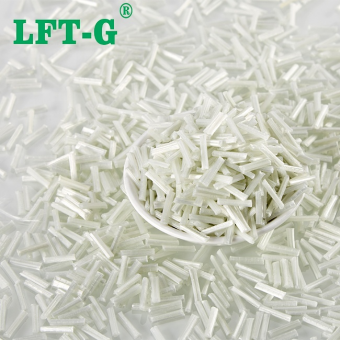
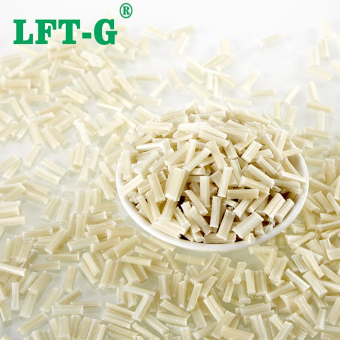
LFT-G TPU Thermoplastic Urethane filling long glass fiber materials compounds plastic high performanceWhat is TPU? TPU(Thermoplastic polyurethanes) name is elastomer rubber. It is mainly divided into polyester type and polyether type, its hardness range is wide (60HA-85HD), wear resistance, oil resistance, transparent, good elasticity, in daily necessities, sports goods, toys, decorative materials and other fields are widely used, halogen-free flame retardant TPU can also replace soft PVC to meet more and more fields of environmental protection requirements. The so-called elastic body refers to the glass transition temperature is lower than the room temperature, elongation at break >50%, the external force removed after the good recovery polymer material. Polyurethane elastomer is a special category of elastomer, polyurethane elastomer hardness range is very wide, performance range is very wide, so polyurethane elastomer is a kind of polymer material between rubber and plastic. It can be heated plasticized and has little or no crosslinking in chemical structure. Its molecules are basically linear, but there is some physical crosslinking. This type of polyurethane is called a TPU. Why filling long glass fiber? Long glass fiber reinforced composites can solve your problems when other methods of reinforced plastics do not provide the performance you need or if you want to replace metal with plastic. Long glass fiber reinforced composites can cost-effectively reduce the cost of goods and effectively improve the mechanical properties of engineering polymers, and increase the durability by forming long fibers to form a long-fiber-reinforced internal skeleton network. Performance is preserved in a wide range of environments. Compared with Short glass fiber Application Car doors and windows, Safty toe, Mechanical parts, Pneumatic nail gun boxes, Professional power tools, Nut and bolts, Etc. About us Xiamen LFT composite plastic Co., Ltd. is a brand-name company that focuses on LFT&LFRT. Long Glass Fiber Series (LGF) and Long Carbon Fiber Series (LCF). The company's thermoplastic LFT can be used for LFT-G injection molding and extrusion, and also be used for LFT-D molding. It can be produced according to customer requirements: 5~25mm in legnth. The company's long-fiber continuous infiltration reinofrced thermoplastics have passed ISO9001&16949 system certification, and the products have obtained lots of national trademarks and patents. Quality Management System ISO9001&16949 Certification National Laboratory Accreditation Certificate Modified Plastics Innovation Enterprise Honorary Certificate Heavy metal REACH & ROHS testing
- tpu lft
- long glass fiber TPU
- long fiber composite TPU granules
- long glass fiber reinforced TPU lft
Tags :
-
Xiamen LFT MXD6 filling Long glass fiber30 high toughness injection molding natural color sample availableMXD6 Polyadipyl-m-benzoylamine, referred to as mxd6, generally referred to as "nylon mxd6", resin than other engineering plastics have higher mechanical strength and modulus, is also a special high barrier nylon material. Although the barrier of mxd6 is slightly worse than that of pvdc and evoh, its barrier is not affected by temperature and humidity, which is especially suitable for high temperature and humid occasions. In today's barrier packaging and plastic instead of steel general trend, nylon mxd6 has become one of the most eye-catching new plastic varieties. Structure performance: PA MXD6 nylon material has high strength, high rigidity, high thermal deformation temperature, small thermal expansion coefficient; Dimensional stability, low water absorption rate and small size change after water absorption, mechanical strength changes less; Forming shrinkage is small, suitable for precision forming processing; Excellent coating performance, especially suitable for high temperature surface coating; Excellent barrier to oxygen, carbon dioxide and other gases. Excellent mechanical and thermal properties and high strength, high modulus and heat resistance, high barrier, excellent cooking resistance Advantages 1、Maintain high strength and rigidity in a wide temperature range 2、High heat deflection temperature, small coefficient of thermal expansion 3、Low water absorption, small size change after water absorption, less mechanical strength reduction 4、Small shrinkage rate of molding, suitable for precision molding process 5、Excellent paintability, especially suitable for surface painting under high temperature 6、Excellent barrier to oxygen, carbon dioxide and other gases MXD6-LGF MXD6 applications in the plastics modification industry MXD6 can be compounded with glass fibers, carbon fibers, minerals and/or advanced fillers for materials containing 50-60% glass fiber reinforcement with exceptional strength and stiffness. Even when filled with high levels of glass fiber, its smooth, resin-rich surface creates a high gloss finish like no glass fiber, making it ideal for painting, metal coating or creating naturally reflective housings. 1、High fluidity for thin wall It is a very high flowing resin that can easily fill thin walls as thin as 0.5 mm thick even with glass fiber content as high as 60%. 2、Excellent surface finish The resin-rich perfect surface has a highly polished appearance, even with a high glass fiber content. 3、Very high strength and stiffness MXD6 with 50-60% glass fiber reinforcement has a tensile and flexural strength similar to many cast metals and alloys. 4、Good dimensional stability At ambient temperature, the coefficient of linear expansion (CLTE) of MXD6 glass fiber composite is similar to that of many cast metals and alloys. It is highly reproducible due to low shrinkage and the ability to maintain tight tolerances (length tolerances can be as low as ± 0.05% if properly formed). TDS for reference only Application MXD6 replaces metal to make high quality structural parts for automobiles, electronics and electrical appliances In automotive parts, many occasions require material products with high mechanical strength and good oil resistance, and can be used in the range of 120-160℃ for a long time. The glass fiber reinforced MXD6 has a heat resistance of up to 225℃ and a high strength retention rate at high temperature, which can be used for cylinder block, cylinder head, piston, synchronous gear of automobile engines, etc. MXD6/PPO alloy has the properties of high temperature resistance, high strength, oil resistance, wear resistance, good dimensional stability, etc. It can be used for vertical outer panels of automobile bodies, front and rear fenders, wheel covers and almost impossible to be stamped and formed by steel plates. curved parts and chassis of automobiles. About usview more
-
LFT-D PP reinforced plastic filling long carbon fiber polypropylene higher performance 12mm natural colorPP material PP is a polymer made of propylene as monomer by coordination polymerization, and is one of the five major general-purpose plastics PE, PP, PVC, PS and ABS. 1. colorless, tasteless, five toxic, unadded PP material compounded with FDA and other food-grade material requirements; 2. due to the crystalline nature of PP, the original color milky white translucent, better transparency than PE; 3. low specific gravity of 0.9, almost one of the lightest plastics than water; 4. good toughness, especially repeated resistance to bending ability, commonly known as 100 fold rubber; 5. better heat resistance than PE, which can reach up to 120°C; 6. good resistance to hydrolysis and can be sterilized by high temperature steam 7. good chemical resistance, especially acid resistance, can be due to the storage of concentrated sulfuric acid containers; 8. outdoor use is susceptible to light, ultraviolet light and other aging. Modified PP material PP material by filling carbon fiber can increase the rigidity and modulus of PP material, reduce the material deformation caused by shrinkage, but at the same time the material toughness decreases. By adding anti-UV agent, anti-aging agent can improve the outdoor use performance of PP, and adding flame retardant material can improve the flame retardant performance of PP. TDS for reference only SGF VS LGF Long carbon fiber specification Application Product processing We will offer you 1. LFT&LFRT material technical parameters and leading edge design 2. Mold front design and recommendations 3. Provide technical support such as injection molding and extrusion molding
- long carbon fiber reinforced pp
- long fiber compounds pp
- long fiber composite PP granules
- long carbon fiber polypropylene
Tags :
-
LFT-G PA6 LCF nylon6 filling long carbon fiber reinforced material high quality for manufacturing helmesPolyamide6 Nylon 6 (PA6) as a general engineering plastics, with light weight, wear resistance, corrosion resistance, good toughness and other characteristics, and as a common thermoplastic resin, its heating can be softened, cooling can be hardened, and can be repeatedly heated softening, cooling hardening, repeated processing characteristics. Long carbon fiber With high strength, high modulus, large specific surface area and aspect ratio, and high electrical conductivity, carbon fiber fabrics have superior mechanical properties compared to glass fiber and can provide maximum strength in the fiber direction. Carbon fiber reinforced composites are stronger than polymer matrix materials, while maintaining the advantage of light weight, and are gradually replacing traditional metal materials in the fields of electronic products, electric vehicles, medical devices, industrial equipment and sports and leisure products. LCF VS SCF Advantage of LCF (1) High strength and high toughness (2) Small coefficient of thermal expansion (3) Low hardness and light weight (4) Corrosion resistance and aging resistance (5) Temperature resistance TDS for reference Application Suitable for manufacturing helmets, car bumps and robotic arm etc. Certifications Injection molding Factory & Warehouse Teams & Customers About us Xiamen LFT composite plastic Co., Ltd is a brand-name company that focuses on LFT&LFRT. Long Glass Fiber Series (LGF) & Long Carbon Fiber Series (LCF). The company's thermoplastic LFT can be used for LFT-G injection molding and extrusion, and can also be used for LFT-D molding. It can be produced according to customer requirements: 5~25mm in length. The company's continuous infiltration reinforced thermoplastics have passed ISO9001&16949 system certification, and the products have obtained lots of national trademarks and patents.
- long carbon fiber reinforced pa6
- long fiber compounds pa6
- long fiber composite pa6 granules
- long carbon fiber polyamide6
Tags :
-
LFT-G PA12 long carbon fiber compounds reinforced nylon12 high impact resistance for car partsLong carbon fiber Carbon fiber has many excellent properties, high axial strength and modulus, low density, high specific performance, no creep, super high temperature resistance in non-oxidizing environment, good fatigue resistance, specific heat and electrical conductivity between non-metal and metal, small coefficient of thermal expansion and anisotropy, good corrosion resistance, good X-ray transmission. Good electrical and thermal conductivity, good electromagnetic shielding, etc. Compared with traditional glass fiber, carbon fiber has more than 3 times of Young's modulus; it is about 2 times of Young's modulus compared with Kevlar fiber, which is insoluble and swollen in organic solvents, acids and alkalis, and has outstanding corrosion resistance. But is there a way to reduce the price of carbon fiber? That is to mix it with relatively cheap nylon material to form a composite material with good performance and meet the requirements. In that case, there is no doubt that carbon fiber nylon will definitely have a place in the composite material. Nylon itself is an engineering plastic with excellent performance, but moisture absorption, poor dimensional stability of products. Strength and hardness are also far from metal. In order to overcome these shortcomings, as early as before the 70s. People have used carbon fiber or other varieties of fibers for reinforcement to improve its performance. Carbon fiber reinforced nylon materials have developed rapidly in recent years, because nylon and carbon fiber are excellent performance in the field of engineering plastics materials, its compound material synthesis reflects the superiority of the two, such as strength and rigidity than unreinforced nylon is much higher, high temperature creep is small, thermal stability has improved significantly, good dimensional accuracy, wear resistance. Excellent damping, compared with glass fiber reinforced has better performance. Therefore, carbon fiber reinforced nylon (CF / PA) composites have developed rapidly in recent years. And for 3D printing using SLS technology is the most suitable technical means to achieve carbon fiber reinforced nylon. TDS for reference Application Our company Xiamen LFT composite plastic Co., Ltd is a brand-name company that focuses on LFT&LFRT. Long Glass Fiber Series (LGF) & Long Carbon Fiber Series (LCF). The company's thermoplastic LFT can be used for LFT-G injection molding and extrusion, and can also be used for LFT-D molding. It can be produced according to customer requirements: 5~25mm in length. The company's continuous infiltration reinforced thermoplastics have passed ISO9001&16949 system certification, and the products have obtained lots of national trademarks and patents.view more
-
LFT-G ABS Acrylonitrile Butadiene Styrene filling long glass fiber high performance for industrial useABS ABS resin is a thermoplastic polymeric structural material with high strength, good toughness and easy processing and molding. Long glass fiber reinforced ABS granules Long glass fiber reinforced plastic is based on the original pure plastic, adding long glass fiber and other additives, so as to improve the scope of use of the material. Generally speaking, most of the long glass fiber reinforced materials are mostly used in the structural parts of products, which is a structural engineering material, such as PP, ABS, PA66, PA6, PBT, PPS, etc. Advantages After long glass fiber reinforced, long glass fiber is a high temperature resistant material, therefore, the heat resistance temperature of reinforced plastics is much higher than before without long glass fiber. After long glass fiber reinforced, the addition of long glass fiber restricts the movement of polymer chains between plastics, so the shrinkage of reinforced plastics is much lower and the rigidity is much higher. After long glass fiber reinforcement, the reinforced plastic will not be stress cracked, and the impact resistance of the plastic will be improved. After long glass fiber reinforcement, long glass fiber is a high-strength material, which also greatly improves the strength of plastic, such as: tensile strength, compression strength, bending strength, much higher. After the long glass fiber reinforcement, the burning performance of the reinforced plastic decreases a lot due to the addition of long glass fiber and other additives, and most of the materials cannot be ignited, which is a kind of flame retardant material. Datasheet for reference Application Can be used at many fields. For more details, please contact us. Other products you may wonder PP-NA-LGF PA6-NA-LGF TPU-NA-LGF Frequently asked questions Q. What are the differences and advantages of long fiber materials and thermosets and staple fibers? A. Compared with the short fiber, it has more excellent performance in mechanical properties. It is more suitable for large products and structural parts. It has 1-3 times higher toughness than short fiber, and the tensile strength (strength and rigidity) is increased by 0.5-1 times. Compared with thermosets, it is more environmentally friendly. It can be recycled and reused, and has simple molding efficiency, lower cost etc. But its mechanical properties are worse than thermosets. Q. Using a long fiber reinforced thermoplastic material, will it block the die hole due to the long length of the fiber or not? A. When using long glass fiber or long carbon fiber, it is necessary to evaluate whether the product is suitable for LFT-G. If the product is too small or the dispensing is not suitable for long fiber materials. The long fiber itsalf has requirements for the mold nozzle. Q. How to choose the reinforcement method and length of the material when using long fiber reinforced thermoplastic material? A. The selection of materials depend on the requirements of the products. It is necessary to assess how much the content is reinforced and how much length is more appropreate, which are depending on the performance requirements of the products. Xiamen LFT composite plastic Co., Ltd. We will offer you 1. LFT & LFRT material technical parameters and leading edge design 2. Mold front design and recommendations 3. Provide technical support such as injection molding and extrusion moldingview more
-
LFT-G HDPE filling long glass fiber high toughness and stiffness modified plastic for shellHDPE Introduction High-density polyethylene is an opaque white waxy material, lighter than water, specific gravity of 0.941 ~ 0.960, soft and tough, but slightly harder than LDPE, but also slightly elongated, non-toxic, odorless. Flammable, can continue to burn after leaving the fire, the upper end of the flame is yellow, the lower end is blue, will melt when burning, there are liquid drops, no black smoke, at the same time, emitting the smell of paraffin wax when burning. Acid and alkali resistance, organic solvent resistance, excellent electrical insulation, low temperature, can still maintain a certain degree of toughness. Surface hardness, tensile strength, rigidity and other mechanical strength are higher than LDPE, close to PP, tougher than PP, but the surface finish is not as good as PP. Poor mechanical properties, poor air permeability, easy to deformation, easy to aging, easy to brittle, brittle than PP, easy stress cracking, low surface hardness, easy to scratch. Difficult to print, when printing, surface discharge treatment is required, can not be plated, and the surface is not glossy. HDPE-Long glass fiber Because of its high crystallinity, poor impact strength and environmental cracking resistance and other defects, limiting its scope of application, so a lot of toughening modification HDPE research work has been carried out at home and abroad. Our company has greatly improved the performance of HDPE through the way of co-blending modification. Long fiber reinforced thermoplastic composites are reinforced thermoplastics with fiber lengths greater than 10mm. The reinforcing fibers are mainly glass fibers, carbon fibers, etc. Depending on the type of resin with appropriate fiber surface treatment, better results can be achieved. The addition of fiber material to the resin can greatly improve the overall material performance. Fiber composites absorb external forces in three ways: fiber pullout, fiber breakage, and resin fracture. The increase of fiber length consumes more energy for fiber pull-out, which is beneficial to the improvement of impact strength; the end of fiber in the composite is often the initiation point of crack growth, and the small number of long fiber ends also makes the impact strength increase; the long fiber blends entangle, flip and bend each other when filling the mold, unlike the short fiber blends which are arranged in the flow direction, therefore, the long fiber blends molded products are better than the same molded parts of short fiber blends. Therefore, compared with the same molded parts of short fiber blends, the long fiber blends have higher isotropy, better straightness, less warpage, and therefore better dimensional stability; the heat deflection temperature of long fiber reinforced thermoplastics is also increased than that of short fiber blends. Therefore, long-fiber composites exhibit better performance than short-fiber composites, which can improve rigidity, compression strength, bending strength, and creep resistance. Process TDS for your reference Tests Certifications Quality Management System ISO9001/16949 Certification National Laboratory Accreditation Certificate Modified Plastics Innovation Enterprise Honorary Certificate Heavy metal REACH & ROSH testing Application We will provide technical supports according to your product's images. About us We will offer you: 1. LFT & LFRT material technical parameters and leading edge design. 2. Mold front design ang recommendations. 3. Provide technical support such as injection molding and extrusion molding. Frequently asked questions Q: How to choose the reinforcement method and length of the material when using long fiber reinforced thermoplastic material? A: The selection of materials depend on the requirements of products. It is necessary to assess how much the content is reinforced and how much length is more appropriate, which are depending on the performance requirements of the products. Q: In addition to being suitable for injection molding, long fiber products can be extruded or other processes? A: LFT long glass fiber and long carbon fiber are mainly used for injection molding, and can also extrusion plate profile tube and mold edges a variety of thermoplastic molding methods. Q: The cost of long fiber products is higher than raw materials. Does it has a high recycling value? A: The thermoplastic LFT long fiber material can be recycled and reused very well.view more
-
LFT-G brand high performance PLA materials filling long carbon fiber compounds high toughness 12mm lengthPLA materials Polylactic acid (PLA), also known as polypropyleneglycolate, raw materials from corn, potatoes and other starch-containing food crops or crop straw cellulose, by modern biological fermentation technology to produce high-purity small molecules of lactic acid contained in the human body, and then the lactic acid prepared into a cyclic dimer propyleneglycolate, and then the propyleneglycolate ring-opening polymerization to produce polylactic acid and then after a special polymerization reaction The lactic acid is then prepared into a cyclic dimer, which is then ring-opened and polymerized to produce polylactic acid. Because of its reliable biosafety, biodegradability, environmental friendliness, good mechanical properties and easy processing, PLA has a broad application prospect in biomedical polymers, textile industry, plastic industry, furniture industry, agricultural land film and packaging industry, etc. The raw materials of PLA are sufficient and renewable, and the products made from it can be composted directly after use, and eventually can be completely degraded to CO2 and H2O. PLA is an environmentally friendly, green and sustainable polymer material. PLA-LCF materials Long carbon fiber reinforced composites offer significant weight savings and provide optimum strength and stiffness properties in reinforced thermoplastics. The excellent mechanical properties of long carbon fiber reinforced composites make it an ideal replacement for metals. Combined with the design and manufacturing advantages of injection molded thermoplastics, long carbon fiber composites simplify the re-imagining of components and equipment with demanding performance requirements. It's widespread use in aerospace and other advanced industries makes it a "high-tech" perception of consumers. LCF & SCF Long carbon fiber and short carbon fiber mainly refer to the application length of carbon fiber materials, there is no strict fixed distinction between the two, generally between a few millimeters to a few centimeters, the more common specifications are 6mm, 12mm, 20mm, 30mm, 50mm. the shorter the length the easier it is to uniformly and non-directionally distributed in the resin matrix. Therefore, the mechanical properties of short carbon fibers are far less than those of long carbon fiber reinforced thermoplastic composites. LCF & Metal Product processing Details Number Length Color Sample Packge MOQ Port of Loading Delivery time PLA-NA-LCF30 12mm (also can be customized) Natural color (also can be customized) Available 25kg/bag 25kg Xiamen Port 7-15 days after shipment Q & A 1. How does thermoplastic carbon fiber composite material achieve low cost and environmental protection? Thermoplastic carbon fiber composites are used to make parts for high-end machinery. They have excellent machinability, vacuum forming, stamping mold plasticity, and bending processability. For example, Teijin has been able to add a recycling process to the process according to special needs, and to shred and mold the corners of thermoplastic carbon fiber composites after stamping to make recycled materials for making small products or for molding nuts and studs on carbon fiber prototypes. This method can greatly reduce the loss of raw materials, improve the efficiency of the use of thermoplastic carbon fiber composite materials, reduce the overall cost, and thus achieve the purpose of environmental protection. Thermoplastic carbon fiber products production process In addition, compared with thermoset carbon fiber composites, thermoplastic carbon fiber composites can shorten the molding cycle time due to its special process characteristics, which can further reduce the production cost in terms of production efficiency. 2. Is thermoplastic carbon fiber composite material only suitable for injection molding? From the process point of view, injection molding has a higher degree of automation compared with molding, and the raw material is not in contact with the outside world, so the product appearance quality is guaranteed, and there are no black spots, impurities, uneven colors, etc. The mechanical properties, dimensional stability and precision of the product are relatively higher. At present, Japan Toray, these carbon fiber giants in the application of carbon fiber reinforced thermoplastic composites, the main use of injection molding method, and this method is suitable for the production of complex-shaped parts and mass production. It should be noted, however, that thermoplastic carbon fiber composites using injection molding must be reinforced with short-cut or powdered carbon fibers, and this process is not applicable to continuous carbon fiber reinforced thermoplastic composites. Compared to injection molding equipment, compression molding equipment and its mold structure are relatively simple and less expensive to manufacture. The molding equipment can be used for both thermosetting and thermoplastic resins, and in the molding of ...
- PLA composite plastic
- PLA plastic resin virgin carbon fiber
- pla modified plastic for car parts
- PLA-LCF polymer pellets
- pla engineering materials carbon fiber
Tags :
-
LFT-G high performance PA6 Polyamide6 compounds long glass fiber instead metal original color sample availablePolyamide 66 plastic PA66 melting point 260~265℃, glass transition temperature (dry state) is 50℃. Density is 1.13~1.16 g/cm3. PA66 has low water absorption, excellent dimensional stability and high rigidity. Higher melting point, can be used for a long time in harsh environments, in a wide range of temperatures can still maintain sufficient stress, continuous use temperature of 105 ℃. Long glass fiber reinforced composite Glass fiber reinforced plastic is based on the original pure plastic, filling glass fibers and other additives, so as to improve the scope of use of the material. Generally speaking, most of the glass fiber reinforced materials are used in the structural parts of the products, which is a kind of structural engineering materials, such as: PP, ABS, PA66, PA6, TPU, PPA, PBT, PEEK, PBT, PPS and so on. Advantages 1)After glass fiber reinforcement, glass fiber is a high temperature resistant material, therefore, the heat-resistant temperature of reinforced plastics is much higher than before without glass fiber, especially nylon plastics. 2)After the glass fiber reinforcement, due to the addition of glass fiber, the plastic polymer chain is restricted to move with each other, therefore, the shrinkage of reinforced plastics decreases a lot, and the rigidity is greatly improved. 3)After glass fiber reinforced, the reinforced plastic will not stress cracking, at the same time, the impact resistance of the plastic improves a lot. 4)After the glass fiber reinforcement, the glass fiber is a high strength material, which also greatly improves the strength of the plastic, such as: tensile strength, compression strength, bending strength, improve a lot. 5)After glass fiber reinforcement, due to the addition of glass fiber and other additives, the combustion performance of the reinforced plastics decreases a lot, most of the materials can not be ignited, it is a kind of flame-retardant material. Datasheet for reference Applications PA66's comprehensive performance is good, with high strength, good rigidity, impact resistance, oil and chemical resistance, abrasion resistance and self-lubricating advantages, especially hardness, rigidity, heat resistance and creep performance is better. Datails Grade Fiber specification Main characteristics Applications General grade 20%-60% high toughness (especially at low temperatures), excellent creep and fatigue resistance, low warpage Automobiles, electronic and electrical appliances, sports equipment, power tools, high-speed rail parts, etc. Toughen resistance grade 20%-50% high impact strength, light texture Automobiles, electronic appliances, sports equipment, power tools, tool handles, high-speed rail parts, gears, etc. Lab & Factory About company Xiamen LFT Composite Plastic Co.,LTD was established in 2009, is a brand-name global suppliers of long fiber reinforced thermoplastic materials integrating product research & development(R&D), production and sale marketing. Our LFT products have passed the ISO9001&16949 system certification and have obtained lots of national trademarks and patents, covering the fields of automotive, military parts and firearms, aerospace, new energy, medical equipment, power wind energy, sports equipment, etc.
- PA66 Nylon pellets reinforced plastic
- polyamide 6 engineering plastics lgf
- Low warpage modified PA6 LGRF
- injection mold PA66 auto parts polymers
- Nylon composite pellets Polymer granules
- long glass fiber reinforced plastic pa66
Tags :