e-mail
 English
 français
 Deutsch
 русский
 italiano
 español
 português
 العربية
 日本語
日本語 한국의
한국의 中文
中文


-
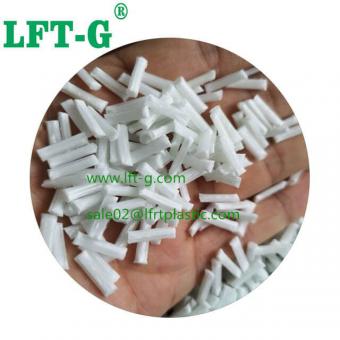
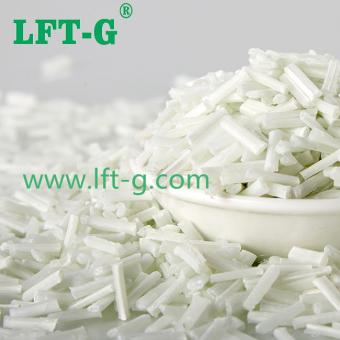
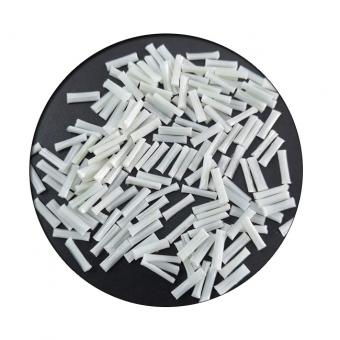
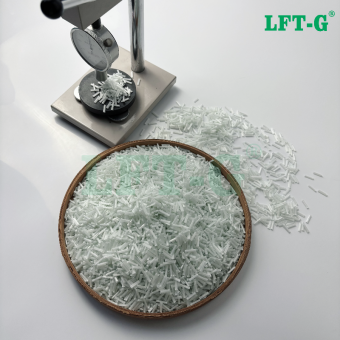
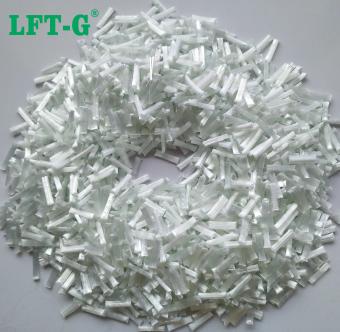
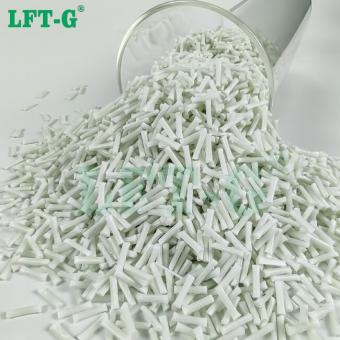
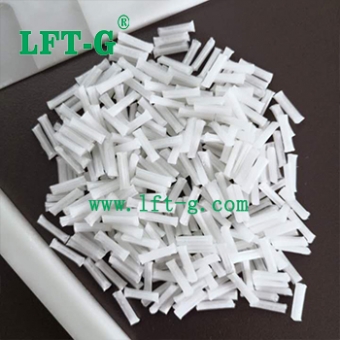
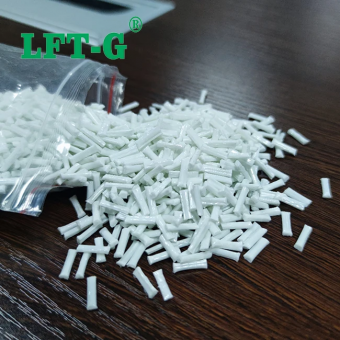
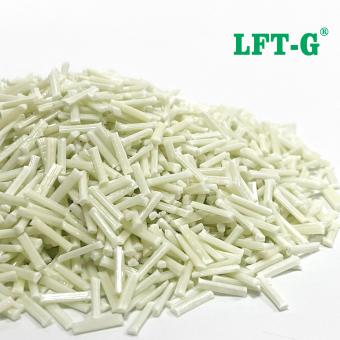
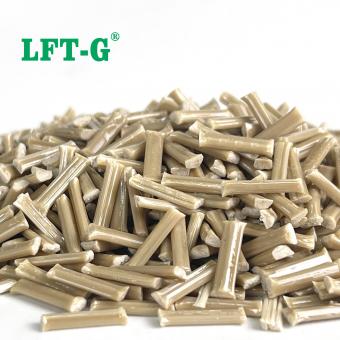
Long Glass Fiber Reinforced Polypropylene Auto PartsProduct Name: Long Glass Fiber Reinforced Polypropylene Virgin PP Granules; It is Long Glass Fiber Reinforced Polypropylene Virgin PP Granules.
- polypropylene injection molding grade
- Polypropylene Composited for auto parts
- Long Glass fiber Reinforced
- Long Glass Fiber Reinforced Thermopastic Composites
- Long Glass Fiber Reinforced Polypropylene
- Long glass fiber Reinforced Polypropylene for electrial accessories
Tags :
-
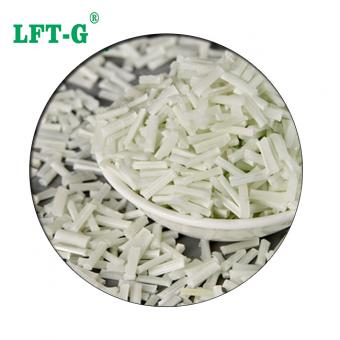
Copolymer Long Glass fiber Reinforced Polypropylene PPCopolymer Long glass fiber reinforced polypropylene is one kind of engineering modifeid plastic materials of long glass fiber reinforced polypropylene;
- Reinforced Polypropylene
- Copolymer long glass fiber
- Long Glass Fiber Reinforced PP
- Long Glass Fiber Reinforced Thermoplastic Composites
- Long fiber reinforced thermoplastic
Tags :
-
Copolymer Long Glass fiber Reinforced Polypropylene PPCopolymer Long glass fiber reinforced polypropylene is one kind of engineering modifeid plastic materials of long glass fiber reinforced polypropylene;view more
-
pa6/pa66 polyamide nylon recycle pelletspa66/pa6 long glass fiber manufactory price.
- glass fibre reinforced polyamide
- long fiber thermoplastic composites
- material pa6
- pa6 long fiber injection
- fiber reinforced polypropylene
- nylon pellets suppliers
Tags :
-
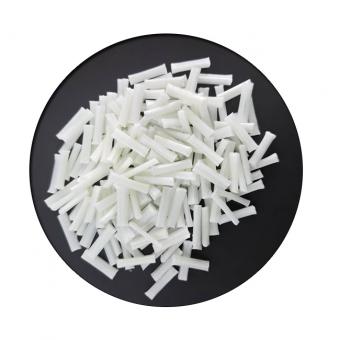
glass reinforced PP Polypropylene materials polymer long glass fiber 30% injectionglass reinforced PP Polypropylene materials polymer long glass fiber 30% injection for car parts,washing machine parts.
- Compound plastic materials
- Polypropylene with long glass fiber
- pp filling
- High strength modified material
- pp lgf
- long glass fiber reinforced polypropylene
Tags :
-
long glass fiber 30% plastic fiber reinforced polypropyleneglass fiber reinforced polypropylene granules pp injection molding grade
- pp injection molding grade
- polypropylene virgin granule polymer lgf
- pp polypropylene long glass fiber
- long glass fiber reinforced nylon
- long glass fiber pp
- glass fiber reinforced polypropylene granules
Tags :
-
glass fibre reinforced granules HDPE high density polyethyleneHDPE modified pellets injection production material.
- glass fiber HDPE granules
- HDPE modified pellets
- glass fiber HDPE pellets
- LFT HDPE thermoplastic granules
- glass fiber reinforced granules
Tags :
-
LFT PP LGF60 modified plastic for fan support partsLGF40 PP modified plastic for fan support parts
- Long fiber materials
- Long glass fiber reinforced polypropylene
- Flame retardant polypropylene pellet
- LFT PP LGF60
- LGF polypropylene glass fiber 60%
- LFT Comopolyer PP GF60 granules
Tags :
-
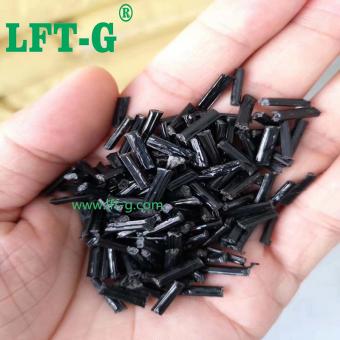
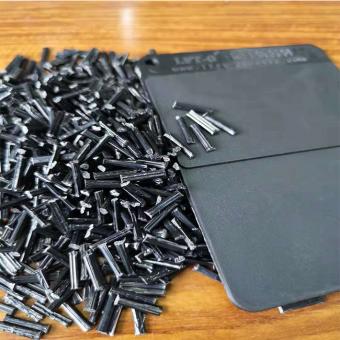
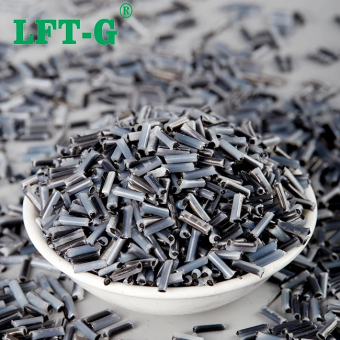
LFT Polypropylene Long Carbon Fiber Polymer For Lightweight Plastic PartsProduct name: LFT Polypropylene Long Carbon Fiber Polymer For Lightweight Plastic Parts Certificated:FDA,SGS,IATF 16949, and so on. Appearance:Black color and length about 12mm
- Carbon Fiber Reinforced Polypropylene
- Carbon Fiber Fill Polypropylene
- carbon fiber-reinforced polypropylene composites
- PP LCF Polymer
- Strongest Carbon Fiber Fill Polypropylene
- Long Carbon Fiber PP Composite
Tags :
-
Xiamen LFT PPC reinforced long carbon fiber 12mm higher mechanical properties natural black best priceWhat is the PP-LCF? Polypropylene is a kind of polymer material with low cost, excellent performance and wide application. By carbon fiber reinforcement, the strength, heat deflection temperature and dimensional stability of polypropylene materials can be improved, which expands the application fields of polypropylene materials and is widely used in electronic appliances, automobiles and other fields. Especially in the automotive field, with the development of new energy vehicles and in the trend of automotive lightweighting, carbon fiber reinforced materials are more and more widely used in the automotive field. What is the advantages of PP-LCF? The modified polypropylene material reinforced by carbon fiber has a series of advantages such as light weight, high modulus, high specific strength, low coefficient of thermal expansion, high temperature resistance, heat and impact resistance, corrosion resistance, and good vibration absorption. The datasheet was test by us, for reference only. What is the application of PP-LCF? High mechanical performance Meet the design trend of new energy vehicles Lower density meets the demand for lighter weight vehicles Other materials you may wonder PA6-LCF PA12-LCF PPS-LCF Test Processing Certifications Quality Management System ISO9001/16949 Certification National Laboratory Accreditation Certificate Modified Plastics Innovation Enterprise Honorary Certificate Heavy metal REACH & ROHS testing Contact us
- Long carbon fiber Reinforced Polypropylene for electrial accessories
- self owing pp pellets
- ppo granules
- carbone fiber reinforced pp pellets
- pp modified granules manufacturer
- Long fiber reinforced thermoplastics PPO
Tags :
-
LFT-G PP Polyphenylene blends long carbon fiber thermoplasticPP Material Polypropylene (PP) is a lightweight thermoplastic material with excellent chemical resistance, low density, good moisture resistance, and excellent processability. With a density of approximately 0.90–0.91 g/cm³, PP is one of the lightest commonly used thermoplastics, making it an ideal base material for lightweight applications. PP also offers good resistance to acids, alkalis, oils, and many common chemicals, as well as good thermal stability and electrical insulation properties. These characteristics make polypropylene widely used in automotive, industrial equipment, electrical and electronics, household appliances, new energy, and other applications. PP-LCF Reinforced Material PP-LCF (Long Carbon Fiber Reinforced Polypropylene) is a high-performance thermoplastic composite that combines the lightweight characteristics of polypropylene with the outstanding mechanical properties of long carbon fibers. The long carbon fiber reinforcement significantly improves the strength, stiffness, impact resistance, dimensional stability, and creep resistance of polypropylene. At the same time, PP-LCF maintains the advantages of thermoplastic processing, making it suitable for injection-molded components requiring high strength-to-weight performance. Compared with conventional glass fiber reinforced materials, PP-LCF offers a lower density and excellent specific strength and stiffness. Its combination of lightweight construction and high mechanical performance makes it an attractive material for metal replacement and structural lightweighting applications. PP-LCF is particularly suitable for large structural parts and components where high rigidity, low weight, dimensional stability, and impact performance are required. Datasheet of PP-LCF Injection Molding PP-LCF can be processed using conventional thermoplastic injection molding technology. Due to the presence of long carbon fibers, appropriate screw and nozzle designs, mold structures, processing temperatures, injection speeds, and holding conditions should be considered to minimize fiber breakage and achieve the desired mechanical performance. Proper mold and processing design can help maintain the integrity of the long carbon fibers, improve fiber orientation, and achieve an optimal balance between strength, stiffness, surface quality, and dimensional stability. Applications of PP-LCF PP-LCF is designed for applications that require a combination of lightweight construction, high strength, high stiffness, impact resistance, and dimensional stability. It is especially suitable for large injection-molded parts and structural components. Typical applications include: • Automotive structural and semi-structural components • Battery and new energy components • Lightweight structural brackets • Industrial equipment components • High-strength housings and enclosures • Power tool components • Robotics and automation components • Lightweight transportation components • Large injection-molded structural parts PP-LCF is particularly suitable for large parts and structural applications where high strength, high stiffness, lightweight construction, and dimensional stability are required. For other application fields or specific performance requirements, please contact us for technical support and material recommendations. Testing PP-LCF materials can be evaluated through a range of physical, mechanical, and thermal performance tests, including: 1. Heat Deflection Temperature (HDT) Testing 2. Vicat Softening Temperature Testing 3. Tensile Strength Testing 4. Flexural Strength and Modulus Testing 5. Elongation Testing 6. Density Testing 7. Melt Flow Rate (MFR) Testing 8. Impact Strength Testing 9. Electrical and surface resistivity testing, where applicable 10. Other customized tests according to customer requirements Production Process 1. Carbon Fiber Surface Treatment Carbon fibers are pretreated to improve surface activity and enhance the bonding between the carbon fiber and polypropylene matrix. 2. Material Formulation Polypropylene resin, long carbon fibers, compatibilizers, and functional additives are formulated according to the required mechanical, thermal, processing, and application performance. 3. Fiber Impregnation The treated carbon fibers are continuously impregnated with the polypropylene resin to achieve effective fiber-matrix bonding and uniform resin coverage. 4. Cooling and Shaping The compounded material is cooled and shaped under controlled processing conditions while maintaining the desired long carbon fiber structure. 5. Pelletizing The continuous long carbon fiber reinforced strands are cut into pellets according to the required material specification and application. Pellet length can be customized according to customer requirements. Certifications & Quality Our quality management system and laboratory capabilities support the consistent production and testing of long carbon fiber reinforced thermoplastic materials for demanding industria...view more
-
lft-g PA66 compounds filled long carbon fiber 30% Polyamide66 reinforced plastic high rigidity and tensile strengthPA66 plastic Nylon is the common name for polyamide (PA), a generic term for thermoplastic resins containing repeating amide groups on the main chain of the molecule, including aliphatic polyamides, aliphatic-aromatic polyamides and aromatic polyamides. As the top five engineering plastics, nylon has an extremely wide range of industrial applications, mainly in the fields of automotive parts, mechanical parts, electronics and electrical appliances, cosmetics, adhesives and packaging materials. Among them, the largest production and most widely used are aliphatic polyamides, mainly nylon 66 and nylon 6. Nylon 66 (PA66) is a class of polyamides made by condensation of adipic acid and hexanediamine. Advantages: high strength, corrosion resistance, good wear resistance, and has excellent properties such as self-lubricating, flame retardant, non-toxic and environmental protection. Disadvantages: poor heat resistance and acid resistance, low impact strength in dry state and low temperature, large water absorption rate affects the dimensional stability and electrical properties of the products. PA66 filling Long Carbon Fiber (LCF) Carbon fiber is an inorganic polymer material with carbon content higher than 90% obtained by carbonization and graphitization of organic fibers. Advantages: light mass, high strength, high modulus, high temperature resistance, wear resistance, corrosion resistance, fatigue resistance, electrical and thermal conductivity, etc. Disadvantages: high cost, relatively difficult to infiltrate, poor transparency, etc. Carbon fiber composites are very useful structural materials, which are not only light and high temperature resistant, but also have high tensile strength and elastic modulus, and are indispensable materials for the manufacture of spacecraft, rockets, missiles, high-speed aircraft and large passenger aircraft. In transportation, chemical industry, metallurgy, construction and other industrial sectors, as well as sports equipment and other aspects have a wide range of applications. Datasheet for reference We can provide long carbon fiber filling from 20% to 60%. Different fiber specifications have different characteristics. Application More products you can contact us for technical supports. LCF VS SGF As the fiber length increases, the stiffness and strength of the composite material gradually increases, but the dimensional complexity gradually decreases and the productivity gradually decreases. Compared with the short fiber, it has more excellent performance in mechanical properties. It is more suitable for large products and structural parts. It has 1-3 times higher toughness than short fiber, and the tensile strength is increased by 0.5-1 times. Product details Number Length Color Sample Package MOQ Port of Loading Delivery time PA66-NA-LCF40 12mm (can be customized) Natural color (can be customized) Available 20kg/bag 1 ton Xiamen Port 7-15 days after shipment Xiamen LFT in the exhibitions We will offer you 1. LFT & LFRT material technical parameters and leading edge design 2. Mold front design and recommendations 3. Provide technical support such as injection molding and extrusion molding.
- high toughness plastic pp cf CFRP
- LFT-G PP resin modified best price
- PP made in China cf instead metal
- pp thermoplastic prepreg lightweight
Tags :