e-mail
 English
 français
 Deutsch
 русский
 italiano
 español
 português
 العربية
 日本語
日本語 한국의
한국의 中文
中文


-
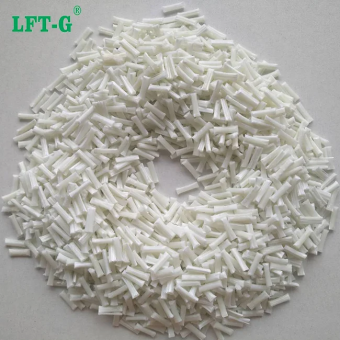
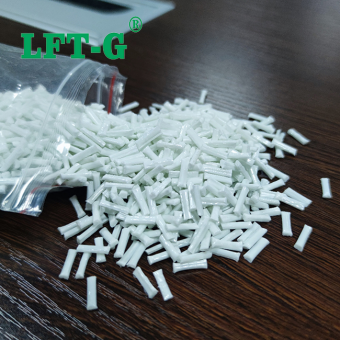
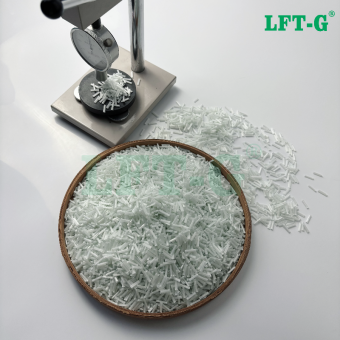
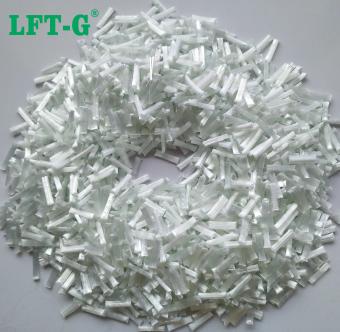
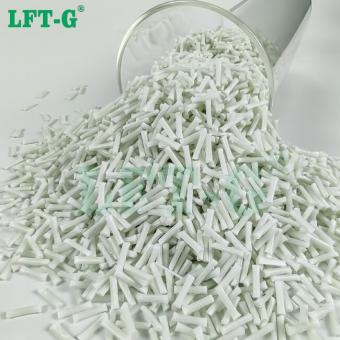
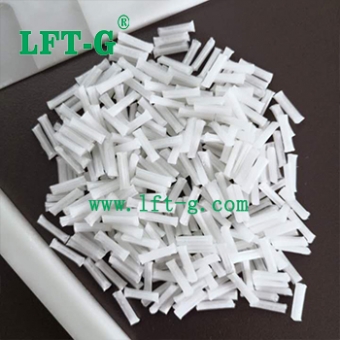
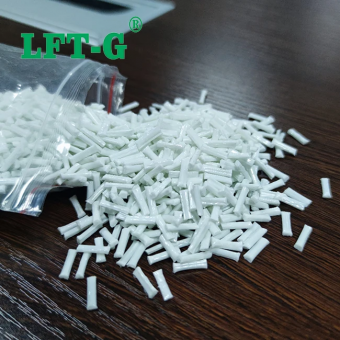
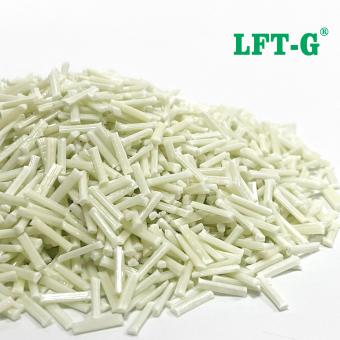
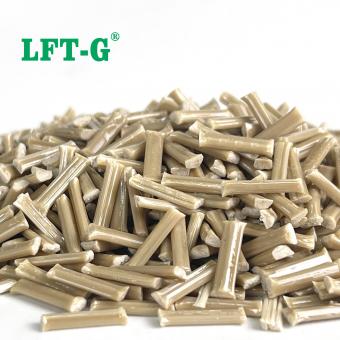
Xiamen LFT PLA Polylactic acid compounds long glass fiber thermoplastic resin for engineeringPLA plastic PLA is a non-natural polyester, which is considered as one of the most promising "green plastics" because of its excellent properties such as biocompatibility, biodegradability and high mechanical strength. PLA has good degradability and can be completely degraded by microorganisms. Products made of PLA can be completely degraded to CO2 and water after use, and are non-toxic and non-irritating. PLA has similar mechanical properties to polypropylene, while its gloss, clarity and processability are similar to polystyrene, and its processing temperature is lower than that of polyolefin. PLA can be processed into various packaging materials, fibers and nonwovens through injection molding, extrusion, blistering, blow molding, spinning and other general plastic processing methods, and PLA has been widely used in disposable plastic products. In addition, PLA can also be widely used in chemical, medical, pharmaceutical and 3D printing industries. It is now increasingly recognized that PLA polyesters will play a key role in solving the plastic pollution problem. PLA reinoforced plastic Glass fiber (English name: glass fiber or fiberglass) is an inorganic non-metallic material with excellent performance, the advantages of good insulation, heat resistance, good corrosion resistance, and high mechanical strength. One of the main uses of glass fiber for the reinforcement of composite materials. Long glass fiber generally refers to the length of more than 10mm glass fiber. Long Glass Fiber Reinforced PLA plastic refers to modified PLA composites containing glass fiber lengths of 10 to 25 mm, which are formed into a three-dimensional structure with glass fiber lengths greater than 3.1 mm through injection molding and other processes, and is referred to as Long Glass Fiber PLA, abbreviated as LGFPLA. fiber reinforce thermoplastic). From the material definition, LGFPLA is a kind of LFT. Generally, they are columnar particles of 12mm or 25mm in length and about 3mm in diameter. The pellets of about 12mm length are mainly used for injection molding, while the pellets of about 25mm length are mainly used for compression molding. In these pellets, the glass fiber has the same length as the pellets, and the glass fiber content can vary from 20% to 60%, and the color of the pellets can be color-matched according to customer requirements. LGF & SGF LFT has the following advantages over short fiber reinforced thermoplastic composites: - Longer fiber length, which significantly improves the mechanical properties of the products. - High specific stiffness and specific strength, good impact resistance, especially suitable for automotive parts applications. - Improved creep resistance, good dimensional stability, and high precision of part molding. - Excellent fatigue resistance. - Better stability in high temperature and humid environment. - Fibers can move relatively in the molding mold during the molding process, with little fiber damage. Details Number Color Length Fiber specification Package Sample Port of loading Delivery time PLA-NA-LGF Natural color or as customized 6-25mm 20%-60% 25kg/bag Available Xiamen Port 7-15 days after shipment Lab & factory Xiamen LFT composite plastic Co., Ltd. The rapid development of technology has led to the emergence of LFT carbon fiber composites. Long Fiber (Xiamen) New Material Technology Co., Ltd, provides professional customization service for modified reinforced long carbon fiber composites. Ltd. was founded by a veteran of the thermoplastic reinforced composite industry, focusing on the development and production of (LFT-G.LFRT,LFT) long glass/carbon fiber reinforced thermoplastic engineering plastics. The company produces long carbon fiber composites with the advantages of light weight, high strength, high impact thermal resistance, design and recycleable, green and environmental protection. Compared with traditional materials, it requires lower cost, better corrosion and chemical resistance, and better molding and processing performance, making it the golden material of the 21st century. Long Fiber (Xiamen) New Material Technology Co: Xiamen LFT composite plastic Co., Ltd. is engaged in the development and production of LFRT series of long glass fiber (LGF) and long carbon fiber (LCF) PP, PA6, PA66, PPA, PA12, TPU, PBT, PLA, PET, PPS, PEEK and other engineering plastics. Series of products can be used in the manufacture of home appliances, aerospace, automotive, military, electrical and other parts, such as gears, rollers, pulleys, drums, pump impellers, fan blades, etc. They can also be used in the manufacture of medical equipment, sporting goods, daily necessities and other fields.
- PLA reinforced plastic lgf production pla
- LFT-G PLA injection mold modified materials
- long glass fiber compounds pla resin basic
- PLA pellets of long fiber 30 made in China
- Self owing PLA polymers manufacturer direct sell
- PLA pure pellets virgin grade lft
Tags :
-
Xiamen LFT PLA Polylactic acid compounds long glass fiber thermoplastic resin for engineeringPLA plastic PLA is a non-natural polyester, which is considered as one of the most promising "green plastics" because of its excellent properties such as biocompatibility, biodegradability and high mechanical strength. PLA has good degradability and can be completely degraded by microorganisms. Products made of PLA can be completely degraded to CO2 and water after use, and are non-toxic and non-irritating. PLA has similar mechanical properties to polypropylene, while its gloss, clarity and processability are similar to polystyrene, and its processing temperature is lower than that of polyolefin. PLA can be processed into various packaging materials, fibers and nonwovens through injection molding, extrusion, blistering, blow molding, spinning and other general plastic processing methods, and PLA has been widely used in disposable plastic products. In addition, PLA can also be widely used in chemical, medical, pharmaceutical and 3D printing industries. It is now increasingly recognized that PLA polyesters will play a key role in solving the plastic pollution problem. PLA reinoforced plastic Glass fiber (English name: glass fiber or fiberglass) is an inorganic non-metallic material with excellent performance, the advantages of good insulation, heat resistance, good corrosion resistance, and high mechanical strength. One of the main uses of glass fiber for the reinforcement of composite materials. Long glass fiber generally refers to the length of more than 10mm glass fiber. Long Glass Fiber Reinforced PLA plastic refers to modified PLA composites containing glass fiber lengths of 10 to 25 mm, which are formed into a three-dimensional structure with glass fiber lengths greater than 3.1 mm through injection molding and other processes, and is referred to as Long Glass Fiber PLA, abbreviated as LGFPLA. fiber reinforce thermoplastic). From the material definition, LGFPLA is a kind of LFT. Generally, they are columnar particles of 12mm or 25mm in length and about 3mm in diameter. The pellets of about 12mm length are mainly used for injection molding, while the pellets of about 25mm length are mainly used for compression molding. In these pellets, the glass fiber has the same length as the pellets, and the glass fiber content can vary from 20% to 60%, and the color of the pellets can be color-matched according to customer requirements. LGF & SGF LFT has the following advantages over short fiber reinforced thermoplastic composites: - Longer fiber length, which significantly improves the mechanical properties of the products. - High specific stiffness and specific strength, good impact resistance, especially suitable for automotive parts applications. - Improved creep resistance, good dimensional stability, and high precision of part molding. - Excellent fatigue resistance. - Better stability in high temperature and humid environment. - Fibers can move relatively in the molding mold during the molding process, with little fiber damage. Details Number Color Length Fiber specification Package Sample Port of loading Delivery time PLA-NA-LGF Natural color or as customized 6-25mm 20%-60% 25kg/bag Available Xiamen Port 7-15 days after shipment Lab & factory Xiamen LFT composite plastic Co., Ltd. The rapid development of technology has led to the emergence of LFT carbon fiber composites. Long Fiber (Xiamen) New Material Technology Co., Ltd, provides professional customization service for modified reinforced long carbon fiber composites. Ltd. was founded by a veteran of the thermoplastic reinforced composite industry, focusing on the development and production of (LFT-G.LFRT,LFT) long glass/carbon fiber reinforced thermoplastic engineering plastics. The company produces long carbon fiber composites with the advantages of light weight, high strength, high impact thermal resistance, design and recycleable, green and environmental protection. Compared with traditional materials, it requires lower cost, better corrosion and chemical resistance, and better molding and processing performance, making it the golden material of the 21st century. Long Fiber (Xiamen) New Material Technology Co: Xiamen LFT composite plastic Co., Ltd. is engaged in the development and production of LFRT series of long glass fiber (LGF) and long carbon fiber (LCF) PP, PA6, PA66, PPA, PA12, TPU, PBT, PLA, PET, PPS, PEEK and other engineering plastics. Series of products can be used in the manufacture of home appliances, aerospace, automotive, military, electrical and other parts, such as gears, rollers, pulleys, drums, pump impellers, fan blades, etc. They can also be used in the manufacture of medical equipment, sporting goods, daily necessities and other fields.view more
-
Xiamen LFT PLA Polylactic acid compounds long glass fiber thermoplastic resin for engineeringPLA plastic PLA is a non-natural polyester, which is considered as one of the most promising "green plastics" because of its excellent properties such as biocompatibility, biodegradability and high mechanical strength. PLA has good degradability and can be completely degraded by microorganisms. Products made of PLA can be completely degraded to CO2 and water after use, and are non-toxic and non-irritating. PLA has similar mechanical properties to polypropylene, while its gloss, clarity and processability are similar to polystyrene, and its processing temperature is lower than that of polyolefin. PLA can be processed into various packaging materials, fibers and nonwovens through injection molding, extrusion, blistering, blow molding, spinning and other general plastic processing methods, and PLA has been widely used in disposable plastic products. In addition, PLA can also be widely used in chemical, medical, pharmaceutical and 3D printing industries. It is now increasingly recognized that PLA polyesters will play a key role in solving the plastic pollution problem. PLA reinoforced plastic Glass fiber (English name: glass fiber or fiberglass) is an inorganic non-metallic material with excellent performance, the advantages of good insulation, heat resistance, good corrosion resistance, and high mechanical strength. One of the main uses of glass fiber for the reinforcement of composite materials. Long glass fiber generally refers to the length of more than 10mm glass fiber. Long Glass Fiber Reinforced PLA plastic refers to modified PLA composites containing glass fiber lengths of 10 to 25 mm, which are formed into a three-dimensional structure with glass fiber lengths greater than 3.1 mm through injection molding and other processes, and is referred to as Long Glass Fiber PLA, abbreviated as LGFPLA. fiber reinforce thermoplastic). From the material definition, LGFPLA is a kind of LFT. Generally, they are columnar particles of 12mm or 25mm in length and about 3mm in diameter. The pellets of about 12mm length are mainly used for injection molding, while the pellets of about 25mm length are mainly used for compression molding. In these pellets, the glass fiber has the same length as the pellets, and the glass fiber content can vary from 20% to 60%, and the color of the pellets can be color-matched according to customer requirements. LGF & SGF LFT has the following advantages over short fiber reinforced thermoplastic composites: - Longer fiber length, which significantly improves the mechanical properties of the products. - High specific stiffness and specific strength, good impact resistance, especially suitable for automotive parts applications. - Improved creep resistance, good dimensional stability, and high precision of part molding. - Excellent fatigue resistance. - Better stability in high temperature and humid environment. - Fibers can move relatively in the molding mold during the molding process, with little fiber damage. Details Number Color Length Fiber specification Package Sample Port of loading Delivery time PLA-NA-LGF Natural color or as customized 6-25mm 20%-60% 25kg/bag Available Xiamen Port 7-15 days after shipment Lab & factory Xiamen LFT composite plastic Co., Ltd. The rapid development of technology has led to the emergence of LFT carbon fiber composites. Long Fiber (Xiamen) New Material Technology Co., Ltd, provides professional customization service for modified reinforced long carbon fiber composites. Ltd. was founded by a veteran of the thermoplastic reinforced composite industry, focusing on the development and production of (LFT-G.LFRT,LFT) long glass/carbon fiber reinforced thermoplastic engineering plastics. The company produces long carbon fiber composites with the advantages of light weight, high strength, high impact thermal resistance, design and recycleable, green and environmental protection. Compared with traditional materials, it requires lower cost, better corrosion and chemical resistance, and better molding and processing performance, making it the golden material of the 21st century. Long Fiber (Xiamen) New Material Technology Co: Xiamen LFT composite plastic Co., Ltd. is engaged in the development and production of LFRT series of long glass fiber (LGF) and long carbon fiber (LCF) PP, PA6, PA66, PPA, PA12, TPU, PBT, PLA, PET, PPS, PEEK and other engineering plastics. Series of products can be used in the manufacture of home appliances, aerospace, automotive, military, electrical and other parts, such as gears, rollers, pulleys, drums, pump impellers, fan blades, etc. They can also be used in the manufacture of medical equipment, sporting goods, daily necessities and other fields.view more
-
Xiamen LFT PLA Polylactic acid compounds long glass fiber thermoplastic resin for engineeringPLA plastic PLA is a non-natural polyester, which is considered as one of the most promising "green plastics" because of its excellent properties such as biocompatibility, biodegradability and high mechanical strength. PLA has good degradability and can be completely degraded by microorganisms. Products made of PLA can be completely degraded to CO2 and water after use, and are non-toxic and non-irritating. PLA has similar mechanical properties to polypropylene, while its gloss, clarity and processability are similar to polystyrene, and its processing temperature is lower than that of polyolefin. PLA can be processed into various packaging materials, fibers and nonwovens through injection molding, extrusion, blistering, blow molding, spinning and other general plastic processing methods, and PLA has been widely used in disposable plastic products. In addition, PLA can also be widely used in chemical, medical, pharmaceutical and 3D printing industries. It is now increasingly recognized that PLA polyesters will play a key role in solving the plastic pollution problem. PLA reinoforced plastic Glass fiber (English name: glass fiber or fiberglass) is an inorganic non-metallic material with excellent performance, the advantages of good insulation, heat resistance, good corrosion resistance, and high mechanical strength. One of the main uses of glass fiber for the reinforcement of composite materials. Long glass fiber generally refers to the length of more than 10mm glass fiber. Long Glass Fiber Reinforced PLA plastic refers to modified PLA composites containing glass fiber lengths of 10 to 25 mm, which are formed into a three-dimensional structure with glass fiber lengths greater than 3.1 mm through injection molding and other processes, and is referred to as Long Glass Fiber PLA, abbreviated as LGFPLA. fiber reinforce thermoplastic). From the material definition, LGFPLA is a kind of LFT. Generally, they are columnar particles of 12mm or 25mm in length and about 3mm in diameter. The pellets of about 12mm length are mainly used for injection molding, while the pellets of about 25mm length are mainly used for compression molding. In these pellets, the glass fiber has the same length as the pellets, and the glass fiber content can vary from 20% to 60%, and the color of the pellets can be color-matched according to customer requirements. LGF & SGF LFT has the following advantages over short fiber reinforced thermoplastic composites: - Longer fiber length, which significantly improves the mechanical properties of the products. - High specific stiffness and specific strength, good impact resistance, especially suitable for automotive parts applications. - Improved creep resistance, good dimensional stability, and high precision of part molding. - Excellent fatigue resistance. - Better stability in high temperature and humid environment. - Fibers can move relatively in the molding mold during the molding process, with little fiber damage. Details Number Color Length Fiber specification Package Sample Port of loading Delivery time PLA-NA-LGF Natural color or as customized 6-25mm 20%-60% 25kg/bag Available Xiamen Port 7-15 days after shipment Lab & factory Xiamen LFT composite plastic Co., Ltd. The rapid development of technology has led to the emergence of LFT carbon fiber composites. Long Fiber (Xiamen) New Material Technology Co., Ltd, provides professional customization service for modified reinforced long carbon fiber composites. Ltd. was founded by a veteran of the thermoplastic reinforced composite industry, focusing on the development and production of (LFT-G.LFRT,LFT) long glass/carbon fiber reinforced thermoplastic engineering plastics. The company produces long carbon fiber composites with the advantages of light weight, high strength, high impact thermal resistance, design and recycleable, green and environmental protection. Compared with traditional materials, it requires lower cost, better corrosion and chemical resistance, and better molding and processing performance, making it the golden material of the 21st century. Long Fiber (Xiamen) New Material Technology Co: Xiamen LFT composite plastic Co., Ltd. is engaged in the development and production of LFRT series of long glass fiber (LGF) and long carbon fiber (LCF) PP, PA6, PA66, PPA, PA12, TPU, PBT, PLA, PET, PPS, PEEK and other engineering plastics. Series of products can be used in the manufacture of home appliances, aerospace, automotive, military, electrical and other parts, such as gears, rollers, pulleys, drums, pump impellers, fan blades, etc. They can also be used in the manufacture of medical equipment, sporting goods, daily necessities and other fields.view more
-
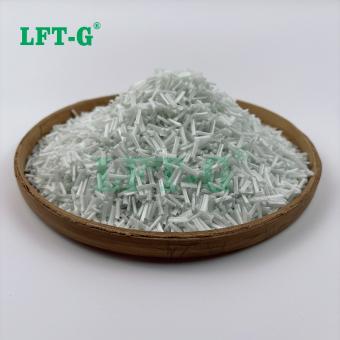
High Strength ABS Resin Long Glass Fiber filled PelletsABS long glass fiber reinforced modified materials are engineering plastics with high strength, excellent impact toughness, and heat resistance, widely used in industries such as automotive, electronics, and home appliances. The reinforcement of long glass fibers enhances the material's rigidity and fatigue resistance. It is suitable for industrial products requiring high strength and performance.
- glass fiber reinforced abs
- abs glass fiber compound
- abs granules manufacturer
- natural abs color
- LFT advanced materials
- Acrylonitrile Butadiene Styrene
Tags :
-
High Strength ABS with Filler Glass Fiber for Injection MoldingOur high performance ABS long glass fiber reinforced composite combines the proven versatility and aesthetic qualities of ABS resin with the superior mechanical strength of long glass fibers. This advanced material is engineered to offer enhanced stiffness, improved impact resistance, and excellent thermal stability, making it the ideal choice for high-end automotive, electrical, and consumer applications.
- abs pellets
Tags :
-
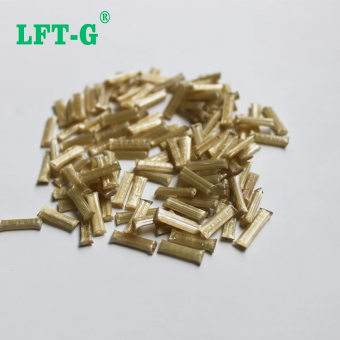
LFT Polyphenylene sulfide PPS Long Fiber PelletsEngineer PPS filled Long Glass fiber Reinforcedis one kind of engineering modifeid plastic materials of long glass fiber reinforced PPS
- glass fiber compounds
- Polyphenylene sulfide PPS anti aging
- PPS Polymer pellets
- Modified PPS
- PPS GF
Tags :
-
Glass Fiber Reinforced ABS Resin Pellets Injection MoldingAfter adding glass fiber to ABS, the rigidity, heat resistance and dimensional stability of the composite are significantly improved. In addition, the cost performance of ABS plus glass fiber is extremely good, which can meet the needs of manufacturers while reducing costs.view more
-
PLA Polylactic acid compounds long glass fiber thermoplastic resin for engineeringPLA & LGFPLA – Eco-Friendly and Reinforced Bioplastics PLA (Polylactic Acid) is a non-natural polyester and one of the most promising "green plastics." Known for its biocompatibility, biodegradability, and high mechanical strength, PLA can be completely degraded by microorganisms into CO₂ and water, making it non-toxic and environmentally friendly. PLA offers mechanical properties similar to polypropylene, while providing the gloss, clarity, and processability of polystyrene. With a lower processing temperature than polyolefins, PLA can be molded via injection molding, extrusion, blow molding, spinning, and other general plastic processes. Its applications range from disposable packaging and fibers to nonwovens, and extend to medical, chemical, pharmaceutical, and 3D printing industries. Long Glass Fiber Reinforced PLA (LGFPLA) Glass fiber is an inorganic non-metallic material with excellent insulation, heat resistance, corrosion resistance, and mechanical strength. When used to reinforce PLA, it creates Long Glass Fiber PLA (LGFPLA), a high-performance thermoplastic composite with glass fibers 10–25mm long, forming a 3D structure for superior strength and stability. LGFPLA is available as columnar pellets, typically 12mm (for injection molding) or 25mm (for compression molding) in length, with glass fiber content from 20% to 60%. Colors can be customized to match client requirements. Advantages of LGF vs SGF (Long Fiber vs Short Fiber PLA) Longer fiber length improves mechanical properties and part durability. High specific stiffness and strength, with excellent impact resistance — ideal for automotive parts. Improved creep resistance and dimensional stability for precise molding. Outstanding fatigue resistance and long-term reliability. Stable performance in high temperature and humid environments. Minimal fiber damage during molding due to fiber mobility within the mold. Technical Specifications Product Number Color Length Fiber Specification Package Sample Port of Loading Delivery Time PLA-NA-LGF Natural or customizable 6–25mm 20%–60% 25kg/bag Available Xiamen Port 7–15 days after shipment Lab & Factory Xiamen LFT Composite Plastic Co., Ltd. Xiamen LFT Composite Plastic Co., Ltd. specializes in developing and producing long glass fiber (LGF) and long carbon fiber (LCF) reinforced thermoplastic composites (LFT-G, LFRT, LFT). Our materials are lightweight, high-strength, impact-resistant, and environmentally friendly, offering excellent corrosion and chemical resistance along with superior molding performance. Our products are used across industries including automotive, aerospace, military, electrical, medical, sports equipment, and daily consumer goods, producing components such as gears, rollers, pulleys, pump impellers, fan blades, and more.view more
-
LFT-G engineering plastic PBT filling long glass fiber 20%-60% reinforced materials high mechanical properties good pricePBT Plastic | Long Glass Fiber Reinforced PBT (PBT-LGF) What is PBT? Polybutylene terephthalate (PBT) is a semi-crystalline engineering thermoplastic polyester. It is produced via polycondensation of 1,4-butylene glycol and terephthalic acid (PTA) or dimethyl terephthalate (DMT), forming a milky white translucent to opaque resin. PBT exhibits excellent mechanical strength, chemical resistance, thermal stability, and electrical insulation properties, making it ideal for demanding engineering applications. Basic Properties of PBT Specific gravity: 1.31 g/cm³ Melting point: 225~275°C Glass transition temperature (Tg): 22–43°C Rockwell hardness (R scale): 118 Water absorption: 0.34% Molding shrinkage: 1.7~2.3% PBT-LGF | Long Glass Fiber Reinforced PBT PBT-LGF combines PBT with long glass fibers, improving mechanical strength, fatigue resistance, dimensional stability, and creep resistance. These properties are maintained even under high-temperature conditions. Advantages of PBT-LGF Excellent mechanical strength and fatigue resistance High heat resistance: UL temperature index 120–140°C Good solvent resistance and no stress cracking Easy flame-retardant processing: UL94 V-0 achievable Excellent electrical insulation: high resistivity, dielectric strength, arc resistance Good molding and secondary processing: injection molding and extrusion Fast crystallization and good fluidity: thin walls can be processed in seconds PBT-LGF Technical Data Sheet (TDS) Applications of PBT-LGF Long glass fiber reinforced PBT is widely used in electronics, automotive, and industrial applications due to its high mechanical strength, heat resistance, electrical insulation, and dimensional stability. Electronics: fuse-less wire breakers, electromagnetic switches, transformers, appliance handles, connectors, housings Automotive: door handles, bumpers, distributor covers, fenders, wire guard shells, wheel covers Industrial parts: OA fans, keyboards, fishing reels, lampshades, and other mechanical components Processing of PBT-LGF PBT-LGF can be easily processed via injection molding or extrusion using standard equipment. Due to fast crystallization and good fluidity, mold temperatures are lower than other engineering plastics, enabling rapid processing of both thin-walled and large parts. PBT-LGF Product Details Number Color Length Sample MOQ Package Port of Loading Delivery time PBT-NA-LGF30 Natural color (customizable) 12mm (customizable) Available 1 ton 25kg/bag Xiamen Port 7-15 days after shipment Lab & Factory Frequently Asked Questions Q: Does long glass fiber injection require special molding machines or molds? A: Yes. Injection molding machines, screws, nozzles, and mold structures must meet long fiber reinforcement requirements. Q: How to prevent rough surfaces or floating fibers in PBT-LGF injection molding? A: Ensure plastic particles are fully dried and plasticized, adjust mold temperature appropriately, and polish mold surfaces for smooth finishes.
- PBT pellets lgf 30 polymer
- LFT PBT modified plastic glass fiber
- reinforced PBT for car parts gfrp
- self owing pbt pellets
- best price PBT glass fiber compounds
- composite pbt-lgf sample free
Tags :
-
Glass Fiber Reinforced ABS Resin Pellets Injection MoldingAfter adding glass fiber to ABS, the rigidity, heat resistance and dimensional stability of the composite are significantly improved. In addition, the cost performance of ABS plus glass fiber is extremely good, which can meet the needs of manufacturers while reducing costs.view more
-
Xiamen LFT PLA Polylactic acid compounds long glass fiber thermoplastic resin for engineeringPLA Plastic PLA (polylactic acid) is a bio-based polyester and one of the most promising "green plastics" due to its biodegradability, biocompatibility, and high mechanical strength. PLA products can fully degrade into CO₂ and water via microorganisms, and are non-toxic and non-irritating. Mechanically, PLA is comparable to polypropylene, while its gloss, clarity, and processability resemble polystyrene. Its lower processing temperature allows production via injection molding, extrusion, blow molding, spinning, and other common plastic processing methods. PLA is widely applied in disposable plastics, packaging, fibers, nonwovens, chemical, medical, pharmaceutical, and 3D printing industries. PLA is increasingly recognized as a key material to reduce plastic pollution. PLA Reinforced Plastic Glass fiber (fiberglass) is an inorganic material with excellent insulation, heat resistance, corrosion resistance, and high mechanical strength. It is widely used to reinforce composite materials. Long glass fibers are typically over 10mm in length. Long Glass Fiber Reinforced PLA (LGFPLA) contains 10–25mm glass fibers forming a 3D structure during molding. It belongs to long fiber thermoplastics (LFT). Pellet sizes are generally 12mm (injection molding) or 25mm (compression molding). Glass fiber content ranges from 20% to 60%, and colors can be customized. LGF & SGF Advantages Compared with short fiber reinforced thermoplastics, LFT has: Longer fiber length for superior mechanical properties High specific stiffness and strength, excellent impact resistance, ideal for automotive parts Improved creep resistance, dimensional stability, and high precision in molding Excellent fatigue resistance Better stability in high temperature and humid environments Minimal fiber damage during molding due to fiber mobility Technical Details Number Color Length Fiber Content Package Sample Port of Loading Delivery Time PLA-NA-LGF Natural or customized 6-25mm 20%-60% 25kg/bag Available Xiamen Port 7-15 days after shipment Lab & Factory Xiamen LFT Composite Plastic Co., Ltd. Xiamen LFT Composite Plastic Co., Ltd., founded by a thermoplastic composite industry veteran, specializes in the development and production of long glass/carbon fiber reinforced thermoplastic plastics (LFT-G, LFRT, LFT). Our products are lightweight, high-strength, impact- and heat-resistant, recyclable, and eco-friendly. Compared to traditional materials, they offer better corrosion resistance, lower cost, and superior molding performance. Our LFT series (LGF & LCF) include PP, PA6, PA66, PPA, PA12, TPU, PBT, PLA, PET, PPS, and PEEK. Applications cover home appliances, aerospace, automotive, military, and medical equipment, as well as sports goods and daily necessities. Products include gears, rollers, pulleys, pump impellers, fan blades, and more.view more