e-mail
 English
 français
 Deutsch
 русский
 italiano
 español
 português
 العربية
 日本語
日本語 한국의
한국의 中文
中文


-
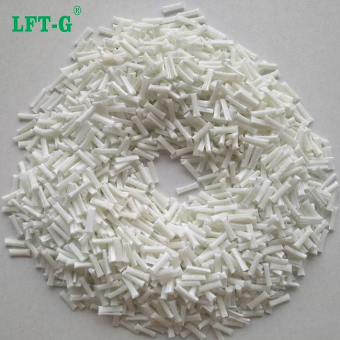
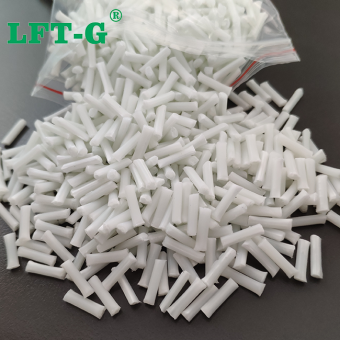
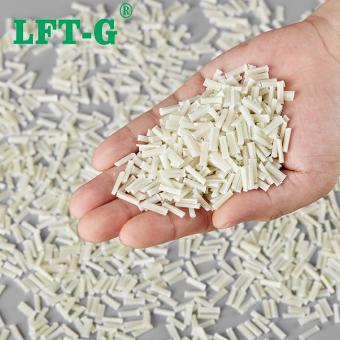
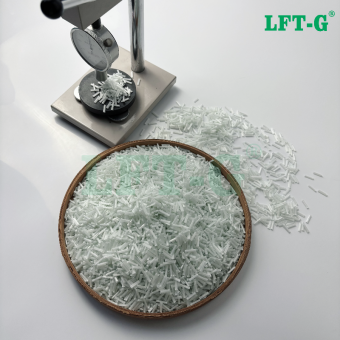
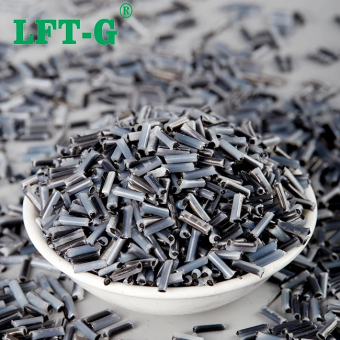
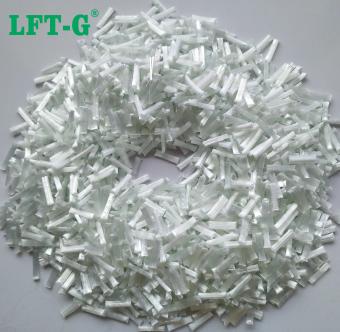
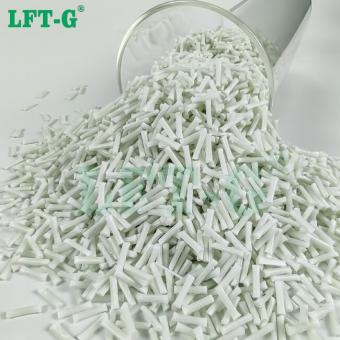
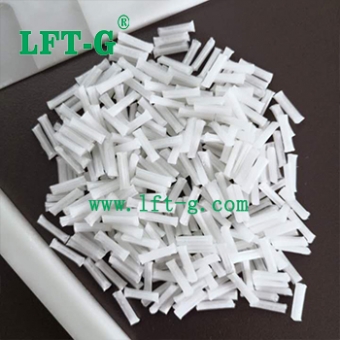
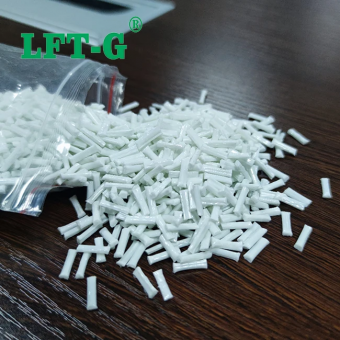
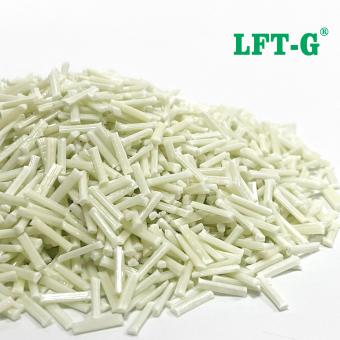
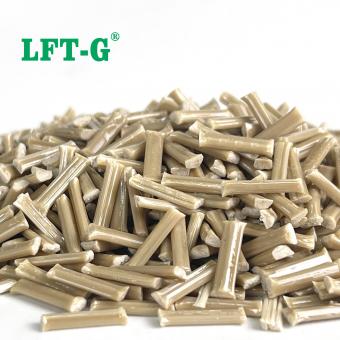
Acrylonitrile Butadiene Styrene ABS filling long glass fiber modified thermoplastic resinABS & Long Glass Fiber Compounds body { font-family: Arial, sans-serif; color: #333; line-height: 1.6; } h2 { font-size: 24px; color: #339933; margin-top: 30px; } h3 { font-size: 20px; color: #339933; margin-top: 20px; } p, ul { font-size: 18px; } ul { margin-left: 20px; } table { width: 100%; border-collapse: collapse; margin-top: 15px; margin-bottom: 15px; } table, th, td { border: 1px solid #000; } th, td { text-align: center; padding: 5px; font-size: 18px; } img { max-width: 100%; margin-top: 15px; margin-bottom: 15px; } What is ABS material? ABS (Acrylonitrile Butadiene Styrene) is a thermoplastic polymer structural material with high strength, good toughness, and easy machinability. ABS appears as opaque ivory grains, but products can be colored and have a high gloss finish. Why fill with Long Glass Fiber? Long fiber reinforced thermoplastics (LFT & LFRT) differ from conventional short fiber reinforced thermoplastics. Short fibers are usually 1–2 mm long, while long fiber processes maintain lengths of 5–25 mm. The long fiber is impregnated with a special resin system, cut to desired lengths, and can be used in injection molding, extrusion, and other applications. This enables direct replacement of steel and thermoset products. Advantages of ABS filling Long Glass Fiber Compounds Glass fiber is heat resistant, increasing the heat resistance of reinforced plastics, especially for nylon plastics. Reduces shrinkage and greatly improves rigidity by limiting polymer chain movement. Prevents stress cracking and significantly improves impact resistance. Enhances mechanical strength, including tensile, compressive, and bending strength. Flame retardancy: Most reinforced plastics cannot ignite due to added fibers and additives. Datasheet for Reference Applications of ABS Filling Long Glass Fiber Compounds Mainly used in load-bearing and structural parts. Product Details Number Length Color MOQ Package Sample Delivery Time Port of Loading ABS-NA-LGF30 5–25 mm Original color (customizable) 25 kg 25 kg/bag Available 7–15 days after shipment Xiamen Port Our Company Our Teams & Customers We Offer You LFT & LFRT material technical parameters and leading-edge design. Mold front design and recommendations. Technical support for injection molding and extrusion molding. Contact Way Ms. Wallis Email: sale02@lfrtplastic.com Whatsapp: (+86) 13950095727 WeChat: 13950095727
- long glass fiber Acrylonitrile Butadiene Styrene
- long fiber compounds ABS glass fiber
- long fiber composite ABS granules
- long fibre reinforced thermoplastics
- ABS LGF30 green materials can be recycled
- abs glass fiber instead metal and steel light weight
Tags :
-
LFT-G modified ABS compounds Long Glass Fiber for automotive partsABS material Acrylonitrile-butadiene styrene (ABS) resin is an opaque amorphous thermoplastic engineering plastic with complex two-phase structure. It is composed of styrene, acrylonitrile and butadiene in different proportions. In the 1970s, it began to be recognized by the public and began to be used. In the 1990s, the market demand grew rapidly. At present, it should be used in domestic and foreign markets, especially in construction, home appliances, automobiles and other industries. ABS-LGF Long glass fiber is widely used in engineering plastics. Reinforced ABS composites are made by adding a certain percentage of glass fiber, with the addition of 30% to 50% glass fiber being the most common. So as to improve the mechanical properties of ABS. Such as tensile properties, bending properties, and the corresponding molding shrinkage rate is not reduced, so that the material will not stress cracking. Advantages: 1. Long glass fiber reinforced, glass fiber is a high temperature resistant material, therefore, the heat resistant temperature of reinforced plastic is much higher than before without glass fiber, especially nylon plastics 2. After long glass fiber reinforcement, due to the addition of long glass fiber, the mutual movement between polymer chains of plastic is limited, therefore, the shrinkage rate of reinforced plastics decreases a lot, and the rigidity is greatly improved. 3. After long glass fiber reinforcement, reinforced plastics will not stress crack, at the same time, the anti-impact performance of plastics is improved a lot. 4. After long glass fiber reinforcement, glass fiber is a high strength material, which also greatly improves the strength of plastic, such as: tensile strength, compression strength, bending strength, improve a lot. 5. Long glass fiber reinforced after, due to the addition of glass fiber and other additives, the combustion performance of reinforced plastics decreased a lot, most of the material can not ignite, is a kind of flame retardant material. Datasheet for reference only Processing flow Cases About Xiamen LFT-G Xiamen LFT composite plastic Co., Ltd. is a brand-name company that focuses on LFT&LFRT. Long Glass Fiber Series(LGF) & Long Carbon Fiber Series(LCF). The company's thermoplastic LFT can be used for LFT-G injection molding and extrusion, and can also be used for LFT-D molding. It can be produced according to customer requirements: 5~25mm length. The company's long-fiber continuous infiltration reinforced thermoplastics have passed ISO9001 & 16949 system certification, and the products have obtained lots of national trademarks and patents.
- Modified material lft injection molding
- ABS compounds long glass fiber
- lgf injection mold abs for engineering
- reinforced material abs filling lgf
- ABS-LGF30 thermoplastic resin
- Thermoplastic resin ABS
Tags :
-
lft-g PA66 reinforced material long glass fiber 30% specification Polyamide66 modified plasticWhat is PA66? PA66 (Polyamide 66), also known as Nylon 66, is a semi-crystalline thermoplastic widely used in automotive, electrical, electronic, and industrial applications. It offers excellent mechanical strength, wear resistance, and thermal stability. What is PA66-LGF? PA66-LGF (Long Glass Fiber Reinforced Nylon 66) is a modified engineering plastic made by reinforcing PA66 with long glass fibers. This significantly improves mechanical performance, dimensional stability, and heat resistance. Compared with unfilled PA66, LGF-reinforced PA66 offers: Higher strength and stiffness Improved dimensional stability (low warpage and shrinkage) Better fatigue and creep resistance Reduced water absorption impact on properties Material Characteristics High mechanical strength and rigidity Excellent heat resistance and wear resistance Good chemical resistance (oils, fuels, greases) Low friction and self-lubricating properties Stable performance under humid and variable environments Applications 1. Automotive Industry Used in engine covers, intake systems, cooling components, interior and structural parts such as dashboards, door handles, and brackets. 2. Electrical & Electronics Applied in connectors, switches, insulation parts, housings, and electrical components requiring flame resistance and dimensional stability. 3. Industrial & Machinery Suitable for gears, bearings, fasteners, conveyor parts, and structural mechanical components requiring high strength and durability. Product Specification ItemSpecification GradePA66-LGF30 Fiber Length12 mm ColorNatural / Customized MOQ25 kg Packaging25 kg/bag Delivery Time7–15 days PortXiamen Port FAQ 1. Is higher glass fiber content always better? Not necessarily. The optimal fiber content depends on application requirements such as strength, toughness, and surface quality. 2. Can LGF materials be used for appearance parts? Yes, but surface quality must be evaluated based on product design and mold conditions. 3. How to choose reinforcement length? Selection depends on required mechanical performance and final application conditions. Supplier Information Xiamen LFT Composite Plastic Co., Ltd specializes in long fiber reinforced thermoplastics (LFT-G / LFT-D), including PP, PA6, PA66, PPA, PBT, TPU, and other engineering materials. We provide customized solutions for automotive, electronics, and industrial applications.
- Polyamide 66 lgf filling lgf
- long glass fiber polyamide66
- pa66 lgf30
- long fiber compounds pa66
- polyamide 6.6 lgf30
Tags :
-
Thermoplastic Polyurethane resin filled long glass fiber engineering plasticsTPU Long Glass Fiber Reinforced Thermoplastic (TPU-LGF) Thermoplastic Polyurethane (TPU) is a high-performance elastomer composed of alternating hard and soft segments, combining rubber-like elasticity with thermoplastic processing advantages. TPU offers excellent abrasion resistance, flexibility, impact resistance, and heat resistance, making it widely used in consumer goods, automotive, medical, construction, and industrial applications. What is Fiber Reinforced TPU? Although TPU has excellent toughness and impact resistance, some applications require higher stiffness and dimensional stability. By adding long glass fiber (LGF), TPU can be significantly enhanced in terms of modulus, strength, and thermal stability. Fiber reinforced TPU composites provide a balanced combination of elasticity and structural performance, making them suitable for engineering and load-bearing applications. Advantages of TPU-LGF Materials High elastic modulus and improved rigidity Excellent impact resistance and energy absorption Good heat resistance and thermal stability Superior dimensional stability Low coefficient of thermal expansion Excellent corrosion and chemical resistance Long Glass Fiber vs Short Glass Fiber in TPU Compared with short glass fiber (SGF), long glass fiber (LGF) provides significantly better mechanical performance due to improved fiber length retention and stronger reinforcement networks. 1–3× higher toughness than short fiber systems 0.5–1× higher tensile strength improvement Better load transfer efficiency Stronger structural reinforcement effect Long glass fiber reinforced TPU is especially suitable for large structural parts and engineering applications requiring both flexibility and strength. Thermoplastics vs Thermosets Thermosets undergo irreversible chemical crosslinking during curing and cannot be reshaped after forming. In contrast, thermoplastics can be repeatedly softened and reshaped under heat without chemical change. TPU belongs to thermoplastic materials, offering recyclability, processability, and excellent mechanical performance. TPU-LGF Applications Automotive interior and structural components Charging cables and wire protection systems Industrial hoses and flexible tubing Sports equipment and footwear components Medical and wearable devices TPU-LGF Technical Data (Reference) Product Details Grade Fiber Length Color Sample MOQ Package Delivery Time TPU-NA-LGF30 12 mm (customizable) Natural (customizable) Available 25 kg 25 kg/bag 7–15 days after shipment About Xiamen LFT Composite Plastics Co., Ltd. Xiamen LFT Composite Plastics Co., Ltd. specializes in long fiber reinforced thermoplastics (LFT & LFRT), including Long Glass Fiber (LGF) and Long Carbon Fiber (LCF) composite materials. Our materials support injection molding (LFT-G), extrusion, and customized LFT-D processes. Fiber length ranges from 5 mm to 25 mm depending on application requirements. The company is ISO 9001 and IATF 16949 certified, with multiple patents in long fiber composite technology.
- Low warpage electronic appliance
- tpu lgf30 for toe cap enhanced
- self owing tpu pellets instead metal
- tpu different resin lgf reinforced materials
- high strength and high toughness reinforced tpu pellets
- self owing tpu pellets polymer
Tags :