e-mail
 English
 français
 Deutsch
 русский
 italiano
 español
 português
 العربية
 日本語
日本語 한국의
한국의 中文
中文


-
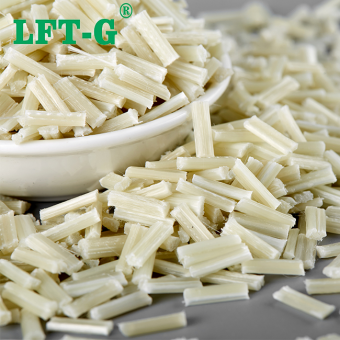
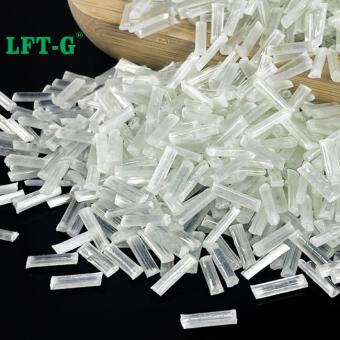
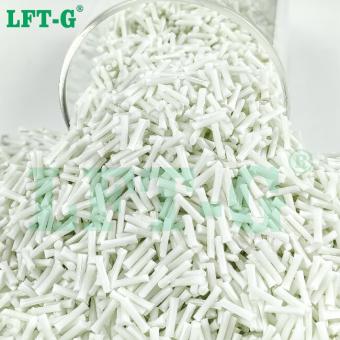
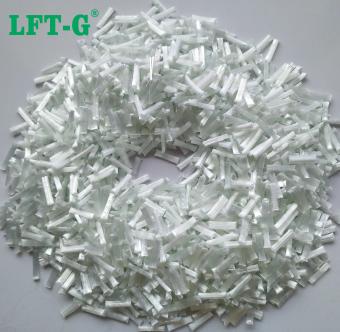
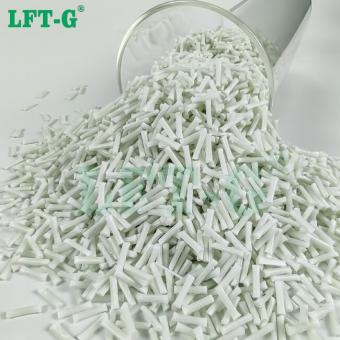
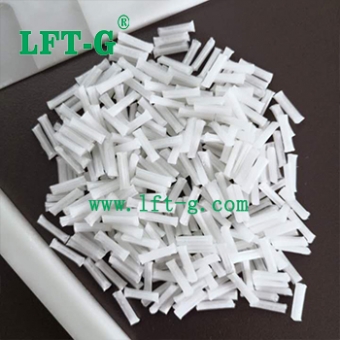
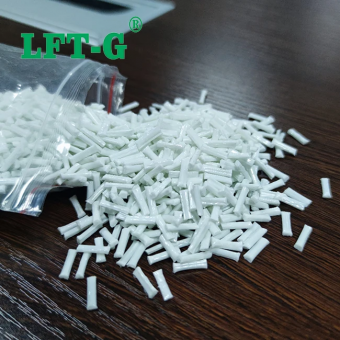
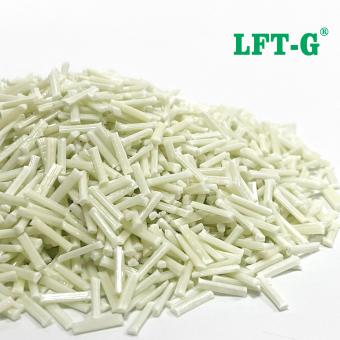
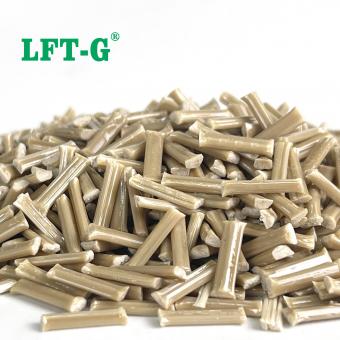
Xiamen LFT PPA Polyphthalamide filled Long Glass Fiber reinforced plastic resinPPA (Polyphthalamide) is polyphthalamide.PPA is a kind of thermoplastic functional nylon with both semi-crystalline structure and non-crystalline structure. It is prepared by polycondensation of phthalic acid and phthalenediamine. It has excellent thermal, electrical, physical and chemical resistance and other comprehensive properties.
- 2023 New product made in China good price
- PPA resin long glass fiber GFRP high performance
- Thermoplatics material
- Sample available instead metal and steel
- Supplier price best thermoplastic resin
- general grade low warpage
Tags :
-
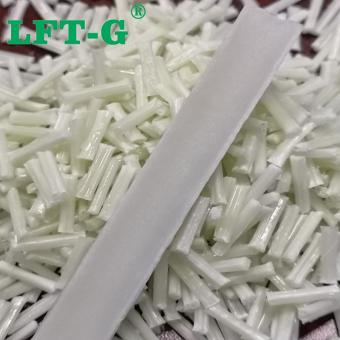
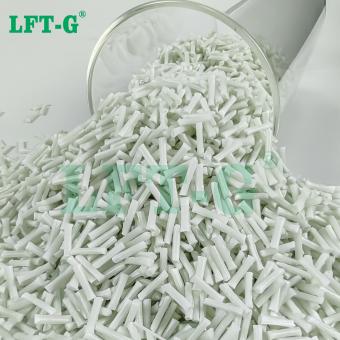
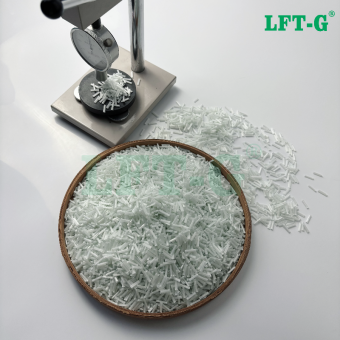
Xiamen LFT-G High toughness MXD6 composite filling long glass fiber original colorMXD6 Nylon - MXD6 is a kind of crystalline polyamide resin, which is synthesized by the condensation of m-benzoylamine and adipic acid. The advantages of nylon MXD6 1. in a wide range of temperature, maintain high strength, high rigidity 2. High thermal deformation temperature and small thermal expansion coefficient 3. Low water absorption rate, small size change after water absorption, less mechanical strength reduction 4. forming shrinkage rate is very small, suitable for precision forming processing 5. excellent coating, especially suitable for high temperature surface coating 6. oxygen, carbon dioxide and other gases also have excellent barrier Application of MXD6 in plastic modification industry MXD6 can be combined with fiberglass, carbon fiber, mineral, and/or advanced fillers for use in fiberglass reinforced materials containing 50-60% and for exceptional strength and stiffness. Even when filled with high glass content, its smooth, resin-rich surface produces a fibre-free high gloss surface, ideal for painting, metal-plating, or creating naturally reflective shells. 1. suitable for high liquidity of thin wall It is a very fluid resin that can easily fill thin walls as thin as 0.5 mm thick even when the glass fiber content is as high as 60%. 2. Excellent surface finish A resin-rich perfect surface has a highly polished appearance, even with a high glass fiber content. 3. High strength and stiffness The tensile and flexural strength of MXD6 is similar to that of many cast metals and alloys with the addition of 50-60% glass fiber reinforced material. 4. good dimensional stability At ambient temperatures, the linear expansion coefficient (CLTE) of MXD6 glass fiber composites is similar to that of many cast metals and alloys. Strong reproducibility due to low shrinkage and the ability to maintain tight tolerances (length tolerances as low as ± 0.05% if properly formed). Datasheet Tested by our own lab, for reference only. laboratory & Warehouse Frequently asked questions 1. How to choose the fiber content of the product? Is the larger product suitable for higher fiber content material? A. This is not absolute. The content of glass fiber is not more is better. The suitable content is just to meet the requirements of each products. 2. Can products with appearance requirements be made of long-fiber materials? A. The main feature of LFT-G thermoplastic long glass fiber and long carbon fiber is to show the mechanical properties. If the customer has bright or other requirements for the appearance of the products, it needs to be evaluated in combination with specific products. 3. Are there any special process requirements of long carbon fiber injection molding products? A. We must consider the requirements of long fiber for the injection molding machine screw nozzle, mold structure and injection molding process. Long fiber is a relatively high cost materiaql, and need to evaluate the cost performance problem in the selection process. Main materials Why choose us 1. Integration of R&D, production and sales 2. Customized products, one-to-one pre-sales and after-sales service 3. Passed a number of system certifications, and product quality is stable 4. Five warehousing centers nationwide to meet customers' high-volume needs 5. Testing is available in an independent laboratory with technical experts with 30 years of experience 6. Sold globally to Asia, Europe, North America, Middle East
- Crystalline nylon resin mxd6 gf good price
- Composite materials with long glass fiber mxd6
- Higher performance plastic mxd6
- Made in China products compounds mxd6
- Customized plastic fiber glass add high sstrength mxd6
- Thermoplastic resin thermoplastic resin
Tags :
-
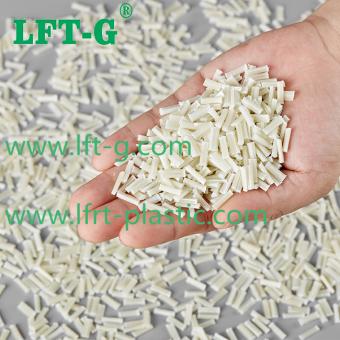
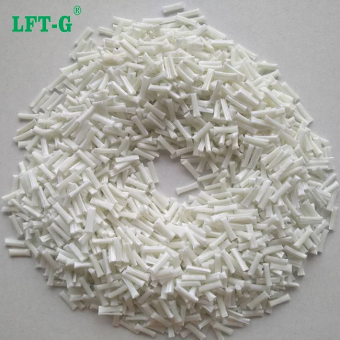
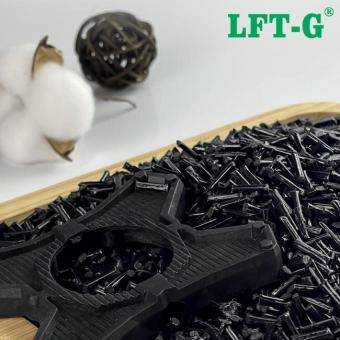
Xiamen LFT Polyamide 66 Reinforced resin Long Glass fiberReinforced Polyamide (nylon) resin PA66 Long Glass fiber is a mechanical component shield for high rigidity and dimensional stability, and is widely used in mechanical and electrical parts used in the electrical and electronic industry.
- Glass fibre reinforced polyamide thermoplastic resin
- Long Fiber reinforced Thermoplastics
- Thermoplastic Polymer low warpage
- Nylon Long glass fiber high quality made in China
- Application electrical parts PA66 Polyamide
Tags :
-
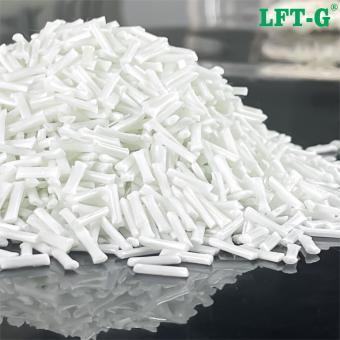
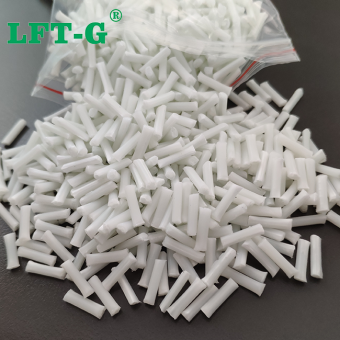
LFT material Polyamide 6 resin with filler Glass Fiber compounds High strength performanceXiamen LFT offers a wide range of nylons with many different filler materials.
- nylon 6 filament composites granules
- long glass fiber reinforcement polymer
- High toughness enhanced plastic fiberglass
- engineering use LFT manufacturer producer
- thermoplastic resin customize raw materials
- car parts automotive parts
Tags :
-
LFT material Thermoplastic Polyurethane resin with filler Glass Fiber compoundsThermoplastic Polyurethane is soft and elastic, with excellent tensile and tear strength.view more
-
LFT material Polypropylene Copolymer resin with filler Glass Fiber compoundsPolypropylene, also known as PP or polypropene, is a polyolefin or saturated polymer.view more
-
LFT material ABS resin with filler Glass Fiber compounds for electronial partsABS is a thermoplastic polymer that is durable and easy to work with.
- Acrylonitrile Butadiene Styrene filament composites granules
- home appliance parts E&E electrical
Tags :
-
Xiamen LFT-G ABS Acrylonitrile Butadiene Styrene long glass fiber reinforced for industrial useWhat is ABS? 1. ABS plastic is a thermoplastic polymer structural material, mainly through propylene, butadiene and other chemical substances synthetic polymer material, also known as ABS resin, because of its good heat resistance, impact resistance, processing, so the use of a wide range. 2. Because ABS plastic is very hard, it has strong impact resistance, scratch resistance, dimensional stability and other properties, and has the characteristics of moisture, corrosion resistance, easy processing, etc., it is an ideal material. 3. ABS material also has good light transmission, compared with the same transparency of acrylic, although it has better toughness, the price is relatively high, and the color is not more than the color of acrylic, generally beige, black, transparent three colors. 4. ABS material is also very environmentally friendly, due to the use of environmentally friendly chemicals, so non-toxic and odorless, but also with electrical insulation, is a very safe material. 5. ABS material is easy to deform in a high temperature environment, and the deformation temperature is 93-118 degrees Celsius, but it performs very well in a low temperature environment, so it is also a high temperature resistant material. What Are the Advantages of ABS Plastics? ABS has some major advantages as a general-purpose engineering material. Below is a brief list of some of ABS plastic's advantages: ABS is inexpensive and plentiful, coming in many colors, material characteristics, and forms (pellets, tubes, bar, filament, etc.). ABS is sturdy, lightweight, and ductile, being easily machined but retaining good resistance to chemicals, impacts, and abrasions. ABS is more heat-resistant than other thermoplastics in its weight class and can withstand multiple cycles of heating/cooling, making it a fully recyclable plastic. ABS can achieve a highly attractive finish and is readily paintable. ABS has low heat and electrical conductivity. Compared with PLA Acrylonitrile Butadiene Styrene (ABS) was first patented in 1948 and commercialized in 1954 by the Borg-Warner Corporation. It is an amorphous thermoplastic polymer where the molecular structure is disordered. ABS is commonly manufactured via the polymerization of styrene and acrylonitrile. ABS is a tougher plastic than PLA. It can be used for applications that require significant strength and impact resistance. The Advantages of ABS Compared to PLA? ABS has a higher glass transition temperature than PLA. ABS is generally tougher than PLA. It can withstand impact loads and has better abrasion resistance. PLA vs. ABS: Applications Comparison PLA is not widely used for typical consumer and industrial applications. It is mostly used for 3D printing in hobbyist applications or prototyping but has found some applications in the biomedical industry. ABS, on the other hand, is used as an engineering plastic across almost every industry. It is preferred for applications requiring toughness and impact resistance. PLA vs. ABS: Part Accuracy Comparison PLA is a very easy material to 3D print and it produces parts that are dimensionally stable. ABS, on the other hand, tends to warp easily during printing. PLA vs. ABS: Speed Comparison Both PLA and ABS can print at rates from 45 to 60 mm/s. PLA vs. ABS: Surface Comparison 3D-printed PLA and ABS have the common FDM (Fused Deposition Modeling) surface finish with visible layer lines. However, ABS can be vapor smoothed with solvents like acetone while PLA must be hand sanded for optimal surface finish. The vapor smoothing process melts the surface, giving it a smooth and homogeneous finish. PLA vs. ABS: Heat Resistance Comparison PLA has poor heat resistance when compared to ABS. PLA will begin to soften at 60 °C whereas ABS does not begin to soften until 105 °C. PLA vs. ABS: Biodegradability Comparison PLA is a bioplastic and biodegradable under the correct conditions. Unfortunately, these conditions are only present in industrial composting facilities. The required conditions include high temperatures and exposure to specific microbial environments. PLA can take up to 80 years to fully decompose in nature. ABS, on the other hand, is not biodegradable and can take hundreds of years to fully decompose. PLA vs. ABS: Toxicity Comparison PLA is generally recognized as safe and non-toxic after printing. During printing, PLA releases VOCs (Volatile Organic Compounds). As such, it is not recommended to print PLA in an unventilated area. However, these VOCs are low in concentration and ventilation is just an added precaution. ABS contains no known carcinogens and has no adverse health effects once printed. However, ABS also releases dangerous VOCs and nanoparticles (UPFs) during printing, far more than is the case with PLA. As such, it is advised to cover printers with a hood and to utilize a ventilation duct. PLA vs. ABS: Cost Comparison PLA and ABS are among the lowest-cost materials used in 3D printing. Both can be pu...
- ABS can be recycled plastic made in China
- thermoplastic resin raw materials
- abs for whole sell good price fiberglass
Tags :
-
LFT material Polypropylene Copolymer resin with filler Glass Fiber compoundsPolypropylene, also known as PP or polypropene, is a polyolefin or saturated polymer.view more
-
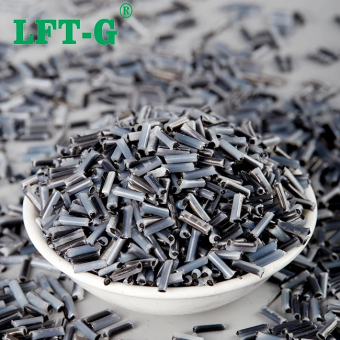
LFT Industrial Grade Polypropylene Long Carbon Fiber Reinforcement 20%-60%LFT Plastics are frequently used to replace metal for applications in which light weighting, improved impact strength, elastic modulus, and material strength are required.
- PP LCF CF compounds pellets granules
- Modified thermoplastic resin polymers
- easy to produce for car parts home appliance
- whole sell factory price 25kg/bag
- Low density and weight instead metal and steel
- can be customized plastic 10-12 mm length
Tags :
-
LFT material Polypropylene Copolymer resin with filler Glass Fiber compoundsPolypropylene, also known as PP or polypropene, is a polyolefin or saturated polymer.view more
-
LFT-G ABS long glass fiber reinforced for industrial useWhat Is ABS? ABS (Acrylonitrile Butadiene Styrene) is a widely used thermoplastic polymer known for its excellent balance of toughness, impact resistance, dimensional stability, and processability. It is produced from three monomers: acrylonitrile, butadiene, and styrene. ABS offers good mechanical strength, scratch resistance, chemical resistance, and moisture resistance. These properties make it suitable for a wide range of consumer, automotive, electrical, industrial, and 3D-printing applications. ABS can also provide an attractive surface finish and can be easily painted or post-processed. Compared with some transparent plastics such as acrylic, ABS generally offers better toughness, although it has lower transparency. ABS has relatively low thermal and electrical conductivity, making it useful for electrical housings and other insulating components. However, its heat resistance is still limited compared with high-performance engineering plastics. Because ABS is recyclable as a thermoplastic, it can be reprocessed and reused under appropriate conditions. However, its environmental performance depends on the specific formulation, additives, processing conditions, and recycling system. What Are the Advantages of ABS Plastics? ABS is a versatile and cost-effective engineering thermoplastic. Its main advantages include: Excellent Impact Resistance ABS is tough and ductile, allowing it to withstand impact and mechanical stress better than many standard plastics. Easy Processing ABS is easy to injection mold, machine, extrude, and process, making it suitable for high-volume manufacturing. Good Surface Finish ABS can achieve a smooth and attractive surface and can be painted, machined, or post-processed when required. Dimensional Stability ABS provides good dimensional stability for many general-purpose applications and maintains its shape under normal service conditions. Cost Effective ABS is widely available and generally offers a good balance between material cost, mechanical performance, and processing efficiency. Wide Application Range ABS is used in automotive parts, electrical housings, consumer products, appliances, industrial components, and 3D printing. ABS vs. PLA ABS and PLA are two of the most commonly used materials in 3D printing, but they have different performance characteristics. ABS is generally tougher and more impact-resistant, while PLA is easier to print and offers better dimensional stability during printing. ABS is better suited to applications requiring higher toughness, impact resistance, and heat resistance, while PLA is often preferred for prototypes, models, and applications where ease of printing is more important. ABS vs. PLA: Key Differences Property ABS PLA Toughness Higher Lower Impact Resistance Good Moderate Heat Resistance Higher Lower Ease of 3D Printing More challenging Very easy Warping Higher tendency Lower tendency Surface Treatment Can be vapor smoothed Usually requires sanding or other finishing Typical Applications Engineering parts, housings, functional prototypes Prototypes, models, hobbyist printing ABS vs. PLA: Applications Comparison PLA is widely used for 3D printing, prototyping, models, and hobbyist applications because it is easy to print and provides good dimensional accuracy. ABS is more commonly selected when the finished part needs better toughness, impact resistance, and heat resistance. It is used across automotive, electrical, consumer electronics, appliances, industrial equipment, and functional 3D-printing applications. PLA vs. ABS: Part Accuracy PLA is generally easier to print and tends to produce dimensionally stable parts with less warping. ABS has a higher tendency to warp because of thermal shrinkage, so a heated bed, controlled printing environment, and appropriate printer settings are often required. PLA vs. ABS: Printing Speed Both PLA and ABS can be printed at similar speeds depending on the printer, nozzle, layer height, temperature, and part geometry. Typical FDM printing speeds may fall within approximately 45–60 mm/s, although optimized systems can operate outside this range. PLA vs. ABS: Surface Finish Both PLA and ABS parts produced by FDM printing typically show visible layer lines. However, ABS has an additional post-processing advantage: it can be vapor smoothed using suitable solvents such as acetone, producing a smoother and more uniform surface. PLA generally requires sanding or other mechanical or chemical finishing methods. PLA vs. ABS: Heat Resistance ABS generally provides better heat resistance than PLA. PLA begins to lose stiffness at relatively low temperatures, while ABS can maintain useful mechanical performance at higher temperatures. The actual temperature limit depends on the specific grade, formulation, part geometry, and loading conditions. PLA vs. ABS: Biodegradability PLA is a bio-based polymer and can biodegrade under suitable industrial composting conditions. However, it does not necessarily biodegrade quick...view more