e-mail
 English
 français
 Deutsch
 русский
 italiano
 español
 português
 العربية
 日本語
日本語 한국의
한국의 中文
中文


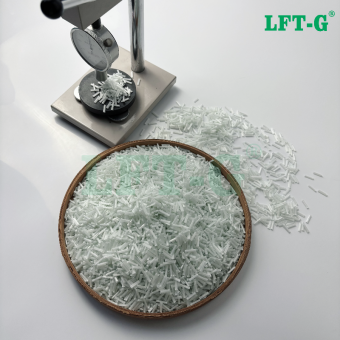
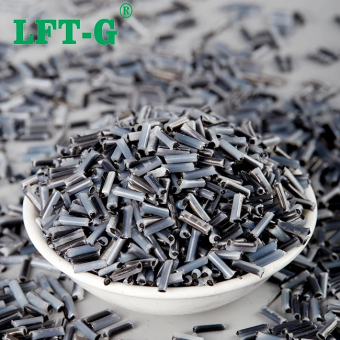
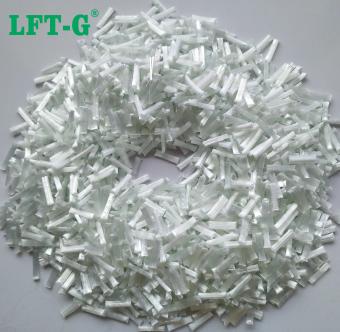
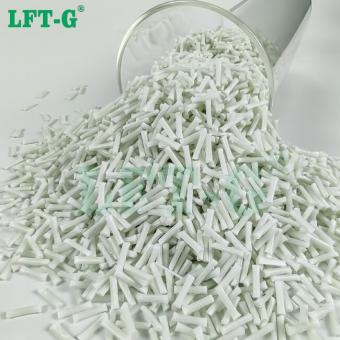
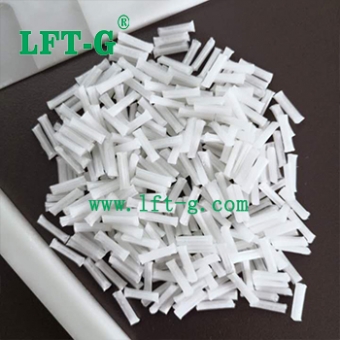
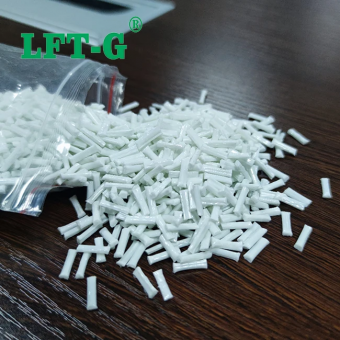
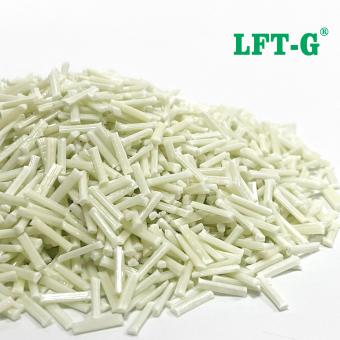
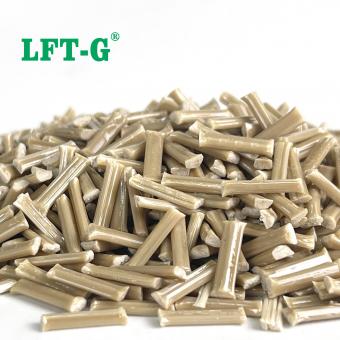
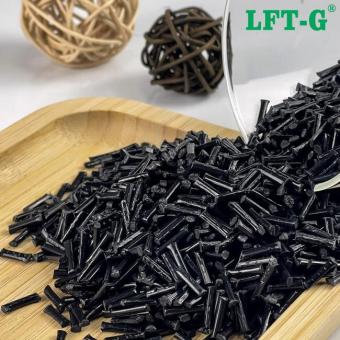
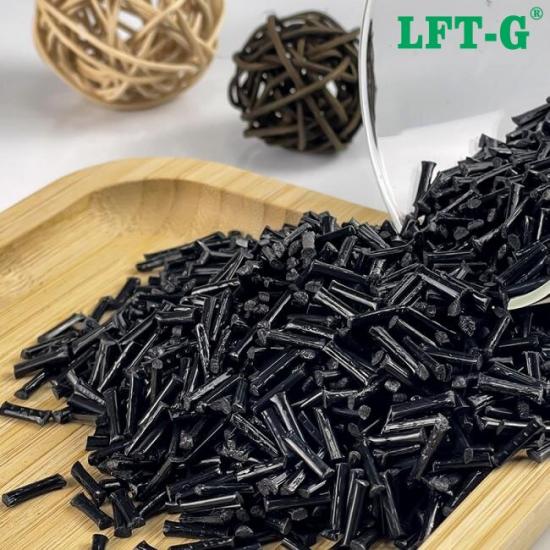
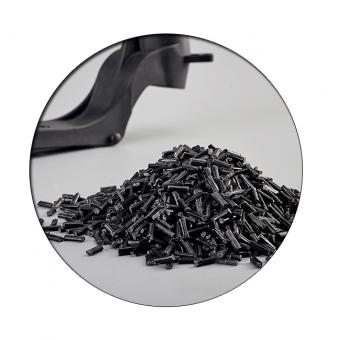
Long Carbon Fiber Reinforced Polypropylene (LCF PP)
Carbon Fiber Reinforced Composite (CFRP) consists of carbon fiber as the reinforcement material and resin as the matrix material. Initially developed for military applications, carbon fiber composites are now widely used in industrial, automotive, electronics, and sports equipment industries due to continuous improvements in material performance, processing technology, and cost efficiency.
Polypropylene (PP) is one of the most widely used engineering thermoplastics because of its low cost, excellent processing characteristics, and balanced performance. By reinforcing polypropylene with long carbon fiber, significant improvements can be achieved in mechanical strength, stiffness, heat resistance, dimensional stability, and lightweight performance.
As electric vehicles and lightweight transportation solutions continue to grow, Long Carbon Fiber Reinforced Polypropylene (LCF PP) has become an increasingly important material for automotive structural components, electronic appliances, and industrial applications.
Advantages of Carbon Fiber Reinforced Polypropylene
- High strength-to-weight ratio
- Excellent stiffness and modulus
- Low density for lightweight designs
- Outstanding dimensional stability
- Low coefficient of thermal expansion
- High temperature resistance
- Excellent heat shock resistance
- Superior corrosion resistance
- Good vibration damping performance
- Suitable for new energy vehicle applications
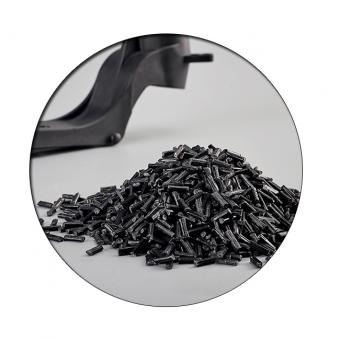
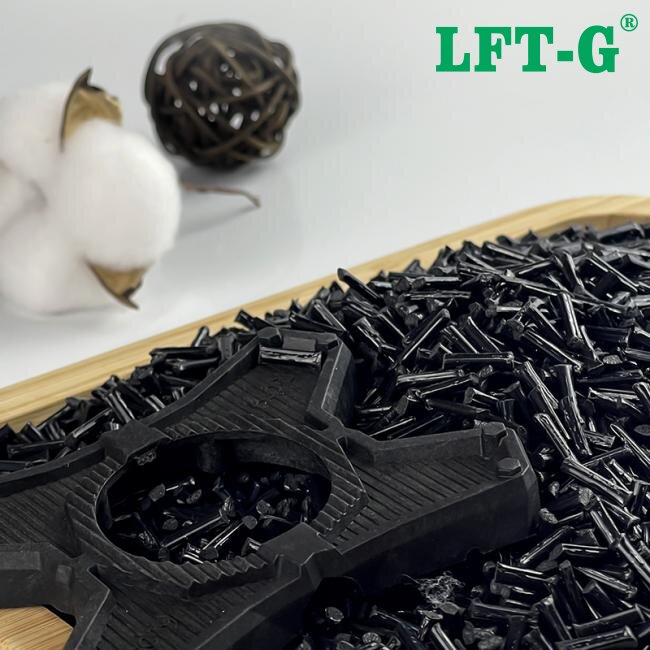
Long carbon fiber reinforced polypropylene compounds are widely used in automotive instrument panel carriers, seat structures, battery system components, electronic housings, and other lightweight structural applications.
LFT® Long Fiber Reinforced Thermoplastic Solutions
LFT® materials are engineered long glass fiber (LGF) and long carbon fiber (LCF) reinforced thermoplastic compounds produced using our proprietary Centerfill® manufacturing technology.
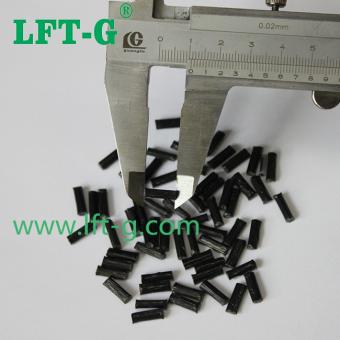
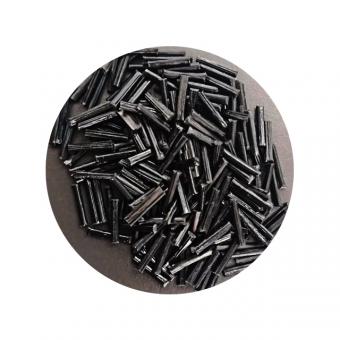
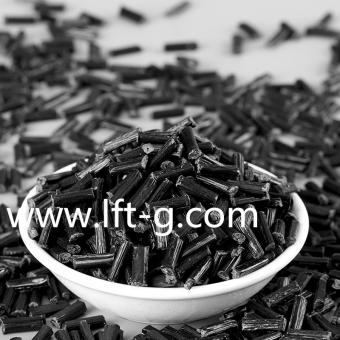
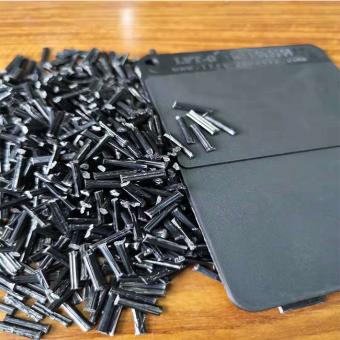
With pellet lengths ranging from 6 mm to 25 mm and reinforcement contents from 20% to 70%, LFT® compounds provide customized solutions for demanding industrial applications where weight reduction, durability, and performance are critical.
Key Benefits of LFT® Materials
- Excellent thermal stability
- Outstanding UV and weather resistance
- Exceptional low-temperature impact strength
- Improved safety and durability
- Lightweight alternative to metal components
- Cost-effective performance enhancement
What is Centerfill® Technology?
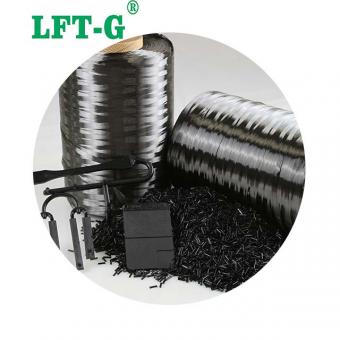
Centerfill® is LFT-G's proprietary manufacturing process. Continuous glass fiber or carbon fiber rovings containing thousands of filaments are introduced into a specialized impregnation system where molten thermoplastic resin uniformly penetrates the fiber bundle. The impregnated strands are then cut into long-fiber pellets, preserving fiber length and maximizing composite performance.
Frequently Asked Questions (FAQ)
Does long glass fiber or long carbon fiber injection molding require special equipment?
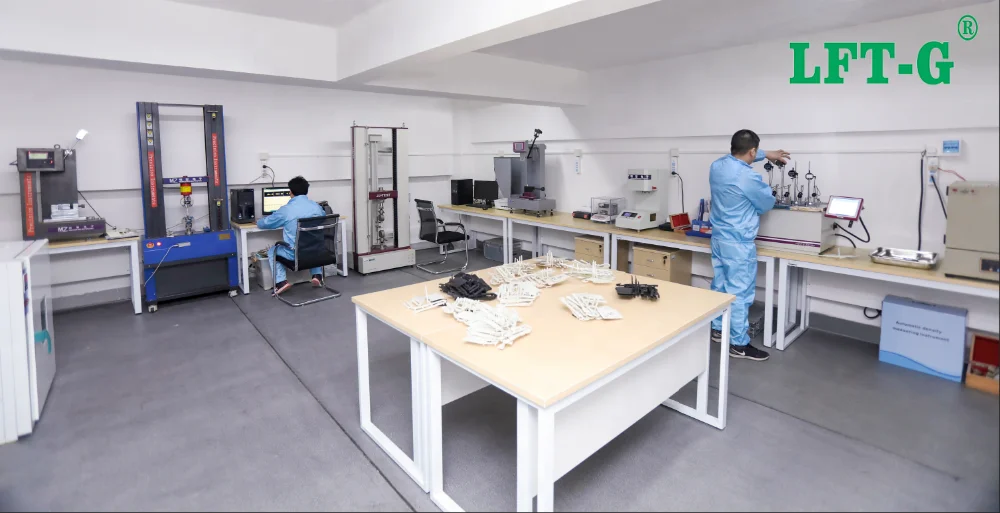
Yes. Long fiber reinforced thermoplastics require consideration of part design, screw geometry, nozzle configuration, mold design, and processing conditions. Proper equipment setup helps preserve fiber length and achieve optimal mechanical performance.
How do I select fiber type, fiber length, and reinforcement content?
Material selection depends on the final application's performance requirements. Engineers should evaluate strength, stiffness, impact resistance, weight reduction targets, operating temperatures, and cost considerations when choosing fiber type and reinforcement levels.
Can long fiber reinforced materials be used for parts with appearance requirements?
Long fiber reinforced materials are primarily designed to maximize mechanical performance. For components requiring high-gloss surfaces or premium cosmetic finishes, a detailed evaluation of the specific application and appearance requirements is recommended.