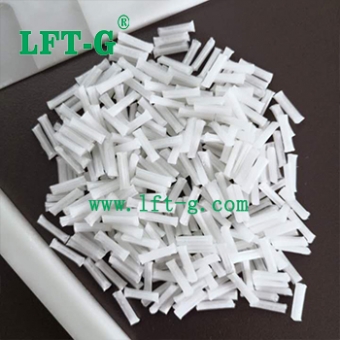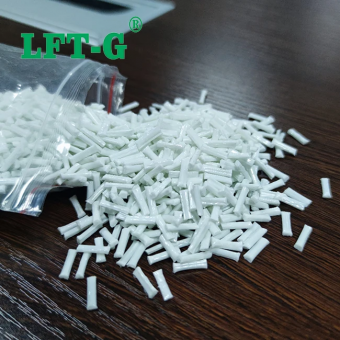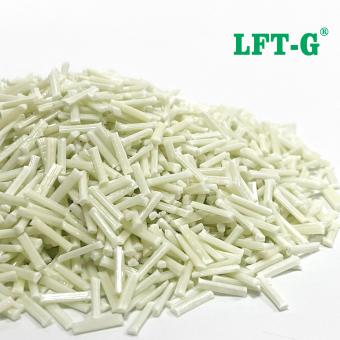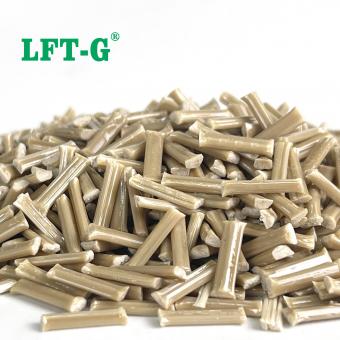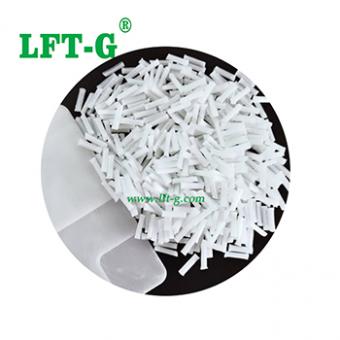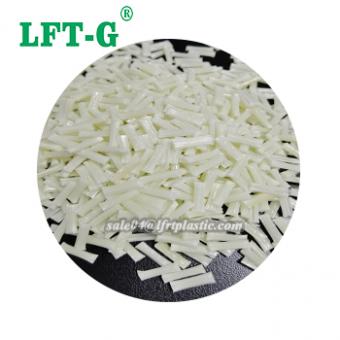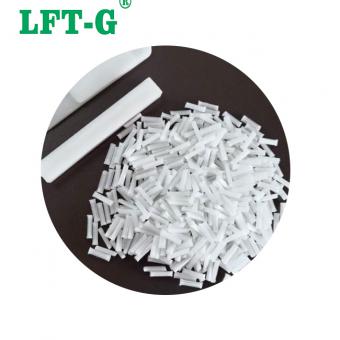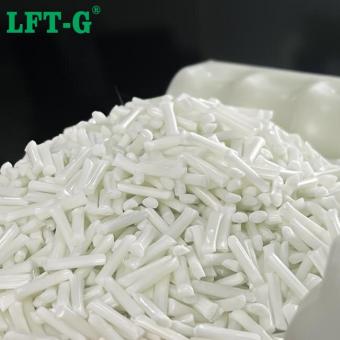
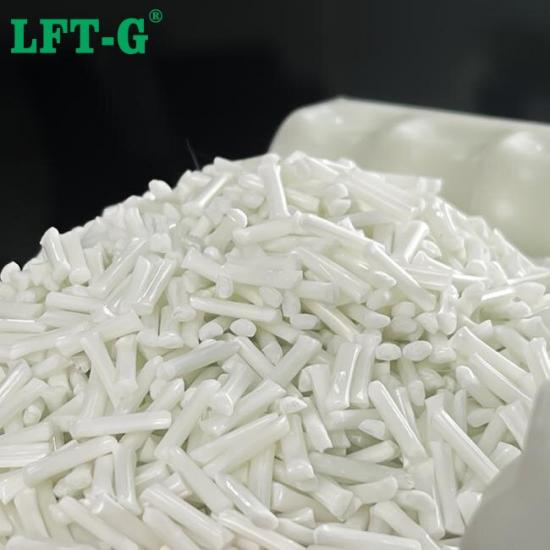
item no.:
PA66-NA-LGFPayment:
T/T or L/C (other payment ways also can be diproduct origin:
Xiamen, ChinaColor:
Original color (also can be customized)shipping port:
Xiamen, ChinaNylon (PA) offers a combination of excellent properties, including high mechanical strength, chemical resistance, oil resistance, wear resistance, self-lubrication, and good processability. As a result, nylon has become one of the most widely used engineering thermoplastics in many industrial applications.
However, the performance requirements of nylon vary depending on the application, operating conditions, and service environment.
For example, components such as electric drill housings, motor housings, pump impellers, bearings, diesel engine components, and air-conditioning fan blades may require high strength, rigidity, and dimensional stability. Since unmodified nylon can exhibit reduced toughness at low temperatures, impact modification may be required for certain applications. For long-term outdoor use, weather-resistant modification may also be necessary.
The most commonly used reinforcing materials for nylon include glass fiber, carbon fiber, and various other fibrous materials. Among them, glass fiber reinforcement is one of the most widely adopted solutions. Adding glass fiber can significantly improve the stiffness, strength, hardness, dimensional stability, and heat resistance of nylon.
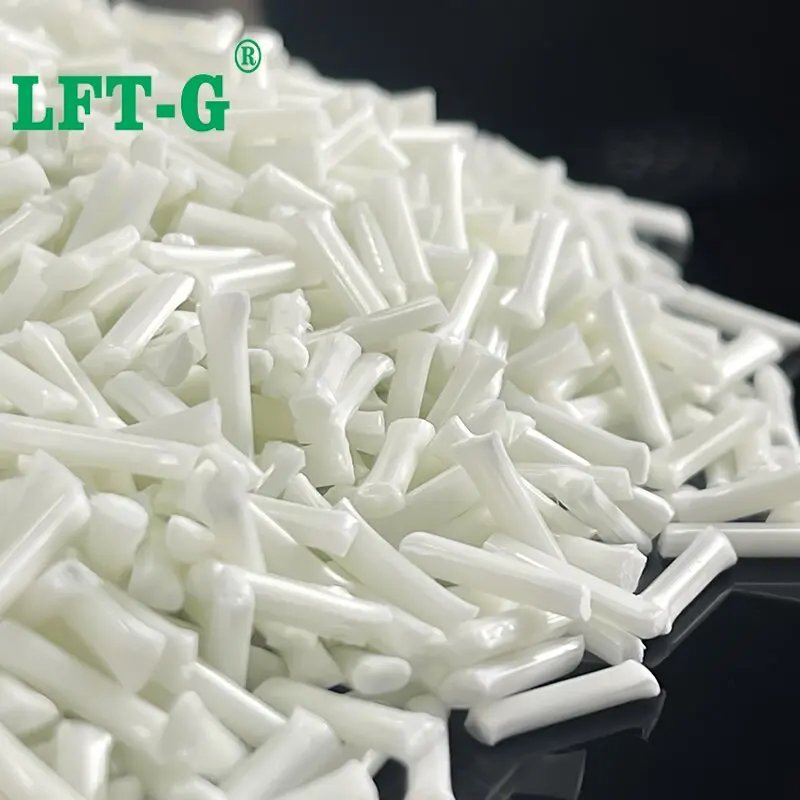
Depending on the required mechanical performance and application, glass fiber content can typically range from approximately 20% to 50%. Grades with around 30% glass fiber are commonly used for a balance of strength, stiffness, processability, and cost, while higher fiber contents can be selected when greater mechanical performance is required.
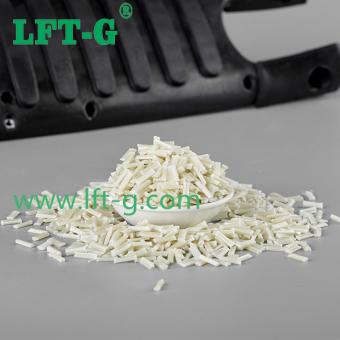
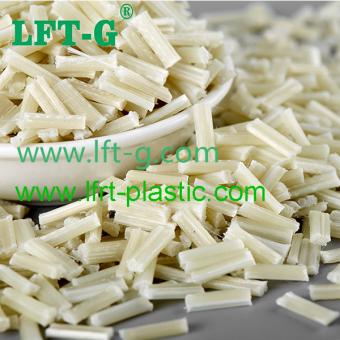
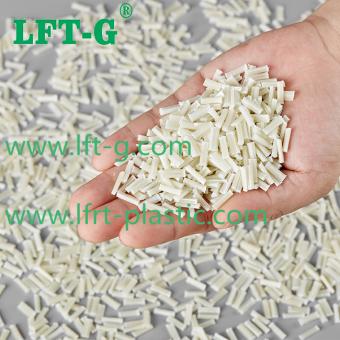
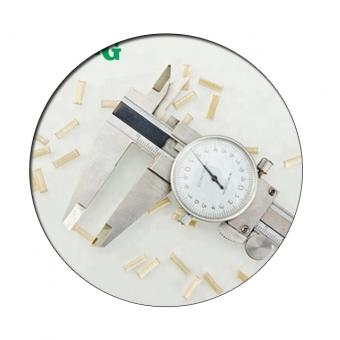
Long glass fiber reinforced nylon can be manufactured using a specialized compounding process designed to maintain a relatively long fiber length within the polymer matrix.
During the production process, nylon resin and other formulation components are prepared and fed into the compounding system, while continuous glass fiber is introduced through a dedicated fiber feeding system. The glass fiber is impregnated and combined with the molten nylon resin under controlled processing conditions. Proper control of screw configuration, temperature, feeding rate, and shear is important for achieving good fiber distribution while minimizing unnecessary fiber breakage.
The interfacial bonding between glass fiber and nylon resin is one of the most important factors affecting the performance of glass fiber reinforced nylon. If the adhesion between the fiber and polymer matrix is insufficient, the reinforcing efficiency can be significantly reduced.
Therefore, appropriate glass fiber surface treatment and sizing technology are important. Glass fiber manufacturers can provide different surface treatments and sizing systems designed for specific polymer matrices, allowing compounders to select a suitable fiber type for the target nylon formulation.
The length of glass fiber retained in the nylon matrix is another important factor affecting mechanical performance. In general, long glass fiber reinforced nylon can provide advantages over conventional short glass fiber materials in terms of tensile strength, flexural strength, stiffness, dimensional stability, and impact performance.
Uniform glass fiber dispersion is also critical to achieving consistent material performance. It is influenced by the screw configuration, screw speed, residence time, processing temperature, and formulation.
Excessive shear can cause unnecessary fiber breakage, reducing the effective fiber length and potentially affecting the mechanical properties of the final product. Therefore, processing conditions should be optimized according to the glass fiber content and formulation requirements.
In addition to fiber length and dispersion, factors such as processing temperature, glass fiber diameter, fiber type, resin grade, additives, and moisture control can also influence the final performance of glass fiber reinforced nylon.
Compared with unfilled nylon, glass fiber reinforced nylon generally exhibits higher melt viscosity and can therefore present greater processing challenges during injection molding. Potential issues include higher injection pressure requirements, incomplete filling, increased mold temperature requirements, and reduced surface quality.
For demanding injection molding applications, processing performance can be improved through formulation optimization, including the appropriate selection of processing aids, lubricants, stabilizers, and other additives. Injection molding parameters should also be adjusted according to the specific material grade and part design.
In applications such as bearings, engine components, and fan systems, glass fiber reinforced nylon may be exposed to elevated temperatures for extended periods. Although glass fiber reinforcement can improve the heat resistance and dimensional stability of nylon, long-term thermal and oxidative aging may still affect the material.
For applications requiring enhanced long-term thermal stability, suitable heat stabilizers and antioxidant systems can be incorporated into the formulation. The appropriate additive package should be selected according to the operating temperature, exposure time, and application requirements.
Nylon exposed to sunlight, temperature fluctuations, wind, rain, and other environmental conditions may experience aging effects such as fading, discoloration, cracking, surface degradation, and loss of mechanical strength. Ultraviolet (UV) radiation is one of the key factors contributing to outdoor aging.
For outdoor applications, weather-resistant nylon formulations can be developed using appropriate UV stabilizers, antioxidants, and other additives. Black grades commonly use carbon black as part of the UV protection system, while natural and light-colored grades require alternative stabilization technologies to maintain appearance and mechanical performance during long-term outdoor exposure.
High glass fiber content grades are suitable for applications requiring high strength, stiffness, dimensional stability, and load-bearing performance, such as high-performance gears, industrial components, and professional equipment parts.
These grades provide a balanced combination of mechanical strength, stiffness, processability, and cost, making them suitable for automotive components, power tool housings, electrical components, fan blades, impellers, consumer products, and other medium-to-high strength applications.
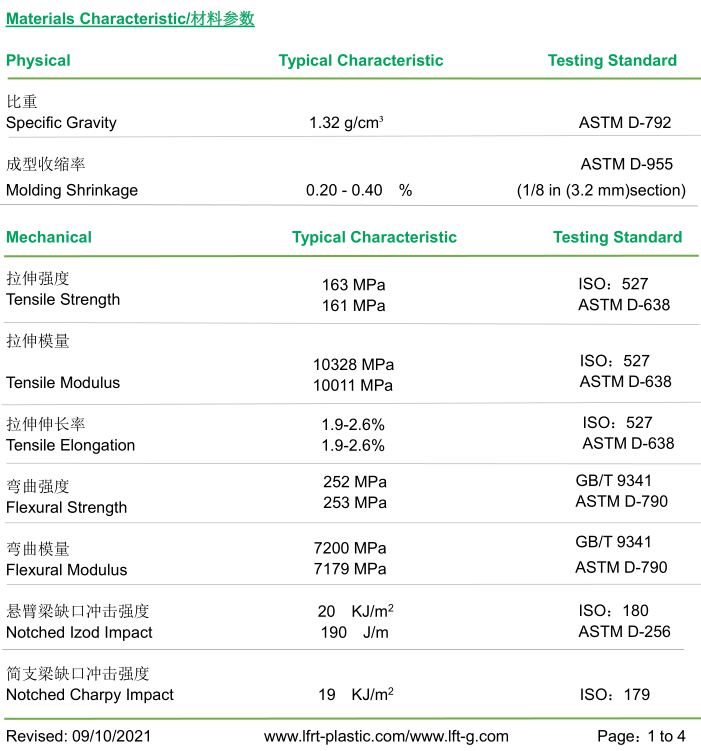
Data tested by our own laboratory and provided for reference only. Actual properties may vary depending on material grade, processing conditions, and testing methods.
Looking for PA66 Long Glass Fiber Reinforced Materials?
Contact LFT-G for technical support, material selection, samples, and customized formulations.
follow us :


-- get updates with latest topics

 e-mail
 English
 français
 Deutsch
 русский
 italiano
 español
 português
 العربية
 日本語
日本語 한국의
한국의 中文
中文