e-mail
 English
 français
 Deutsch
 русский
 italiano
 español
 português
 العربية
 日本語
日本語 한국의
한국의 中文
中文


-
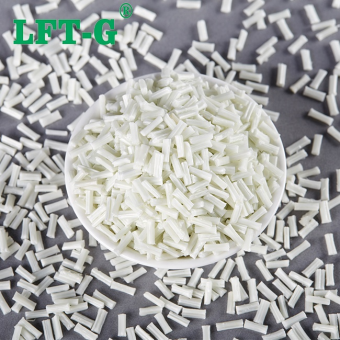
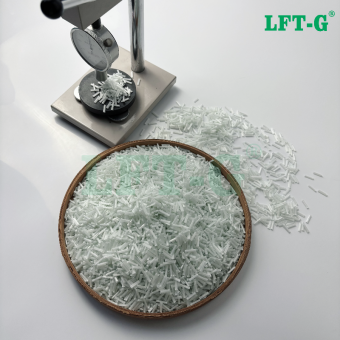
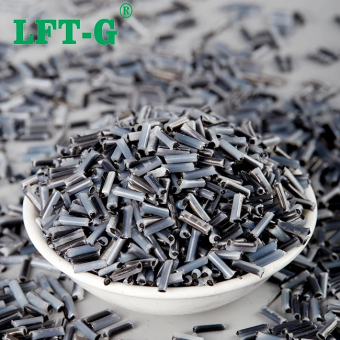
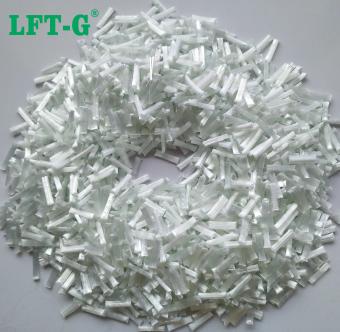
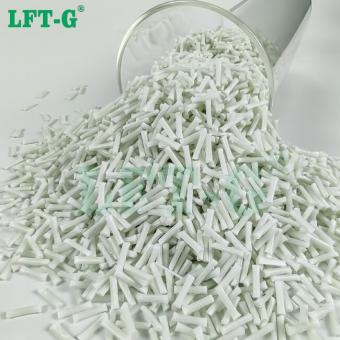
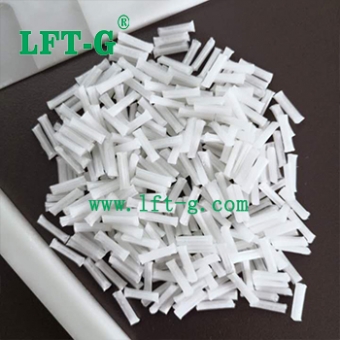
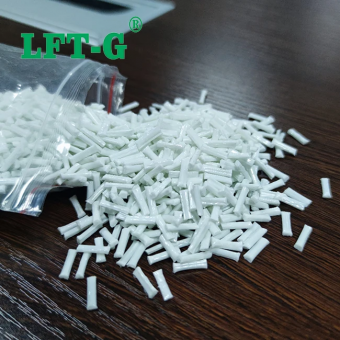
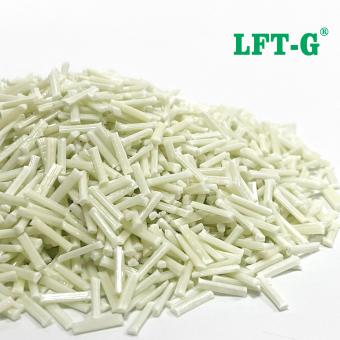
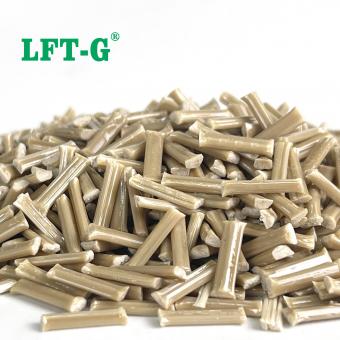
Xiamen LFT-G Nylon 6 Polyamide 6 composite Long Glass Fiber modified plastic 12mm original colorPA6 material PA6 is one of the most widely used materials in the current field, and PA6 is a very good engineering plastic with balanced and good performance. The raw materials for the manufacture of nylon 6 engineering plastic are extensive and inexpensive, and it is not restricted by the technological monopoly of foreign companies. However, in order to make good use of this inexpensive and excellent material, we must first understand it. Today, we will start with glass fiber reinforced PA6 engineering plastics, because it is the most important category of PA6 engineering plastics. Just like any other engineering plastics, PA6 has advantages and disadvantages, such as high water absorption, low temperature impact toughness and dimensional stability is relatively poor. So engineers will use different methods to make PA6 better, which we call modification. At present, the most common method is to blend and modify PA6 with glass fiber (GF). Today, we will take a look at the mechanical properties of PA6 engineering plastics under the glass fiber GF system for reference and help us select materials. PA6-LGF 1. Influence of glass fiber content on PA6 engineering plastics We can find from the application and experiment that the content index is often one of the biggest influencing factors in fiber reinforced composites. As the glass fiber content increases, the number of glass fibers per unit area of the material will increase, which means that the PA6 matrix between the glass fibers will become thinner. This change determines the impact toughness, tensile strength, bending strength and other mechanical properties of glass fiber reinforced PA6 composites. In terms of impact performance, the increase of glass fiber content will greatly increase the notch impact strength of PA6. Taking long glass fiber (LGF) filling PA6 as an example, when the filling volume increases to 35%, the notch impact strength will increase from 24.8J/m to 128.5J/m. But the glass fiber content is not more is better, short glass fiber (SGF) filling volume reached 42%, the impact strength of the material reached the highest 17.4kJ/㎡, but continue to add will let the gap impact strength showed a downward trend. In terms of bending strength, the increase of the amount of glass fiber will make the bending stress can be transferred between the glass fiber through the resin layer; At the same time, when the glass fiber is extracted from the resin or broken, it will absorb a lot of energy, thus improving the bending strength of the material. The above theory is verified by experiments. The data show that the bending elastic modulus increases to 4.99GPa when the LGF (long glass fiber) is filled to 35%. When the content of SGF (short glass fiber) is 42%, the bending elastic modulus reaches 10410MPa, which is about 5 times that of pure PA6. 2. Influence of glass fiber retention length on PA6 composites The fiber length of the glass fiber also has an obvious effect on the mechanical properties of the material. When the length of the glass fiber is less than the critical length (the length of the fiber when the material has the tensile strength of the fiber), the interface binding area of the glass fiber and the resin increases with the increase of the length of the glass fiber. When the composite material is broken, the resistance of the glass fiber from the resin is also greater, so as to improve the ability to withstand the tensile load. When the length of glass fiber exceeds the critical, the longer glass fiber can absorb more impact energy under impact load. In addition, the end of the glass fiber is the initiation point of crack growth, and the number of long glass fiber ends is relatively less, and the impact strength can be significantly improved. The experimental results show that the tensile strength of the material increases from 154.8MPa to 164.4MPa when the glass fiber content is kept at 40% and the length of the glass fiber increases from 4mm to 13mm. The bending strength and notched impact strength increased by 24% and 28%, respectively. Moreover, the research shows that when the original length of the glass fiber is less than 7mm, the material performance increases more obviously. Compared with short glass fiber, long glass fiber reinforced PA6 material has better appearance warping resistance, and can better maintain mechanical properties under high temperature and humidity conditions. TDS for your reference PA6 can be made into long glass fiber reinforced material by adding 20%-60% long glass fiber according to the characteristics of the product. PA6 with long glass fiber added has better strength, heat resistance, impact resistance, dimensional stability and warping resistance than without glass fiber added. Following TDS show the data of PA6-LGF30. Application PA6-LGF has the largest proportion of applications in the automotive industry, by electronic and electrical applications, and also involving machinery and engineering ...
- PA6 thermoplastic resin materials
- nylon 6 granules
- glass fiber reinforced plastics granules
- long fiber compounds pa6
- Injection molding plastic
- LFT-G reinforced material
Tags :
-
China LFT-G Nylon Polyamide 6 composite Long Glass Fiber modified plastic original colorPolyamide, which is also known by the trade name, Nylon, has excellent heat resistant properties, especially when combined with additives and filler materials. In addition to this, Nylon is very resistant to abrasion. Xiamen LFT offers a wide range of temperature-resistant nylons with many different filler materials.view more
-
Xiamen LFT-G Nylon 6 Polyamide 6 composite Long Glass Fiber modified plastic 12mm original colorPA6 Material Overview PA6 (Polyamide 6) is a widely used engineering plastic with excellent balanced performance. Its raw materials are readily available and cost-effective, making it accessible without dependence on foreign technology. However, PA6 has some limitations such as high water absorption, lower low-temperature impact toughness, and moderate dimensional stability. To overcome these limitations, PA6 is often reinforced with glass fiber (GF) to enhance mechanical properties. PA6-LGF (Long Glass Fiber Reinforced PA6) 1. Influence of Glass Fiber Content Glass fiber content is a key factor in the performance of reinforced composites. Increasing fiber content increases fiber density, thinning the PA6 matrix between fibers. This enhances impact toughness, tensile strength, and bending strength. Example: For PA6-LGF, increasing fiber content to 35% raised notch impact strength from 24.8 J/m to 128.5 J/m. However, excessive fiber content can reduce impact strength. Bending strength also improves as fibers transfer stress and absorb energy when broken, with experimental results showing bending modulus up to 4.99 GPa for 35% LGF. 2. Influence of Fiber Retention Length Fiber length significantly affects mechanical properties. When fiber length is below the critical length, increasing length improves resin-fiber bonding and tensile load resistance. When fiber exceeds the critical length, longer fibers absorb more impact energy and improve impact strength, as the number of fiber ends (crack initiation points) decreases. Example: At 40% fiber content, increasing fiber length from 4mm to 13mm improved tensile strength from 154.8 MPa to 164.4 MPa, with bending strength and notched impact strength increasing by 24% and 28%, respectively. Fibers longer than 7mm enhance warping resistance and mechanical stability under high temperature and humidity. Technical Data Reference (TDS) PA6-LGF can be reinforced with 20%-60% long glass fiber depending on product requirements. Compared to unreinforced PA6, PA6-LGF offers enhanced strength, heat resistance, impact resistance, dimensional stability, and reduced warping. The following TDS shows the data for PA6-LGF30. Applications of PA6-LGF PA6-LGF is widely used in automotive, electronic/electrical, and machinery/engineering parts. Automotive Parts Lightweight and miniaturization trends promote PA6-LGF use in engines, electrical systems, and body components. Electronic & Electrical Components Excellent flame retardancy and corrosion resistance make PA6-LGF suitable for switchgear, circuit breakers, contactors, connectors, and cable protection tubes. Mechanical & Engineering Parts Good impact resistance, wear resistance, and self-lubrication properties allow PA6-LGF to be used in machinery and engineering accessories. About Xiamen LFT Composite Plastics Co., Ltd. Xiamen LFT focuses on Long Glass Fiber (LGF) and Long Carbon Fiber (LCF) reinforced thermoplastics. Our LFT materials support injection molding (LFT-G) and extrusion molding, as well as LFT-D molding, with fiber lengths from 5–25mm. Our products are ISO9001 & IATF16949 certified, patented, and widely used in automotive, electronics, industrial, and engineering applications.view more
-
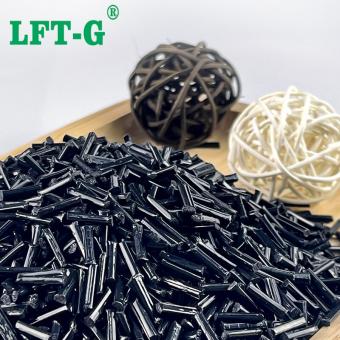
Xiamen LFT-G Polyamide 6 filling Long Carbon Fiber reinforced thermoplastic materialPA6 Long Carbon Fiber Composite body { font-family: Arial, sans-serif; line-height: 1.6; color: #333; margin: 20px; } h2 { font-size: 24px; background-color: #f0f0f0; padding: 10px; color: #339933; } p { margin: 10px 0; } ul { margin: 10px 0 10px 20px; } img { max-width: 100%; height: auto; display: block; margin: 10px 0; } Polyamide 6 (PA6) Nylon 6 (PA6) is a general engineering plastic with lightweight, wear resistance, corrosion resistance, and good toughness. As a thermoplastic resin, it softens when heated and hardens when cooled, allowing repeated processing. Long Carbon Fiber Carbon fiber has high strength, high modulus, large specific surface area, and high electrical conductivity. Compared with glass fiber, carbon fiber provides maximum strength along the fiber direction. Carbon fiber reinforced composites are stronger than polymer matrix materials while maintaining light weight, gradually replacing traditional metals in electronics, electric vehicles, medical devices, industrial equipment, and sports/leisure products. LCF VS SCF Advantages of Long Carbon Fiber Filled High strength and high toughness Small coefficient of thermal expansion Low hardness and light weight Corrosion resistance and aging resistance Temperature resistance TDS of PA6 for Reference Application of PA6 Suitable for manufacturing helmets, car bumpers, treadmills, etc. Certifications Factory & Warehouse Teams & Customers About Us Xiamen LFT Composite Plastic Co., Ltd is a brand-name company focusing on LFT & LFRT: Long Glass Fiber Series (LGF) & Long Carbon Fiber Series (LCF). Our thermoplastic LFT materials can be used for LFT-G injection molding, extrusion, and LFT-D molding. Fiber lengths can be customized from 5~25mm. Our continuous infiltration reinforced thermoplastics have passed ISO9001 & IATF16949 certification, and products hold multiple national trademarks and patents.
- long fibre reinforced thermoplastics
- carbon fiber reinforced plastics granules
- long carbon fiber reinforced pa6
- long fiber compounds pa6 nylon
- long fiber composite pa6 granules
- long carbon fiber polyamide6 higher peroformance
Tags :
-
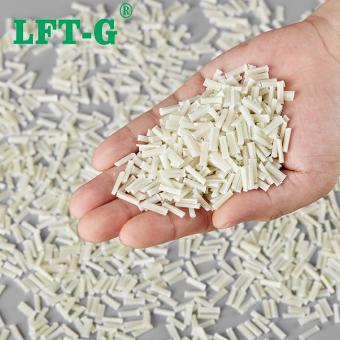
lft-g PA66 reinforced material long glass fiber 30% specification Polyamide66 modified plasticWhat is PA66? PA66 (Polyamide 66), also known as Nylon 66, is a semi-crystalline thermoplastic widely used in automotive, electrical, electronic, and industrial applications. It offers excellent mechanical strength, wear resistance, and thermal stability. What is PA66-LGF? PA66-LGF (Long Glass Fiber Reinforced Nylon 66) is a modified engineering plastic made by reinforcing PA66 with long glass fibers. This significantly improves mechanical performance, dimensional stability, and heat resistance. Compared with unfilled PA66, LGF-reinforced PA66 offers: Higher strength and stiffness Improved dimensional stability (low warpage and shrinkage) Better fatigue and creep resistance Reduced water absorption impact on properties Material Characteristics High mechanical strength and rigidity Excellent heat resistance and wear resistance Good chemical resistance (oils, fuels, greases) Low friction and self-lubricating properties Stable performance under humid and variable environments Applications 1. Automotive Industry Used in engine covers, intake systems, cooling components, interior and structural parts such as dashboards, door handles, and brackets. 2. Electrical & Electronics Applied in connectors, switches, insulation parts, housings, and electrical components requiring flame resistance and dimensional stability. 3. Industrial & Machinery Suitable for gears, bearings, fasteners, conveyor parts, and structural mechanical components requiring high strength and durability. Product Specification ItemSpecification GradePA66-LGF30 Fiber Length12 mm ColorNatural / Customized MOQ25 kg Packaging25 kg/bag Delivery Time7–15 days PortXiamen Port FAQ 1. Is higher glass fiber content always better? Not necessarily. The optimal fiber content depends on application requirements such as strength, toughness, and surface quality. 2. Can LGF materials be used for appearance parts? Yes, but surface quality must be evaluated based on product design and mold conditions. 3. How to choose reinforcement length? Selection depends on required mechanical performance and final application conditions. Supplier Information Xiamen LFT Composite Plastic Co., Ltd specializes in long fiber reinforced thermoplastics (LFT-G / LFT-D), including PP, PA6, PA66, PPA, PBT, TPU, and other engineering materials. We provide customized solutions for automotive, electronics, and industrial applications.
- Polyamide 66 lgf filling lgf
- long glass fiber polyamide66
- pa66 lgf30
- long fiber compounds pa66
- polyamide 6.6 lgf30
Tags :
-
Polyamide 6 filling Long Carbon Fiber reinforced thermoplastic materialPA6 Long Carbon Fiber Reinforced Thermoplastic High-performance PA6 reinforced with long carbon fiber (LCF) combines lightweight properties, superior mechanical strength, dimensional stability, and outstanding durability for demanding industrial applications. Polyamide 6 (PA6) Nylon 6 (PA6) is a widely used engineering plastic known for its lightweight structure, excellent wear resistance, corrosion resistance, and high toughness. As a thermoplastic resin, PA6 can be repeatedly softened by heating and hardened by cooling, making it highly suitable for repeated processing and molding applications. Long Carbon Fiber (LCF) Carbon fiber features high strength, high modulus, excellent electrical conductivity, and an outstanding strength-to-weight ratio. Compared with traditional glass fiber, carbon fiber provides superior mechanical performance while maintaining lightweight characteristics. Long carbon fiber reinforced thermoplastics are increasingly replacing traditional metal materials in industries such as electric vehicles, electronics, industrial equipment, medical devices, and sports products. LCF vs SCF Long carbon fiber (LCF) reinforced materials provide better impact resistance, fatigue performance, and structural integrity compared with short carbon fiber (SCF) materials. Advantages of Long Carbon Fiber Reinforcement High Strength Excellent mechanical performance with outstanding toughness and durability. Lightweight Lower density compared with traditional metal materials. Thermal Stability Low thermal expansion coefficient and excellent heat resistance. Corrosion Resistance Outstanding resistance to chemicals, aging, and environmental exposure. TDS of PA6 for Reference Applications of PA6-LCF PA6 reinforced with long carbon fiber is widely used in structural and lightweight applications requiring high strength and impact resistance. Helmets Automotive bumpers Treadmills and sports equipment Industrial machinery parts Electric vehicle components Consumer electronics Certifications Factory & Warehouse Teams & Customers About Us Xiamen LFT Composite Plastic Co., Ltd. is a professional manufacturer specializing in Long Fiber Reinforced Thermoplastics (LFT & LFRT), including Long Glass Fiber (LGF) and Long Carbon Fiber (LCF) series materials. Our thermoplastic materials are suitable for injection molding, extrusion, and LFT-D molding applications. Fiber length can be customized from 5mm to 25mm according to customer requirements. The company has passed ISO9001 and IATF16949 certifications, and our products have obtained multiple patents and trademarks.view more