e-mail
 English
 français
 Deutsch
 русский
 italiano
 español
 português
 العربية
 日本語
日本語 한국의
한국의 中文
中文


-
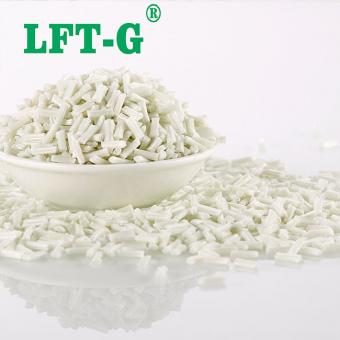
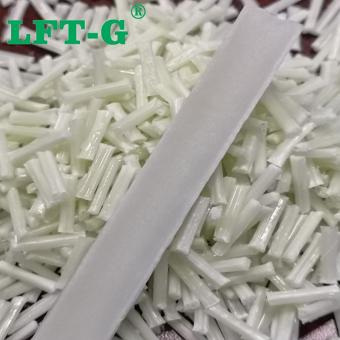
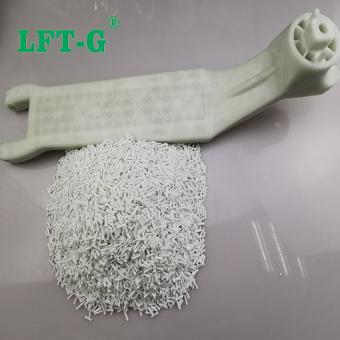
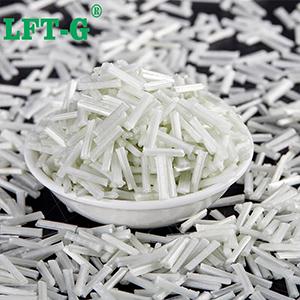
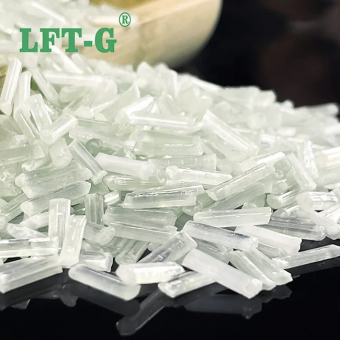
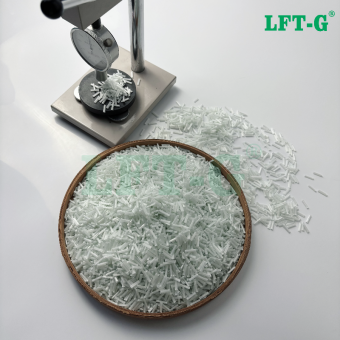
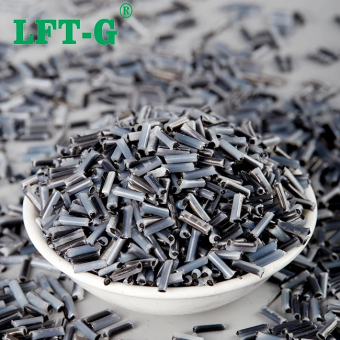
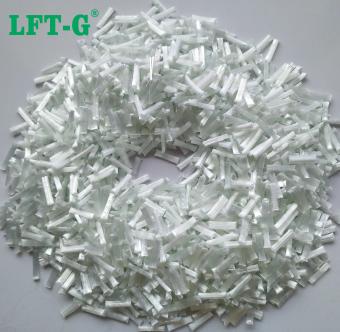
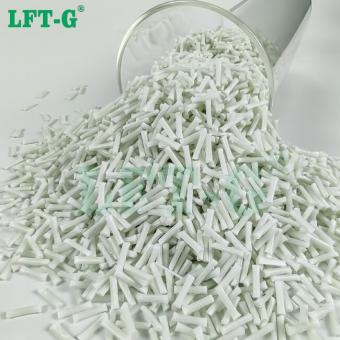
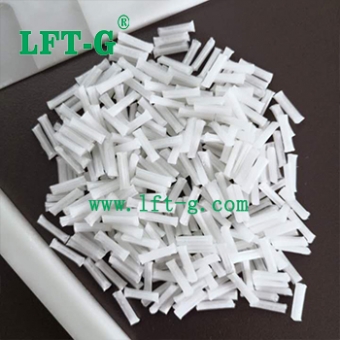
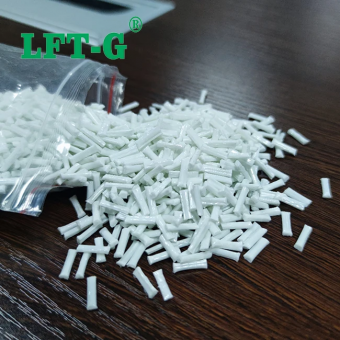
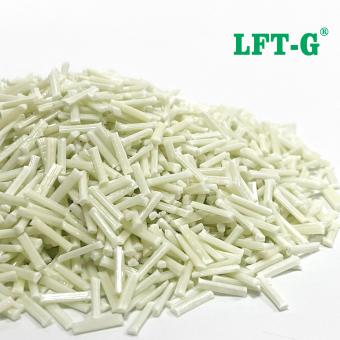
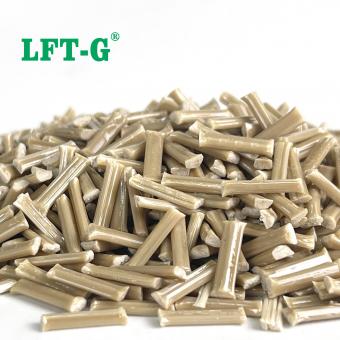
Homopolymer & Copolymer PP LGF20 GranulesPP Long Glass Fiber 20% Reinforced Thermoplastic Granules For Injection Mold
- LFT PP LGF 20 composite
- Polypropylene GF20 Granules
- LFT reinforced thermoplastic granules
- PP LGF20
- Polypropylene long fiber composite
- Polymer reinforced composite
Tags :
-
Nylon6 filling long glass fiber40 orginal color for automotive partsWhat is PA6 Plastic? Polyamide (PA), commonly known as Nylon, is a thermoplastic engineering plastic containing amide groups (-NHCO-) in its molecular chain. It can be divided into aliphatic and aromatic polyamides and is one of the earliest and most widely used engineering plastics. Polyamide materials are widely used in fibers, engineering plastics, and films. According to the number of carbon atoms in the molecular structure, many types of polyamides can be produced, among which PA6, PA66, and PA610 are the most commonly used. Introduction to PA6 (Polyamide 6) PA6 is an aliphatic polyamide known for its lightweight properties, high mechanical strength, wear resistance, and excellent processing performance. It is widely used in engineering plastics, fibers, automotive components, and industrial applications. However, PA6 molecules contain highly polar amide groups that easily form hydrogen bonds with water molecules. As a result, PA6 has relatively high water absorption, which may affect dimensional stability and impact performance under dry or low-temperature conditions. Advantages of Nylon 6 (PA6) High mechanical strength and excellent toughness Outstanding fatigue resistance under repeated bending High heat resistance and softening point Low friction coefficient and excellent wear resistance Excellent resistance to oils, alkalis, and general solvents Good anti-aging and weather resistance Self-extinguishing, non-toxic, and odorless Excellent electrical insulation performance Lightweight and easy to process and mold Disadvantages of Nylon 6 (PA6) High water absorption rate Poor dimensional stability in humid environments Limited resistance to strong acids and oxidants Surface discoloration and oxidation under long-term high temperatures Strict injection molding moisture requirements Possible deformation and warpage during molding Why Fill PA6 with Long Glass Fiber? Although PA6 has excellent mechanical properties and processing performance, its high water absorption and dimensional instability limit its use in high-performance engineering applications. To improve the overall performance of PA6, reinforcement modification is commonly used. Adding long glass fiber (LGF) or carbon fiber significantly enhances: Mechanical strength Impact resistance Dimensional stability Heat resistance Fatigue resistance Structural rigidity Long glass fiber reinforced PA6 is widely used in automotive, industrial, and structural engineering applications. Applications of PA6-LGF PA6 reinforced with 30% long glass fiber (LGF30) is an ideal engineering material for: Power tool housings and components Automotive structural parts Engineering machinery components Industrial load-bearing structures Mechanical and electrical equipment parts Compared with unreinforced PA6, the fatigue resistance strength can be increased by up to 2.5 times. Processing & Forming Guidelines for PA6 + 30% LGF Adding 30% long glass fiber can reduce PA6 shrinkage from approximately 1–1.5% down to around 0.3%. Excessive recycled material should be avoided, as it may reduce mechanical properties and cause discoloration. Recycled material should generally not exceed 25% and must be fully dried before processing. Fiber orientation during injection molding may cause warpage; proper gate design and mold temperature control are recommended. Slow cooling in hot water treatment can help reduce internal stress and deformation. Customers & Staff Certificates
- Polyamide 6 composite properties
- lgf thermoplastic resin good price
- High impact PA6 instead metal plastic
- injection molding plastic gf30 filter
- pa6 filling long glass fiber customized
- Reinforced plastic lightweight compounds
Tags :
-
LFT Polyphenylene sulfide PPS Long Carbon fiber Reinforced PPS PelletsMost of the PPS used is its modified variety. Glass fiber reinforced PPS is one of them.
- Long Fiber Thermoplastics (LFT) Market Growth
- Polyphenylene Sulfide (PPS) Composites
- Carbon Fiber Reinforced Polymers (CFRP) Innovations
- Lightweighting in Automotive Design
- Thermoplastic Composite Recycling
- Sustainability in Composite Materials
Tags :
-
Polyamide 6 filling Long Carbon Fiber reinforced thermoplastic materialPA6 Long Carbon Fiber Reinforced Thermoplastic High-performance PA6 reinforced with long carbon fiber (LCF) combines lightweight properties, superior mechanical strength, dimensional stability, and outstanding durability for demanding industrial applications. Polyamide 6 (PA6) Nylon 6 (PA6) is a widely used engineering plastic known for its lightweight structure, excellent wear resistance, corrosion resistance, and high toughness. As a thermoplastic resin, PA6 can be repeatedly softened by heating and hardened by cooling, making it highly suitable for repeated processing and molding applications. Long Carbon Fiber (LCF) Carbon fiber features high strength, high modulus, excellent electrical conductivity, and an outstanding strength-to-weight ratio. Compared with traditional glass fiber, carbon fiber provides superior mechanical performance while maintaining lightweight characteristics. Long carbon fiber reinforced thermoplastics are increasingly replacing traditional metal materials in industries such as electric vehicles, electronics, industrial equipment, medical devices, and sports products. LCF vs SCF Long carbon fiber (LCF) reinforced materials provide better impact resistance, fatigue performance, and structural integrity compared with short carbon fiber (SCF) materials. Advantages of Long Carbon Fiber Reinforcement High Strength Excellent mechanical performance with outstanding toughness and durability. Lightweight Lower density compared with traditional metal materials. Thermal Stability Low thermal expansion coefficient and excellent heat resistance. Corrosion Resistance Outstanding resistance to chemicals, aging, and environmental exposure. TDS of PA6 for Reference Applications of PA6-LCF PA6 reinforced with long carbon fiber is widely used in structural and lightweight applications requiring high strength and impact resistance. Helmets Automotive bumpers Treadmills and sports equipment Industrial machinery parts Electric vehicle components Consumer electronics Certifications Factory & Warehouse Teams & Customers About Us Xiamen LFT Composite Plastic Co., Ltd. is a professional manufacturer specializing in Long Fiber Reinforced Thermoplastics (LFT & LFRT), including Long Glass Fiber (LGF) and Long Carbon Fiber (LCF) series materials. Our thermoplastic materials are suitable for injection molding, extrusion, and LFT-D molding applications. Fiber length can be customized from 5mm to 25mm according to customer requirements. The company has passed ISO9001 and IATF16949 certifications, and our products have obtained multiple patents and trademarks.
- long fibre reinforced thermoplastics
- carbon fiber reinforced plastics granules
- long carbon fiber reinforced pa6
- long fiber compounds pa6 nylon
- long fiber composite pa6 granules
- long carbon fiber polyamide6 higher peroformance
Tags :
-
LFT-G PEEK high quality modified materials fill long carbon fiber for automotives good performanceThroughout the plastics industry, PEEK is widely recognized as one of the leading high-performance polymers (HPP). While metals have traditionally dominated industries such as automotive, aerospace, oil & gas, and medical devices, PEEK materials are rapidly transforming the market with lightweight and high-strength alternatives. What is PEEK Material? PEEK (Polyether Ether Ketone) belongs to the family of aromatic polyketone polymers, also known as Polyaryletherketone (PAEK). It is one of the world's most advanced thermoplastic engineering materials. Research on PEEK began in the 1960s, and the material was first commercialized by Imperial Chemical Industries (ICI) in 1981. Chemically, PEEK is a semi-crystalline linear polymer that combines excellent mechanical strength, high heat resistance, chemical resistance, wear resistance, and dimensional stability. Compared with traditional metals, PEEK materials are lightweight, corrosion-resistant, easy to process, and offer exceptional specific strength (strength-to-weight ratio). Datasheet for Reference Key Advantages of PEEK High Heat Resistance Continuous operating temperature up to 260°C (500°F), suitable for extreme thermal environments. Chemical Resistance Resistant to fuels, oils, hydraulic fluids, solvents, and harsh chemical environments. Mechanical Strength Excellent stiffness, fatigue resistance, and creep resistance over long service life. Flame Resistance High ignition temperature with low smoke emission, widely used in aerospace applications. Recyclable & Reprocessable Can be repeatedly melted and processed with minimal property loss. Electrical Stability Excellent electrical insulation properties, with optional conductive modifications available. PEEK is also non-hygroscopic, radiation resistant, and transparent under X-ray exposure, making it ideal for medical and electronic applications. As a thermoplastic engineering material, PEEK can be processed by injection molding, extrusion, and compression molding using conventional equipment. Today, PEEK is increasingly replacing traditional metals and alloys in demanding applications where lightweight structures, durability, and long-term reliability are required. Applications PEEK materials are widely used in: Automotive components Aerospace structures Oil & gas equipment Medical devices Electrical and electronic applications Industrial machinery parts Contact us for additional application solutions and customized material recommendations. Production Processing Injection molding is one of the most common methods for manufacturing PEEK plastic components. During injection molding, molten PEEK material is injected into a mold cavity under high pressure. After cooling and solidification, the finished part is ejected from the mold. This process enables the production of complex, thin-wall, high-precision components with excellent surface finish and dimensional stability. Certifications ISO9001 / IATF16949 Quality Management Certification National Laboratory Accreditation Certificate Modified Plastics Innovation Enterprise REACH & ROHS Heavy Metal Testing Xiamen LFT-G Factory Production Capacity: 500 tons/month Packing: 20kg/bag About Us Xiamen LFT Composite Plastic Co., Ltd. was established in 2009 and specializes in long fiber reinforced thermoplastic materials. The company integrates R&D, production, and global sales of advanced engineering plastics, including long glass fiber and long carbon fiber reinforced composites. Our products are widely used in automotive, aerospace, new energy, industrial equipment, medical devices, and sports applications. ```
- High performancePEEK fiiler lcf
- Injection molded PEEK good price
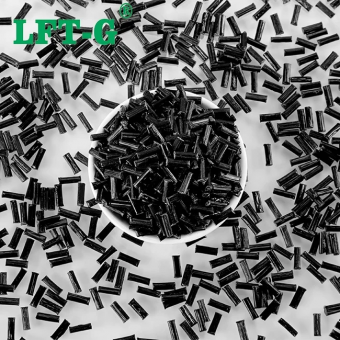
- composite plastic peek black color
- made in China peek reinforced materials
- aerospace automotive parts plastic
- Low warpage PPS reinforced long carbon fiber
Tags :
-
LFT-G Polyamide 12 filled long carbon fiber plastic higher performancePolyamide 12 (PA12) Material Polyamide (PA), commonly known as nylon, is a group of engineering plastics widely used as metal replacement materials for lightweight and cost-efficient solutions. PA series materials offer excellent heat resistance, electrical insulation, chemical resistance, and mechanical strength. Due to their crystalline structure, they provide stable performance under harsh environments. When reinforced with carbon fiber (short or long), PA materials achieve metal-like stiffness, making them widely used in automotive, electronics, transportation, and consumer goods industries. Main Properties of PA12 ✔ Excellent chemical resistance ✔ Outstanding low-temperature impact resistance ✔ Good aging resistance ✔ Stable performance under long-term conditions PA12 may not have the highest heat resistance compared to other nylons, but it provides excellent long-term stability under varying conditions such as temperature, pressure, and chemical exposure. It is especially suitable for applications requiring long service life and dimensional stability. Applications More application fields are available. Please contact us for technical support. Product Details Model Color Length Sample Package MOQ Port Lead Time PA12-NA-LCF Natural / Customized 6–25 mm Available 20 kg/bag 20 kg Xiamen Port 7–45 days Production Process Testing & Quality Control Contact Us for More Materials
- pa12 lcf pallets black
- Long carbon fiber Reinforced Polyamide12 for electrial accessories
- automotive parts materials PA12
- Low warpage electronic appliance
- thermoplastic resin pa12 with fiber
- Nylon 12 composite pellets Polymer granules
Tags :
-
PLA Polylactic acid composite long carbon fiber thermoplastic resinLong Carbon Fiber Reinforced PLA What is Long Carbon Fiber PLA? Biobased polylactic acid (PLA) is an eco-friendly thermoplastic material that is recyclable and widely used in additive manufacturing applications. When reinforced with long carbon fiber, PLA achieves significantly improved stiffness, strength, dimensional stability, and lightweight performance. Long carbon fiber reinforced PLA provides: Excellent layer adhesion Low warpage during printing High structural rigidity Lightweight mechanical performance Enhanced surface appearance Compared with standard PLA materials, carbon fiber reinforced PLA delivers better toughness and structural support while maintaining a matte black premium appearance. What is Long Carbon Fiber? Long carbon fiber reinforced composites provide excellent weight reduction while maintaining outstanding strength and stiffness properties. Due to their superior mechanical performance, long carbon fiber thermoplastics are widely used as ideal alternatives to metal materials in lightweight engineering applications. Main Characteristics ✔ Moderate fracture strain with excellent toughness ✔ Very high melt strength and viscosity ✔ Excellent dimensional accuracy and stability ✔ Easy processing on various printing platforms ✔ Attractive matte black surface finish ✔ Excellent impact resistance and lightweight properties Applications of Long Carbon Fiber PLA Long carbon fiber PLA is suitable for: Frames and structural supports Protective shells and housings Drone components and propellers Chemical instruments RC hobby applications Lightweight engineering parts It is particularly favored in drone manufacturing and RC applications where high stiffness and lightweight performance are required. Product Details Item Specification Model PLA-NA-LCF30 Color Original Black / Customized Fiber Length 12 mm / Customized MOQ 20 kg Package 20 kg/bag Sample Available Lead Time 7–15 Days Port of Loading Xiamen Port Exhibition Technical Support & Services ✔ LFT & LFRT material technical support and design recommendations ✔ Mold structure optimization suggestions ✔ Injection molding and extrusion processing guidance ✔ Customized material development support
- PLA LCF original color resin made in China
- Polylactic acid filling long carbon fiber
- PLA resin lcf reinforced plastic pellets
- LFT cpmpounds pla manufacturer direct sell
- lcf reinforced material pla good price
- Thermoplastic pla lcf instead metal CF
Tags :
-
LFT-G Polypropylene PP higher performance virginPP Long Glass Fiber Reinforced Composite (PP-LGF) Long glass fiber reinforced polypropylene (PP-LGF) has become one of the most popular lightweight composite materials due to its low cost, excellent mechanical properties, and environmental advantages. Compared with short glass fiber reinforced polypropylene (PP-SGF), PP-LGF offers superior: Strength and stiffness Fatigue resistance Impact resistance Warp resistance Dimensional stability These advantages allow manufacturers to achieve lightweight designs while reducing production costs. Material Characteristics The PP-LGF pellets produced by our company are generally 8–15 mm in length, with glass fiber content ranging from 20% to 60%. The retained fiber length inside the pellets can reach 1–3 mm, significantly longer than conventional PP-SGF materials (0.2–0.4 mm). Due to the internal three-dimensional fiber network structure, PP-LGF provides the following advantages: 1. Lightweight Performance Replacing metal with long glass fiber composites effectively reduces product weight. 2. High Strength & Rigidity Excellent mechanical strength and impact performance make it suitable for structural applications. 3. Cost Reduction Complex parts can often be molded in one step, simplifying manufacturing processes. 4. Excellent Impact Resistance The material absorbs impact energy efficiently and provides effective buffering performance. 5. Corrosion Resistance Outstanding resistance to acids, alkalis, and salts compared with traditional metals. 6. Design Flexibility Supports customized colors and complex injection molded shapes. Datasheet Reference Testing & Quality Control Applications PP-LGF has been widely used in: Automotive components Washing machine structural parts Industrial equipment housings Lightweight structural products Please contact us for customized technical support and material recommendations. About Xiamen LFT Composite Plastic Co., Ltd. Xiamen LFT Composite Plastic Co., Ltd. specializes in the research, development, and production of long fiber reinforced thermoplastic materials (LFT & LFRT). Our main product series include: Long Glass Fiber Reinforced Thermoplastics (LGF) Long Carbon Fiber Reinforced Thermoplastics (LCF) Our materials are suitable for: LFT-G injection molding Extrusion molding LFT-D direct molding processes Customized pellet lengths from 5–25 mm are available according to customer requirements. The company has passed ISO9001 & IATF16949 quality management certifications, and has obtained multiple trademarks and patents.
- PP resin lgf gfrp
- good price PP reinforced gf
- instead metal pp plastic long fiebr glass
- thermoplastic PP long fiber
- pp-na-lgf 30 lft white
- glass fiber filling Polypropylene 30%
Tags :
-
LFT-G TPU Thermoplastic Urethane filled long glass fiber compounds.lft-wrap{ font-family:Arial,Helvetica,sans-serif; color:#555; line-height:1.8; font-size:14px; max-width:1100px; margin:0 auto; } .lft-wrap h2{ font-size:26px; color:#2E8B57; margin-top:40px; margin-bottom:15px; border-left:5px solid #2E8B57; padding-left:12px; } .lft-wrap p{ margin:12px 0; } .lft-wrap ul{ margin:10px 0 15px 25px; } .lft-wrap li{ margin-bottom:8px; } .lft-wrap img{ max-width:100%; border-radius:8px; margin-top:15px; } .lft-note{ background:#f8fff8; border:1px solid #d8ead8; padding:18px; border-radius:8px; margin-top:20px; } .lft-cta{ background:#f8fff8; border:1px solid #d6edd6; border-radius:10px; padding:25px; margin-top:35px; text-align:center; } .lft-btn{ display:inline-block; background:#2E8B57; color:#fff !important; text-decoration:none; padding:12px 28px; border-radius:30px; margin-top:15px; font-weight:bold; } .lft-btn:hover{ background:#246b45; } What is TPU? TPU (Thermoplastic Polyurethane) is a high-performance elastomer material that combines the elasticity of rubber with the processing advantages of thermoplastics. TPU is mainly divided into polyester-based and polyether-based types, with a wide hardness range from 60HA to 85HD. It offers excellent: Wear resistance Oil resistance Elasticity and flexibility Transparency Low-temperature performance Environmental friendliness TPU materials are widely used in consumer products, sports equipment, power tools, automotive parts, cables, and industrial components. As a thermoplastic elastomer, TPU can be repeatedly heated and processed without significant chemical crosslinking, making it suitable for injection molding and extrusion applications. Why Reinforce TPU with Long Glass Fiber? Long glass fiber reinforced TPU composites provide a highly efficient solution when conventional reinforced plastics cannot meet structural performance requirements. By forming a three-dimensional internal fiber skeleton network, long glass fibers significantly improve: Mechanical strength Dimensional stability Fatigue resistance Impact resistance Durability in harsh environments Metal replacement capability Long glass fiber reinforced TPU materials help reduce product weight while maintaining excellent structural performance and long-term durability. Compared with Short Glass Fiber Compared with short glass fiber reinforced materials, long glass fiber composites provide superior load transfer efficiency, better impact resistance, and improved fatigue performance due to the longer retained fiber structure inside the material. Applications TPU-LGF materials are widely used in industries requiring flexibility, durability, and structural strength. Automotive door and window components Safety toe caps Mechanical structural parts Pneumatic nail gun housings Professional power tools Industrial connectors and fasteners Wear-resistant engineering components Our engineering team can recommend suitable TPU-LGF grades according to your processing method and performance requirements. About Xiamen LFT Composite Plastic Co., Ltd. Xiamen LFT Composite Plastic Co., Ltd. specializes in long fiber reinforced thermoplastic materials (LFT & LFRT), including Long Glass Fiber (LGF) and Long Carbon Fiber (LCF) reinforced composites. Our materials are suitable for: LFT-G injection molding Extrusion molding LFT-D direct molding processes Customized pellet lengths from 5–25 mm are available according to customer requirements. The company has passed ISO9001 & IATF16949 quality management certifications and owns multiple national patents and trademarks. Certifications & Quality Assurance ISO9001 & IATF16949 Quality Management Certification National Laboratory Accreditation Modified Plastics Innovation Enterprise REACH & ROHS Compliance Testing Multiple National Patents & Trademarks Need Technical Support or Material Recommendations? Contact us for datasheets, samples, processing guidance, and customized TPU-LGF material solutions. Contact Us
- tpu lft polymers manufacturers
- glass fiber reinforced plastics granules
- long glass fiber TPU GFRP
- long fiber composite TPU granules
- long glass fiber reinforced TPU lft
Tags :
-
PPS Polyphenylene Sulfide Long Glass Fiber Reinforced CompoundsPPS is a high-performance, tough engineering plastic with great dimensional and thermal stability, as well as a wide operating temperature range of up to 260 °C and good chemical resistance. Moreover, PPS, like most other thermoplastics, is an electrical insulator. Its ability to be used at high temperatures coupled with its thermal stability makes PPS great for applications such as semiconductor components in machinery, bearings, and valve seats.
- PPS for Lightweight Automotive Parts
- Industrial PPS Composite Materials
- PPS for Injection Molding
- High-Performance PPS Composites
- Long Fiber Reinforced PPS
- china manufacturer PPS good price warehouse
Tags :
-
PLA Polylactic acid compounds long glass fiber thermoplastic resin for engineeringPLA Plastic PLA (Polylactic Acid) is a bio-based and biodegradable polyester considered one of the most promising “green plastics”. It features excellent biocompatibility, biodegradability, and mechanical strength. Under composting conditions, PLA can be fully degraded into CO₂ and water, making it non-toxic and environmentally friendly. PLA has mechanical properties similar to polypropylene, while its transparency and gloss are comparable to polystyrene. It can be processed using standard thermoplastic methods such as injection molding, extrusion, blow molding, and 3D printing. It is widely used in packaging, fibers, medical, pharmaceutical, and disposable products, and is considered a key material in reducing plastic pollution. Long Glass Fiber Reinforced PLA (LGFPLA) Glass fiber is an inorganic non-metallic material with excellent properties such as high strength, heat resistance, corrosion resistance, and insulation. It is widely used as a reinforcement material in composites. Long glass fiber reinforced PLA (LGFPLA) refers to PLA composites reinforced with glass fibers typically ranging from 10–25 mm in length. After injection molding, fibers form a 3D network structure, significantly improving mechanical performance. LGFPLA belongs to the LFT (Long Fiber Thermoplastic) material family. Standard LGFPLA pellets are typically 12 mm or 25 mm in length. Fiber content ranges from 20% to 60%, and colors can be customized according to customer requirements. LGF vs SGF (Long Fiber vs Short Fiber) Compared with short glass fiber composites, long fiber reinforced thermoplastics (LFT) offer significant performance advantages: Longer fiber length for improved mechanical strength Higher specific stiffness and impact resistance Excellent creep resistance and dimensional stability Improved fatigue resistance Better performance under heat and humidity conditions Reduced fiber breakage during molding Product Details Grade Color Length Fiber Content Package Sample Port Delivery Time PLA-LGF Natural / Customized 6–25 mm 20%–60% 25 kg/bag Available Xiamen Port 7–15 days Lab & Factory About Xiamen LFT Composite Plastic Co., Ltd. Xiamen LFT Composite Plastic Co., Ltd. specializes in the development and production of long glass fiber (LGF) and long carbon fiber (LCF) reinforced thermoplastics, including PP, PA6, PA66, PPA, PA12, TPU, PBT, PLA, PET, PPS, and PEEK. Our materials offer high strength, lightweight performance, impact resistance, corrosion resistance, recyclability, and excellent processing properties, making them ideal for automotive, electrical, industrial, aerospace, and consumer applications.
- PLA reinforced plastic lgf production pla
- LFT-G PLA injection mold modified materials
- long glass fiber compounds pla resin basic
- PLA pellets of long fiber 30 made in China
- Self owing PLA polymers manufacturer direct sell
- PLA pure pellets virgin grade lft
Tags :