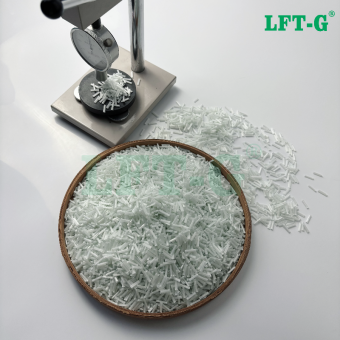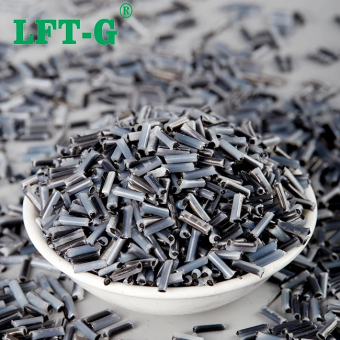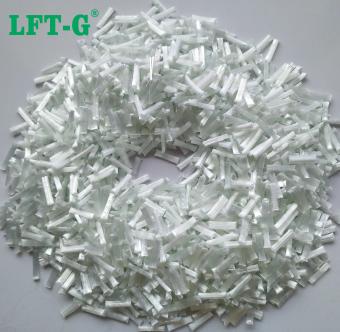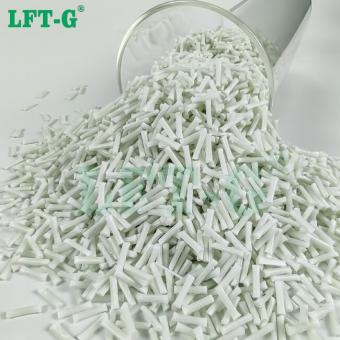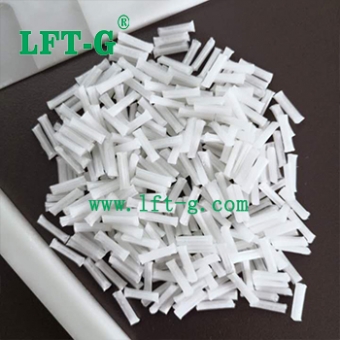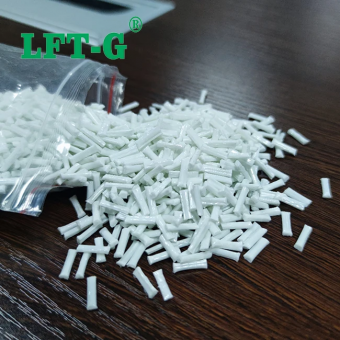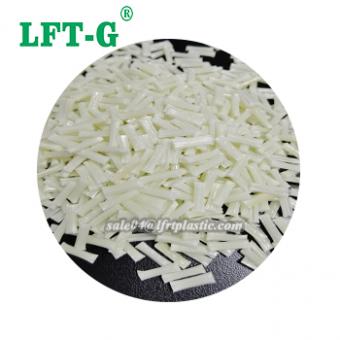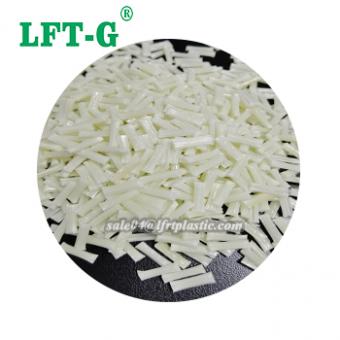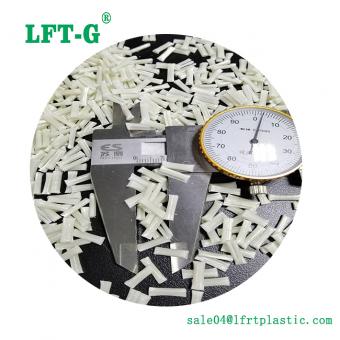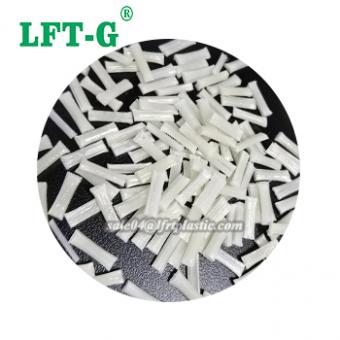
item no.:
ABS-NA-LGF30Payment:
T/T or L/C (other payment ways also can be diproduct origin:
Xiamen, ChinaColor:
Original color (also can be customized)shipping port:
Xiamen, ChinaLead Time:
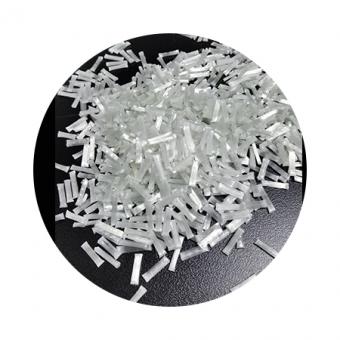
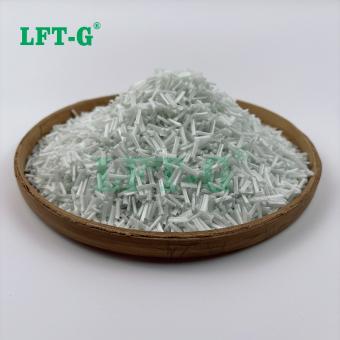
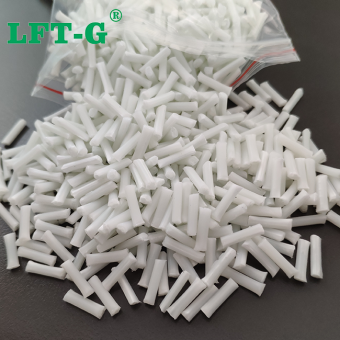
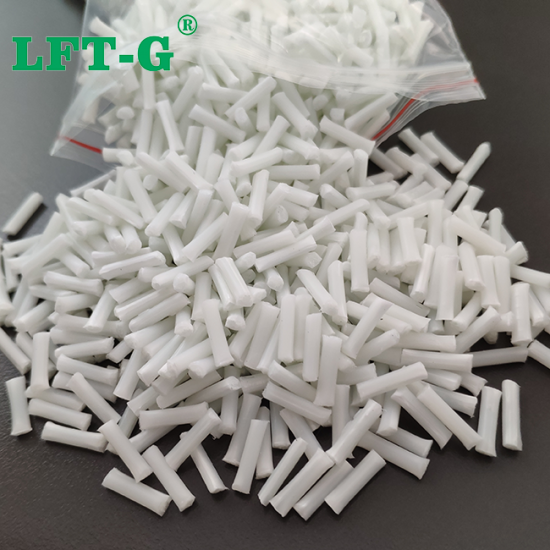
7-15 days after shipmentABS (Acrylonitrile Butadiene Styrene) is a widely used engineering thermoplastic known for its excellent impact resistance, mechanical strength, and processing versatility. ABS plastic is an amorphous polymer commonly used in automotive, electrical, consumer, and industrial applications.
ABS plastic is a thermoplastic polymer produced by polymerizing acrylonitrile, butadiene, and styrene. Each component contributes specific performance advantages:
Due to this balanced structure, ABS engineering plastic offers high impact resistance, good dimensional stability, and easy processing, making it one of the most versatile thermoplastics on the market.
ABS is non-toxic in solid form, provides good electrical insulation, and is widely accepted as a safe and reliable material for mass production.
As a general-purpose engineering thermoplastic, ABS plastic offers the following key advantages:
ABS can withstand repeated heating and cooling cycles, making it suitable for recyclable applications and long-term industrial use.
ABS and PLA are both popular thermoplastics, but they serve very different application requirements. ABS is a tougher and more durable engineering plastic, while PLA is primarily used for prototyping and hobbyist 3D printing.
Due to its superior heat resistance, ABS is better suited for functional parts exposed to elevated temperatures.
PLA is easier to print and produces dimensionally stable parts during 3D printing. ABS, however, tends to warp during printing but performs better in real-world mechanical applications once molded.
Both materials show visible layer lines in FDM printing. ABS can be vapor-smoothed using solvents such as acetone, resulting in a smooth and glossy surface, while PLA typically requires sanding or coating.
PLA degradation requires controlled industrial conditions and can take decades in natural environments. ABS offers long service life and durability for industrial products.
Both ABS and PLA are low-cost thermoplastics. ABS may be slightly more expensive, but the difference is generally minimal and application-dependent.
Thanks to its balance of toughness, processability, and cost efficiency, ABS engineering plastic is widely used in:
follow us :


-- get updates with latest topics

 e-mail
 English
 français
 Deutsch
 русский
 italiano
 español
 português
 العربية
 日本語
日本語 한국의
한국의 中文
中文