e-mail
 English
 français
 Deutsch
 русский
 italiano
 español
 português
 العربية
 日本語
日本語 한국의
한국의 中文
中文


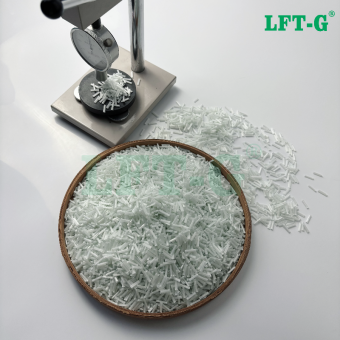
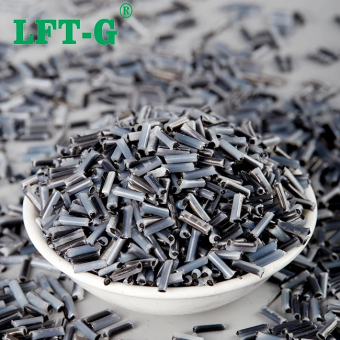
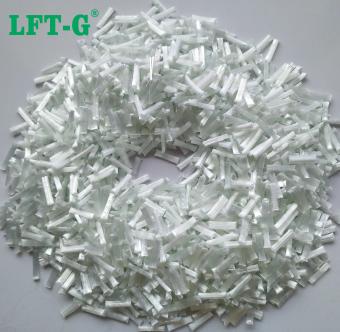
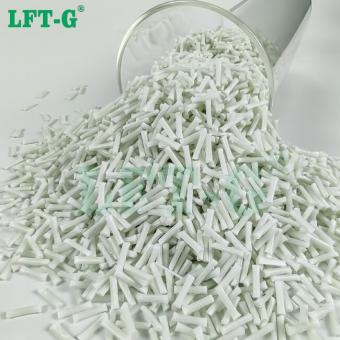
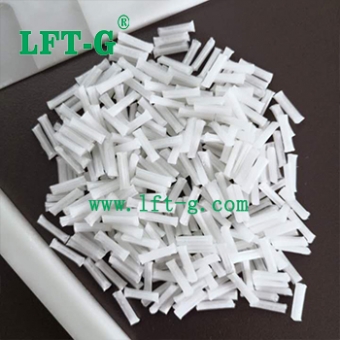
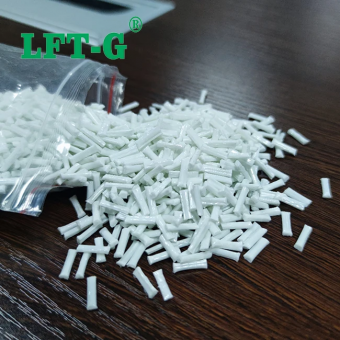
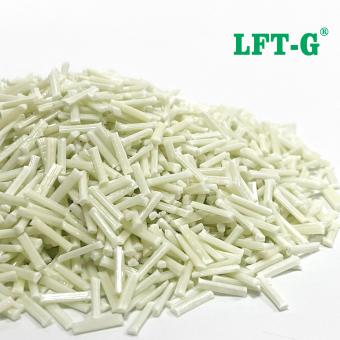
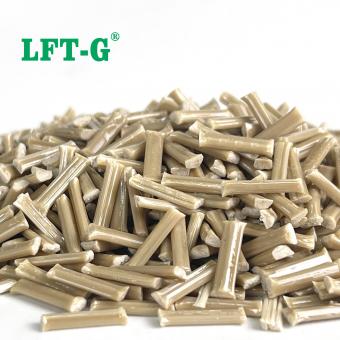
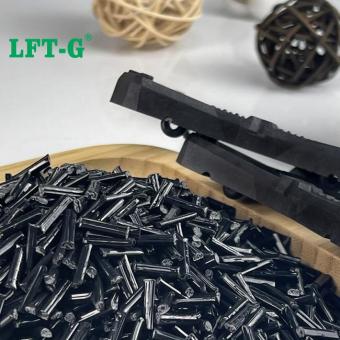
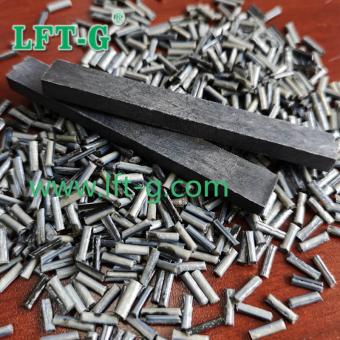
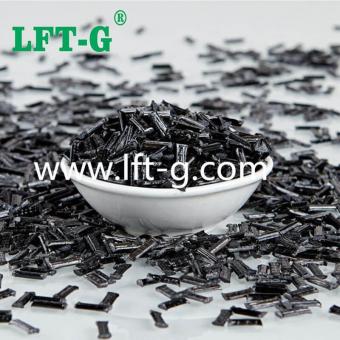
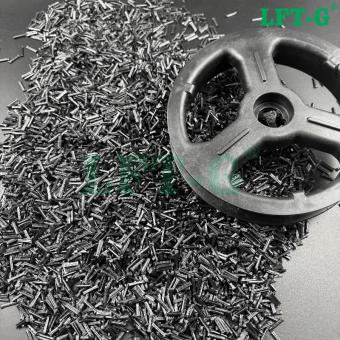
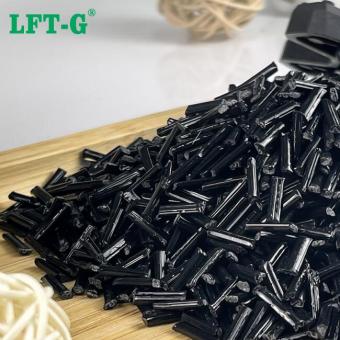
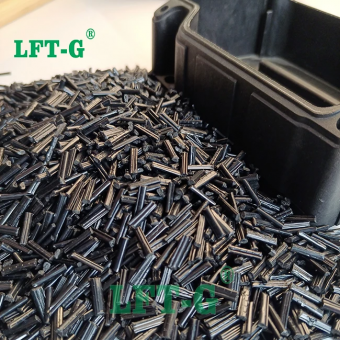
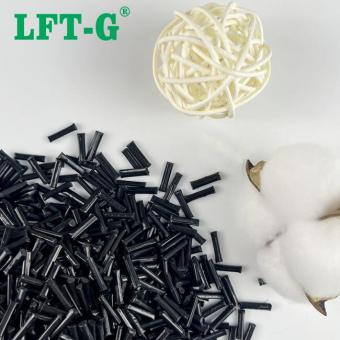
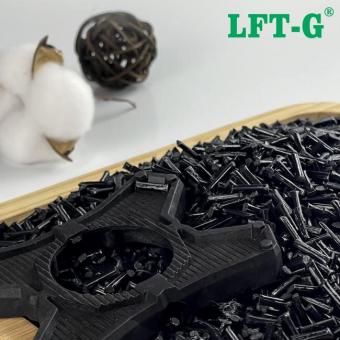
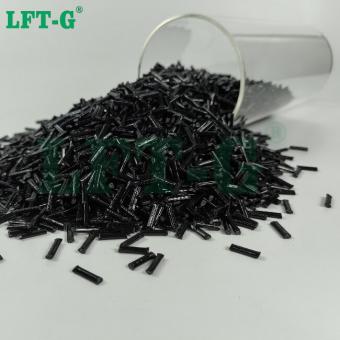
Long carbon fiber is a new material with high strength and high modulus and excellent mechanical properties. It is a microcrystalline graphite material obtained by carbonization and graphitization of organic fibers. Its specific gravity is less than 1/4 of steel, and its strength is higher than that of steel. Corrosion resistant, high modulus, no melting. And a variety of resin substrates after impregnation extrusion molding into pellets, long carbon fiber polymer. Can be used for direct molding products. In recent years, it has been widely used in aerospace, mechanical and electronic chemicals.
-
PP Copolymer Carbon FiberThe modified polypropylene material reinforced by carbon fiber has a series of advantages, such as light weight, high modulus, high specific strength, low coefficient of thermal expansion, high temperature resistance, heat shock resistance, corrosion resistance, good vibration absorption, etc., and can be applied to auto parts such as automobile sub-instrument assembly.
- pp polymer
- fiber polymer
- fiber reinforced polymer
- fiber reinforcement polymer
- carbon fiber polymer
- fiber reinforced polymer composite
Tags :
-
UltraStrong Carbon Fiber Reinforced PEEK CompositePEEK carbon fiber reinforced composite materials combine the high-performance properties of PEEK with the strength and durability of carbon fiber, making them ideal for applications in extreme environments and 3D printing.
- High Temperature Plastic
- PEEK Composite Materials
- Carbon Fiber Reinforced PEEK
- High Performance Plastics
- 3D Printing PEEK
- PEEK Material Applications
Tags :
-
LFT-G Polylactic acid filled long carbon fiberHDPE-LGF | Long Fiber Reinforced Polyethylene Composite Solution | LFT-G :root{ --green:#01A55B; --dark:#1F2933; --gray:#5F6B72; --light:#F4F7F5; --border:#E3E8E5; } *{ margin:0; padding:0; box-sizing:border-box; } body{ font-family:Arial,Helvetica,sans-serif; color:var(--dark); line-height:1.7; } .container{ width:90%; max-width:1200px; margin:auto; } img{ width:100%; height:auto; display:block; } h1{ font-size:52px; line-height:1.2; } h2{ font-size:38px; line-height:1.3; margin-bottom:25px; } h3{ font-size:22px; margin-bottom:15px; } p{ font-size:17px; color:var(--gray); } .btn{ display:inline-block; margin-top:35px; padding:15px 35px; background:#01A55B; color:#fff; text-decoration:none; border-radius:5px; } /* ================= HERO ================= */ .hero{ background:#F4F8F6; padding:90px 0; } .hero-grid{ display:block; } .hero-content{ max-width:900px; margin:auto; text-align:center; } .hero-label{ color:#01A55B; font-weight:bold; letter-spacing:1px; margin-bottom:20px; } .hero h1 span{ color:#01A55B; } .hero p{ max-width:850px; margin:20px auto; } /* COMMON SECTION */ section{ padding:90px 0; } .gray-section{ background:#F4F7F5; } /* MATERIAL CONTENT */ .material-section{ display:block; } .material-content{ max-width:900px; margin:auto; } .material-content p{ margin-bottom:20px; } .material-image{ margin-top:50px; width:100%; } .material-image img{ width:100%; height:auto; display:block; } /* PERFORMANCE */ .performance{ padding:70px 0; } .performance-grid{ display:grid; grid-template-columns:repeat(4,1fr); gap:25px; } .performance-item{ padding:35px 20px; border:1px solid #E3E8E5; border-radius:15px; text-align:center; } .performance-item strong{ display:block; font-size:38px; color:#01A55B; } @media(max-width:900px){ .hero-content{ max-width:100%; } .performance-grid{ grid-template-columns:1fr; } h1{ font-size:38px; } } LONG FIBER REINFORCED THERMOPLASTIC PLA-LCF Long Fiber Reinforced Polyphenylene Sulfide A high-performance bio-based composite material combining the renewable characteristics and lightweight properties of PLA with the superior reinforcement capability of long carbon fibers. Designed for demanding applications requiring a high stiffness-to-weight ratio, strength, dimensional stability, lightweight performance and improved mechanical durability. PLA-LCF offers an excellent balance of lightweight construction, mechanical strength and sustainability, making it ideal for lightweight structural components, industrial applications, prototyping and applications where bio-based material solutions are preferred. Request Technical Data 20-60% Glass Fiber Content 6-25mm Long Fiber Length HighStiffness & Strength Bio-BasedMaterial Solution What is PLA-LCF? PLA-LCF is a long carbon fiber reinforced polylactic acid composite engineered for lightweight structural and demanding industrial applications. The combination of a bio-based PLA matrix and long carbon fibers provides enhanced stiffness, tensile strength, dimensional stability and mechanical durability, while maintaining the lightweight and renewable characteristics of PLA. Compared with conventional short carbon fiber reinforced PLA, the long fiber reinforcement network improves load transfer efficiency, resulting in superior mechanical performance, high strength-to-weight ratio, excellent structural stability and enhanced durability. PLA-LCF is particularly suitable for applications requiring high rigidity, lightweight construction, dimensional stability and a more sustainable material solution, making it an attractive option for lightweight structural components, industrial parts, sports equipment and metal replacement applications. Why Long Fiber Technology? Long Fiber Reinforcement Network During processing, long carbon fibers maintain longer reinforcement paths inside the polymer matrix. The continuous fiber network improves load transfer efficiency and provides enhanced structural performance. ✓ Improved mechanical strength ✓ Higher impact resistance ✓ Better fatigue performance ✓ Improved creep resistance ✓ Enhanced dimensional stability Key Material Advantages High Stiffness & Strength Excellent rigidity and strength for demanding structural applications. High Temperature Resistance Maintains mechanical performance and dimensional stability under elevated temperatures. Bio-Based Material Made with a renewable PLA matrix, providing a more sustainable alternative to conventional petroleum-based materials. Dimensional Stability Long carbon fiber reinforcement improves dimensional stability and helps maintain structural integrity during processing and service. .advantage-grid{ display:grid; grid-template-columns:repeat(4,1fr); gap:25px; } .advantage-card{ padding:35px 25px; background:#fff; border:1px solid #E3E8E5; border-radius:15px; } .advantage-card h3{ color:#01A55B; } @media(max-width:900px){ .advantage-grid{ grid-template-columns:1fr; } } PLA-LCF Compared With Traditional Materials Property Standard PLA PLA-LCF Metal ...
- PLA LCF injection molded green materials
- Polylactic acid filling long carbon fiber
- PLA resin lcf replacement of metal
- LFT cpmpounds pla cna be recycled
- lcf reinforced material pla
- Thermoplastic pla lcf CFRP30
Tags :
-
LFT PPS Carbon Fiber filled CompoundsPPS plastic (polyphenylene sulfide), is a thermoplastic special engineering plastic with excellent comprehensive properties.
- PPS thermoplastic resinforced material
- fiber filling polymer instead of metal steel
- Sample free natural plastic new CFRP
- engineering plastic structural parts
- modified resin good price low MOQ
- Car parts application high tensile strength
Tags :
-
High Tensile Strength Nylon 12 Carbon Filled Polymer PelletsA class of polymers known as engineering plastics has better mechanical and thermal characteristics than regular plastics. They are used in goods for the automotive, electrical, industrial, and domestic markets that need great performance and durability.view more
-
LFT Polyamide 66 high performance long carbon fiber reinforcementPolyamide 66 roving carbon fiber Nylon black color with heat resistance
- Long carbon fiber enhance pellets
- Roving carbon fiber PA66 instead metal and steel
- Nylon66 composite granules for injection
- High quality PA66 long fiber composite、
- Polyamide long fiber composite
- Virgin plastic PA6 LCF40 for car parts
Tags :
-
High Quality Polyamide 6 Long Carbon Fiber PlasticsHDPE-LGF | Long Fiber Reinforced Polyethylene Composite Solution | LFT-G :root{ --green:#01A55B; --dark:#1F2933; --gray:#5F6B72; --light:#F4F7F5; --border:#E3E8E5; } *{ margin:0; padding:0; box-sizing:border-box; } body{ font-family:Arial,Helvetica,sans-serif; color:var(--dark); line-height:1.7; } .container{ width:90%; max-width:1200px; margin:auto; } img{ width:100%; height:auto; display:block; } h1{ font-size:52px; line-height:1.2; } h2{ font-size:38px; line-height:1.3; margin-bottom:25px; } h3{ font-size:22px; margin-bottom:15px; } p{ font-size:17px; color:var(--gray); } .btn{ display:inline-block; margin-top:35px; padding:15px 35px; background:#01A55B; color:#fff; text-decoration:none; border-radius:5px; } /* ================= HERO ================= */ .hero{ background:#F4F8F6; padding:90px 0; } .hero-grid{ display:block; } .hero-content{ max-width:900px; margin:auto; text-align:center; } .hero-label{ color:#01A55B; font-weight:bold; letter-spacing:1px; margin-bottom:20px; } .hero h1 span{ color:#01A55B; } .hero p{ max-width:850px; margin:20px auto; } /* COMMON SECTION */ section{ padding:90px 0; } .gray-section{ background:#F4F7F5; } /* MATERIAL CONTENT */ .material-section{ display:block; } .material-content{ max-width:900px; margin:auto; } .material-content p{ margin-bottom:20px; } .material-image{ margin-top:50px; width:100%; } .material-image img{ width:100%; height:auto; display:block; } /* PERFORMANCE */ .performance{ padding:70px 0; } .performance-grid{ display:grid; grid-template-columns:repeat(4,1fr); gap:25px; } .performance-item{ padding:35px 20px; border:1px solid #E3E8E5; border-radius:15px; text-align:center; } .performance-item strong{ display:block; font-size:38px; color:#01A55B; } @media(max-width:900px){ .hero-content{ max-width:100%; } .performance-grid{ grid-template-columns:1fr; } h1{ font-size:38px; } } LONG FIBER REINFORCED THERMOPLASTIC PA6- LCF Long Fiber Reinforced Polyamide6 A high-performance composite material combining the excellent strength, heat resistance and chemical resistance of PA6 with the superior reinforcement capability of long carbon fibers. Designed for demanding structural applications requiring exceptional stiffness-to-weight ratio, high strength, dimensional stability, impact performance and long-term durability. PA6-LCF offers an excellent balance of lightweight performance and mechanical properties, making it ideal for replacing metal components in high-performance applications. Request Technical Data 20-60% Glass Fiber Content 6-25mm Long Fiber Length High Impact Resistance HighStiffness What is PA6-LCF? PA6-LCF is a long carbon fiber reinforced polyamide 6 composite engineered for high-performance structural applications. The combination of a high-strength PA6 matrix and long carbon fibers provides significantly enhanced stiffness, tensile strength, impact performance, creep resistance and dimensional stability. Compared with conventional short carbon fiber reinforced PA6, the continuous long fiber reinforcement network improves load transfer efficiency, resulting in superior mechanical performance, excellent strength-to-weight ratio and longer service life. PA6-LCF is particularly suitable for demanding applications requiring high rigidity, lightweight construction and long-term structural durability. Why Long Fiber Technology? Long Fiber Reinforcement Network During processing, long carbon fibers maintain longer reinforcement paths inside the polymer matrix. The continuous fiber network improves load transfer efficiency and provides enhanced structural performance. ✓ Improved mechanical strength ✓ Higher impact resistance ✓ Better fatigue performance ✓ Improved creep resistance ✓ Enhanced dimensional stability Key Material Advantages High Stiffness & Strength Provides excellent rigidity and load-bearing capability for structural components. Strength-to-Weight Ratio Enabling efficient weight reduction without compromising structural integrity. Dimensional Stability Provides excellent dimensional stability with reduced deformation under mechanical loads and temperature variations. Creep & Fatigue Resistance Maintains mechanical performance and structural integrity. .advantage-grid{ display:grid; grid-template-columns:repeat(4,1fr); gap:25px; } .advantage-card{ padding:35px 25px; background:#fff; border:1px solid #E3E8E5; border-radius:15px; } .advantage-card h3{ color:#01A55B; } @media(max-width:900px){ .advantage-grid{ grid-template-columns:1fr; } } PA6-LCF Compared With Traditional Materials Property Standard PA6 PA6-LCF Metal Strength Medium Very High High Weight Low Very Low High Impact Resistance Good Excellent Medium Chemical Resistance Good Excellent Limited Corrosion Resistance Excellent Excellent Poor .comparison-table{ width:100%; border-collapse:collapse; background:#fff; } .comparison-table th{ background:#01A55B; color:#fff; padding:18px; } .comparison-table td{ padding:18px; border-bottom:1px solid #ddd; text-align:center; } PA6-...
- PA6 GFRP engineering plastic
- Manufacturer directly sell good price plastic
- Thermoplastic resin modified polymers
- customization service
- car parts lightweight instead metal
- composites made in China high toughness
Tags :
-
PP Carbon Fiber reinforcedHDPE-LGF | Long Fiber Reinforced Polyethylene Composite Solution | LFT-G :root{ --green:#01A55B; --dark:#1F2933; --gray:#5F6B72; --light:#F4F7F5; --border:#E3E8E5; } *{ margin:0; padding:0; box-sizing:border-box; } body{ font-family:Arial,Helvetica,sans-serif; color:var(--dark); line-height:1.7; } .container{ width:90%; max-width:1200px; margin:auto; } img{ width:100%; height:auto; display:block; } h1{ font-size:52px; line-height:1.2; } h2{ font-size:38px; line-height:1.3; margin-bottom:25px; } h3{ font-size:22px; margin-bottom:15px; } p{ font-size:17px; color:var(--gray); } .btn{ display:inline-block; margin-top:35px; padding:15px 35px; background:#01A55B; color:#fff; text-decoration:none; border-radius:5px; } /* ================= HERO ================= */ .hero{ background:#F4F8F6; padding:90px 0; } .hero-grid{ display:block; } .hero-content{ max-width:900px; margin:auto; text-align:center; } .hero-label{ color:#01A55B; font-weight:bold; letter-spacing:1px; margin-bottom:20px; } .hero h1 span{ color:#01A55B; } .hero p{ max-width:850px; margin:20px auto; } /* COMMON SECTION */ section{ padding:90px 0; } .gray-section{ background:#F4F7F5; } /* MATERIAL CONTENT */ .material-section{ display:block; } .material-content{ max-width:900px; margin:auto; } .material-content p{ margin-bottom:20px; } .material-image{ margin-top:50px; width:100%; } .material-image img{ width:100%; height:auto; display:block; } /* PERFORMANCE */ .performance{ padding:70px 0; } .performance-grid{ display:grid; grid-template-columns:repeat(4,1fr); gap:25px; } .performance-item{ padding:35px 20px; border:1px solid #E3E8E5; border-radius:15px; text-align:center; } .performance-item strong{ display:block; font-size:38px; color:#01A55B; } @media(max-width:900px){ .hero-content{ max-width:100%; } .performance-grid{ grid-template-columns:1fr; } h1{ font-size:38px; } } LONG FIBER REINFORCED THERMOPLASTIC PP- LGF Long Fiber Reinforced Polyethylene A high-performance composite material combining the high stiffness and lightweight advantages of PP Homopolymer with the superior reinforcement capability of long glass fibers. Designed for structural applications requiring excellent rigidity, dimensional stability, impact performance and long-term durability. Request Technical Data 20-60% Glass Fiber Content 6-25mm Long Fiber Length High Impact Resistance HighStiffness What is PP-LGF? PP Homopolymer-LGF is a long glass fiber reinforced polypropylene composite engineered for lightweight structural applications. The combination of a rigid PP homopolymer matrix and long glass fibers provides significantly enhanced stiffness, strength, creep resistance and dimensional stability. Compared with conventional short glass fiber reinforced polypropylene, the long fiber reinforcement network improves load transfer efficiency, resulting in superior mechanical performance and longer service life. Why Long Fiber Technology? Long Fiber Reinforcement Network During processing, long glass fibers maintain longer reinforcement paths inside the polymer matrix. The continuous fiber network improves load transfer efficiency and provides enhanced structural performance. ✓ Improved mechanical strength ✓ Higher impact resistance ✓ Better fatigue performance ✓ Improved creep resistance ✓ Enhanced dimensional stability Key Material Advantages High Stiffness & Strength Provides excellent rigidity and load-bearing capability for structural components. Excellent Dimensional Stability Maintains dimensional accuracy under long-term mechanical loading. Superior Creep Resistance Improves long-term performance under continuous mechanical stress. Lightweight Design Offers significant weight reduction compared with metal while maintaining structural performance. .advantage-grid{ display:grid; grid-template-columns:repeat(4,1fr); gap:25px; } .advantage-card{ padding:35px 25px; background:#fff; border:1px solid #E3E8E5; border-radius:15px; } .advantage-card h3{ color:#01A55B; } @media(max-width:900px){ .advantage-grid{ grid-template-columns:1fr; } } PP-LGF Compared With Traditional Materials Property Standard PP PP-LGF Metal Strength Medium High High Weight Very Low Low High Impact Resistance Excellent Excellent Medium Chemical Resistance Excellent Excellent Limited Corrosion Resistance Excellent Excellent Poor .comparison-table{ width:100%; border-collapse:collapse; background:#fff; } .comparison-table th{ background:#01A55B; color:#fff; padding:18px; } .comparison-table td{ padding:18px; border-bottom:1px solid #ddd; text-align:center; } PP-LGF Applications PP-LGF provides lightweight and durable solutions for industries requiring high mechanical performance and long-term reliability. Automotive Modules Instrument panel carriers Front-end modules Battery brackets Seat structures Industrial Equipment Machine housings Structural supports Industrial components Consumer & Appliance Components Furniture structures Power tool housings Appliance frames .application-grid{ display:grid; g...
- Is polypropylene lighter than carbon fiber?
- composite material pp cf
- Carbon fiber reinforced polymer
- polypropylene PP homo
- engineering plastic PP
- modified pp plastic pellets
Tags :
-
PLA Plastic Resin with Fiber Reinforced Thermoplastic CompoundsIt takes less energy to produce PLA than petroleum-based thermoplastics, making it relatively eco-friendly. PLA is often regarded as being biodegradable.
- pla plastic pellets
- green materials
- carbon fiber reinforced plastics
- thermoplastic polyurethane pellets
- pla plastic
- LFT granules
Tags :
-
Long Carbon Fiber Polypropylene Modified CompoundsPolypropylene, also known as PP or polypropene, is a polyolefin or saturated polymer. It is a low-density thermoplastic with good resistance to heat. Other characteristics of PP include: chemical resistance, elasticity, toughness, fatigue resistance, and electrical insulation capability.
- pp 30 cf
- lft materials
- difference between copolymer and homopolymer
- long-fiber thermoplastic composite solutions
- carbon thermoplastic
- automotive thermoplastic composites
Tags :
-
Nylon Polyamide 6 Long Carbon Fiber Reinforced Plastics.card{ background:#ffffff; border:1px solid #eaeaea; border-radius:14px; padding:22px; margin-bottom:20px; transition:all 0.3s ease; box-shadow:0 2px 10px rgba(0,0,0,0.04); } .card:hover{ transform:translateY(-6px); box-shadow:0 10px 25px rgba(0,0,0,0.10); border-color:#cfead3; } h2{ color:#2f7d32; margin-bottom:12px; font-size:20px; } p,li{ color:#666; font-size:15px; line-height:1.8; } ul{ padding-left:20px; } .table{ width:100%; border-collapse:collapse; margin-top:10px; } .table th,.table td{ border:1px solid #e5e5e5; padding:10px; text-align:left; font-size:14px; } .table th{ background:#f3f8f4; color:#2f7d32; } .cta-btn{ display:inline-block; margin-top:10px; padding:12px 22px; background:#2f7d32; color:#fff; text-decoration:none; border-radius:8px; transition:0.3s; font-weight:bold; } .cta-btn:hover{ background:#256428; } .faq{ margin-top:10px; } .faq-item{ border-bottom:1px solid #eee; } .faq-item input{ display:none; } .faq-item label{ display:block; padding:14px 0; cursor:pointer; font-size:15px; font-weight:bold; color:#2f7d32; position:relative; } .faq-item label::after{ content:"+"; position:absolute; right:0; font-size:18px; } .faq-content{ max-height:0; overflow:hidden; transition:all 0.3s ease; } .faq-content p{ margin:0; padding:0 0 12px 0; } .faq-item input:checked ~ .faq-content{ max-height:200px; } .faq-item input:checked + label::after{ content:"−"; } Introduction to Long Carbon Fiber Reinforced PA6 Long Carbon Fiber Reinforced PA6 (Polyamide 6) is a high-performance engineering thermoplastic designed for lightweight structural applications requiring high strength, excellent toughness, and outstanding fatigue resistance. Reinforced with 40% long carbon fiber, PA6-LCF40 offers superior stiffness, dimensional stability, and impact performance compared with conventional short fiber reinforced PA6, making it an ideal solution for metal replacement in demanding engineering applications. Composition and Structure PA6-LCF40 consists of a polyamide 6 matrix reinforced with 40% long carbon fibers. The long fiber reinforcement creates a continuous load-bearing network within the material, providing more efficient stress transfer, improved fatigue life, excellent creep resistance, and enhanced structural integrity compared to traditional short carbon fiber reinforced composites. Key Features High Strength and Stiffness Excellent Impact Resistance Outstanding Fatigue Performance Good Heat Resistance Excellent Dimensional Stability Superior Creep Resistance Good Wear Resistance Lightweight Metal Replacement Solution Long Service Life Typical Applications Automotive Structural Components Electric Vehicle Battery System Parts Power Tool Structural Components Industrial Machinery Parts Mechanical Brackets and Supports Electrical and Electronic Components Sports Equipment Industrial Automation Components Our Working Process Requirement Analysis Material Selection & Technical Recommendation Customized Formulation & Sample Preparation COA Support & Quality Verification Production, Delivery & Technical Follow-up Technical Datasheet (PA6-LCF40%) Property Unit Typical Value Tensile Strength MPa 261 Tensile Modulus MPa 30693 Flexural Strength MPa 375 Flexural Modulus MPa 20556 Notched Izod Impact kJ/m² 28 Heat Deflection Temperature (1.8 MPa) °C 208 Density g/cm³ 1.29 FAQ What is Long Carbon Fiber Reinforced PA6? PA6-LCF40 is a high-performance engineering composite made by reinforcing polyamide 6 with 40% long carbon fiber, delivering outstanding strength, stiffness, and lightweight performance. What are the advantages of PA6-LCF40? It offers excellent mechanical strength, outstanding impact resistance, high fatigue performance, good heat resistance, and superior dimensional stability. Which industries use PA6-LCF40? It is widely used in automotive, electric vehicles, industrial machinery, power tools, electronics, and structural engineering applications. Why choose long carbon fiber reinforced PA6? Long carbon fibers provide better load transfer, higher fatigue resistance, improved impact performance, and stronger structural integrity than conventional short fiber reinforced PA6. Is PA6-LCF40 suitable for metal replacement? Yes. PA6-LCF40 is widely used as a lightweight metal replacement material in applications requiring high strength, stiffness, durability, and long-term reliability. Need Technical Support for PA6-LCF Materials? Contact our engineering team for material selection guidance, processing recommendations, technical datasheets, and customized PA6 long carbon fiber solutions. Contact Us About LFT-G Xiamen LFT Composite Plastic Co., Ltd., established in 2009, is a global supplier of long fiber reinforced thermoplastic (LFT) materials integrating R&D, production, and sales. We specialize in long glass fiber and long carbon fiber reinforced thermoplastics, including PP, CPP, HDPE, PA6, PA66, PA12, PPA, PPS, PEEK, TPU, ABS, PLA and other engineering plastics. Our products are cer...view more
-
PP Copolymer Carbon FiberThe modified polypropylene material reinforced by carbon fiber has a series of advantages, such as light weight, high modulus, high specific strength, low coefficient of thermal expansion, high temperature resistance, heat shock resistance, corrosion resistance, good vibration absorption, etc., and can be applied to auto parts such as automobile sub-instrument assembly.view more