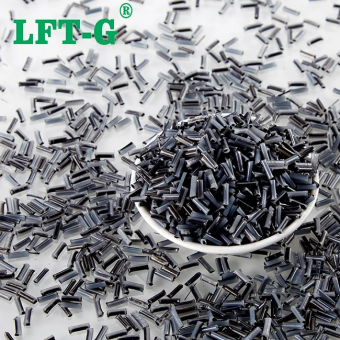
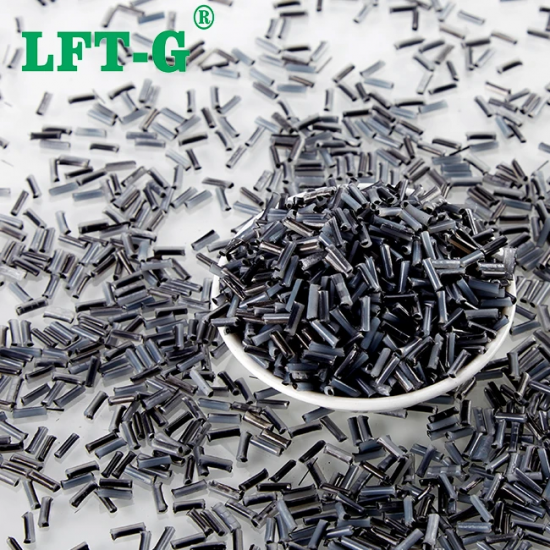
item no.:
PA66-NA-LCFPayment:
T/T or L/C (other payment ways also can be diproduct origin:
Xiamen, ChinaColor:
Original color (also can be customized)shipping port:
Xiamen, ChinaLead Time:
7-15 days after shipmentPA66 offers high mechanical strength, good toughness and reliable performance in demanding applications.
Its good wear resistance and relatively low coefficient of friction make PA66 suitable for moving and transmission components.
PA66 provides good thermal resistance and can maintain its mechanical properties under elevated operating temperatures. Reinforcement can further improve its heat resistance.
Unreinforced PA66 has good electrical insulation properties. However, carbon fiber reinforcement can increase electrical conductivity, depending on the fiber content and material formulation.
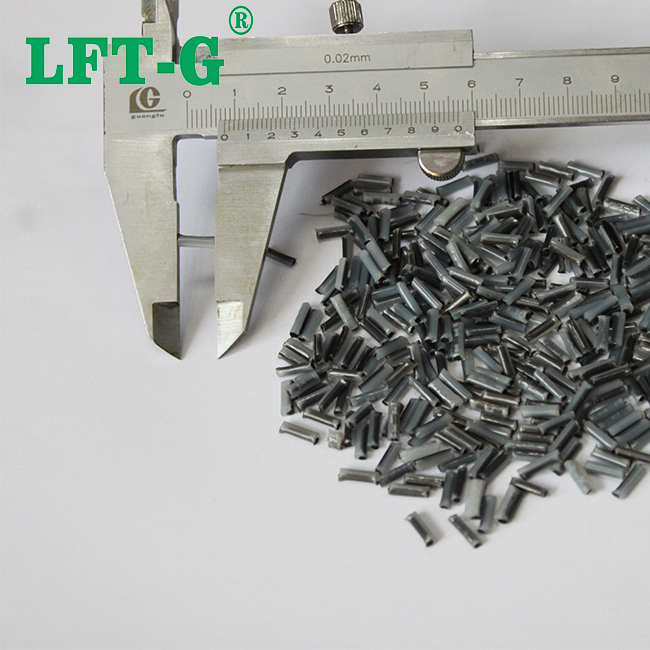
PA66 is a high-performance engineering thermoplastic widely used in applications requiring strength, stiffness and heat resistance. However, its moisture absorption can affect dimensional stability and mechanical properties.
To improve its performance, reinforcing materials such as glass fiber and carbon fiber are incorporated into the PA66 matrix.
PA66 reinforced with long carbon fibers offers significantly improved strength and stiffness compared with unreinforced PA66. It also provides improved creep resistance, thermal stability and dimensional accuracy, making it suitable for demanding engineering applications.
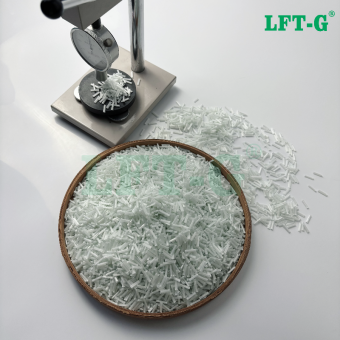
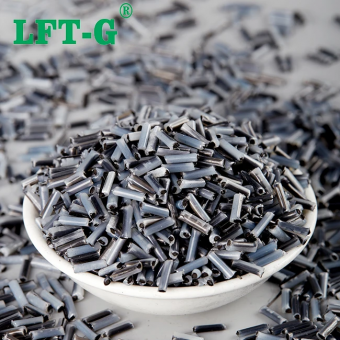
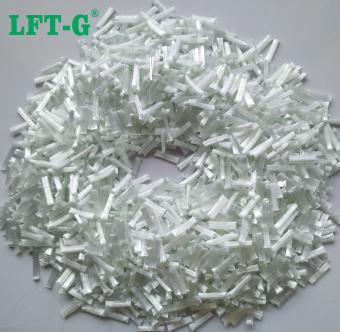
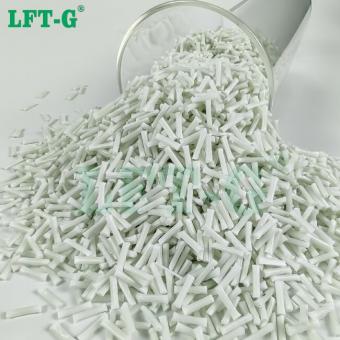
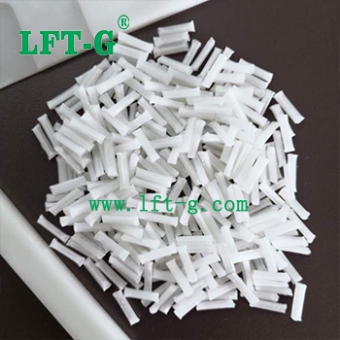
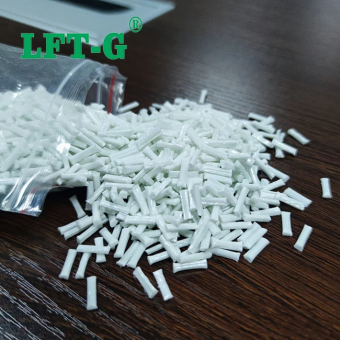
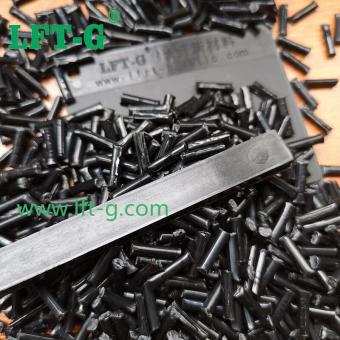
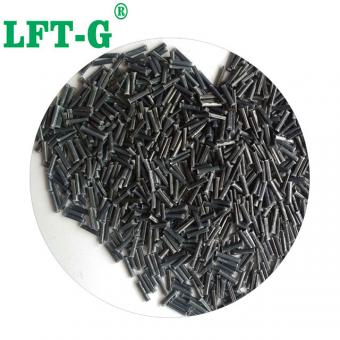
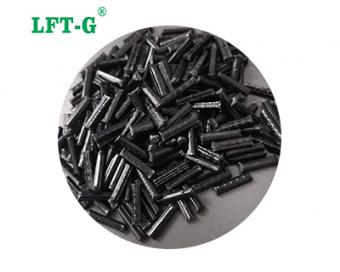
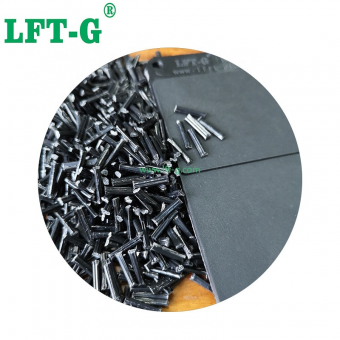
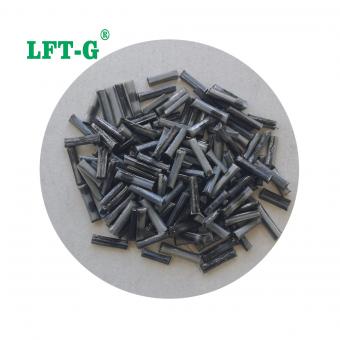
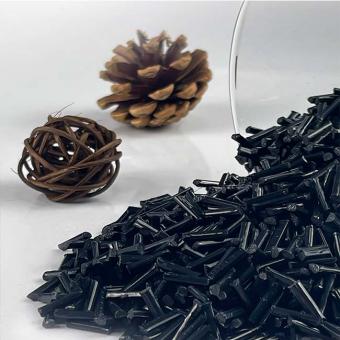
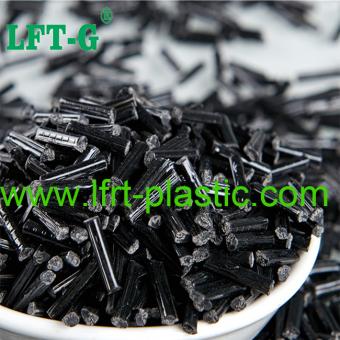
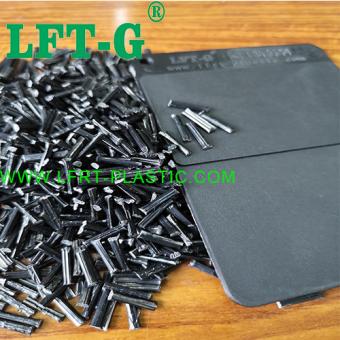
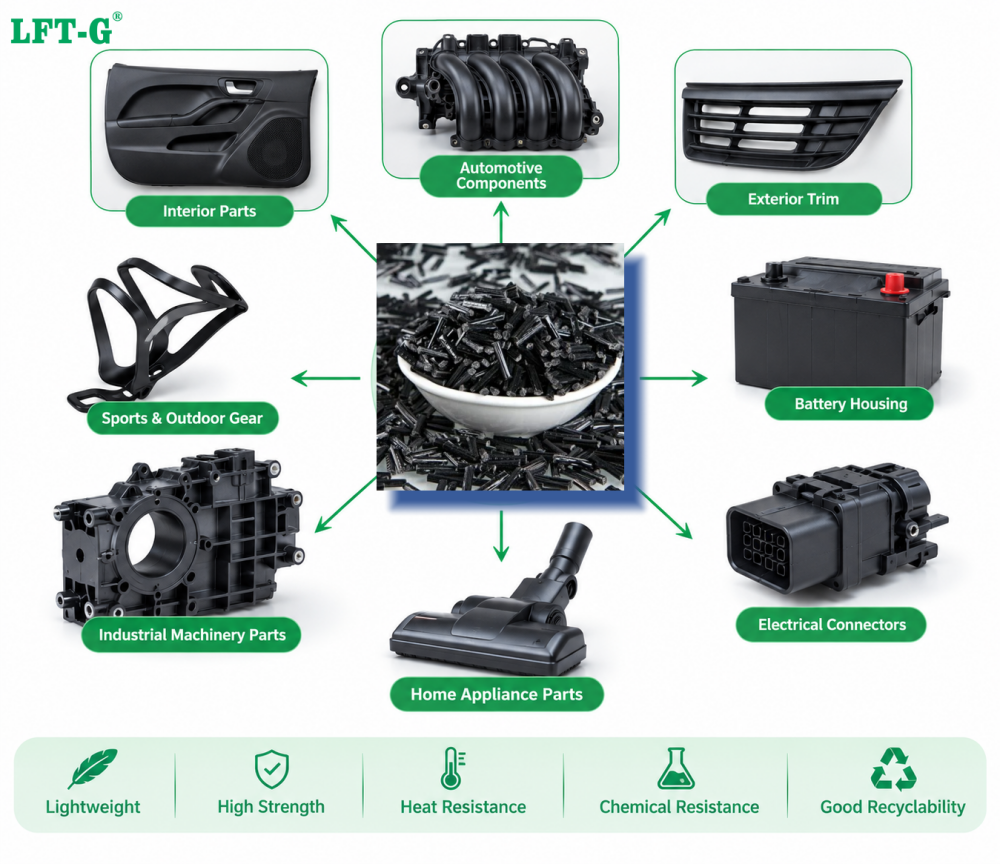
PA66-LCF pellets combine the properties of PA66 resin with the reinforcement of long carbon fibers. They are used in automotive components, sporting goods, textile machinery and other industrial applications where high strength and lightweight performance are required.
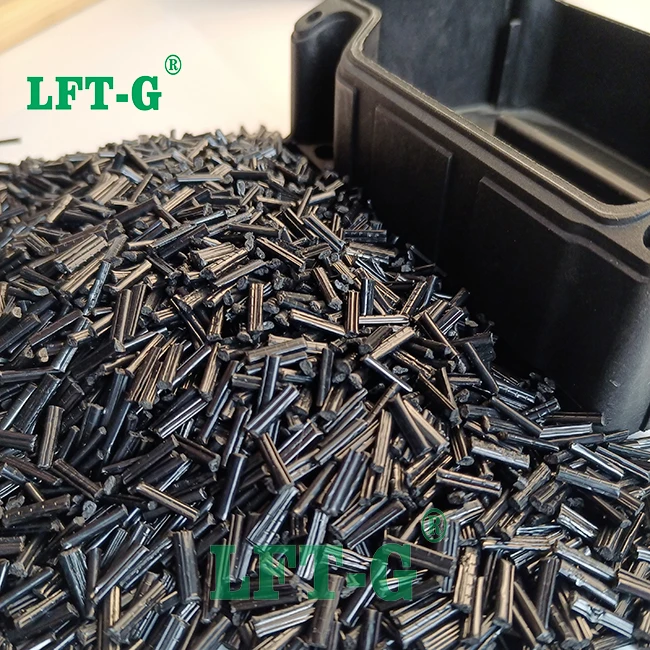
Carbon fiber is characterized by its low weight, high tensile strength, high stiffness, wear resistance, corrosion resistance and creep resistance. Compared with glass fiber, carbon fiber generally offers a higher modulus, making it suitable for applications requiring high rigidity and strength.
The mechanical properties of carbon fiber reinforced PA66 vary depending on the carbon fiber content, resin grade and material formulation. Generally, increasing the carbon fiber content can improve flexural strength, flexural modulus and other mechanical properties. The final performance should be evaluated using the corresponding grade-specific test data.
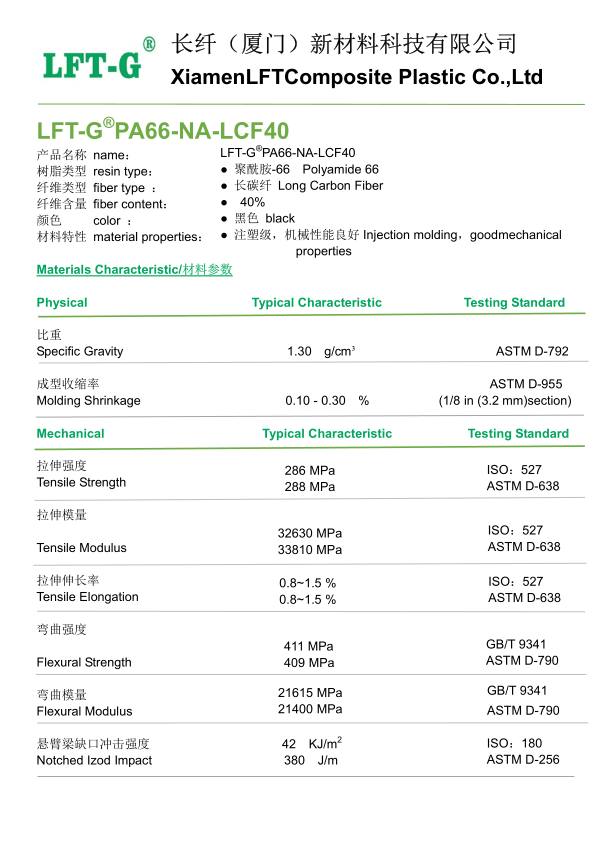
With its high strength-to-weight ratio, stiffness and wear resistance, PA66-LCF is suitable for lightweight structural components and demanding engineering applications.
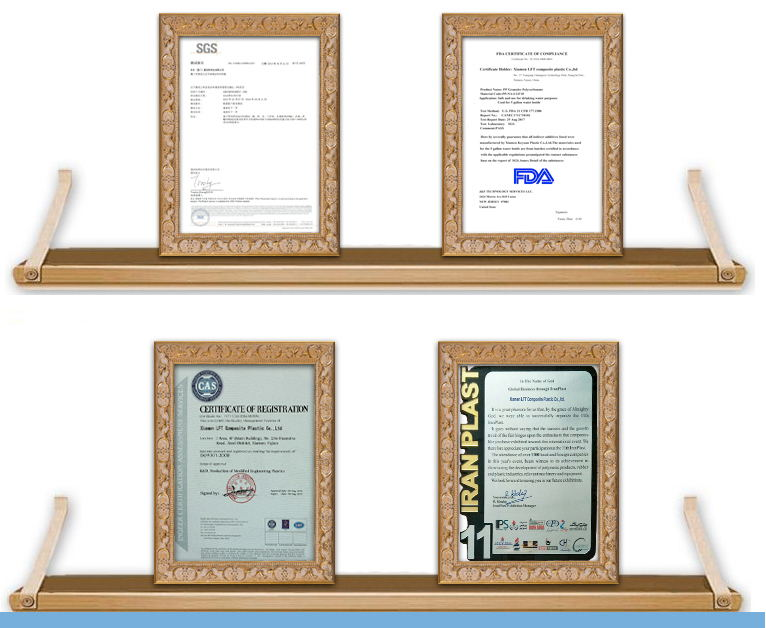
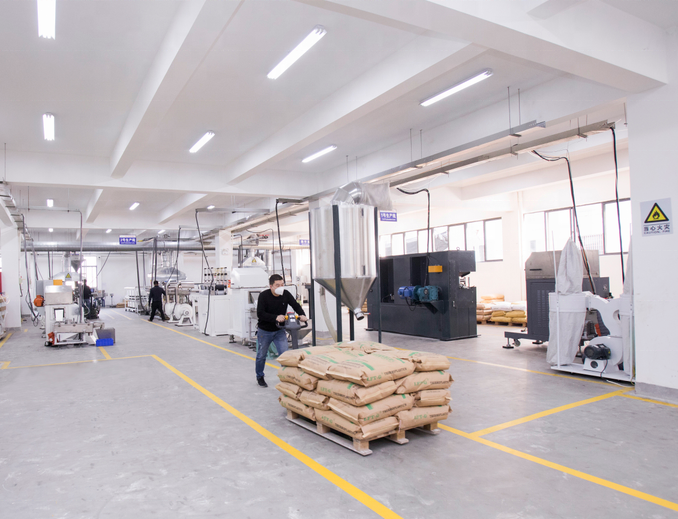
Carbon fiber grades such as T300, T300J, T400 and T700 have their own traceable technical specifications. However, there is no single set of performance values that applies to all carbon fiber composite products.
The final properties depend on the fiber type, resin matrix, fiber content, processing method and product design. For many applications, prototype testing is necessary to confirm whether the material meets the required performance standards before mass production.
The cost of carbon fiber composites depends on raw material prices, material performance requirements, manufacturing processes and order quantity. High-performance fibers and resin systems generally involve higher material costs.
More complex processing requirements can also increase production costs. However, larger production volumes can help reduce the unit cost. In suitable applications, the high strength and lightweight properties of carbon fiber composites may also help reduce maintenance and long-term operating costs.
Carbon fiber itself is not generally considered toxic in its solid, finished form. However, the safety of a carbon fiber composite depends on its resin matrix, additives, manufacturing process and intended application.
During cutting, machining or processing, airborne carbon fiber dust may be generated and should be controlled with appropriate protective measures. For specific applications, the material's safety documentation and relevant regulatory requirements should always be reviewed.
Thermoset carbon fiber composites use resin systems that undergo a curing reaction to form a permanent structure. Once cured, they cannot be remelted and reshaped through conventional thermoplastic processing.
Thermoplastic carbon fiber composites use thermoplastic resin matrices. They can be softened by heating and solidified by cooling, allowing them to be processed using methods such as injection molding. Depending on the material and application, they may also be reprocessed and recycled.
Contact LFT-G for technical information, material recommendations and customized solutions.
Contact Our Teamfollow us :


-- get updates with latest topics

 e-mail
 English
 français
 Deutsch
 русский
 italiano
 español
 português
 العربية
 日本語
 한국의
 中文