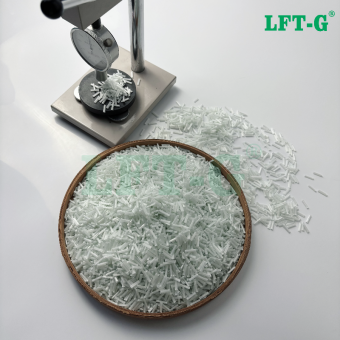
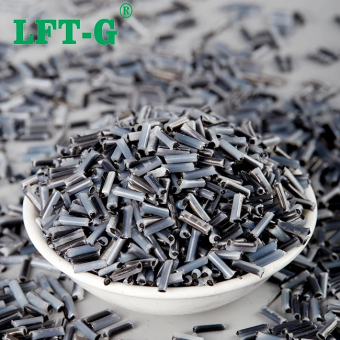
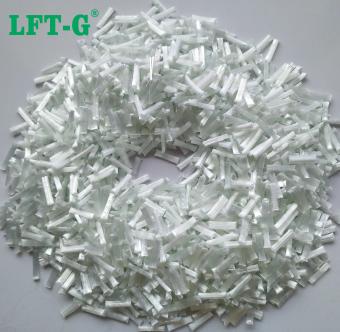
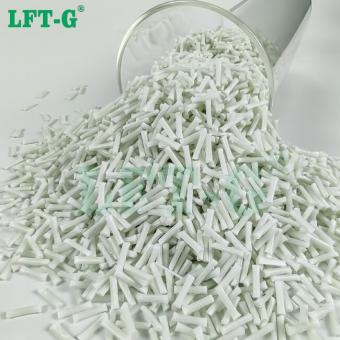
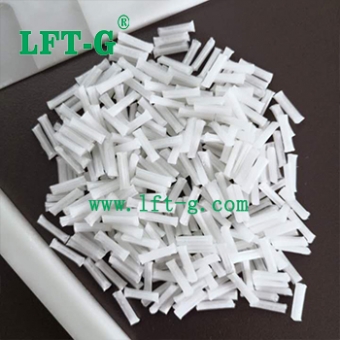
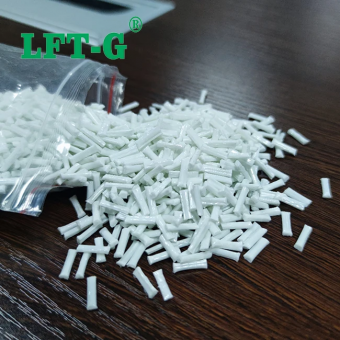
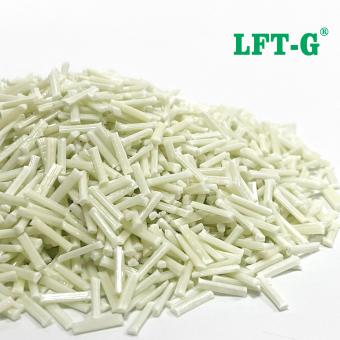
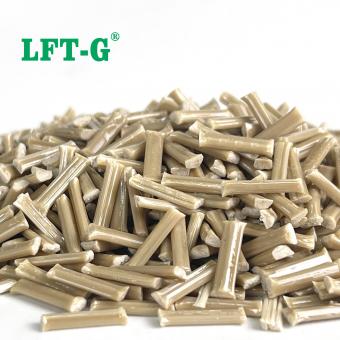
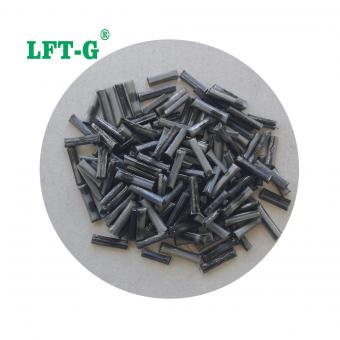
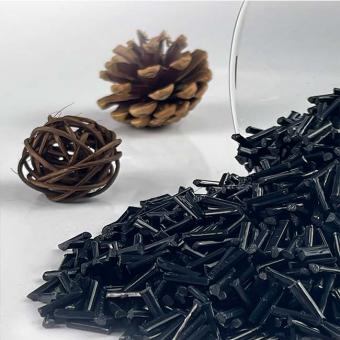
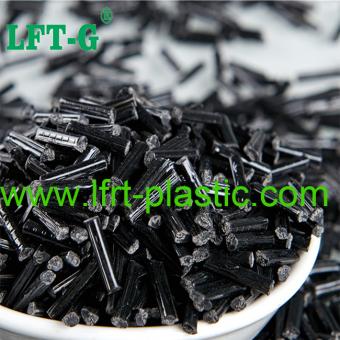
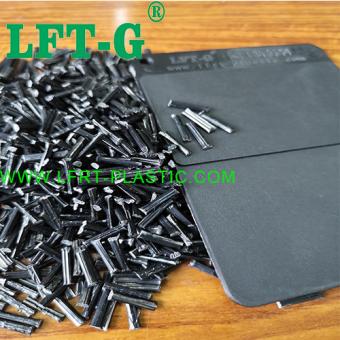
Physical Properties of Nylon Materials
✔ Excellent mechanical properties: high strength and good toughness.
✔ Self-lubricating & wear resistance: low friction coefficient, long service life in transmission parts.
✔ Excellent heat resistance: PA66 can work at 150°C for long term. After glass fiber reinforcement, heat distortion temperature can exceed 252°C.
✔ Excellent electrical insulation: high volume resistivity and breakdown resistance, ideal for electrical/electronic applications.
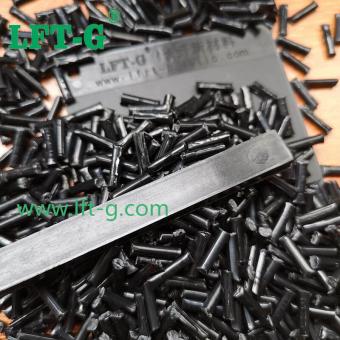
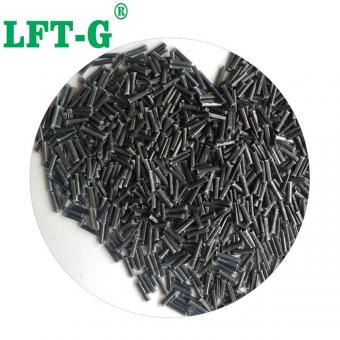
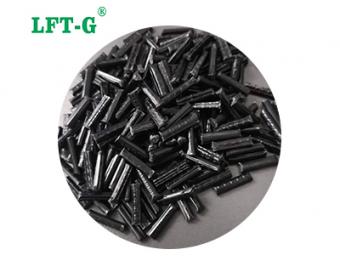
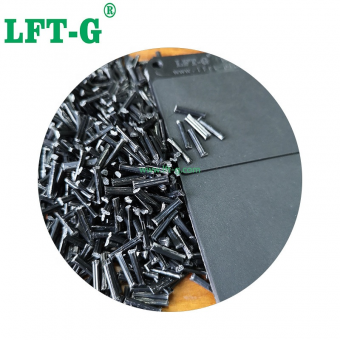
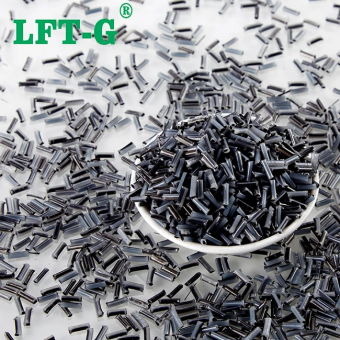
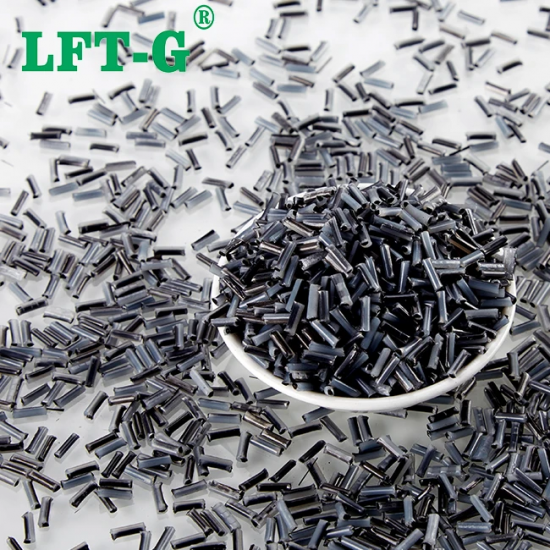
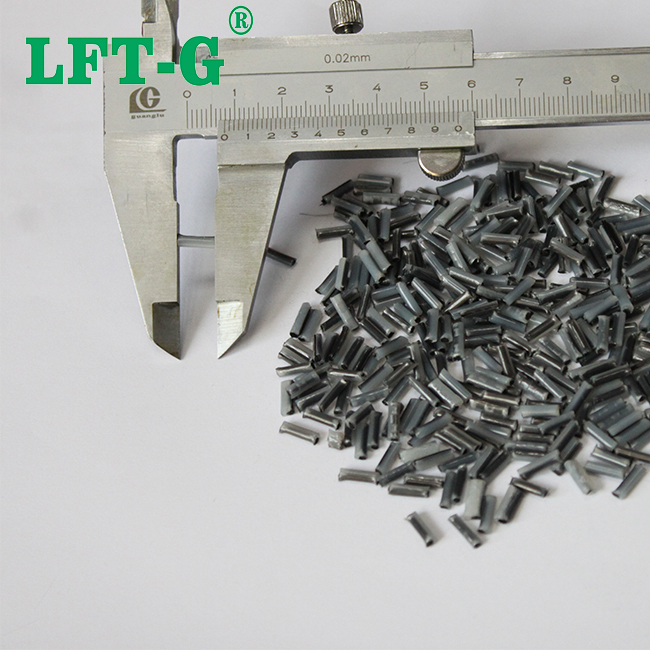
Introduction of Nylon66 Filled LCF Pellets
PA66 is a high-performance engineering plastic with high moisture absorption, which may affect dimensional stability.
To improve performance, carbon fiber and glass fiber reinforcement has been widely used since the 1970s.
Carbon fiber reinforced PA66 significantly improves strength, stiffness, heat resistance, and dimensional stability compared to unreinforced PA66.
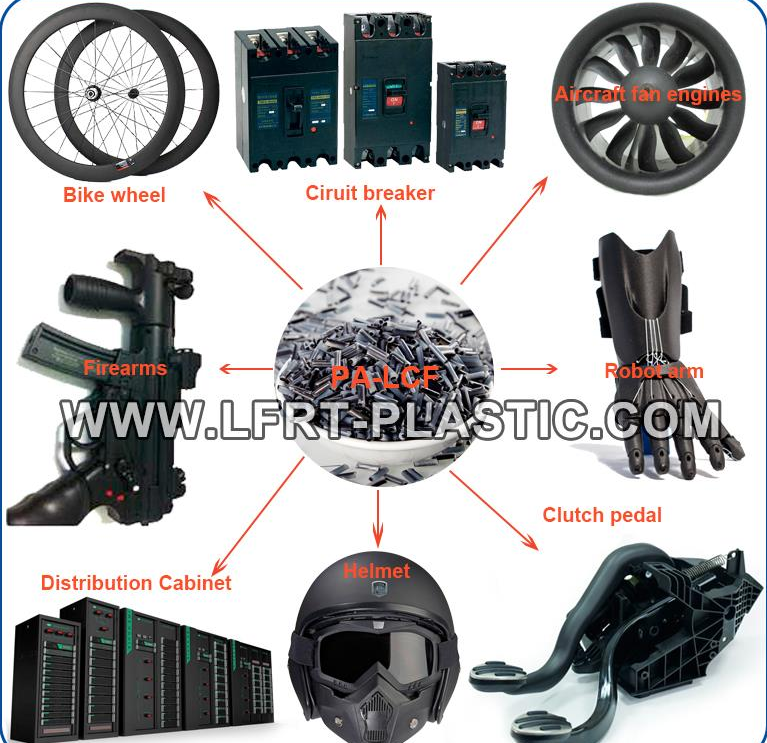
It is widely used in automotive, sports equipment, textile machinery, aerospace, and industrial applications.
Carbon fiber provides:
-
High strength & stiffness
-
Excellent wear resistance
-
Corrosion resistance
-
Creep resistance
-
Lightweight performance
Compared with glass fiber, carbon fiber offers higher modulus and better rigidity performance.
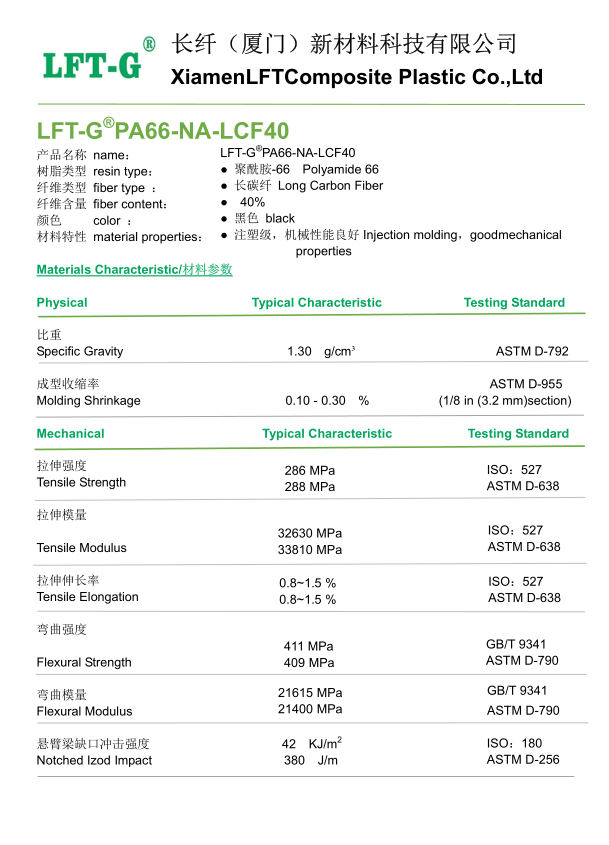
Datasheet Reference (PA6-LCF / PA66-LCF)
Technical data shows that bending strength, modulus, impact strength and shear strength increase significantly with carbon fiber content.
Only transverse shear strength shows slight decrease, but overall mechanical performance is greatly improved.
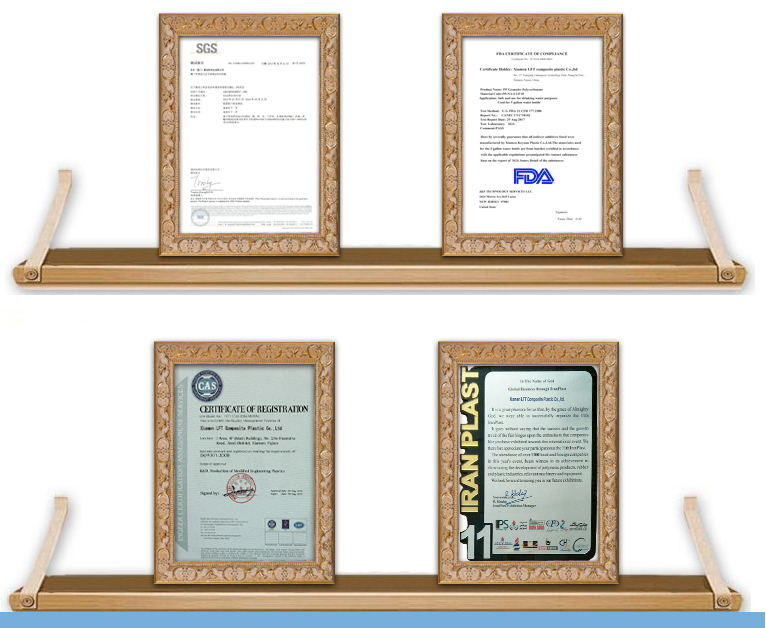
Certificates & Compliance
✔ ISO9001 / IATF16949 Quality Management System
✔ National Laboratory Accreditation
✔ REACH & RoHS Compliance Testing
✔ Modified Plastics Innovation Enterprise Certificates
✔ Honorary Certificates
1. Is there a unified performance standard for carbon fiber products?
No unified standard exists. Performance depends on fiber type, matrix, and product design. Testing is required before mass production.
2. Are carbon fiber composites expensive?
Cost depends on raw materials, process complexity, and order volume. High-performance applications may require expensive materials, but mass production reduces unit cost.
3. Are carbon fiber composites toxic?
Generally non-toxic. Some materials like PEEK are even food-grade and widely used in medical applications.
4. Thermoset vs Thermoplastic composites?
Thermoset materials rely on curing, while thermoplastics are shaped by cooling and are recyclable.



 e-mail
 English
 français
 Deutsch
 русский
 italiano
 español
 português
 العربية
 日本語
日本語 한국의
한국의 中文
中文