e-mail
 English
 français
 Deutsch
 русский
 italiano
 español
 português
 العربية
 日本語
日本語 한국의
한국의 中文
中文


-
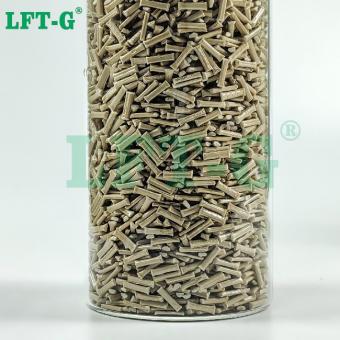
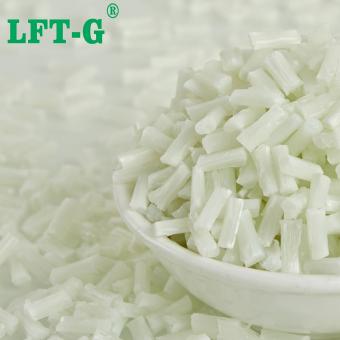
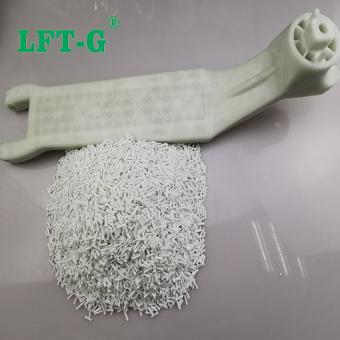
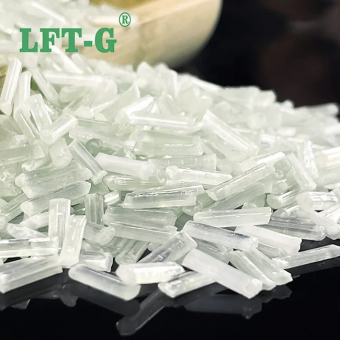
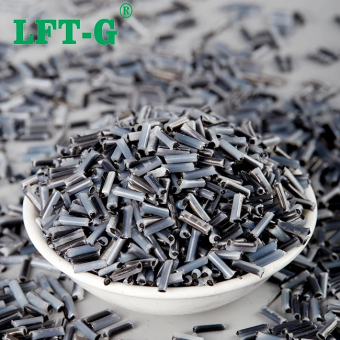
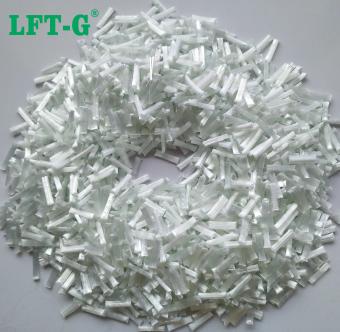
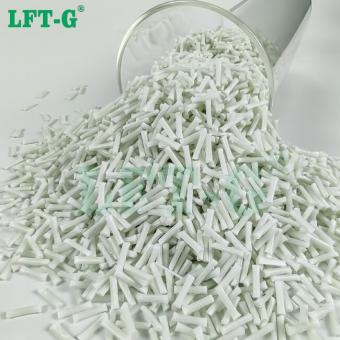
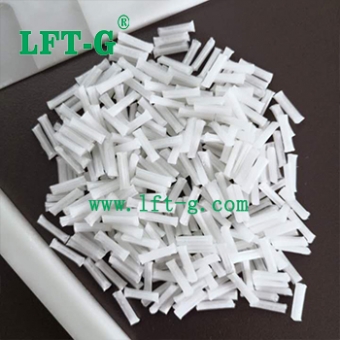
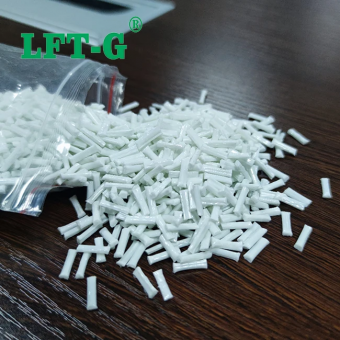
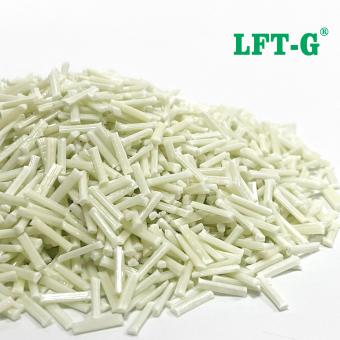
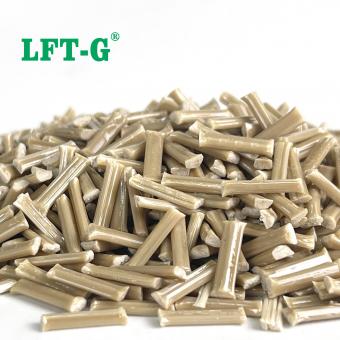
LFT-G PPS Polyphenylene sulfide LGF composite long glass fiber customized engineering plasticsPPS & PPS-LGF Overview body { font-family: Arial, sans-serif; line-height: 1.6; color: #333; } h2 { font-size: 24px; color: #000; margin-top: 30px; } p { font-size: 18px; } table { width: 100%; border-collapse: collapse; margin-top: 15px; margin-bottom: 15px; } table, th, td { border: 1px solid #000; } th, td { padding: 8px; text-align: center; } img { max-width: 100%; margin-top: 15px; margin-bottom: 15px; } What is PPS? Polyphenylene sulfide (PPS) is a high-performance thermoplastic resin. With excellent high temperature resistance, corrosion resistance, wear resistance, flame retardancy, balanced physical and mechanical properties, dimensional stability, and electrical properties, it offers high mechanical strength, chemical resistance, flame resistance, good thermal stability, and excellent electrical properties. PPS is hard and brittle with high crystallinity, good thermal stability, and strong chemical corrosion resistance. Pure PPS has relatively low impact strength. It has good creep resistance under load, high hardness, high wear resistance (wear at 1000 RPM is only 0.04g), and certain self-lubrication properties. Its mechanical properties are less sensitive to temperature. What is PPS-LGF? PPS is one of the best heat-resistant engineering plastics. When modified with glass fiber, its heat distortion temperature is generally above 260°C, and its chemical resistance is second only to PTFE. Advantages include small shrinkage, low water absorption, good fire resistance, vibration fatigue resistance, arc resistance at high temperature, and excellent electrical insulation in high humidity. Its disadvantages, such as brittleness and low impact strength, can be overcome with modifications, resulting in excellent comprehensive performance. PPS-LGF can replace metals including stainless steel, copper, aluminum, and alloys in many applications. Applications of PPS-LGF PPS-LGF is widely used in automotive, aerospace, household appliances, mechanical construction, and chemical industries for structural parts, transmission parts, insulation parts, corrosion-resistant parts, and seals. It allows products to maintain strength while reducing weight. Datasheet for reference Product Details Number Color Length MOQ Package Sample Delivery Time Port of Loading PPS-NA-LGF30 Original color (can be customized) 5-25mm above 25kg 25kg/bag Available 7-15 days after shipment Xiamen Port Production Process Trademarks and Patents Teams and Customers Technical Support We Offer We will provide you with: LFT & LFRT material technical parameters and leading-edge design Mold front design and recommendations Technical support for injection molding and extrusion molding
- PPS Long glass fiber 40
- pps compounds lgf
- pps resin materials lft
- lft-g pps reinforced plastic
- long glass fiber filling pps
- termoplastic resin pps lgf
Tags :
-
Plastic Factory Nylon 66 Fiber Reinforced PelletsNylon 6,6, also called Polyamide 66, is a more crystalline version of nylon 6. It is also referred to as polyamide 66 or PA 66. It has improved mechanical properties due to its more ordered molecular structure. Nylon 66 for machining has improved temperature resistance and lower rates of water absorption when compared to standard nylon 6.
- LCF PA66 material
- thermal conductive plastic
- carbon fiber reinforced plastic composite
- carbon fiber reinforced plastic
- fiber reinforced composite
- custom plastic compound supplier
Tags :
-
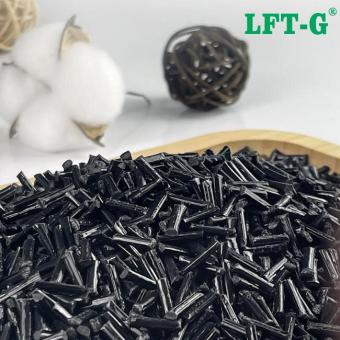
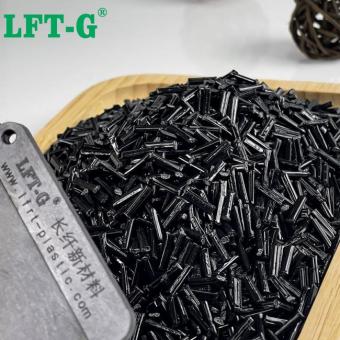
Plastic Factory PPS Fiber Reinforced PelletsPPS plastic (polyphenylene sulfide), is a thermoplastic special engineering plastic with excellent comprehensive properties. Its outstanding features are high temperature resistance, corrosion resistance and superior mechanical properties. The product will make a metallic sound when it is dropped to the ground.
- carbon fiber reinforced plastic properties
- PPS CF
- High temperature resistance pps
- injection moldig pps resin
- Engineering thermoplastics supplier
- lcf supplier
Tags :
-
LFT-G PPS composite long glass fiber engineering plasticsWhat is the PPS? Polyphenylene sulfide (PPS) is a new thermoplastic resin with high performance. By filling, modified with excellent high temperature resistance, corrosion resistance, wear resistance, flame retardant, balanced physical and mechanical properties and excellent dimensional stability and excellent electrical properties and other characteristics of the new high performance thermoplastic resin, as well as high mechanical strength, chemical resistance, flame resistance, good thermal stability, excellent electrical properties and other advantages. It has the advantages of hard and brittle, high crystallinity, inflammability, good thermal stability, high mechanical strength, excellent electrical properties, strong chemical corrosion resistance and so on. The mechanical properties of pure PPS are not high, especially the impact strength is relatively low. Good creep resistance under load, high hardness; High wear resistance, the wear at 1000 RPM is only 0.04g, and will be further improved after filling F4 and molybdenum disulfide; It also has a certain degree of self-moistening. The mechanical properties of PPS are less sensitive to temperature. What is the PPS-LGF? PPS is one of the best varieties of heat resistance in the engineering plastic department. The thermal deformation temperature of the material modified by glass fiber is generally greater than 260 degrees, and the chemical resistance is second only to PTFE. In addition, it also has small shrinkage, low water absorption, good fire resistance. Good resistance to vibration fatigue, strong resistance to arc, especially at high temperature. Excellent electrical insulation in high humidity. But its disadvantages are brittleness, toughness, low impact strength, after modification, can overcome the above shortcomings, obtain very excellent comprehensive performance. As a plastic, its properties and uses far exceed those of ordinary plastics, and in many ways it is as good as metal materials. Excellent material PPS has the advantages of high temperature corrosion resistance, excellent mechanical properties, can replace metal including stainless steel, copper, aluminum, alloy, etc., is considered to be the best substitute for metal, copper. What is the application of PPS-LGF? PPS is now widely used in automotive, aerospace, household appliances, mechanical construction and chemical industry for a variety of structural parts, transmission parts, insulation parts, corrosion resistant parts and seals. Under the condition of ensuring sufficient strength and other properties, the weight of the product is greatly reduced. Datasheet for reference Details Number Color Length MOQ Package Sample Delivery time Port of Loading PPS-NA-LGF30 Original color (can be customized) 5-25mm above 25kg 25kg/bag Available 7-15 days after shipment Xiamen Poer Production process Trademarks and patents Teams and customers We will offer you: 1. LFT & LFRT material technical parameters and leading edge design 2. Mold front design and recommendations 3. Provide technical support such as injection molding and extrusion molding.view more
-
High strength PA12 nylon12 composite lgf virgin white color for automotiveProduct number: PA12-NA-LGF Fiber specification: 20%-60% Product feature: High strength, High toughness and durability Product application: Suitable for automotive, sports parts, solar energy, photovoltaic industry and other industries.
- Nylon12 filling long glass fiber reinforced plastic
- Durability high mechanical properties
- Photovoltaic industry compounds
- Injection grade thermoplastic resin
- 24h service customized plastic instead metal
- Supplier price good price pa6 composites
Tags :
-
Nylon6 filling long glass fiber40 orginal color for automotive partsWhat is PA6 Plastic? Polyamide (PA), commonly known as Nylon, is a thermoplastic engineering plastic containing amide groups (-NHCO-) in its molecular chain. It can be divided into aliphatic and aromatic polyamides and is one of the earliest and most widely used engineering plastics. Polyamide materials are widely used in fibers, engineering plastics, and films. According to the number of carbon atoms in the molecular structure, many types of polyamides can be produced, among which PA6, PA66, and PA610 are the most commonly used. Introduction to PA6 (Polyamide 6) PA6 is an aliphatic polyamide known for its lightweight properties, high mechanical strength, wear resistance, and excellent processing performance. It is widely used in engineering plastics, fibers, automotive components, and industrial applications. However, PA6 molecules contain highly polar amide groups that easily form hydrogen bonds with water molecules. As a result, PA6 has relatively high water absorption, which may affect dimensional stability and impact performance under dry or low-temperature conditions. Advantages of Nylon 6 (PA6) High mechanical strength and excellent toughness Outstanding fatigue resistance under repeated bending High heat resistance and softening point Low friction coefficient and excellent wear resistance Excellent resistance to oils, alkalis, and general solvents Good anti-aging and weather resistance Self-extinguishing, non-toxic, and odorless Excellent electrical insulation performance Lightweight and easy to process and mold Disadvantages of Nylon 6 (PA6) High water absorption rate Poor dimensional stability in humid environments Limited resistance to strong acids and oxidants Surface discoloration and oxidation under long-term high temperatures Strict injection molding moisture requirements Possible deformation and warpage during molding Why Fill PA6 with Long Glass Fiber? Although PA6 has excellent mechanical properties and processing performance, its high water absorption and dimensional instability limit its use in high-performance engineering applications. To improve the overall performance of PA6, reinforcement modification is commonly used. Adding long glass fiber (LGF) or carbon fiber significantly enhances: Mechanical strength Impact resistance Dimensional stability Heat resistance Fatigue resistance Structural rigidity Long glass fiber reinforced PA6 is widely used in automotive, industrial, and structural engineering applications. Applications of PA6-LGF PA6 reinforced with 30% long glass fiber (LGF30) is an ideal engineering material for: Power tool housings and components Automotive structural parts Engineering machinery components Industrial load-bearing structures Mechanical and electrical equipment parts Compared with unreinforced PA6, the fatigue resistance strength can be increased by up to 2.5 times. Processing & Forming Guidelines for PA6 + 30% LGF Adding 30% long glass fiber can reduce PA6 shrinkage from approximately 1–1.5% down to around 0.3%. Excessive recycled material should be avoided, as it may reduce mechanical properties and cause discoloration. Recycled material should generally not exceed 25% and must be fully dried before processing. Fiber orientation during injection molding may cause warpage; proper gate design and mold temperature control are recommended. Slow cooling in hot water treatment can help reduce internal stress and deformation. Customers & Staff Certificates
- Polyamide 6 composite properties
- lgf thermoplastic resin good price
- High impact PA6 instead metal plastic
- injection molding plastic gf30 filter
- pa6 filling long glass fiber customized
- Reinforced plastic lightweight compounds
Tags :
-
Polyamide 6 filling Long Carbon Fiber reinforced thermoplastic materialPA6 Long Carbon Fiber Reinforced Thermoplastic High-performance PA6 reinforced with long carbon fiber (LCF) combines lightweight properties, superior mechanical strength, dimensional stability, and outstanding durability for demanding industrial applications. Polyamide 6 (PA6) Nylon 6 (PA6) is a widely used engineering plastic known for its lightweight structure, excellent wear resistance, corrosion resistance, and high toughness. As a thermoplastic resin, PA6 can be repeatedly softened by heating and hardened by cooling, making it highly suitable for repeated processing and molding applications. Long Carbon Fiber (LCF) Carbon fiber features high strength, high modulus, excellent electrical conductivity, and an outstanding strength-to-weight ratio. Compared with traditional glass fiber, carbon fiber provides superior mechanical performance while maintaining lightweight characteristics. Long carbon fiber reinforced thermoplastics are increasingly replacing traditional metal materials in industries such as electric vehicles, electronics, industrial equipment, medical devices, and sports products. LCF vs SCF Long carbon fiber (LCF) reinforced materials provide better impact resistance, fatigue performance, and structural integrity compared with short carbon fiber (SCF) materials. Advantages of Long Carbon Fiber Reinforcement High Strength Excellent mechanical performance with outstanding toughness and durability. Lightweight Lower density compared with traditional metal materials. Thermal Stability Low thermal expansion coefficient and excellent heat resistance. Corrosion Resistance Outstanding resistance to chemicals, aging, and environmental exposure. TDS of PA6 for Reference Applications of PA6-LCF PA6 reinforced with long carbon fiber is widely used in structural and lightweight applications requiring high strength and impact resistance. Helmets Automotive bumpers Treadmills and sports equipment Industrial machinery parts Electric vehicle components Consumer electronics Certifications Factory & Warehouse Teams & Customers About Us Xiamen LFT Composite Plastic Co., Ltd. is a professional manufacturer specializing in Long Fiber Reinforced Thermoplastics (LFT & LFRT), including Long Glass Fiber (LGF) and Long Carbon Fiber (LCF) series materials. Our thermoplastic materials are suitable for injection molding, extrusion, and LFT-D molding applications. Fiber length can be customized from 5mm to 25mm according to customer requirements. The company has passed ISO9001 and IATF16949 certifications, and our products have obtained multiple patents and trademarks.
- long fibre reinforced thermoplastics
- carbon fiber reinforced plastics granules
- long carbon fiber reinforced pa6
- long fiber compounds pa6 nylon
- long fiber composite pa6 granules
- long carbon fiber polyamide6 higher peroformance
Tags :
-
PLA Polylactic acid composite long carbon fiber thermoplastic resinLong Carbon Fiber Reinforced PLA What is Long Carbon Fiber PLA? Biobased polylactic acid (PLA) is an eco-friendly thermoplastic material that is recyclable and widely used in additive manufacturing applications. When reinforced with long carbon fiber, PLA achieves significantly improved stiffness, strength, dimensional stability, and lightweight performance. Long carbon fiber reinforced PLA provides: Excellent layer adhesion Low warpage during printing High structural rigidity Lightweight mechanical performance Enhanced surface appearance Compared with standard PLA materials, carbon fiber reinforced PLA delivers better toughness and structural support while maintaining a matte black premium appearance. What is Long Carbon Fiber? Long carbon fiber reinforced composites provide excellent weight reduction while maintaining outstanding strength and stiffness properties. Due to their superior mechanical performance, long carbon fiber thermoplastics are widely used as ideal alternatives to metal materials in lightweight engineering applications. Main Characteristics ✔ Moderate fracture strain with excellent toughness ✔ Very high melt strength and viscosity ✔ Excellent dimensional accuracy and stability ✔ Easy processing on various printing platforms ✔ Attractive matte black surface finish ✔ Excellent impact resistance and lightweight properties Applications of Long Carbon Fiber PLA Long carbon fiber PLA is suitable for: Frames and structural supports Protective shells and housings Drone components and propellers Chemical instruments RC hobby applications Lightweight engineering parts It is particularly favored in drone manufacturing and RC applications where high stiffness and lightweight performance are required. Product Details Item Specification Model PLA-NA-LCF30 Color Original Black / Customized Fiber Length 12 mm / Customized MOQ 20 kg Package 20 kg/bag Sample Available Lead Time 7–15 Days Port of Loading Xiamen Port Exhibition Technical Support & Services ✔ LFT & LFRT material technical support and design recommendations ✔ Mold structure optimization suggestions ✔ Injection molding and extrusion processing guidance ✔ Customized material development support
- PLA LCF original color resin made in China
- Polylactic acid filling long carbon fiber
- PLA resin lcf reinforced plastic pellets
- LFT cpmpounds pla manufacturer direct sell
- lcf reinforced material pla good price
- Thermoplastic pla lcf instead metal CF
Tags :
-
LFT-G TPU Thermoplastic Urethane filled long glass fiber compounds.lft-wrap{ font-family:Arial,Helvetica,sans-serif; color:#555; line-height:1.8; font-size:14px; max-width:1100px; margin:0 auto; } .lft-wrap h2{ font-size:26px; color:#2E8B57; margin-top:40px; margin-bottom:15px; border-left:5px solid #2E8B57; padding-left:12px; } .lft-wrap p{ margin:12px 0; } .lft-wrap ul{ margin:10px 0 15px 25px; } .lft-wrap li{ margin-bottom:8px; } .lft-wrap img{ max-width:100%; border-radius:8px; margin-top:15px; } .lft-note{ background:#f8fff8; border:1px solid #d8ead8; padding:18px; border-radius:8px; margin-top:20px; } .lft-cta{ background:#f8fff8; border:1px solid #d6edd6; border-radius:10px; padding:25px; margin-top:35px; text-align:center; } .lft-btn{ display:inline-block; background:#2E8B57; color:#fff !important; text-decoration:none; padding:12px 28px; border-radius:30px; margin-top:15px; font-weight:bold; } .lft-btn:hover{ background:#246b45; } What is TPU? TPU (Thermoplastic Polyurethane) is a high-performance elastomer material that combines the elasticity of rubber with the processing advantages of thermoplastics. TPU is mainly divided into polyester-based and polyether-based types, with a wide hardness range from 60HA to 85HD. It offers excellent: Wear resistance Oil resistance Elasticity and flexibility Transparency Low-temperature performance Environmental friendliness TPU materials are widely used in consumer products, sports equipment, power tools, automotive parts, cables, and industrial components. As a thermoplastic elastomer, TPU can be repeatedly heated and processed without significant chemical crosslinking, making it suitable for injection molding and extrusion applications. Why Reinforce TPU with Long Glass Fiber? Long glass fiber reinforced TPU composites provide a highly efficient solution when conventional reinforced plastics cannot meet structural performance requirements. By forming a three-dimensional internal fiber skeleton network, long glass fibers significantly improve: Mechanical strength Dimensional stability Fatigue resistance Impact resistance Durability in harsh environments Metal replacement capability Long glass fiber reinforced TPU materials help reduce product weight while maintaining excellent structural performance and long-term durability. Compared with Short Glass Fiber Compared with short glass fiber reinforced materials, long glass fiber composites provide superior load transfer efficiency, better impact resistance, and improved fatigue performance due to the longer retained fiber structure inside the material. Applications TPU-LGF materials are widely used in industries requiring flexibility, durability, and structural strength. Automotive door and window components Safety toe caps Mechanical structural parts Pneumatic nail gun housings Professional power tools Industrial connectors and fasteners Wear-resistant engineering components Our engineering team can recommend suitable TPU-LGF grades according to your processing method and performance requirements. About Xiamen LFT Composite Plastic Co., Ltd. Xiamen LFT Composite Plastic Co., Ltd. specializes in long fiber reinforced thermoplastic materials (LFT & LFRT), including Long Glass Fiber (LGF) and Long Carbon Fiber (LCF) reinforced composites. Our materials are suitable for: LFT-G injection molding Extrusion molding LFT-D direct molding processes Customized pellet lengths from 5–25 mm are available according to customer requirements. The company has passed ISO9001 & IATF16949 quality management certifications and owns multiple national patents and trademarks. Certifications & Quality Assurance ISO9001 & IATF16949 Quality Management Certification National Laboratory Accreditation Modified Plastics Innovation Enterprise REACH & ROHS Compliance Testing Multiple National Patents & Trademarks Need Technical Support or Material Recommendations? Contact us for datasheets, samples, processing guidance, and customized TPU-LGF material solutions. Contact Us
- tpu lft polymers manufacturers
- glass fiber reinforced plastics granules
- long glass fiber TPU GFRP
- long fiber composite TPU granules
- long glass fiber reinforced TPU lft
Tags :
-
PLA Polylactic acid compounds long glass fiber thermoplastic resin for engineeringPLA Plastic PLA (Polylactic Acid) is a bio-based and biodegradable polyester considered one of the most promising “green plastics”. It features excellent biocompatibility, biodegradability, and mechanical strength. Under composting conditions, PLA can be fully degraded into CO₂ and water, making it non-toxic and environmentally friendly. PLA has mechanical properties similar to polypropylene, while its transparency and gloss are comparable to polystyrene. It can be processed using standard thermoplastic methods such as injection molding, extrusion, blow molding, and 3D printing. It is widely used in packaging, fibers, medical, pharmaceutical, and disposable products, and is considered a key material in reducing plastic pollution. Long Glass Fiber Reinforced PLA (LGFPLA) Glass fiber is an inorganic non-metallic material with excellent properties such as high strength, heat resistance, corrosion resistance, and insulation. It is widely used as a reinforcement material in composites. Long glass fiber reinforced PLA (LGFPLA) refers to PLA composites reinforced with glass fibers typically ranging from 10–25 mm in length. After injection molding, fibers form a 3D network structure, significantly improving mechanical performance. LGFPLA belongs to the LFT (Long Fiber Thermoplastic) material family. Standard LGFPLA pellets are typically 12 mm or 25 mm in length. Fiber content ranges from 20% to 60%, and colors can be customized according to customer requirements. LGF vs SGF (Long Fiber vs Short Fiber) Compared with short glass fiber composites, long fiber reinforced thermoplastics (LFT) offer significant performance advantages: Longer fiber length for improved mechanical strength Higher specific stiffness and impact resistance Excellent creep resistance and dimensional stability Improved fatigue resistance Better performance under heat and humidity conditions Reduced fiber breakage during molding Product Details Grade Color Length Fiber Content Package Sample Port Delivery Time PLA-LGF Natural / Customized 6–25 mm 20%–60% 25 kg/bag Available Xiamen Port 7–15 days Lab & Factory About Xiamen LFT Composite Plastic Co., Ltd. Xiamen LFT Composite Plastic Co., Ltd. specializes in the development and production of long glass fiber (LGF) and long carbon fiber (LCF) reinforced thermoplastics, including PP, PA6, PA66, PPA, PA12, TPU, PBT, PLA, PET, PPS, and PEEK. Our materials offer high strength, lightweight performance, impact resistance, corrosion resistance, recyclability, and excellent processing properties, making them ideal for automotive, electrical, industrial, aerospace, and consumer applications.
- PLA reinforced plastic lgf production pla
- LFT-G PLA injection mold modified materials
- long glass fiber compounds pla resin basic
- PLA pellets of long fiber 30 made in China
- Self owing PLA polymers manufacturer direct sell
- PLA pure pellets virgin grade lft
Tags :
-
Polyamide 12 long carbon fiber reinforced compounds nylonLong carbon fiber Carbon fiber has many excellent properties, high axial strength and modulus, low density, high specific performance, no creep, super high temperature resistance in non-oxidizing environment, good fatigue resistance, specific heat and electrical conductivity between non-metal and metal, small coefficient of thermal expansion and anisotropy, good corrosion resistance, good X-ray transmission. Good electrical and thermal conductivity, good electromagnetic shielding, etc. Compared with traditional glass fiber, carbon fiber has more than 3 times of Young's modulus; it is about 2 times of Young's modulus compared with Kevlar fiber, which is insoluble and swollen in organic solvents, acids and alkalis, and has outstanding corrosion resistance. But is there a way to reduce the price of carbon fiber? That is to mix it with relatively cheap nylon material to form a composite material with good performance and meet the requirements. In that case, there is no doubt that carbon fiber nylon will definitely have a place in the composite material. Nylon itself is an engineering plastic with excellent performance, but moisture absorption, poor dimensional stability of products. Strength and hardness are also far from metal. In order to overcome these shortcomings, as early as before the 70s. People have used carbon fiber or other varieties of fibers for reinforcement to improve its performance. Carbon fiber reinforced nylon materials have developed rapidly in recent years, because nylon and carbon fiber are excellent performance in the field of engineering plastics materials, its compound material synthesis reflects the superiority of the two, such as strength and rigidity than unreinforced nylon is much higher, high temperature creep is small, thermal stability has improved significantly, good dimensional accuracy, wear resistance. Excellent damping, compared with glass fiber reinforced has better performance. Therefore, carbon fiber reinforced nylon (CF / PA) composites have developed rapidly in recent years. And for 3D printing using SLS technology is the most suitable technical means to achieve carbon fiber reinforced nylon. TDS for reference Application Our company Xiamen LFT composite plastic Co., Ltd is a brand-name company that focuses on LFT&LFRT. Long Glass Fiber Series (LGF) & Long Carbon Fiber Series (LCF). The company's thermoplastic LFT can be used for LFT-G injection molding and extrusion, and can also be used for LFT-D molding. It can be produced according to customer requirements: 5~25mm in length. The company's continuous infiltration reinforced thermoplastics have passed ISO9001&16949 system certification, and the products have obtained lots of national trademarks and patents.view more
-
LFT-G Polyamide 12 long carbon fiber reinforced compounds nylon.card{ background:#ffffff; border:1px solid #eaeaea; border-radius:14px; padding:22px; margin-bottom:20px; transition:all 0.3s ease; box-shadow:0 2px 10px rgba(0,0,0,0.04); } .card:hover{ transform:translateY(-6px); box-shadow:0 10px 25px rgba(0,0,0,0.10); border-color:#cfead3; } h2{ color:#2f7d32; margin-bottom:12px; font-size:20px; } p,li{ color:#666; font-size:15px; line-height:1.8; } ul{ padding-left:20px; } .table{ width:100%; border-collapse:collapse; margin-top:10px; } .table th,.table td{ border:1px solid #e5e5e5; padding:10px; text-align:left; font-size:14px; } .table th{ background:#f3f8f4; color:#2f7d32; } .cta-btn{ display:inline-block; margin-top:10px; padding:12px 22px; background:#2f7d32; color:#fff; text-decoration:none; border-radius:8px; transition:0.3s; font-weight:bold; } .cta-btn:hover{ background:#256428; } .faq{ margin-top:10px; } .faq-item{ border-bottom:1px solid #eee; } .faq-item input{ display:none; } .faq-item label{ display:block; padding:14px 0; cursor:pointer; font-size:15px; font-weight:bold; color:#2f7d32; position:relative; } .faq-item label::after{ content:"+"; position:absolute; right:0; font-size:18px; } .faq-content{ max-height:0; overflow:hidden; transition:all 0.3s ease; } .faq-content p{ margin:0; padding:0 0 12px 0; } .faq-item input:checked ~ .faq-content{ max-height:200px; } .faq-item input:checked + label::after{ content:"−"; } Introduction to Long Carbon Fiber Reinforced PA12 Long Carbon Fiber Reinforced PA12 (Polyamide 12) is a premium engineering thermoplastic composite designed for lightweight structural applications requiring outstanding toughness, low moisture absorption, excellent dimensional stability, and long-term durability. Reinforced with 50% long carbon fiber, PA12-LCF50 offers exceptional stiffness, strength, fatigue resistance, and weight reduction, making it an ideal material for replacing metal in demanding industrial applications. Composition and Structure PA12-LCF50 consists of a polyamide 12 matrix reinforced with 50% long carbon fibers. The continuous long fiber structure creates an efficient stress-transfer network throughout the composite, providing superior mechanical performance, excellent creep resistance, and improved impact durability compared with conventional short carbon fiber reinforced PA12. Key Features Ultra-High Strength and Stiffness Excellent Fatigue Resistance Outstanding Impact Performance Very Low Moisture Absorption Excellent Dimensional Stability Superior Chemical Resistance Excellent Wear Resistance Lightweight Metal Replacement Solution Long Service Life Typical Applications Automotive Lightweight Structural Parts Electric Vehicle Battery Components Hydrogen Storage System Components Aerospace Structural Components Industrial Machinery Parts Oil & Gas Equipment Medical Device Components Sports Equipment and High-End Consumer Products Our Working Process Requirement Analysis Material Selection & Technical Recommendation Customized Formulation & Sample Preparation COA Support & Quality Verification Production, Delivery & Technical Follow-up Technical Datasheet (PA12-LCF50%) Property Unit Typical Value Tensile Strength MPa 259 Tensile Modulus MPa 30625 Flexural Strength MPa 335 Flexural Modulus MPa 22693 Notched Izod Impact kJ/m² 57 Heat Deflection Temperature (1.8 MPa) °C 204 Density g/cm³ 1.31 FAQ What is Long Carbon Fiber Reinforced PA12? PA12-LCF50 is a high-performance engineering composite made by reinforcing polyamide 12 with 50% long carbon fiber to achieve exceptional strength, stiffness, and lightweight performance. What are the advantages of PA12-LCF50? It offers high strength, excellent fatigue resistance, low moisture absorption, superior dimensional stability, excellent wear resistance, and outstanding long-term durability. Which industries use PA12-LCF50? It is widely used in automotive, aerospace, hydrogen energy, medical devices, industrial equipment, sports equipment, and lightweight structural applications. Why choose long carbon fiber PA12 instead of short fiber PA12? Long carbon fibers provide significantly better structural integrity, fatigue resistance, impact performance, and load-bearing capability than conventional short fiber reinforced materials. Is PA12-LCF50 suitable for lightweight metal replacement? Yes. PA12-LCF50 combines lightweight performance with excellent mechanical properties, making it an ideal alternative to aluminum and other metal components. Need Technical Support for PA12-LCF Materials? Contact our engineering team for material selection guidance, processing recommendations, technical datasheets, and customized PA12 long carbon fiber solutions. Contact Us About LFT-G Xiamen LFT Composite Plastic Co., Ltd., established in 2009, is a global supplier of long fiber reinforced thermoplastic (LFT) materials integrating R&D, production, and sales. We specialize in long glass fiber and long carbon fiber reinforced thermoplastics, including PP, HDPE, PA6, PA66,...
- polyamide
- composite plastic
Tags :