e-mail
 English
 français
 Deutsch
 русский
 italiano
 español
 português
 العربية
 日本語
日本語 한국의
한국의 中文
中文


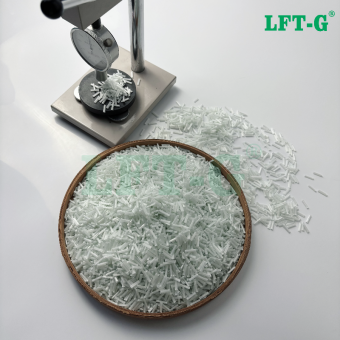
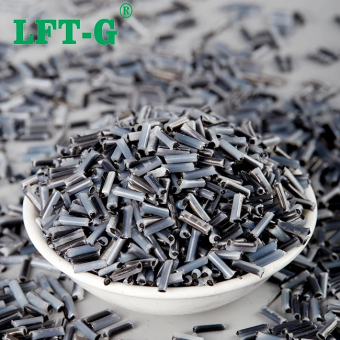
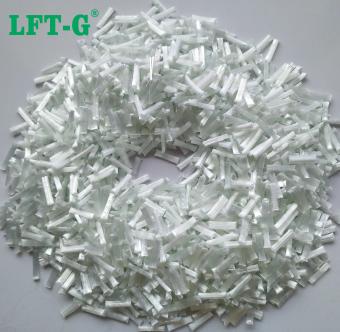
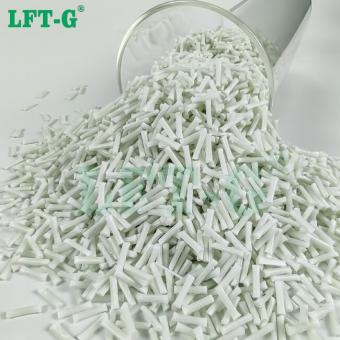
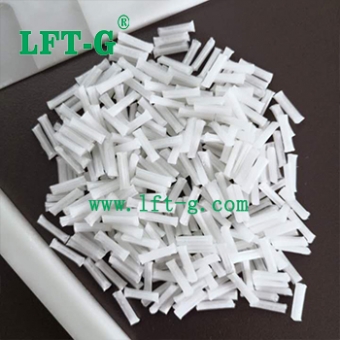
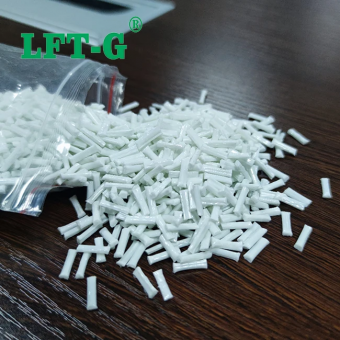
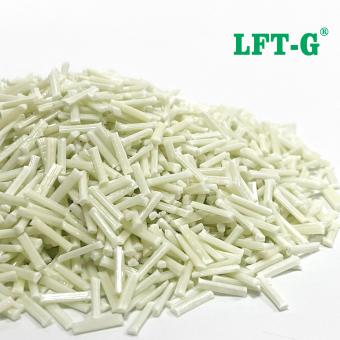
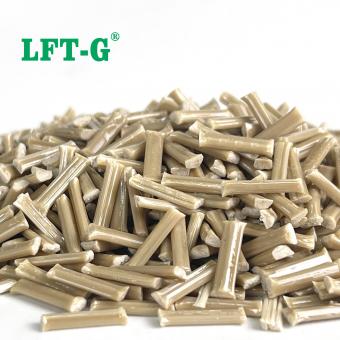
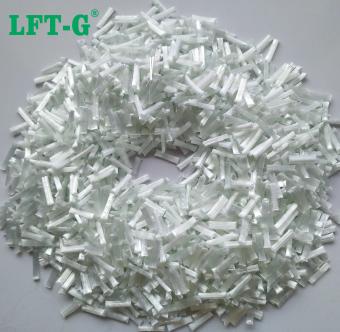
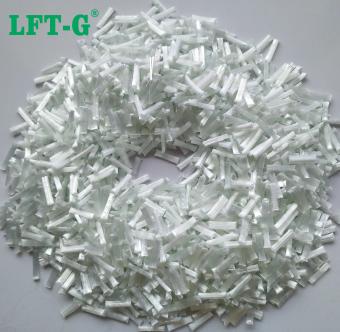
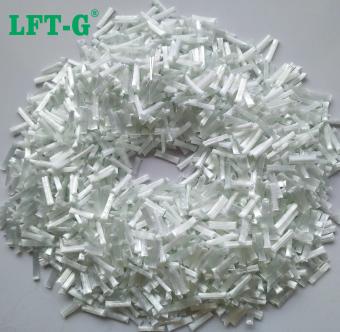
Long glass fiber PLA composite prepared by melt impregnation technology. When lGF mass fraction is 30%-40%, Long Glass fiber Reinforced polylactic acid PLA has the best comprehensive mechanical properties. Significantly superior to traditional PLA composites of the same composition.
-
LFT Bio Material PLA Fiber filled CompositesLFR-PLA can be processed using conventional plastic processing techniques like injection molding and extrusion, offering good adaptability in manufacturing. It is widely used in industries like automotive, consumer electronics, 3D printing, and eco-friendly packaging due to its combination of high performance and sustainability.
- polylactic acid material
- pla polylactic acid
- polylactic acid bioplastic
- polylactic acid polymer
- pla glass
- carbon fiber pla filament
Tags :
-
LFT Polylactic Acid PLA with filler Long Glass Fiber reinforcementPLA is often regarded as being biodegradable.
- Long Glass Fiber Reinforced PLA Properties
- PLA with Long Glass Fiber Strength and Durability
- Long Glass Fiber PLA Composites Applications
- High Performance Long Glass Fiber PLA Materials
- Long Glass Fiber PLA vs. Short Fiber PLA
- Long Glass Fiber PLA Manufacturing Process
Tags :
-
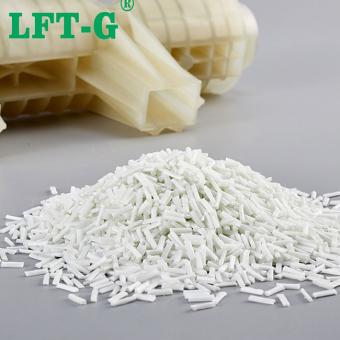
PLA Polylactic acid compounds long glass fiber thermoplastic resin for engineeringPLA Plastic PLA (Polylactic Acid) is a bio-based and biodegradable polyester considered one of the most promising “green plastics”. It features excellent biocompatibility, biodegradability, and mechanical strength. Under composting conditions, PLA can be fully degraded into CO₂ and water, making it non-toxic and environmentally friendly. PLA has mechanical properties similar to polypropylene, while its transparency and gloss are comparable to polystyrene. It can be processed using standard thermoplastic methods such as injection molding, extrusion, blow molding, and 3D printing. It is widely used in packaging, fibers, medical, pharmaceutical, and disposable products, and is considered a key material in reducing plastic pollution. Long Glass Fiber Reinforced PLA (LGFPLA) Glass fiber is an inorganic non-metallic material with excellent properties such as high strength, heat resistance, corrosion resistance, and insulation. It is widely used as a reinforcement material in composites. Long glass fiber reinforced PLA (LGFPLA) refers to PLA composites reinforced with glass fibers typically ranging from 10–25 mm in length. After injection molding, fibers form a 3D network structure, significantly improving mechanical performance. LGFPLA belongs to the LFT (Long Fiber Thermoplastic) material family. Standard LGFPLA pellets are typically 12 mm or 25 mm in length. Fiber content ranges from 20% to 60%, and colors can be customized according to customer requirements. LGF vs SGF (Long Fiber vs Short Fiber) Compared with short glass fiber composites, long fiber reinforced thermoplastics (LFT) offer significant performance advantages: Longer fiber length for improved mechanical strength Higher specific stiffness and impact resistance Excellent creep resistance and dimensional stability Improved fatigue resistance Better performance under heat and humidity conditions Reduced fiber breakage during molding Product Details Grade Color Length Fiber Content Package Sample Port Delivery Time PLA-LGF Natural / Customized 6–25 mm 20%–60% 25 kg/bag Available Xiamen Port 7–15 days Lab & Factory About Xiamen LFT Composite Plastic Co., Ltd. Xiamen LFT Composite Plastic Co., Ltd. specializes in the development and production of long glass fiber (LGF) and long carbon fiber (LCF) reinforced thermoplastics, including PP, PA6, PA66, PPA, PA12, TPU, PBT, PLA, PET, PPS, and PEEK. Our materials offer high strength, lightweight performance, impact resistance, corrosion resistance, recyclability, and excellent processing properties, making them ideal for automotive, electrical, industrial, aerospace, and consumer applications.
- PLA reinforced plastic lgf production pla
- LFT-G PLA injection mold modified materials
- long glass fiber compounds pla resin basic
- PLA pellets of long fiber 30 made in China
- Self owing PLA polymers manufacturer direct sell
- PLA pure pellets virgin grade lft
Tags :
-
Polylactic acid compounds glass fiber thermoplastic resinPLA (Polylactic Acid) is a semicrystalline thermoplastic polyester. It is derived from renewable sources and is therefore classified as a bioplastic.
- PLA Long fiberglass factory
- Injection molding pla special plastic
- fiber reinfoced plastic pla polymer
- PLA manufacturer good strength
- Special engineering plastic pla
Tags :
-
LFT Polylactic acid compounds filled long glass fiber thermoplastic resinPLA (Polylactic Acid) PLA, also known as polylactic acid, is a biodegradable and environmentally friendly polymer. Its production process is pollution-free, and the material can naturally degrade, making it one of the most representative green plastics. The structure of PLA has a significant impact on its heat resistance, toughness, mechanical strength, degradability, and biocompatibility. Among these, heat resistance is a key limitation. PLA molecular chains contain only one methylene group, forming a spiral structure with low chain mobility. As a result, PLA exhibits slow crystallization during injection molding, leading to low crystallinity and poor heat resistance. Additionally, during thermal processing, ester bonds may break, generating terminal carboxyl groups that accelerate thermal degradation through autocatalysis. LGF Reinforced PLA Long fiber reinforcement significantly enhances the performance of PLA. Fibers act as a structural skeleton within the polymer matrix, restricting molecular chain movement under heat and thereby improving thermal resistance. Various fibers can be used for PLA reinforcement, including: Natural plant fibers (sisal, flax, bamboo, coconut fiber, wood fiber) Animal fibers (silk) Mineral fibers (basalt fiber) Synthetic fibers (carbon fiber, glass fiber) Among these, carbon fiber and glass fiber are widely applied due to their high strength and modulus, while natural fibers are gaining attention for their sustainability and biodegradability. Studies show that reinforced PLA composites can achieve a Vicat softening temperature exceeding 140°C, significantly improving thermal performance compared to pure PLA. Comparison with Short Fiber (SGF) Compared to short fiber reinforced materials, long glass fiber (LGF) composites offer superior mechanical performance: 1–3 times higher toughness 50–100% increase in tensile strength and stiffness Better suitability for large structural parts Injection Molding Laboratory Warehouse Certifications Xiamen LFT Composite Plastic Co., Ltd. Xiamen LFT Composite Plastic Co., Ltd. specializes in long fiber reinforced thermoplastics (LFT & LFRT), including Long Glass Fiber (LGF) and Long Carbon Fiber (LCF) materials. Our materials are suitable for injection molding, extrusion (LFT-G), and direct molding (LFT-D). Fiber lengths can be customized from 5–25 mm according to customer requirements. Our products are manufactured using advanced continuous fiber impregnation technology and are certified under ISO9001 and IATF16949 systems, with multiple patents and registered trademarks.
- PLA composite plastic instead metal and steel
- polyactic acid materials High quality and strength
- modified pla compounds
- pla long glass fiber lgf made in China
- long glass fiber filling pla long fiber glass
- lft-g pla lgf thermoplastic resin virgin
Tags :
-
Glass Fiber Filling PLA Resin Pellets Injection MoldingPLA itself is an environmentally friendly thermoplastic, known for its biodegradability. However, it has limited mechanical properties, such as strength, toughness, and heat resistance. By incorporating long glass fibers, the performance of PLA is significantly improved, making it suitable for demanding applications.
- pps plastic
- long-fiber thermoplastic composite solutions
- metal replacement solutions
- pla plastic pellets
- thermoplastic glass fiber composite
- thermoplastic gfrp
Tags :
-
Xiamen LFT PLA Polylactic acid compounds long glass fiber thermoplastic resin for engineeringPLA Plastic PLA (polylactic acid) is a bio-based polyester and one of the most promising "green plastics" due to its biodegradability, biocompatibility, and high mechanical strength. PLA products can fully degrade into CO₂ and water via microorganisms, and are non-toxic and non-irritating. Mechanically, PLA is comparable to polypropylene, while its gloss, clarity, and processability resemble polystyrene. Its lower processing temperature allows production via injection molding, extrusion, blow molding, spinning, and other common plastic processing methods. PLA is widely applied in disposable plastics, packaging, fibers, nonwovens, chemical, medical, pharmaceutical, and 3D printing industries. PLA is increasingly recognized as a key material to reduce plastic pollution. PLA Reinforced Plastic Glass fiber (fiberglass) is an inorganic material with excellent insulation, heat resistance, corrosion resistance, and high mechanical strength. It is widely used to reinforce composite materials. Long glass fibers are typically over 10mm in length. Long Glass Fiber Reinforced PLA (LGFPLA) contains 10–25mm glass fibers forming a 3D structure during molding. It belongs to long fiber thermoplastics (LFT). Pellet sizes are generally 12mm (injection molding) or 25mm (compression molding). Glass fiber content ranges from 20% to 60%, and colors can be customized. LGF & SGF Advantages Compared with short fiber reinforced thermoplastics, LFT has: Longer fiber length for superior mechanical properties High specific stiffness and strength, excellent impact resistance, ideal for automotive parts Improved creep resistance, dimensional stability, and high precision in molding Excellent fatigue resistance Better stability in high temperature and humid environments Minimal fiber damage during molding due to fiber mobility Technical Details Number Color Length Fiber Content Package Sample Port of Loading Delivery Time PLA-NA-LGF Natural or customized 6-25mm 20%-60% 25kg/bag Available Xiamen Port 7-15 days after shipment Lab & Factory Xiamen LFT Composite Plastic Co., Ltd. Xiamen LFT Composite Plastic Co., Ltd., founded by a thermoplastic composite industry veteran, specializes in the development and production of long glass/carbon fiber reinforced thermoplastic plastics (LFT-G, LFRT, LFT). Our products are lightweight, high-strength, impact- and heat-resistant, recyclable, and eco-friendly. Compared to traditional materials, they offer better corrosion resistance, lower cost, and superior molding performance. Our LFT series (LGF & LCF) include PP, PA6, PA66, PPA, PA12, TPU, PBT, PLA, PET, PPS, and PEEK. Applications cover home appliances, aerospace, automotive, military, and medical equipment, as well as sports goods and daily necessities. Products include gears, rollers, pulleys, pump impellers, fan blades, and more.view more
-
Glass Fiber Reinforced PLA Resin Pellets Injection MoldingPLA itself is an environmentally friendly thermoplastic, known for its biodegradability. However, it has limited mechanical properties, such as strength, toughness, and heat resistance. By incorporating long glass fibers, the performance of PLA is significantly improved, making it suitable for demanding applications.view more
-
Glass Fiber Reinforced PLA Resin Pellets Injection MoldingPLA itself is an environmentally friendly thermoplastic, known for its biodegradability. However, it has limited mechanical properties, such as strength, toughness, and heat resistance. By incorporating long glass fibers, the performance of PLA is significantly improved, making it suitable for demanding applications.view more
-
Xiamen LFT-G PLA Polylactic acid composite long glass fiber filling thermoplastic resin original colorPLA Plastic | Long Glass Fiber Reinforced PLA (PLA-LGF) What is PLA? Polylactic acid (PLA) is a biodegradable and eco-friendly polymer plastic, produced via pollution-free processes. PLA can naturally degrade and recycle in the environment, making it an ideal green polymer material and one of the most representative biodegradable plastics. PLA Structure and Heat Resistance The molecular structure of PLA affects its heat resistance, toughness, mechanical strength, degradability, and biocompatibility. PLA has a spiral molecular chain with low activity, resulting in slow crystallization after injection molding and relatively poor heat resistance. During hot processing, ester bonds may break partially, generating terminal carboxyl groups that accelerate thermal degradation. Long Glass Fiber (LGF) Reinforced PLA Reinforcing PLA with long glass fibers (PLA-LGF) improves mechanical strength, rigidity, and heat resistance. The fibers act as skeleton support, restricting polymer chain movement during heating and increasing thermal stability. Types of Fibers for PLA Reinforcement Fibers used for PLA enhancement include: Natural plant fibers: sisal, flax, linen, bamboo, coconut, wood fiber Animal fibers: silk Mineral fibers: basalt fiber Chemical fibers: glass fiber, carbon fiber Glass fiber and carbon fiber are widely used due to their high strength and modulus, while natural fibers are favored for biodegradability and renewable sources. Modified fibers blended with PLA have shown Vicat softening temperatures exceeding 140°C. Compared with Short Fiber (SGF) Long glass fiber reinforced PLA demonstrates superior mechanical properties compared with short fiber (SGF) reinforced PLA. It is more suitable for large structural parts, offering 1–3 times higher toughness and 0.5–1 times greater tensile strength and rigidity. Injection Molding of PLA-LGF Lab & Testing Warehouse & Storage Certification About Xiamen LFT Composite Plastic Co., Ltd. Xiamen LFT Composite Plastic Co., Ltd. specializes in long fiber reinforced thermoplastics (LFT) including PLA
- PLA composite plastic can be recycled
- polyactic acid materials injection molding
- pla long glass fiber reinforced plastic resin
- long glass fiber filling pla sample available
- lft-g pla lgf low warpage
Tags :
-
PLA Polylactic acid compounds long glass fiber thermoplastic resin for engineeringPLA & LGFPLA – Eco-Friendly and Reinforced Bioplastics PLA (Polylactic Acid) is a non-natural polyester and one of the most promising "green plastics." Known for its biocompatibility, biodegradability, and high mechanical strength, PLA can be completely degraded by microorganisms into CO₂ and water, making it non-toxic and environmentally friendly. PLA offers mechanical properties similar to polypropylene, while providing the gloss, clarity, and processability of polystyrene. With a lower processing temperature than polyolefins, PLA can be molded via injection molding, extrusion, blow molding, spinning, and other general plastic processes. Its applications range from disposable packaging and fibers to nonwovens, and extend to medical, chemical, pharmaceutical, and 3D printing industries. Long Glass Fiber Reinforced PLA (LGFPLA) Glass fiber is an inorganic non-metallic material with excellent insulation, heat resistance, corrosion resistance, and mechanical strength. When used to reinforce PLA, it creates Long Glass Fiber PLA (LGFPLA), a high-performance thermoplastic composite with glass fibers 10–25mm long, forming a 3D structure for superior strength and stability. LGFPLA is available as columnar pellets, typically 12mm (for injection molding) or 25mm (for compression molding) in length, with glass fiber content from 20% to 60%. Colors can be customized to match client requirements. Advantages of LGF vs SGF (Long Fiber vs Short Fiber PLA) Longer fiber length improves mechanical properties and part durability. High specific stiffness and strength, with excellent impact resistance — ideal for automotive parts. Improved creep resistance and dimensional stability for precise molding. Outstanding fatigue resistance and long-term reliability. Stable performance in high temperature and humid environments. Minimal fiber damage during molding due to fiber mobility within the mold. Technical Specifications Product Number Color Length Fiber Specification Package Sample Port of Loading Delivery Time PLA-NA-LGF Natural or customizable 6–25mm 20%–60% 25kg/bag Available Xiamen Port 7–15 days after shipment Lab & Factory Xiamen LFT Composite Plastic Co., Ltd. Xiamen LFT Composite Plastic Co., Ltd. specializes in developing and producing long glass fiber (LGF) and long carbon fiber (LCF) reinforced thermoplastic composites (LFT-G, LFRT, LFT). Our materials are lightweight, high-strength, impact-resistant, and environmentally friendly, offering excellent corrosion and chemical resistance along with superior molding performance. Our products are used across industries including automotive, aerospace, military, electrical, medical, sports equipment, and daily consumer goods, producing components such as gears, rollers, pulleys, pump impellers, fan blades, and more.view more
-
LFT PLA compounds long glass fiber thermoplastic resinPLA (Polylactic Acid) is a semicrystalline thermoplastic polyester. It is derived from renewable sources and is therefore classified as a bioplastic.view more