e-mail
 English
 français
 Deutsch
 русский
 italiano
 español
 português
 العربية
 日本語
日本語 한국의
한국의 中文
中文


-
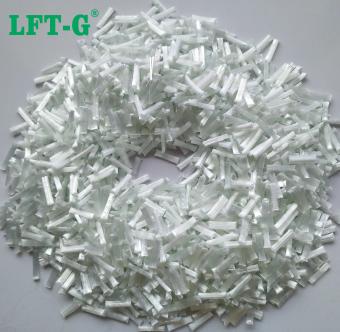
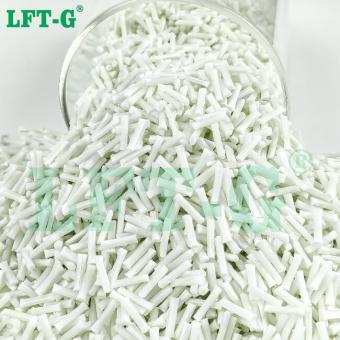
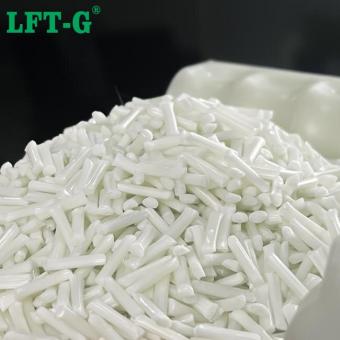
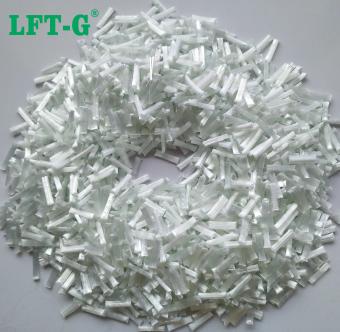
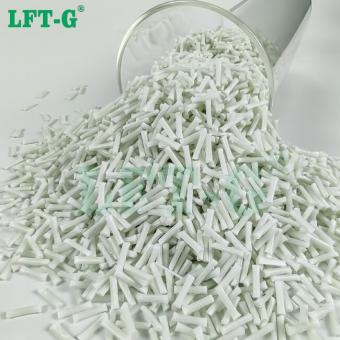
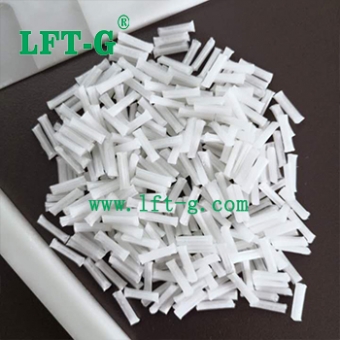
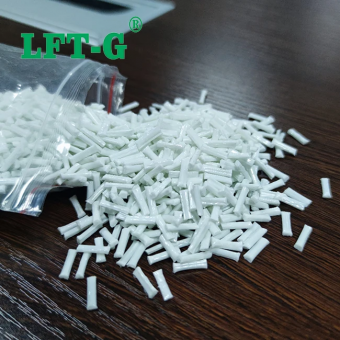
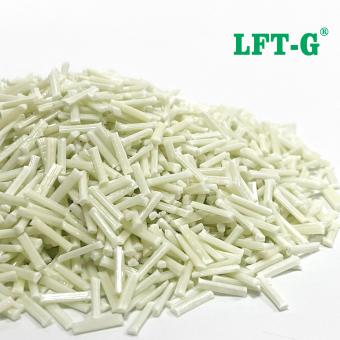
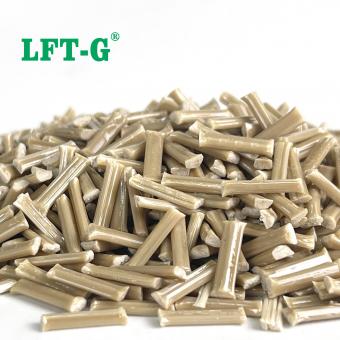
PLA Recycled Materials Green Plastics Long Glass Fiber Plastic CompoundsPLA-LGF can be processed using conventional plastic processing techniques like injection molding and extrusion, offering good adaptability in manufacturing. It is widely used in industries like automotive, consumer electronics, 3D printing, and eco-friendly packaging due to its combination of high performance and sustainability.
- gfrp price per kg
- types of fibers in composites
- long fiber thermoplastics
- wind turbine composites
- wholesale glass fiber
- glass fiber material properties
Tags :
-
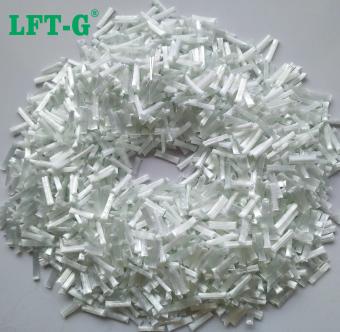
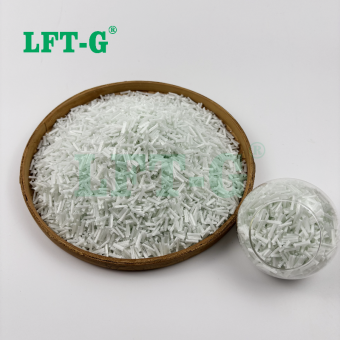
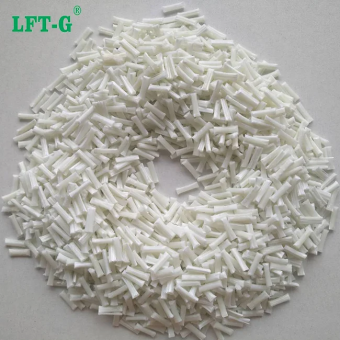
Glass Fiber Reinforced PLA Resin Pellets Injection MoldingPLA itself is an environmentally friendly thermoplastic, known for its biodegradability. However, it has limited mechanical properties, such as strength, toughness, and heat resistance. By incorporating long glass fibers, the performance of PLA is significantly improved, making it suitable for demanding applications.
- pps plastic
- long-fiber thermoplastic composite solutions
- metal replacement solutions
- pla plastic pellets
- thermoplastic glass fiber composite
- thermoplastic gfrp
Tags :
-
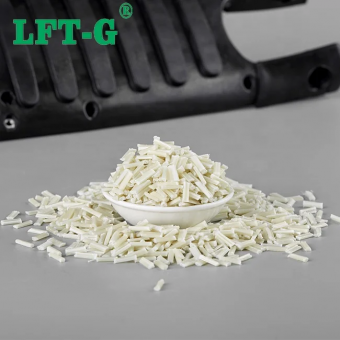
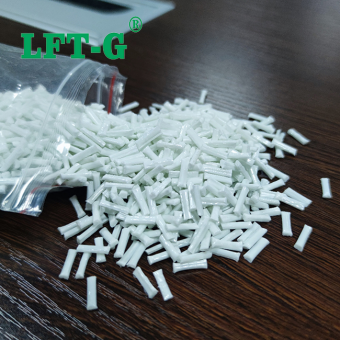
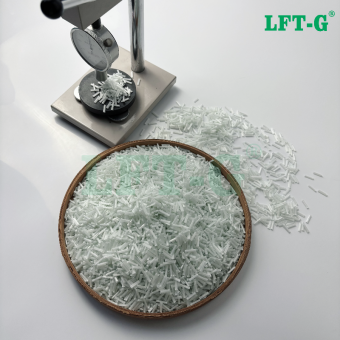
New Materials LGF Polyamide 66 Nylon for Structural ApplicationsOur PA66 Long Glass Fiber Reinforced Material is a high-performance thermoplastic composite developed for applications demanding superior mechanical strength, dimensional stability, and heat resistance. Ideal for metal replacement and high-load structural components.
- nylon pa66 gf30
- china supplier pa 66
- long fiber composites
- engineer nylon
- injection molding nylon
Tags :
-
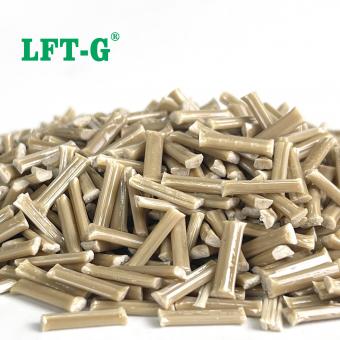
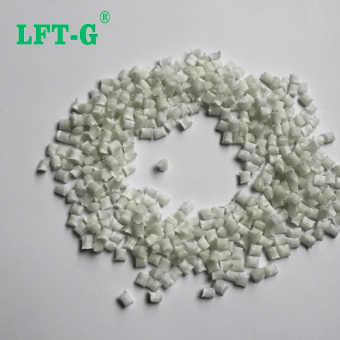
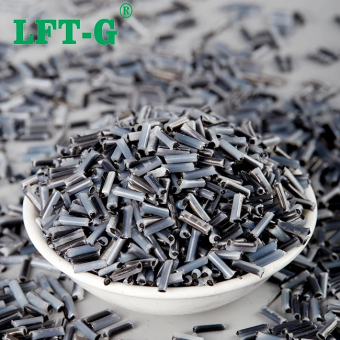
LFT Polyphenylene Sulfide PPS Manufacturer Glass Fiber filled Compounds engineeing use
- PPS thermoplastic resinforced material
- fiber filling polymer instead of metal steel
- Sample free natural plastic new GFRP
- engineering plastic structural parts
- modified resin good price low MOQ
- Car parts application bearings
Tags :
-
PP Pellets Glass FiberIn the manufacturing industry, in order to match some output products that require higher quality than usual, manufacturers will mix into PP plastic with glass fiber. These two different forms of glass enhancement are inherently tough and durable, so when mixed, glass-filled polypropylene materials become lighter and stronger.
- pp polypropylene
- polypropylene polymer
- polypropylene with glass fiber
- polypropylene polymer structure
- polypropylene homo polymer
- gfrp
Tags :
-
PP Pellets Glass FiberPolypropylene, also known as PP or polypropene, is a polyolefin or saturated polymer. It is a low-density thermoplastic with good resistance to heat. Other characteristics of PP include: chemical resistance, elasticity, toughness, fatigue resistance, and electrical insulation capability.view more
-
LFT-G engineering plastic PBT filling long glass fiber 20%-60% reinforced materials high mechanical properties good pricePBT Plastic | Long Glass Fiber Reinforced PBT (PBT-LGF) What is PBT? Polybutylene terephthalate (PBT) is a semi-crystalline engineering thermoplastic polyester. It is produced via polycondensation of 1,4-butylene glycol and terephthalic acid (PTA) or dimethyl terephthalate (DMT), forming a milky white translucent to opaque resin. PBT exhibits excellent mechanical strength, chemical resistance, thermal stability, and electrical insulation properties, making it ideal for demanding engineering applications. Basic Properties of PBT Specific gravity: 1.31 g/cm³ Melting point: 225~275°C Glass transition temperature (Tg): 22–43°C Rockwell hardness (R scale): 118 Water absorption: 0.34% Molding shrinkage: 1.7~2.3% PBT-LGF | Long Glass Fiber Reinforced PBT PBT-LGF combines PBT with long glass fibers, improving mechanical strength, fatigue resistance, dimensional stability, and creep resistance. These properties are maintained even under high-temperature conditions. Advantages of PBT-LGF Excellent mechanical strength and fatigue resistance High heat resistance: UL temperature index 120–140°C Good solvent resistance and no stress cracking Easy flame-retardant processing: UL94 V-0 achievable Excellent electrical insulation: high resistivity, dielectric strength, arc resistance Good molding and secondary processing: injection molding and extrusion Fast crystallization and good fluidity: thin walls can be processed in seconds PBT-LGF Technical Data Sheet (TDS) Applications of PBT-LGF Long glass fiber reinforced PBT is widely used in electronics, automotive, and industrial applications due to its high mechanical strength, heat resistance, electrical insulation, and dimensional stability. Electronics: fuse-less wire breakers, electromagnetic switches, transformers, appliance handles, connectors, housings Automotive: door handles, bumpers, distributor covers, fenders, wire guard shells, wheel covers Industrial parts: OA fans, keyboards, fishing reels, lampshades, and other mechanical components Processing of PBT-LGF PBT-LGF can be easily processed via injection molding or extrusion using standard equipment. Due to fast crystallization and good fluidity, mold temperatures are lower than other engineering plastics, enabling rapid processing of both thin-walled and large parts. PBT-LGF Product Details Number Color Length Sample MOQ Package Port of Loading Delivery time PBT-NA-LGF30 Natural color (customizable) 12mm (customizable) Available 1 ton 25kg/bag Xiamen Port 7-15 days after shipment Lab & Factory Frequently Asked Questions Q: Does long glass fiber injection require special molding machines or molds? A: Yes. Injection molding machines, screws, nozzles, and mold structures must meet long fiber reinforcement requirements. Q: How to prevent rough surfaces or floating fibers in PBT-LGF injection molding? A: Ensure plastic particles are fully dried and plasticized, adjust mold temperature appropriately, and polish mold surfaces for smooth finishes.
- PBT pellets lgf 30 polymer
- LFT PBT modified plastic glass fiber
- reinforced PBT for car parts gfrp
- self owing pbt pellets
- best price PBT glass fiber compounds
- composite pbt-lgf sample free
Tags :
-
Xiamen LFT PP Polypropylene engineeing plastic long glass fiber composite granules 12mmWhat is Long Glass Fiber (LGF)? Long glass fiber reinforced plastics (LFT) are engineered materials in which long glass fibers and additives are incorporated into a base thermoplastic. This significantly improves mechanical strength, heat resistance, dimensional stability, and the overall performance of the material. Why Reinforce with Long Glass Fiber? High heat resistance: LFT significantly increases the thermal performance, especially for nylon-based plastics. Reduced shrinkage & higher rigidity: Fiber reinforcement restricts polymer chain movement, improving dimensional stability and stiffness. Improved impact resistance: Reinforced plastics are less prone to stress cracking and have better toughness. High strength: Long glass fibers increase tensile, compressive, and bending strength. Flame retardancy: Most LFT materials are self-extinguishing due to additives and fiber content. Why Choose Long Glass Fiber over Short Glass Fiber? Longer fiber length significantly enhances mechanical properties. High specific stiffness and strength with excellent impact resistance, ideal for automotive applications. Superior creep resistance and dimensional stability for precision parts. Excellent fatigue resistance for long-life components. Improved stability under hot and humid environments. Minimal fiber damage during molding due to relative fiber movement in the mold. Appearance of PP-LGF Applications of PP-LGF Automotive Parts Front end modules, door modules, shift mechanisms, electronic accelerator pedals, dashboards, cooling fans, battery carriers, bumper brackets, underbody protection plates, sunroof frames, etc. – replacing reinforced PA or metal components. Household Appliances Washing machine drums, brackets, air conditioning fans, etc. – replacing short glass fiber reinforced PA and metal components. Communications, Electronics, Electrical Appliances High-precision connectors, igniter components, coil shafts, relay bases, microwave transformer frames, solenoid valve housings, scanner components, etc. Other Applications Power tool housings, water pump/meter housings, impellers, bicycle frames, skis, locomotive pedals, safety helmets, safety shoes – replacing short fiber reinforced PA or PPO. Datasheet for Reference About Us Xiamen LFT Composite Plastics Co., Ltd. is a leading supplier of Long Glass Fiber (LGF) and Long Carbon Fiber (LCF) reinforced thermoplastics. Our LFT materials support injection molding, extrusion molding, and are available in fiber lengths of 5–25mm, tailored to customer requirements. ISO9001 & IATF16949 certified, our products are patented and widely used in automotive, electronics, industrial, and defense applications. What We Offer Technical data and guidance for LFT & LFRT materials. Mold design recommendations for optimized production. Injection molding and extrusion support for consistent product quality.
- Polypropylene filling lgf GFRP 30
- thermopalstic Polymer virgin grade
- LFT-G car parts home appliance parts
- PP resin GF made in China modified plastic
- long fiber compounds pp instead metal and steel
- injection molding pp composite
Tags :
-
Nylon series Polyamide 66 Long Glass Fiber Reinforced Thermoplastic ResinPolyamide, which is also known by the trade name, Nylon, has excellent heat resistant properties, especially when combined with additives and filler materials. In addition to this, Nylon is very resistant to abrasion. Xiamen LFT offers a wide range of temperature-resistant nylons with many different filler materials. About PA66-LGF compounds Nylon 6,6, also written as nylon 6-6, nylon 66, or nylon 6/6, is a more crystalline version of nylon 6. It is also referred to as polyamide 66 or PA 66. It has improved mechanical properties due to its more ordered molecular structure. Nylon 66 for machining has improved temperature resistance and lower rates of water absorption when compared to standard nylon 6. The advantages of nylon 6,6 are that the yield strength is higher than nylon 6 and nylon 610. It has high strength, toughness, rigidity, and low coefficient of friction in a wide temperature range. In addition, it is oil resistant and resistant to chemical reagents and solvents. However, PA66 has strong hygroscopicity and poor dimensional stability, which limits its application. In order to obtain nylon 66 engineering material with higher strength, it should be modified by glass fiber reinforcement. The mechanical properties of long glass fiber reinforced nylon 66 (LGFR-PA66) are obviously better than those of short glass fiber reinforced nylon 66 (SGFR-PA66), and the molding processing performance is also better. It can be molded by various molding methods such as injection molding and compression molding, and complex components can also be formed. Therefore, long glass fiber reinforced nylon 66 can be widely used in building materials, aerospace, electronic devices, furniture and other fields, especially in the automotive industry application market. The production process of long glass fiber reinforced nylon 66 is different from that of short glass fiber reinforced nylon 66. The short glass fiber reinforced nylon 66 particle is chopped under the friction and shearing of screw and barrel, and the short glass fiber reinforced nylon 66 particle is obtained with the length of glass fiber monofilament about 0.5mm. The length of some glass fiber monofilament in the final product is lower than the critical length of reinforcement, and the glass fiber is easy to be extracted from the nylon 66 matrix when the product is stressed. The strength of glass fiber is not fully utilized, and the mechanical properties of the product are not high. Long glass fiber reinforced nylon 66 has better reinforcement effect and dimensional stability, and the rigidity, tensile, bending, impact resistance and fatigue resistance of the manufactured products are better, and the service life is longer. Materials Details Number PA66-NA-LGF Color Natural color or Customized Length 6-25 mm Package 25kg/bag MOQ 25kg Lead time 2-15 days Port of Loading Xiamen Port Trade terms EXW/FOB/CFR/CIF/DDU/DDP About Xiamen LFT Xiamen LFT Composite Plastic Co.,LTD was established in 2009, is a brand-name global suppliers of long fiber reinforced thermoplastic materials integrating product research & developmen (R&D), production and sale marketing. Our LFT products have passed the ISO9001&16949 system certification and have obtained lots of national trademarks and patents, covering the fields of automotive, military parts and firearms, aerospace, new energy, medical equipment, power wind energy, sports equipment, etc. LFT long fiber reinforced thermoplastic engineering materials,compared to ordinary short fiber reinforced thermoplastic materials (fiber length is less than 1-2 mm), the LFT process produces thermoplastic engineering material's fibers in lengths of 5-25 mm. The long fibers are impregnated with the resin through a special mold system to obtain long strips that are fully impregnated with the resin ,and then cut to the length as required. The most used base resin is PP, by PA6, PA66, PPA,PA12,MXD6,PBT,TPU,PPS, ABS,PEEK, etc. Conventional fibers include glass fiber, carbon fiber. Depending on the end use, the finished products can be used for injection molding,extrusion, molding, etc., or directly used for plastic instead of steel and thermoset products.
- PA66 PA 6.6 Enginering materials
- excellent heat resistance with filler
- injection molding products light weight
- car parts toy home applance use
- modified plastic manufacturer can be customized
- can be recylced GFRP GF30
Tags :
-
Xiamen LFT ABS (Acrylonitrile Butadiene Styrene) Long Glass Fiber Reinforced Thermoplastic CompoundsABS-LGF (Glass Fiber Reinforced ABS) Overview ABS is a versatile engineering plastic known for chemical and thermal stability, strength, toughness, and glossy finish. It is widely used in consumer products such as toys and helmets, as well as automotive applications like interior trim, housings for electronics, and more. Reinforcing ABS with glass fiber significantly improves rigidity, heat resistance, and dimensional stability. ABS-LGF composites provide excellent cost-performance balance, helping manufacturers reduce costs while meeting production needs. About ABS-LGF Compounds Applications of Modified ABS 1. Automotive Parts: Instrument panels, fenders, interiors, lights, mirrors, audio systems. 2. Electronic & Electrical Components: IT and OA equipment shells, converters, power sockets. 3. Electronic Appliances: Switches, controllers, monitors, housings, brackets. 4. Home Appliances: Electrical components, control boxes. Advantages of ABS Injection Molding High Productivity: Efficient, low-waste process ideal for high-volume manufacturing. Complex Part Design: Capable of multi-featured components, including overmolding and metal inserts. Increased Strength: ABS provides excellent mechanical strength and durability. Flexible Color & Material Options: Easily colored, painted, or electroplated to improve environmental resistance. Decreased Waste: Low-wastage production, limited to sprue, runners, and flashing. Low Labor Cost: Highly automated process reduces human intervention and lowers cost per part. Material Details Number ABS-NA-LGF Color Natural or Customized Length 6-25 mm Package 25kg/bag MOQ 25kg Lead Time 2-15 days Port of Loading Xiamen Port Trade Terms EXW / FOB / CFR / CIF / DDU / DDP About Xiamen LFT Founded in 2009, Xiamen LFT Composite Plastics Co., Ltd. is a leading global supplier of long fiber reinforced thermoplastic materials, integrating R&D, production, and marketing. Our products are ISO9001 & IATF16949 certified, patented, and applied in automotive, aerospace, medical, new energy, military, sports equipment, and more. Compared to short fiber thermoplastics (1-2 mm fibers), our LFT materials (5-25 mm fibers) are fully impregnated with resin, ensuring superior mechanical performance. Base resins include PP, PA6, PA66, PPA, PA12, MXD6, PBT, TPU, PPS, ABS, PEEK, etc. Conventional fibers include glass and carbon fibers. Finished products can be used for injection molding, extrusion, or directly replace steel and thermoset components.view more
-
Glass Fiber Reinforced PLA Resin Pellets Injection MoldingPLA itself is an environmentally friendly thermoplastic, known for its biodegradability. However, it has limited mechanical properties, such as strength, toughness, and heat resistance. By incorporating long glass fibers, the performance of PLA is significantly improved, making it suitable for demanding applications.view more
-
Glass Fiber Reinforced PLA Resin Pellets Injection MoldingPLA itself is an environmentally friendly thermoplastic, known for its biodegradability. However, it has limited mechanical properties, such as strength, toughness, and heat resistance. By incorporating long glass fibers, the performance of PLA is significantly improved, making it suitable for demanding applications.view more