e-mail
 English
 français
 Deutsch
 русский
 italiano
 español
 português
 العربية
 日本語
日本語 한국의
한국의 中文
中文


-
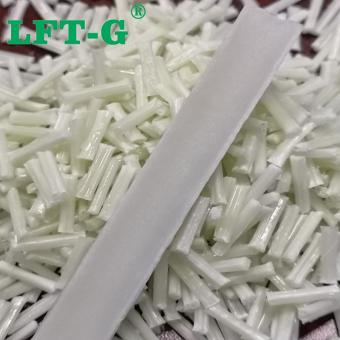
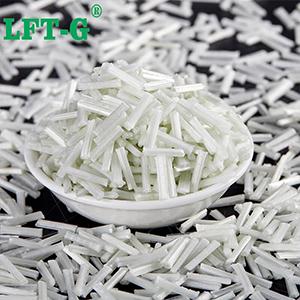
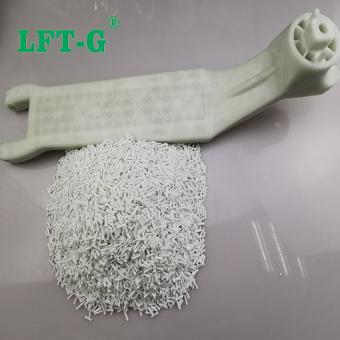
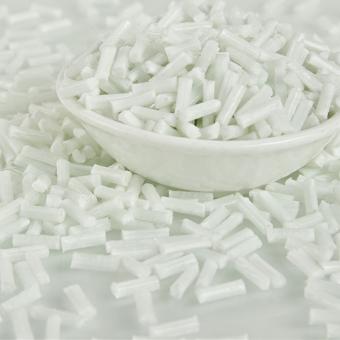
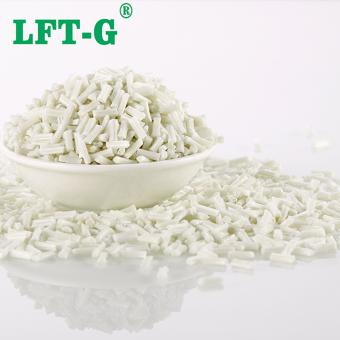
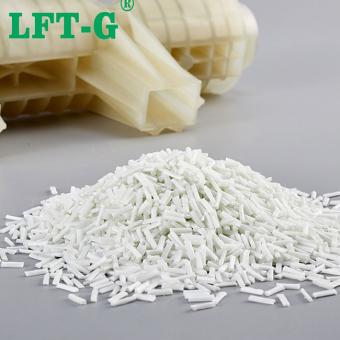
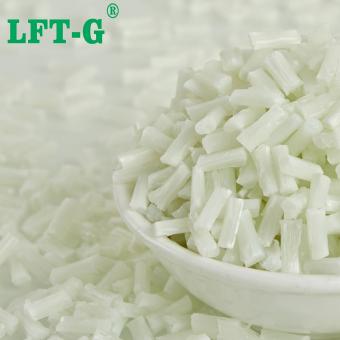
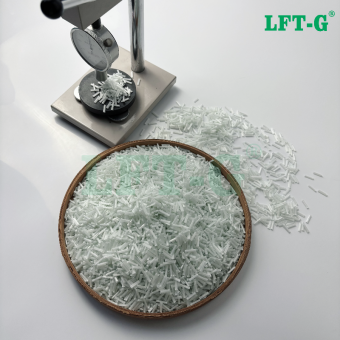
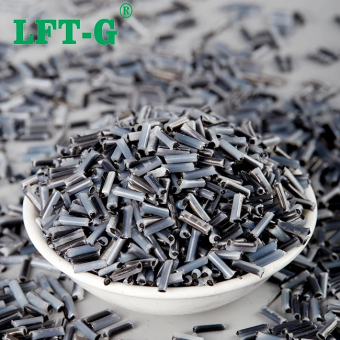
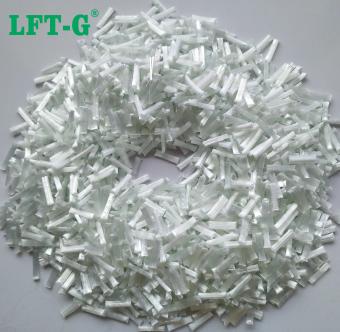
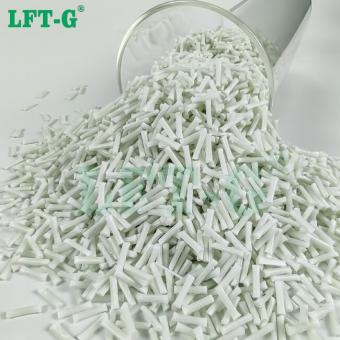
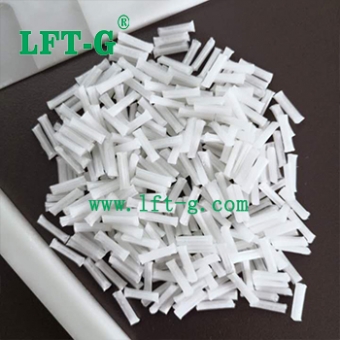
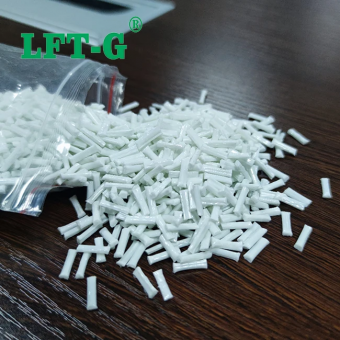
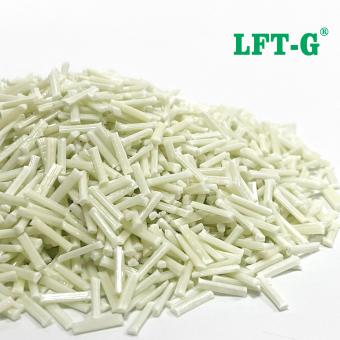
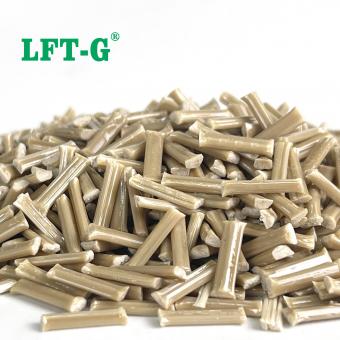
LFT High Density Polyethylene HDPE high performance Long Glass Fiber reinforcementHDPE has a higher density compared to other polyethylene variants, making it more rigid and stronger.
- Long Glass Fiber Reinforced HDPE
- High-Strength HDPE Composites
- Fiber-Reinforced Plastic (FRP) Materials
- Lightweight Composite Materials
- HDPE Composite Material Applications
- Thermoplastic Composites for Automotive
Tags :
-
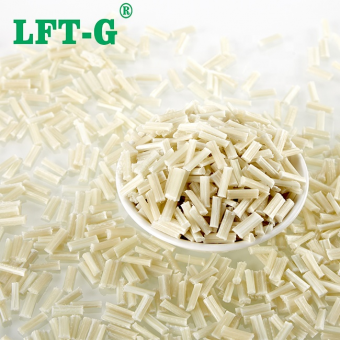
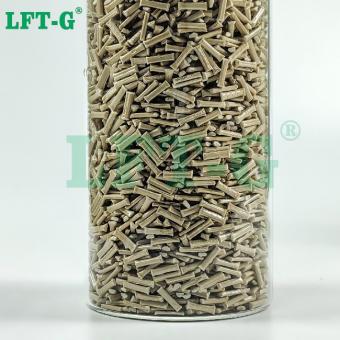
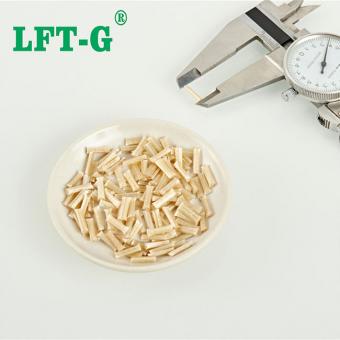
Xiamen LFT-G High toughness MXD6 composite filling long glass fiber original colorNylon - MXD6 is a kind of crystalline polyamide resin, which is synthesized by the condensation of m-benzoylamine and adipic acid.
- Crystalline nylon resin mxd6 gf good price
- Composite materials with long glass fiber mxd6
- Higher performance plastic mxd6
- Made in China products compounds mxd6
- Customized plastic fiber glass add high sstrength mxd6
- Thermoplastic resin thermoplastic resin
Tags :
-
Xiamen LFT-G Polypropylene filling long glass fiber high performance modified plastic 12mmPP-LGF Glass fiber reinforced PP, usually, the tensile strength of PP material is between 20M~30MPa, bending strength is between 25M~50MPa, bending modulus is between 800M~1500MPa. If PP is to be used in engineering structural parts, it must be reinforced with glass fiber. Glass fiber reinforced PP, through glass fiber reinforced PP product mechanical properties can be multiplied or even several times the improvement. Specifically, the tensile strength reaches 65MPa~90MPa, the bending strength reaches 70MPa~120MPa, and the bending modulus reaches 3000MPa~4500MPa. Such mechanical strength can be completely comparable with ABS and enhanced ABS products, and it is more heat resistant. Glass fiber reinforced PP, general ABS and reinforced ABS heat resistance temperature between 80℃~98℃, and glass fiber reinforced PP material heat resistance temperature can reach 135℃~145℃. PP filling modification, adding a certain amount of inorganic minerals in PP, such as talcum powder, calcium carbonate, titanium dioxide, mica, etc., can improve rigidity, improve heat resistance and luster; Filling carbon fiber, boron fiber, glass fiber can improve the tensile strength; Adding flame retardant can improve flame retardant property. Filling antistatic agent, colorant, dispersant, etc. can improve the antistatic property, colorability and fluidity, etc.; Filling nucleating agent can speed up the crystallization speed, increase the crystallization temperature, form more and smaller spherical crystals, thus improving the transparency and impact strength. Therefore, the filler has a significant effect on improving the performance of plastic products, improving the plastic molding processability and reducing the cost. Application As one of the four general plastic materials, PP has excellent comprehensive performance, good chemical stability, better molding performance and relatively low price; But it also has the strength, modulus, hardness is low, low temperature impact resistance strength is poor, forming shrinkage, easy aging and other shortcomings. Therefore, it must be modified so that it can adapt to the demand of the product. The modification of PP material is generally through adding mineral reinforcement toughening, weather resistance modification, glass fiber reinforcement, flame retardant modification and super toughness modification, and each kind of modified PP has a large number of applications in the field of household appliances. Glass fiber reinforced PP, can be used to make refrigerators, air conditioning refrigeration machines such as axial flow fans and cross flow fans. In addition, it can also be used to manufacture the inner drum of high speed washing machine, wave wheel, belt wheel to adapt to its high requirements on mechanical properties, for the rice cooker base and handle, electronic microwave oven and other places with high requirements on temperature resistance. Glass fiber reinforced PP. Ordinary short glass fiber reinforced PP, because the glass fiber contains short, easy warping, low impact strength, easy deformation when heated, long glass fiber can overcome the above defects of short glass fiber, and the product has a better surface, higher temperature, higher impact strength, can be used in refrigerators and kitchen appliances with high heat resistance. Glass fiber reinforced PP is on the basis of the original pure PP, adding glass fiber and other additives, so as to improve the scope of use of materials. Generally speaking, most glass fiber reinforced materials are used in the structural parts of the product, which is a kind of structural engineering materials. Datasheet Cases Xiamen LFT composite plastic Co., Ltd. Xiamen LFT Composite Plastic Co.,LTD was established in 2009, is a brand-name global suppliers of long fiber reinforced thermoplastic materials integrating product research & development(R&D), production and sale marketing. Our LFT products have passed the ISO9001&16949 system certification and have obtained lots of national trademarks and patents, covering the fields of automotive, military parts and firearms, aerospace, new energy, medical equipment, power wind energy, sports equipment, etc.
- long glass fiber polypropylene high performance
- pp injection molding composite
- PP resin compounds LFT GF
- pp lgf lft thermoplastic resin made in China
- lgf filling pp raw materials sample available
- pp industry use lft green materials
Tags :
-
LFT-G PA6 Polyamide6 nylon6 filling long glass fiber40 orginal color for automotive partsPA6 & PA6-LGF Long Glass Fiber Reinforced Nylon PA6, also known as Nylon 6, is a high-performance polyamide widely used in engineering plastics, fibers, and films. It is a thermoplastic polymer with repeating amide groups (-NH-CO-) in the main chain, offering strong mechanical properties and versatile processing capabilities. What is PA6 Plastic? PA6 is an aliphatic polyamide that provides excellent strength, wear resistance, and chemical resistance to weak acids, alkalis, and certain organic solvents. Its lightweight and processable nature make it widely applied in fibers, engineering plastics, and thin films. However, the polar amide groups in PA6 easily form hydrogen bonds with water molecules, which can result in high moisture absorption, dimensional changes, and reduced impact strength in dry or low-temperature conditions. Advantages of PA6 High mechanical strength and toughness with excellent tensile and compressive properties Outstanding fatigue resistance, maintaining strength after repeated bending High softening point, heat resistant Low friction and wear-resistant surface Corrosion resistance to alkalis, salts, weak acids, oils, and most solvents Self-extinguishing, non-toxic, odorless, and good weather and biological resistance Excellent electrical insulation even in high humidity environments Lightweight, easy to dye, and easy to mold due to low melting viscosity Limitations of PA6 High moisture absorption (up to 3% when saturated) Poor light and thermal stability; prolonged high-temperature exposure may cause discoloration and surface cracking Strict injection molding requirements; trace moisture can affect product quality Dimensional stability is sensitive to thermal expansion and wall thickness variations Not resistant to strong acids or oxidizing agents; unsuitable for acid-resistant applications Why Reinforce PA6 with Long Glass Fiber? To overcome the natural limitations of PA6, long glass fiber (LGF) reinforcement is applied. PA6-LGF composites combine the lightweight, chemical, and heat resistance of PA6 with the mechanical strength and dimensional stability of long glass fibers. LGF reinforcement improves tensile, compressive, and flexural strength, reduces shrinkage, enhances fatigue resistance, and provides improved thermal and chemical stability. This makes PA6-LGF ideal for high-performance structural components. Applications of PA6-LGF PA6 reinforced with 30% long glass fiber (30% LGF) is widely used in: Power tool shells and components Engineering machinery parts Automobile structural and functional components The composite improves mechanical strength, dimensional stability, heat resistance, aging resistance, and fatigue resistance. Its fatigue strength can be up to 2.5x that of unreinforced PA6. Processing and Forming Tips for 30% PA6-LGF Shrinkage is reduced to ~0.3% compared with 1–1.5% for pure PA6. Excessive fiber content may cause surface floating fibers and poor compatibility. 30% LGF is recommended for balanced performance. Recycled material content should be kept below 25% to avoid color and mechanical property degradation. Gradual cooling after molding prevents warping due to fiber orientation during injection molding. Mold design, gate position, and temperature control are critical. Customers & Staffs Certificates
- Polyamide 6 composite
- lgf thermoplastic resin
- High impact PA6
- injection molding plastic
- pa6 filling long glass fiber
- Reinforced plastic
Tags :
-
LFT-G modified nylon66 PA66 filling long glass fiber compounds electronic appliancesPA66-LGF Long Glass Fiber Reinforced Nylon PA66, or Nylon 66, is a high-performance polyamide widely used in engineering plastics. It offers excellent mechanical properties including tensile strength, flexural strength, and impact resistance, along with superior thermal and chemical stability. With lightweight, high wear resistance, good electrical insulation, and self-extinguishing properties, PA66 is ideal for automotive, electrical, industrial equipment, and construction applications. Why Reinforce PA66 with Long Glass Fiber? While PA66 is versatile, it has limitations: high water absorption, low compressive strength when wet, poor alkali resistance, and potential deformation at ultra-low temperatures. Long glass fiber (LGF) reinforcement addresses these challenges. Adding LGF significantly improves impact resistance, thermal deformation resistance, mechanical performance, molding processability, and chemical resistance. LGF acts as a robust internal skeleton, enhancing the durability and reliability of PA66 components. PA66-LGF Technical Datasheet *The datasheet is tested by Xiamen LFT and provided for reference only.* Applications of PA66-LGF PA66 reinforced with 30% long glass fiber is ideal for high-performance applications such as: Automotive components and structural parts Power tool housings and mechanical parts Industrial equipment components For specialized applications, please consult our technical team. PA66-LGF Product Details Number Color Length Sample MOQ Port of Loading Delivery Time Payment Terms PA66-NA-LGF30 Original color (customizable) 12mm (customizable) Available 25kg Xiamen Port 7-15 days after shipment Discussed Xiamen LFT Composite Plastic Co., Ltd Xiamen LFT Composite Plastic Co., Ltd. is a leading manufacturer specializing in long fiber reinforced thermoplastics (LFT & LFRT), including Long Glass Fiber (LGF) and Long Carbon Fiber (LCF) series. Our thermoplastic LFT can be applied in LFT-G injection molding, extrusion molding, and LFT-D molding. We provide products according to customer requirements with fiber lengths from 5 to 25mm. Our continuous infiltration reinforced thermoplastics have passed ISO9001 & 16949 certifications and hold numerous national patents and trademarks. Our Services Technical parameters and leading-edge design of LFT & LFRT materials Mold front design recommendations Technical support for injection molding and extrusion molding processes
- Low warpage electronic appliance
- self owing pa66 pellets
- high strength and high toughness reinforced pa66 pellets
- best long glass fiber pa66 lgf30 granules
- PA66 6 twin screw lgf pellets
- Long Fiber PA66 granules Application
Tags :
-
PLA Polylactic acid compounds long glass fiber thermoplastic resin for engineeringPLA & LGFPLA – Eco-Friendly and Reinforced Bioplastics PLA (Polylactic Acid) is a non-natural polyester and one of the most promising "green plastics." Known for its biocompatibility, biodegradability, and high mechanical strength, PLA can be completely degraded by microorganisms into CO₂ and water, making it non-toxic and environmentally friendly. PLA offers mechanical properties similar to polypropylene, while providing the gloss, clarity, and processability of polystyrene. With a lower processing temperature than polyolefins, PLA can be molded via injection molding, extrusion, blow molding, spinning, and other general plastic processes. Its applications range from disposable packaging and fibers to nonwovens, and extend to medical, chemical, pharmaceutical, and 3D printing industries. Long Glass Fiber Reinforced PLA (LGFPLA) Glass fiber is an inorganic non-metallic material with excellent insulation, heat resistance, corrosion resistance, and mechanical strength. When used to reinforce PLA, it creates Long Glass Fiber PLA (LGFPLA), a high-performance thermoplastic composite with glass fibers 10–25mm long, forming a 3D structure for superior strength and stability. LGFPLA is available as columnar pellets, typically 12mm (for injection molding) or 25mm (for compression molding) in length, with glass fiber content from 20% to 60%. Colors can be customized to match client requirements. Advantages of LGF vs SGF (Long Fiber vs Short Fiber PLA) Longer fiber length improves mechanical properties and part durability. High specific stiffness and strength, with excellent impact resistance — ideal for automotive parts. Improved creep resistance and dimensional stability for precise molding. Outstanding fatigue resistance and long-term reliability. Stable performance in high temperature and humid environments. Minimal fiber damage during molding due to fiber mobility within the mold. Technical Specifications Product Number Color Length Fiber Specification Package Sample Port of Loading Delivery Time PLA-NA-LGF Natural or customizable 6–25mm 20%–60% 25kg/bag Available Xiamen Port 7–15 days after shipment Lab & Factory Xiamen LFT Composite Plastic Co., Ltd. Xiamen LFT Composite Plastic Co., Ltd. specializes in developing and producing long glass fiber (LGF) and long carbon fiber (LCF) reinforced thermoplastic composites (LFT-G, LFRT, LFT). Our materials are lightweight, high-strength, impact-resistant, and environmentally friendly, offering excellent corrosion and chemical resistance along with superior molding performance. Our products are used across industries including automotive, aerospace, military, electrical, medical, sports equipment, and daily consumer goods, producing components such as gears, rollers, pulleys, pump impellers, fan blades, and more.
- PLA reinforced plastic lgf production pla
- LFT-G PLA injection mold modified materials
- long glass fiber compounds pla resin basic
- PLA pellets of long fiber 30 made in China
- Self owing PLA polymers manufacturer direct sell
- PLA pure pellets virgin grade lft
Tags :
-
LFT-G industry use HDPE filling LGF 30%-60% high toughness pellets 12mm sample freeHDPE Plastic | Long Glass Fiber Reinforced HDPE What is HDPE? High Density Polyethylene (HDPE) is a granular thermoplastic material that is non-toxic, odorless, and highly crystalline (80% - 90%). It has a softening point of 125–135°C and can be used at temperatures up to 100°C. Compared with Low-Density Polyethylene (LDPE), HDPE has superior hardness, tensile strength, creep resistance, wear resistance, electrical insulation, toughness, and cold resistance. It also offers excellent chemical stability, being insoluble in any organic solvents at room temperature and resistant to corrosion from acids, alkalis, and various salts. Long Glass Fiber Reinforced Plastics (LGF) Long glass fiber reinforced plastics (LGF plastics) are created by adding long glass fibers and other additives to pure plastics. This reinforcement significantly improves the material's mechanical and thermal properties, making it suitable for structural and engineering applications. LGF plastics are commonly used with materials such as PP, ABS, PA66, PA6, HDPE, PPA, TPU, PEEK, PBT, and PPS. Advantages of Long Glass Fiber Reinforced Plastics Increased heat resistance: Glass fibers improve the high-temperature performance of plastics, especially in nylon-based materials. Reduced shrinkage and increased rigidity: Fiber reinforcement restricts polymer chain movement, improving dimensional stability. Improved impact resistance: Reinforced plastics resist stress cracking and have higher toughness. Enhanced strength: Tensile, compression, and bending strength are significantly improved due to the high-strength glass fibers. Flame retardancy: Addition of fibers and additives reduces flammability, making most reinforced plastics non-ignitable. HDPE / LGF Datasheet Contact Us For more information about HDPE plastic and long glass fiber reinforced HDPE materials, please contact our sales team. We provide technical support, custom solutions, and sample requests for your industrial and engineering applications.
- HDPE filling long glass fiber white color
- high performance hdpe with lgf
- injection molded plastic hdpe virgin
- Original color 10-12mm hdpe pellets polymer resin
- engineering plastic can be recycled hdpe
- thermoplastic compounds hdpe high rigidity
Tags :
-
MXD6 filling Long glass fiber30 high toughness injection molding natural color sample availableMXD6 Plastic | Long Glass Fiber Reinforced MXD6 (MXD6-LGF) What is MXD6? Polyadipyl-m-benzoylamine, commonly referred to as MXD6 or nylon MXD6, is a high-performance engineering thermoplastic. Compared to other engineering plastics, MXD6 has higher mechanical strength and modulus. It is also a special high barrier nylon, with excellent resistance to oxygen and carbon dioxide. Unlike PVDC or EVOH, its barrier performance is not affected by temperature or humidity, making MXD6 ideal for high-temperature and humid conditions. Structural and Mechanical Performance MXD6 nylon exhibits high strength, high rigidity, high thermal deformation temperature, low thermal expansion, excellent dimensional stability, and low water absorption. Its mechanical properties change minimally after water absorption. MXD6 has low shrinkage for precision forming, excellent paintability at high temperatures, and outstanding barrier properties. Advantages of MXD6 Maintains high strength and rigidity over a wide temperature range High heat deflection temperature with low thermal expansion coefficient Low water absorption and minimal mechanical property reduction Small molding shrinkage, suitable for precision molding processes Excellent paintability, especially at high temperatures Outstanding barrier to oxygen, carbon dioxide, and other gases MXD6-LGF | Long Glass Fiber Reinforced MXD6 MXD6 can be compounded with long glass fibers, carbon fibers, minerals, and advanced fillers to produce composites with 50-60% glass fiber reinforcement. This results in exceptional strength and stiffness while maintaining a smooth, resin-rich surface ideal for painting, metal coating, or reflective housings. Key Advantages of MXD6-LGF High fluidity for thin walls: Can fill walls as thin as 0.5 mm even with 60% glass fiber content. Excellent surface finish: Resin-rich surfaces provide high gloss appearance despite high fiber content. Very high strength and stiffness: Comparable to many cast metals and alloys with 50-60% glass fiber. Good dimensional stability: Low shrinkage and tight tolerances; coefficient of linear expansion similar to many metals. MXD6-LGF TDS (Technical Data Sheet) Applications of MXD6-LGF MXD6-LGF replaces metals for high-quality structural parts in automotive, electronics, and electrical appliances. It performs well in environments requiring high mechanical strength and oil resistance, operating at 120–160℃ long-term. With glass fiber reinforcement, MXD6 maintains heat resistance up to 225℃, suitable for cylinder blocks, cylinder heads, pistons, and synchronous gears of automotive engines. MXD6/PPO alloys offer high temperature resistance, high strength, wear resistance, oil resistance, and excellent dimensional stability, enabling metal replacement in automotive body panels, fenders, wheel covers, and complex curved parts. About Us
- long glass fiber MXD6
- long fibre reinforced thermoplastics
- long glass fiber reinforced plastics granules
- MXD6 LGF
- glass fiber reinforced plastics granules
- MXD6 compounds
Tags :
-
Xiamen LFT-G PLA Polylactic acid composite long glass fiber filling thermoplastic resin original colorPLA Plastic | Long Glass Fiber Reinforced PLA (PLA-LGF) What is PLA? Polylactic acid (PLA) is a biodegradable and eco-friendly polymer plastic, produced via pollution-free processes. PLA can naturally degrade and recycle in the environment, making it an ideal green polymer material and one of the most representative biodegradable plastics. PLA Structure and Heat Resistance The molecular structure of PLA affects its heat resistance, toughness, mechanical strength, degradability, and biocompatibility. PLA has a spiral molecular chain with low activity, resulting in slow crystallization after injection molding and relatively poor heat resistance. During hot processing, ester bonds may break partially, generating terminal carboxyl groups that accelerate thermal degradation. Long Glass Fiber (LGF) Reinforced PLA Reinforcing PLA with long glass fibers (PLA-LGF) improves mechanical strength, rigidity, and heat resistance. The fibers act as skeleton support, restricting polymer chain movement during heating and increasing thermal stability. Types of Fibers for PLA Reinforcement Fibers used for PLA enhancement include: Natural plant fibers: sisal, flax, linen, bamboo, coconut, wood fiber Animal fibers: silk Mineral fibers: basalt fiber Chemical fibers: glass fiber, carbon fiber Glass fiber and carbon fiber are widely used due to their high strength and modulus, while natural fibers are favored for biodegradability and renewable sources. Modified fibers blended with PLA have shown Vicat softening temperatures exceeding 140°C. Compared with Short Fiber (SGF) Long glass fiber reinforced PLA demonstrates superior mechanical properties compared with short fiber (SGF) reinforced PLA. It is more suitable for large structural parts, offering 1–3 times higher toughness and 0.5–1 times greater tensile strength and rigidity. Injection Molding of PLA-LGF Lab & Testing Warehouse & Storage Certification About Xiamen LFT Composite Plastic Co., Ltd. Xiamen LFT Composite Plastic Co., Ltd. specializes in long fiber reinforced thermoplastics (LFT) including PLA
- PLA composite plastic can be recycled
- polyactic acid materials injection molding
- modified pla compounds
- pla long glass fiber reinforced plastic resin
- long glass fiber filling pla sample available
- lft-g pla lgf low warpage
Tags :
-
High strength PA12 nylon12 composite lgf virgin white color for automotiveProduct number: PA12-NA-LGF Fiber specification: 20%-60% Product feature: High strength, High toughness and durability Product application: Suitable for automotive, sports parts, solar energy, photovoltaic industry and other industries.
- Nylon12 filling long glass fiber reinforced plastic
- Durability high mechanical properties
- Photovoltaic industry compounds
- Injection grade thermoplastic resin
- 24h service customized plastic instead metal
- Supplier price good price pa6 composites
Tags :
-
LFT-G PPS Polyphenylene sulfide LGF composite long glass fiber customized engineering plasticsPPS & PPS-LGF | High Performance Engineering Plastic body { font-family: Arial, Helvetica, sans-serif; line-height: 1.6; color: #333; } h2 { font-size: 24px; margin-top: 40px; } h3 { font-size: 20px; margin-top: 25px; } p { font-size: 16px; margin: 12px 0; } ul { font-size: 16px; margin-left: 20px; } table { width: 100%; border-collapse: collapse; margin-top: 20px; } table, th, td { border: 1px solid #000; } th, td { padding: 10px; text-align: center; font-size: 16px; } img { max-width: 100%; margin: 20px 0; } What Is PPS? Polyphenylene Sulfide (PPS) is a high-performance engineering thermoplastic known for its excellent heat resistance, chemical stability, flame retardancy, and mechanical strength. Through reinforcement and modification, PPS offers a well-balanced combination of physical, mechanical, and electrical properties. PPS features outstanding dimensional stability, corrosion resistance, and electrical insulation performance, making it suitable for harsh industrial environments. Key Characteristics of PPS Excellent high-temperature resistance High hardness and wear resistance Strong creep resistance under long-term load Excellent electrical properties over a wide temperature range Low sensitivity of mechanical properties to temperature changes Unmodified PPS is naturally brittle and has relatively low impact strength. These limitations can be effectively overcome through fiber reinforcement and material modification. What Is PPS-LGF? PPS-LGF refers to Polyphenylene Sulfide reinforced with Long Glass Fiber. Among engineering plastics, PPS-LGF stands out for its superior heat resistance, structural strength, and long-term reliability. Heat deflection temperature (HDT) above 260°C Chemical resistance second only to PTFE Low molding shrinkage and extremely low water absorption Excellent flame retardancy and vibration fatigue resistance Outstanding electrical insulation even in high humidity and high-temperature environments By incorporating long glass fibers, PPS-LGF significantly improves toughness and impact strength, overcoming the brittleness of pure PPS and delivering excellent comprehensive performance. In many applications, PPS-LGF can replace metals such as stainless steel, copper, aluminum, and alloys—making it an ideal material for metal replacement and lightweight design. Applications of PPS-LGF PPS-LGF is widely used in industries requiring high strength, heat resistance, and chemical stability, including: Automotive components Aerospace structures Household appliances Mechanical and structural parts Chemical processing equipment Electrical insulation and corrosion-resistant components Product Details Grade Color Pellet Length MOQ Packaging Sample Delivery Time Port of Loading PPS-NA-LGF30 Natural (Customizable) ≥ 5–25 mm 25 kg 25 kg / bag Available 7–15 days after shipment Xiamen Port Production Process Our PPS-LGF materials are produced using advanced long-fiber impregnation technology, ensuring excellent fiber length retention, uniform dispersion, and stable mechanical performance. Trademarks and Patents Our materials are supported by proprietary technologies, registered trademarks, and patented processes to ensure consistent quality and reliable performance. Teams and Customers Backed by an experienced R&D and production team, our PPS-LGF materials are trusted by customers worldwide across automotive, industrial, and electrical sectors. What We Offer LFT & LFRT material technical data and advanced design support Mold-front design recommendations and optimization Professional technical support for injection molding and extrusion processing
- PPS Long glass fiber 40
- pps compounds lgf
- pps resin materials lft
- lft-g pps reinforced plastic
- long glass fiber filling pps
- termoplastic resin pps lgf
Tags :
-
Xiamen LFT high temperature resistance Polyphenylene sulfide PPS filled long glass fiber polymerPolyphenylene Sulfide (PPS) PPS (polyphenylene sulfide) is a high-performance engineering plastic with metal-like hardness, excellent strength, and exceptional thermal, chemical, and electrical resistance. It offers flame retardancy (V0), low warping, and high wear resistance. Compared with metals, PPS is lightweight, which is ideal for vehicles, ships, and aircraft. PPS combines high strength with low weight, excellent corrosion resistance, and outstanding insulation properties even under high temperature, high humidity, and high-frequency conditions. PPS is also wear-resistant, suitable for self-lubricating bearings, gears, and seals, and allows one-step molding unlike metals which require multiple processes. Long Glass Fiber Compounds Our "Center Fill" LFT compounds are produced by impregnating thousands of glass fiber filaments with molten PPS resin, then cutting the resultant material into pellets. This process ensures uniform fiber distribution and superior mechanical properties. Significantly improved impact resistance Increased stiffness and strength Excellent heat resistance Improved creep and wear characteristics Reduced warpage and deformation Enhanced properties of recycled crystalline and amorphous resins Technical Details Name Fiber Content Color Length MOQ TDS FOB Price Delivery Polyphenylene sulfide filled long glass fiber polymer 20%-60% Natural color / Customized 6-25mm 25KG/Bag Contact us for TDS USD 8.8-11.1/KG By ship or air Company Profile Xiamen LFT Composite Plastic Co., LTD, established in 2009, is a leading global supplier of long fiber reinforced thermoplastic materials, integrating R&D, production, and marketing. Our LFT products are ISO9001 & IATF16949 certified, with numerous national trademarks and patents, serving automotive, aerospace, military, new energy, medical, wind power, and sports equipment sectors. Other Materials You May Be Interested In PA66-NA-LGF PPA-NA-LCF PA12-NA-LGF
- Exceptional mechanical strength Polyphenylene sulfide plastic
- LFT PPS long glass fiber reinforced thermoplastic resin pellets
- PPS plastic granules high strength made in China
- PPS can be customized long cut fiber filament
- hot sell light weight plastic instead metal and steel
- engineering used plastic PPS good appearance gfrp
Tags :