e-mail
 English
 français
 Deutsch
 русский
 italiano
 español
 português
 العربية
 日本語
 한국의
 中文


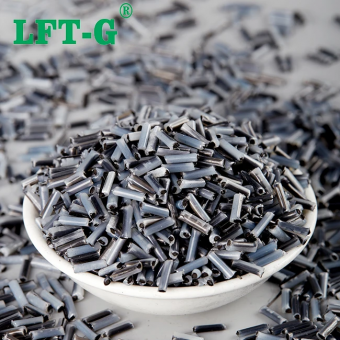
-
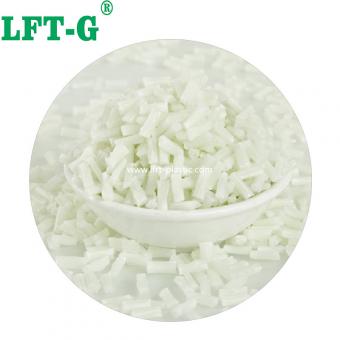
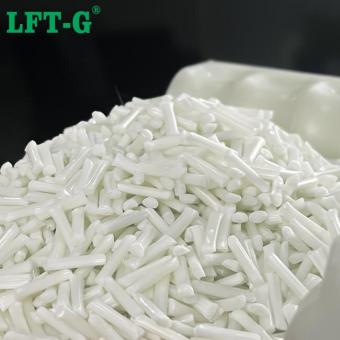
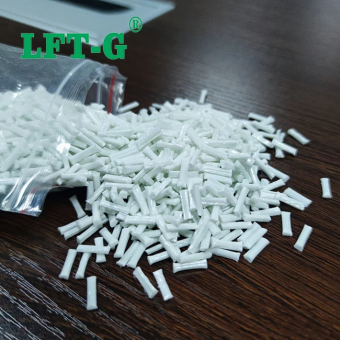
Polyamide Glass fiber Plastic materials Nylon PA66Nylon PA6 Polyamide Long Glass Fiber Plastic Materials; Nylon6 resin with glass fiber Long composite plastics;view more
-
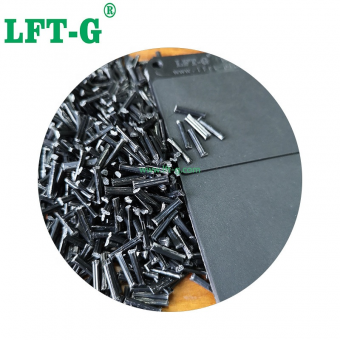
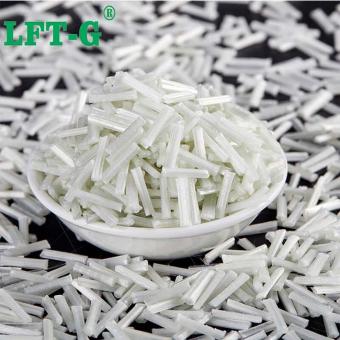
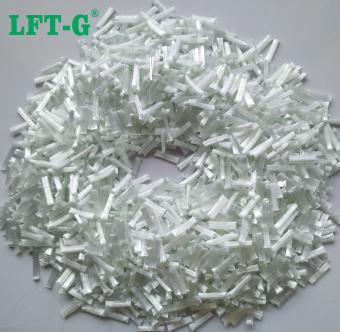
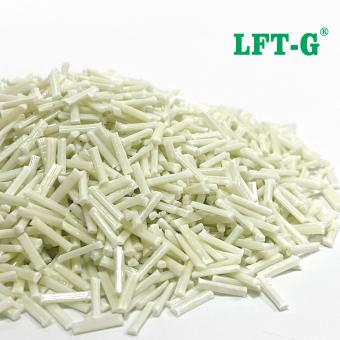
PA6 compound PA6 Nylon industria Materials long glass fiber Polyamide NylonNylon PA6 Polyamide Long Glass Fiber Plastic Materials; Nylon6 resin with glass fiber Long composite plastics;view more
-
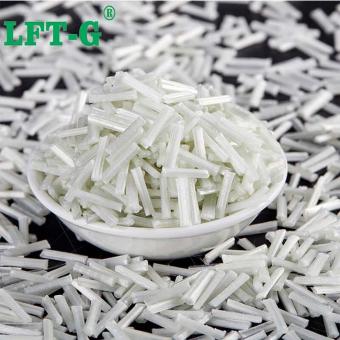
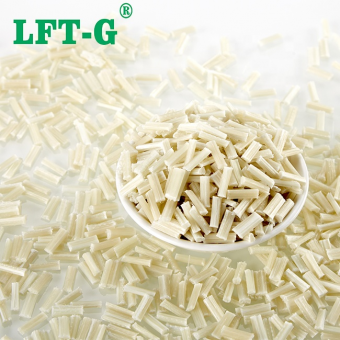
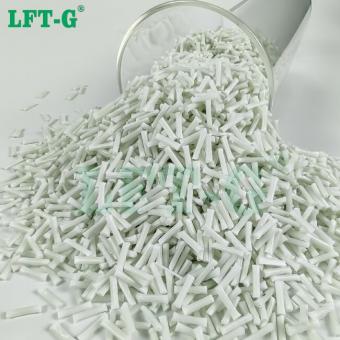
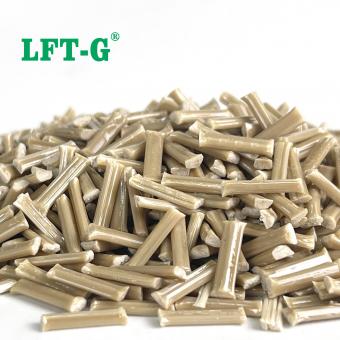
PA6 LGF long glass fiber reinforced polymer pellets PA6Nylon PA6 Polyamide Long Glass Fiber Plastic Materials; Nylon6 resin with glass fiber Long composite plastics;view more
-
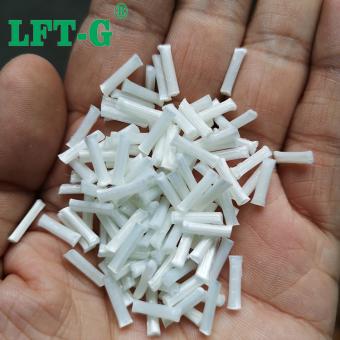
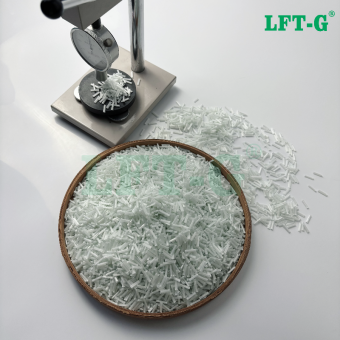
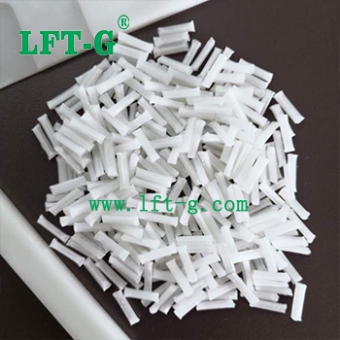
long glass fiber reinforced PA6 polymer pellets 人诶念佛如厕的、Nylon PA6 Polyamide Long Glass Fiber Plastic Materials; Nylon6 resin with glass fiber Long composite plastics;view more
-
PA6 66 Nylon polymer lgf Polyamide pa6 66 pelletsPA6 66 Nylon polymer long glass fiber thermoplastic reinforece pellets
- Nylon Pellets melt temperature PA6
- Lgf 40 Glass fiber PA6 66
- Injection molding p plastic PA6 66 Pellets
- PA66 6 twin screw lgf pellets
- pa6 impact strength
- pa6 material pa66 Nylon
Tags :
-
High Price Performance Long glass fiber PA66 polyemrPA66 filling long glass fiber reinforced thermoplastic material and has high performance
- pa66 long fiber reinforced polymer
- pa66 long fiber composites
- long fiber pa66 polyamide material
- High quality long glass fiber PA66
- PA66 nylon 66 virgin granules
- polyamide reinforced composite
Tags :
-
LFT Long Glass Fiber20% PA66 Polyamide Nylon 66 Reinforced Thermoplastic PelletsProduct Name:PA66 LGF20, Nylon 66 Fiber Reinforced Plastic, Polyamide 66 composite Form: Length about 12mm, High strength, High toughness Advantage: More than 20 years experience product in fiber reinforced plastic .view more
-
LFT PA66 GF30 Nylon 66 Fill Long Glass Fiber 30% High Mechanical MaterialsProduct Name:PA66 LGF30, Nylon 66 Fiber Reinforced Plastic, Polyamide 66 composite Form: Length about 12mm, High strength, High toughness Advantage: More than 20 years experience product in fiber reinforced plastic .
- PA66 nylon 66 GF30
Tags :
-
LFT PA66 Reinforced With 40% Long Glass Fiber MaterialsProduct Name:PA66 LGF40, Nylon 66 Long Fiber Reinforced Plastic, Polyamide 66 composite Form: Length about 12mm, High strength, High toughness Advantage: More than 20 years experience product in fiber reinforced plastic .
- Pa66 long glass fiber 40% reinforced
- Pa66 long fiber composites
- Long fiber pa66 polyamide material
- PA66 GF35 Granules
- Polyamide Nylon 66 Long Fiber Composite
Tags :
-
LFT Polyamide6 long glass fiber reinforced plasticPA66 Long Glass Fiber Reinforced (PA66-LGF) Nylon (PA) offers a combination of excellent properties, including high mechanical strength, chemical resistance, oil resistance, wear resistance, self-lubrication, and good processability. As a result, nylon has become one of the most widely used engineering thermoplastics in many industrial applications. However, the performance requirements of nylon vary depending on the application, operating conditions, and service environment. For example, components such as electric drill housings, motor housings, pump impellers, bearings, diesel engine components, and air-conditioning fan blades may require high strength, rigidity, and dimensional stability. Since unmodified nylon can exhibit reduced toughness at low temperatures, impact modification may be required for certain applications. For long-term outdoor use, weather-resistant modification may also be necessary. The most commonly used reinforcing materials for nylon include glass fiber, carbon fiber, and various other fibrous materials. Among them, glass fiber reinforcement is one of the most widely adopted solutions. Adding glass fiber can significantly improve the stiffness, strength, hardness, dimensional stability, and heat resistance of nylon. Depending on the required mechanical performance and application, glass fiber content can typically range from approximately 20% to 50%. Grades with around 30% glass fiber are commonly used for a balance of strength, stiffness, processability, and cost, while higher fiber contents can be selected when greater mechanical performance is required. Production Technology of Glass Fiber Reinforced Nylon Long glass fiber reinforced nylon can be manufactured using a specialized compounding process designed to maintain a relatively long fiber length within the polymer matrix. During the production process, nylon resin and other formulation components are prepared and fed into the compounding system, while continuous glass fiber is introduced through a dedicated fiber feeding system. The glass fiber is impregnated and combined with the molten nylon resin under controlled processing conditions. Proper control of screw configuration, temperature, feeding rate, and shear is important for achieving good fiber distribution while minimizing unnecessary fiber breakage. Factors Affecting the Properties of Glass Fiber Reinforced Nylon 1. Glass Fiber and Nylon Interfacial Bonding The interfacial bonding between glass fiber and nylon resin is one of the most important factors affecting the performance of glass fiber reinforced nylon. If the adhesion between the fiber and polymer matrix is insufficient, the reinforcing efficiency can be significantly reduced. Therefore, appropriate glass fiber surface treatment and sizing technology are important. Glass fiber manufacturers can provide different surface treatments and sizing systems designed for specific polymer matrices, allowing compounders to select a suitable fiber type for the target nylon formulation. 2. Glass Fiber Length The length of glass fiber retained in the nylon matrix is another important factor affecting mechanical performance. In general, long glass fiber reinforced nylon can provide advantages over conventional short glass fiber materials in terms of tensile strength, flexural strength, stiffness, dimensional stability, and impact performance. 3. Glass Fiber Dispersion Uniform glass fiber dispersion is also critical to achieving consistent material performance. It is influenced by the screw configuration, screw speed, residence time, processing temperature, and formulation. Excessive shear can cause unnecessary fiber breakage, reducing the effective fiber length and potentially affecting the mechanical properties of the final product. Therefore, processing conditions should be optimized according to the glass fiber content and formulation requirements. 4. Other Processing Factors In addition to fiber length and dispersion, factors such as processing temperature, glass fiber diameter, fiber type, resin grade, additives, and moisture control can also influence the final performance of glass fiber reinforced nylon. Glass Fiber Reinforced Nylon and Melt Flowability Compared with unfilled nylon, glass fiber reinforced nylon generally exhibits higher melt viscosity and can therefore present greater processing challenges during injection molding. Potential issues include higher injection pressure requirements, incomplete filling, increased mold temperature requirements, and reduced surface quality. For demanding injection molding applications, processing performance can be improved through formulation optimization, including the appropriate selection of processing aids, lubricants, stabilizers, and other additives. Injection molding parameters should also be adjusted according to the specific material grade and part design. High-Temperature Heat and Oxidative Aging Resistance In applications such as bearings, engine components, and...
- pa66 nylon plastic
- Polyamide66 long glass fiber
- pa66 fill gf
- raw material plastic pa66
- composite materials pa66
- thermoplastic resin
Tags :
-
LFT-G Polyamide 6 nylon materials filling glass fiber 20%-60% high mechanical properties sample availablePolyamide 66 filling long glass fiber PA66 is one of the most produced and widely used polyester series products. It has high grain size, excellent tensile properties, bending properties, tensile strength and other material mechanical properties, and its excellent ultra-low temperature characteristics and organic chemical properties. It is a class of rubber products with wide range of application, stable characteristics, good mechanical properties, high quality insulation, low density, easy processing and molding, self-extinguishing, and good wear resistance. Therefore, it is widely used in vehicles, electronic and electrical, chemical materials, industrial equipment, instrument panels, construction projects and other industries. However, it has high water absorption, poor alkali resistance, dry ultra-low temperature impact, low compressive strength and easy to deform after absorbing moisture, which affects the reliability of goods specifications. People have improved PA66 in a variety of ways, adding PA66 chemical fiber is one of them. After adding glass fiber, its impact force, heat deformation, material mechanical properties, molding processability and acid resistance are significantly improved. Glass fiber is a class of functional raw materials with high quality characteristics. This utility model has the advantages of low cost, non-combustibility, high temperature resistance, acid resistance, high tensile strength, high impact compressive strength, low tensile strength, high quality insulation properties, high quality insulation properties, etc. It is usually used as a raw material to improve organic chemical polymers or functional materials and composites. The most important hazard of proportional limits to raw materials is mechanical properties. The material mechanical properties of modified PA66 are also related to the composition of glass fibers. The tensile strength, bending strength and impact compression strength of PA66 increase with the glass fiber composition after the addition of PA66 chemical fibers. The tensile and flexural strengths of the managed system increased linearly, but the glass fiber composition was 30%. The trend of increasing tensile and flexural strengths showed some improvement. The results show that PA66 can produce a reasonable page layer, which can reasonably transfer the ground stress between the matrix and page, and thus improve the compressive strength of the matrix. Datasheet for reference Test Certifications Factory Xiamen LFT composite plastic Co., Ltd Xiamen LFT composite plastic Co., Ltd. is a brand-name company that focuses on LFT&LFRT. Long Glass Fiber Series (LGF) & Long Carbon Fiber Series (LCF). The company's thermoplastic LFT can be used for LFT-G injection molding and extrusion, and can also be used for LFT-D molding. It can be produced according to customer requirements: 5~25mm length. The company's long-fiber continuous infiltration reinforced thermoplastics have passed ISO9001&16949 system certification, and the products have obtained lots of national trademarks and patents. Main products
- pa66 nylon fill lgf home appliance parts
- pa66 compounds for electronic parts
- low warpage PA66 composite glass fiber
- thermoplastic resin pa66 with fiber
- electronic appliance part materials pa66 long fiber
- pa66 nylon filling long fiber white
Tags :
-
LFT-G high performance PA6 Polyamide6 compounds long glass fiber instead metal original color sample availablePolyamide 66 plastic PA66 melting point 260~265℃, glass transition temperature (dry state) is 50℃. Density is 1.13~1.16 g/cm3. PA66 has low water absorption, excellent dimensional stability and high rigidity. Higher melting point, can be used for a long time in harsh environments, in a wide range of temperatures can still maintain sufficient stress, continuous use temperature of 105 ℃. Long glass fiber reinforced composite Glass fiber reinforced plastic is based on the original pure plastic, filling glass fibers and other additives, so as to improve the scope of use of the material. Generally speaking, most of the glass fiber reinforced materials are used in the structural parts of the products, which is a kind of structural engineering materials, such as: PP, ABS, PA66, PA6, TPU, PPA, PBT, PEEK, PBT, PPS and so on. Advantages 1)After glass fiber reinforcement, glass fiber is a high temperature resistant material, therefore, the heat-resistant temperature of reinforced plastics is much higher than before without glass fiber, especially nylon plastics. 2)After the glass fiber reinforcement, due to the addition of glass fiber, the plastic polymer chain is restricted to move with each other, therefore, the shrinkage of reinforced plastics decreases a lot, and the rigidity is greatly improved. 3)After glass fiber reinforced, the reinforced plastic will not stress cracking, at the same time, the impact resistance of the plastic improves a lot. 4)After the glass fiber reinforcement, the glass fiber is a high strength material, which also greatly improves the strength of the plastic, such as: tensile strength, compression strength, bending strength, improve a lot. 5)After glass fiber reinforcement, due to the addition of glass fiber and other additives, the combustion performance of the reinforced plastics decreases a lot, most of the materials can not be ignited, it is a kind of flame-retardant material. Datasheet for reference Applications PA66's comprehensive performance is good, with high strength, good rigidity, impact resistance, oil and chemical resistance, abrasion resistance and self-lubricating advantages, especially hardness, rigidity, heat resistance and creep performance is better. Datails Grade Fiber specification Main characteristics Applications General grade 20%-60% high toughness (especially at low temperatures), excellent creep and fatigue resistance, low warpage Automobiles, electronic and electrical appliances, sports equipment, power tools, high-speed rail parts, etc. Toughen resistance grade 20%-50% high impact strength, light texture Automobiles, electronic appliances, sports equipment, power tools, tool handles, high-speed rail parts, gears, etc. Lab & Factory About company Xiamen LFT Composite Plastic Co.,LTD was established in 2009, is a brand-name global suppliers of long fiber reinforced thermoplastic materials integrating product research & development(R&D), production and sale marketing. Our LFT products have passed the ISO9001&16949 system certification and have obtained lots of national trademarks and patents, covering the fields of automotive, military parts and firearms, aerospace, new energy, medical equipment, power wind energy, sports equipment, etc.
- PA66 Nylon pellets reinforced plastic
- polyamide 6 engineering plastics lgf
- Low warpage modified PA6 LGRF
- injection mold PA66 auto parts polymers
- Nylon composite pellets Polymer granules
- long glass fiber reinforced plastic pa66
Tags :