e-mail
 English
 français
 Deutsch
 русский
 italiano
 español
 português
 العربية
 日本語
日本語 한국의
한국의 中文
中文


-
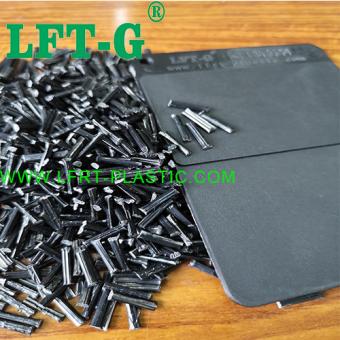
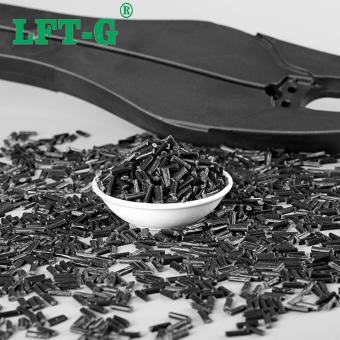
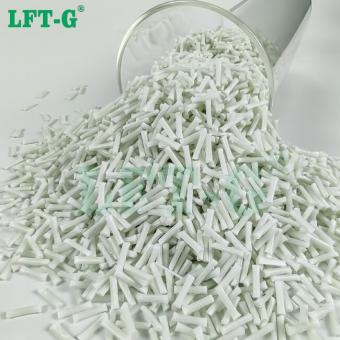
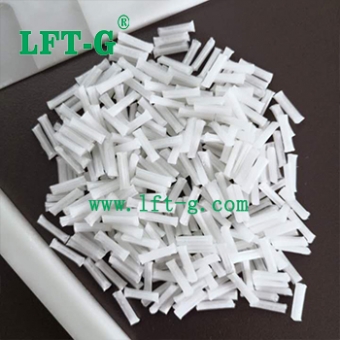
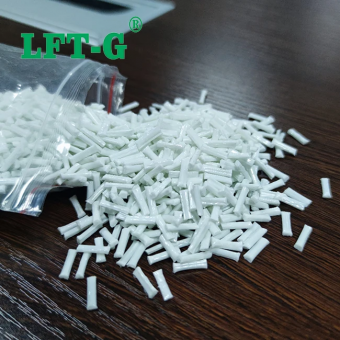
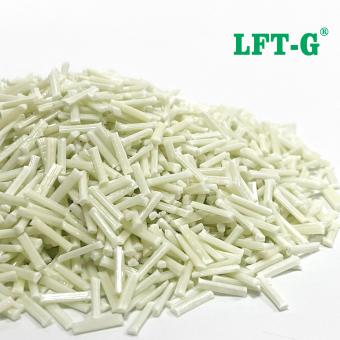
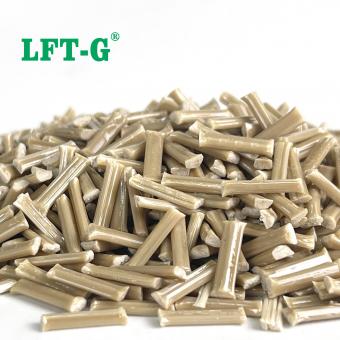
Nylon PA66 Polyamide66 factory producing engineer plastic pelletsLong carbon fiber Reinforced Polyamide (nylon) PA66 reinforced toughened nylon a modified engineering plastic
- Nylon PA66
- Polyamide66 factory
- producing engineer plastic pellets
- Reinforced toughened nylon pa66
Tags :
-
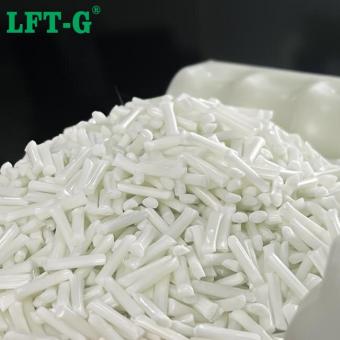
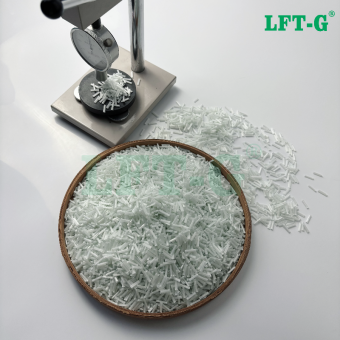
long glass fiber reinforced polyamide nylon pa66 virgin pa6 granules thermoplasticinjection mold and extrusion long glass fiber pa66 reinforced recycle pa6 pa66 granules
- long fiber composites nylon66
- polyamide66
- long glass fiber pa66
- long fiber reinforced pa66
- Long glass fiber nylon66 polymer
- recycle thermoplastic pa66 long glass fiber
Tags :
-
injeciton polyamide66 nylon6 long fiber reinforced thermoplastic pelletspolyamide66 long fiber reinforced thermoplastic pa6 nylon66 granulesview more
-
injeciton polyamide66 nylon6 long fiber reinforced thermoplastic pelletspolyamide66 long fiber reinforced thermoplastic pa6 nylon66 granulesview more
-
lightweight Polyamide PA6 PA66 natural color material for auto partsinjection mold and extrusion long glass fiber pa66 reinforced recycle pa6 pa66 granulesview more
-
pa6 high impact polyamide plastic raw material compound pa6 lgfinjection mold and extrusion long glass fiber pa66 reinforced recycle pa6 pa66 granulesview more
-
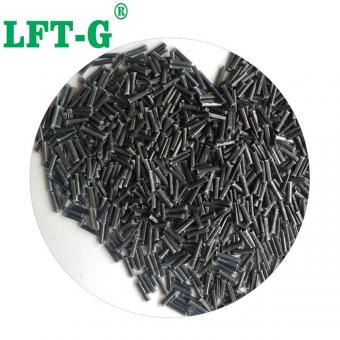
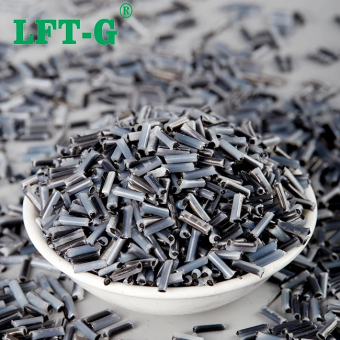
2023 hot sell Nylon66 PA66 compond long carbon fiber 40 material original colorNylon 66 is a kind of high-grade thermoplastic resin, which is an excellent polymer material for manufacturing chemical fibers and engineering plastics.
- Polyamide66
- Instead steel plastic
- Long carbon fiber
- Thermoplastics resin
- High quality pa66
- customized plastic
Tags :
-
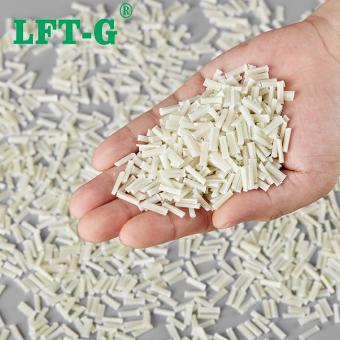
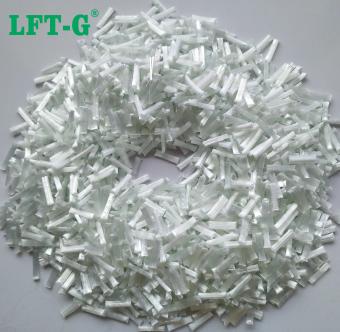
LFT Polyamide6 long glass fiber reinforced plasticPA66 Long Glass Fiber Reinforced (PA66-LGF) Nylon (PA) offers a combination of excellent properties, including high mechanical strength, chemical resistance, oil resistance, wear resistance, self-lubrication, and good processability. As a result, nylon has become one of the most widely used engineering thermoplastics in many industrial applications. However, the performance requirements of nylon vary depending on the application, operating conditions, and service environment. For example, components such as electric drill housings, motor housings, pump impellers, bearings, diesel engine components, and air-conditioning fan blades may require high strength, rigidity, and dimensional stability. Since unmodified nylon can exhibit reduced toughness at low temperatures, impact modification may be required for certain applications. For long-term outdoor use, weather-resistant modification may also be necessary. The most commonly used reinforcing materials for nylon include glass fiber, carbon fiber, and various other fibrous materials. Among them, glass fiber reinforcement is one of the most widely adopted solutions. Adding glass fiber can significantly improve the stiffness, strength, hardness, dimensional stability, and heat resistance of nylon. Depending on the required mechanical performance and application, glass fiber content can typically range from approximately 20% to 50%. Grades with around 30% glass fiber are commonly used for a balance of strength, stiffness, processability, and cost, while higher fiber contents can be selected when greater mechanical performance is required. Production Technology of Glass Fiber Reinforced Nylon Long glass fiber reinforced nylon can be manufactured using a specialized compounding process designed to maintain a relatively long fiber length within the polymer matrix. During the production process, nylon resin and other formulation components are prepared and fed into the compounding system, while continuous glass fiber is introduced through a dedicated fiber feeding system. The glass fiber is impregnated and combined with the molten nylon resin under controlled processing conditions. Proper control of screw configuration, temperature, feeding rate, and shear is important for achieving good fiber distribution while minimizing unnecessary fiber breakage. Factors Affecting the Properties of Glass Fiber Reinforced Nylon 1. Glass Fiber and Nylon Interfacial Bonding The interfacial bonding between glass fiber and nylon resin is one of the most important factors affecting the performance of glass fiber reinforced nylon. If the adhesion between the fiber and polymer matrix is insufficient, the reinforcing efficiency can be significantly reduced. Therefore, appropriate glass fiber surface treatment and sizing technology are important. Glass fiber manufacturers can provide different surface treatments and sizing systems designed for specific polymer matrices, allowing compounders to select a suitable fiber type for the target nylon formulation. 2. Glass Fiber Length The length of glass fiber retained in the nylon matrix is another important factor affecting mechanical performance. In general, long glass fiber reinforced nylon can provide advantages over conventional short glass fiber materials in terms of tensile strength, flexural strength, stiffness, dimensional stability, and impact performance. 3. Glass Fiber Dispersion Uniform glass fiber dispersion is also critical to achieving consistent material performance. It is influenced by the screw configuration, screw speed, residence time, processing temperature, and formulation. Excessive shear can cause unnecessary fiber breakage, reducing the effective fiber length and potentially affecting the mechanical properties of the final product. Therefore, processing conditions should be optimized according to the glass fiber content and formulation requirements. 4. Other Processing Factors In addition to fiber length and dispersion, factors such as processing temperature, glass fiber diameter, fiber type, resin grade, additives, and moisture control can also influence the final performance of glass fiber reinforced nylon. Glass Fiber Reinforced Nylon and Melt Flowability Compared with unfilled nylon, glass fiber reinforced nylon generally exhibits higher melt viscosity and can therefore present greater processing challenges during injection molding. Potential issues include higher injection pressure requirements, incomplete filling, increased mold temperature requirements, and reduced surface quality. For demanding injection molding applications, processing performance can be improved through formulation optimization, including the appropriate selection of processing aids, lubricants, stabilizers, and other additives. Injection molding parameters should also be adjusted according to the specific material grade and part design. High-Temperature Heat and Oxidative Aging Resistance In applications such as bearings, engine components, and...
- pa66 nylon plastic
- Polyamide66 long glass fiber
- pa66 fill gf
- raw material plastic pa66
- composite materials pa66
- thermoplastic resin
Tags :
-
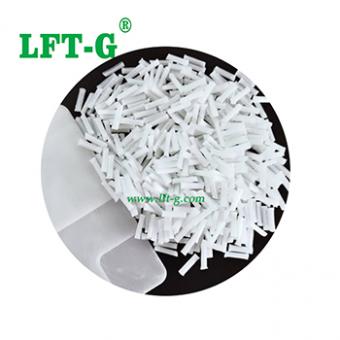
lft-g PA66 reinforced material long glass fiber 30% specification Polyamide66 modified plasticWhat is PA66? PA66, abbreviation of Polyamide 66, chemical name polyadiptyl adiptyl diamine, commonly known as nylon 66. Is a colorless transparent semi-crystalline thermoplastic polymer, widely used in automobiles, electronic appliances, mechanical instruments, industrial parts and other industries. What is PA66-LGF? However, due to the large absorbency of nylon itself, poor acid resistance, low impact strength of dry state and low temperature, and easy deformation after water absorption, the dimensional stability of the product is affected, so that its application range is limited to some extent. In order to improve the above shortcomings, expand its application field, and better meet the requirements of performance, people adopt a variety of methods to modify PA66 plastic, so as to improve the impact property, thermal deformation property, forming processing property and chemical corrosion resistance. Because the specific strength and Young's modulus of glass fiber (LGF) are 10~20 times larger than that of PA66, the linear expansion coefficient is about 1/20 of that of PA66, the water absorption is close to zero, and it has good heat and chemical resistance, glass fiber filling is the most commonly used enhancement modification method of PA66. PA66 is the variety with the highest mechanical strength and the most widely used in PA series. Because of its high crystallinity, it has high rigidity and heat resistance. TDS Translucent or opaque opalescent crystalline polymer with plasticity. It has excellent wear resistance, self lubricity and high mechanical strength. Application 1. The automobile industry Because of its excellent heat resistance, chemical resistance, strength and convenient processing, nylon 66 has been widely used in the automobile industry. At present, it can be used in almost all parts of the automobile, such as the engine parts, electrical parts and body parts. The engine part includes the intake system and the fuel system, such as the engine cylinder head cover, throttle, air filter machine housing, vehicle air horn, vehicle air conditioning hose, cooling fan and its housing, water inlet pipe, brake oil tank and cover, and so on. Body parts include: car fender, rear view mirror frame, bumper, dashboard, luggage rack, door handle, wiper bracket, seat belt buckle, interior decoration and so on. Car electric appliances such as electric control doors and Windows, connectors, crisper, cable tie wire. 2. Electronic and Electrical industries PA66 can produce electronic and electrical insulation parts, precision electronic instrument parts, electrical lighting appliances and electronic and electrical parts, can be used to make rice cookers, electric vacuum cleaners, high-frequency electronic food heaters, etc. PA66 has excellent solder resistance and is widely used in the production of junction boxes, switches and resistors. Flame retardant grade PA66 can be used for color TV wire clip, fixing clip and focusing knob. 3. Machinery transportation and machinery and equipment industry PA66 can be used for door handles of passenger cars and brake joint discs of freight cars. Other products such as insulation washer, baffle seat, turbine, propeller shaft, screw propeller and sliding bearing on ship can also be made with PA66. High impact resistance nylon 66 can also be made pipe pliers, plastic molds, radio control body, etc. Unreinforced grade nylon 66 is usually used to manufacture nuts, bolts, screws, nozzles, etc. with low creep and no corrosion. Reinforced grade nylon 66 used in the production of chains, conveyor belts, fan blades, impeller and scaffolding fixed foot buckle. Details Number Color Length MOQ Package Sample Delivery time Port of Loading PA66-NA-LGF30 Original color 12mm 25kg 25kg/bag Available 7-15 days after shipment Xiamen Port Frequently asked questions 1. How to choose the fiber content of the product? Is the larger product suitable for higher fiber content material? A. This is not absolute. The content of glass fiber is not more is better. The suitable content is just to meet the requirements of each products. 2. Can products with appearance requirements be made of long-fiber materials? A. The main feature of LFT-G thermoplastic long glass fiber and long carbon fiber is to show the mechanical properties. If the customer has bright or other requirements for the appearance of the product, it needs to be evaluated in combination with specific products. 3. How to choose the reinforcement method and length of the material when using long fiber reinforced thermoplastic material? A. The selection of materials depend on the requirements of the products. It is necessary to assess how much the content is enhanced and how much length is more appropriate, which are depending on the performance requirements of the products.
- Polyamide 66 lgf filling lgf
- long glass fiber polyamide66
- pa66 lgf30
- long fibre reinforced thermoplastics
- long fiber compounds pa66
- polyamide 6.6 lgf30
Tags :
-
lft-g PA66 nylon66 filling long carbon fiber 20%-60% modified plastic higher performance natural colorMaterial Introduction In 1935, Wallace Carothers, a scientific researcher at DuPont, and his team successfully synthesized PA66 by condensation of adipic acid and adipic diamine for the first time, and DuPont completed the commercial production of PA66 fiber in 1939. Starting in the 1950s, PA, including PA6 and PA66, was developed for the production of injection molded products to replace metal to meet the requirements of light weight and cost reduction of industrial products. At present, PA66 is the most used PA species other than PA6. PA66 Scientific name: Polyhexanediamide Abbreviation: PA66 Common name: Nylon 66 PA66 has many similarities with PA6. PA66 is also a transparent to milky white granule that can take on almost any color with the addition of a colorant (masterbatch) specific for polymers. Material properties Similar to the basic properties of PA6, PA66 also has low specific gravity, high tensile strength, wear resistance, good self-lubrication, and excellent impact toughness. In addition, because the number of hydrogen bonds in PA66 is more than in PA6, the intermolecular force of PA66 is stronger than the intermolecular force of PA6, which makes the internal structure of PA66 more compact than PA6, with better thermal properties, higher rigidity and toughness, better dimensional stability, lower water absorption, and more wear resistance. However, PA66 has a higher market price than PA6 and is not as easy to process and mold as PA6. Like PA6, PA66 can also add a certain percentage of glass fiber, carbon fiber, etc. to improve the performance and meet the application needs of different products. The following table is a PA66-LCF30 performance table produced by Xiamen LFT composite plastic company. Materials Application PA66 has higher hardness, mechanical strength, toughness, self-lubrication, friction resistance, heat resistance after the addition of carbon fiber, and is widely used in automotive parts, electrical and electronic, as well as mechanical and engineering parts and other fields. Automotive parts PA66's low specific gravity, high rigidity, strong toughness, heat resistance and gasoline resistance make it widely used in automotive modules, automotive structural parts, automotive interior and exterior parts, automotive transmission system and chassis shield, automotive fuel system, automotive ignition system, etc. The products involve automotive cable channel modules, structural parts of front-end components of automotive sunroof system, automotive rearview mirror bracket, automotive radiator, headlight support frame, door module, seat structural parts, seat shell and backrest, dashboard skeleton, air cooler fan, etc. Electrical and electronics PA66's good insulation, flame retardancy and corrosion resistance make it suitable for making various connectors, switches, sockets, terminal blocks, wire coverings, wire ties, insulating spacers, circuit breaker housings, transformer bobbins, retaining clips and motor parts after glass fiber reinforcement. Mechanical and engineering parts PA66's good rigidity, toughness, self-lubricating properties, heat and abrasion resistance make it suitable for manufacturing various nuts, screws, cable ties, worm gears, rotating wheels, gears, pump impellers, pulley sleeves, bushings, solenoid distribution valve seats, power tool housings, pipes, luggage racks, fan housings, appliance housings, door and window frames, cable drag chains and large machine tool baffles. Details Number Color Length Sample Package MOQ Delivery time Port of Loading PA66-NA-LCF30 Natural color (can be customized) 12mm about (can be customized) Available 20kg/bag 20kg 7-15 days after shipment Xiamen Port Other products you may wonder pa6-lcf pa12-lcf peek-lcf Frequently asked questions Q. How to choose the reinforcement method and length of the material when using long fiber reinforced thermoplastic material? A. The selection of materials depend on the requirements of the products. It is necessary to access how much the content is enhanced and how much length is more appropriate, which are depending on the performance requirements of the products. Q. Under what circumstances can long fiber replace short fiber? What are the common alternative materials? A. Traditional staple fiber materials can be replaced with long glass fiber and long carbon fiber LFT materials in the case of customers whose mechanical properties cannot be met or where higher metal substitutes are desired. For example, PP long glass fiber is often replacing nylon reinforced glass fiber, and nylon long glass fiber is replacing PPS series. Q. Are there any special proc...
- self owing pa66 pellets
- high strength and high toughness reinforced pa66 pellets
- reinforced polyamide66 lcf
- polyamide 66 engineering plastics lcf
- PA66 6 twin screw lcf pellets
- recycle thermoplastic pa66 long carbon fiber
Tags :
-
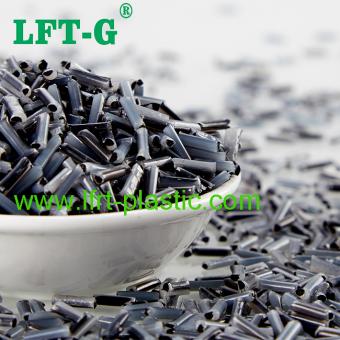
LFT-G PA66 with filler long carbon fiber 40% specification reinforced plastic high toughness sample availablePolyamide 66 Nylon is the common name for polyamide (PA), a generic term for thermoplastic resins containing repeating amide groups on the main chain of the molecule, including aliphatic polyamides, aliphatic-aromatic polyamides and aromatic polyamides. As one of the top five engineering plastics, nylon has an extremely wide range of industrial applications, mainly in automotive parts, mechanical parts, electronics and appliances, cosmetics, adhesives and packaging materials. Among them, the largest production and most widely used are aliphatic polyamides, mainly nylon 66 and nylon 6. Nylon 66 (PA66) is made by condensation of adipic acid and hexanediamine, which is a class of polyamide. Advantages: high strength, corrosion resistance, good wear resistance characteristics, and has self-lubricating, flame retardant, non-toxic environmental protection and other excellent performance. Disadvantages: poor heat resistance and acid resistance, low impact strength in dry state and low temperature, high water absorption affects the dimensional stability and electrical properties of products. Polyamide 66 filling long carbon fiber High-performance fibers are chemical fibers with high load-bearing capacity and high durability because they have a special physical or chemical structure embodied with some excellent characteristics that traditional fibers do not have, such as high temperature resistance, corrosion resistance, flame retardancy and other properties. Carbon fiber is an inorganic polymer material with carbon content higher than 90% obtained from organic fibers through carbonization and graphitization. Advantages: light weight, high strength, high modulus, high temperature resistance, wear resistance, corrosion resistance, fatigue resistance, electrical conductivity, thermal conductivity, etc. Disadvantages: high cost, relatively difficult to infiltrate, poor transparency, etc. Carbon fiber composite materials are very useful structural materials, which are not only light, high temperature resistant, but also have high tensile strength and elastic modulus, and are indispensable materials for the manufacture of spacecraft, rockets, missiles, high-speed aircraft and large passenger aircraft. In transportation, chemical industry, metallurgy, construction and other industrial sectors, as well as sports equipment and other aspects have a wide range of applications. The density of PA66/CF composites tends to increase slightly as the content of CF increases. This is due to the fact that the density of CF is larger compared to that of PA66. The fracture surface of PA66 is smoother, while the fracture surface of PA66/CF sample is extremely rough and CF is pulled out, which indicates that the CF in the system plays a good role in bearing the load when the composite sample is subjected to external force, and this fracture is a ductile fracture, therefore, PA66/CF composite is a ductile material. With the increase of CF content, the tensile strength of PA66/CF composites increased significantly. The flexural strength and flexural modulus of PA66/CF composites are increased substantially with the increase of CF content. Datasheet for reference We can provide PA66 filiing Long carbon fiber 20%-60%. If you need more datas, please contact us. Application Our products are mainly suitable for large products such as structural parts and load-bearing parts, and the above applications are for reference only. If you have other products, please feel free to consult our technical experts to provide you with 1-to-1 service. Laboratory & Warehouse Teams & Customers Welcome to contact us for more informations!
- Polyamide66 reinforced plastic cf
- long carbon fiber filling nylon66
- thermoplastic resin pa66 cfrp
- injection mold pa66-lcf compounds
- composite long carbon fiber PA66 black
- high performance pa66 carbon fiber modified
Tags :
-
Xiamen LFT-G Polyamide 66 long glass fiber reinforced thermoplastic compounds high strengthWhat is PA66? PA66, abbreviation of Polyamide 66, chemical name polyadiptyl adiptyl diamine, commonly known as nylon 66. Is a colorless transparent semi-crystalline thermoplastic polymer, widely used in automobiles, electronic appliances, mechanical instruments, industrial parts and other industries. What is PA66-LGF? However, due to the large absorbency of nylon itself, poor acid resistance, low impact strength of dry state and low temperature, and easy deformation after water absorption, the dimensional stability of the product is affected, so that its application range is limited to some extent. In order to improve the above shortcomings, expand its application field, and better meet the requirements of performance, people adopt a variety of methods to modify PA66 plastic, so as to improve the impact property, thermal deformation property, forming processing property and chemical corrosion resistance. Because the specific strength and Young's modulus of glass fiber (LGF) are 10~20 times larger than that of PA66, the linear expansion coefficient is about 1/20 of that of PA66, the water absorption is close to zero, and it has good heat and chemical resistance, glass fiber filling is the most commonly used enhancement modification method of PA66. PA66 is the variety with the highest mechanical strength and the most widely used in PA series. Because of its high crystallinity, it has high rigidity and heat resistance. TDS of Polyamide 66 filling LGF Translucent or opaque opalescent crystalline polymer with plasticity. It has excellent wear resistance, self lubricity and high mechanical strength. Application 1. The automobile industry Because of its excellent heat resistance, chemical resistance, strength and convenient processing, nylon 66 has been widely used in the automobile industry. At present, it can be used in almost all parts of the automobile, such as the engine parts, electrical parts and body parts. The engine part includes the intake system and the fuel system, such as the engine cylinder head cover, throttle, air filter machine housing, vehicle air horn, vehicle air conditioning hose, cooling fan and its housing, water inlet pipe, brake oil tank and cover, and so on. Body parts include: car fender, rear view mirror frame, bumper, dashboard, luggage rack, door handle, wiper bracket, seat belt buckle, interior decoration and so on. Car electric appliances such as electric control doors and Windows, connectors, crisper, cable tie wire. 2. Electronic and Electrical industries PA66 can produce electronic and electrical insulation parts, precision electronic instrument parts, electrical lighting appliances and electronic and electrical parts, can be used to make rice cookers, electric vacuum cleaners, high-frequency electronic food heaters, etc. PA66 has excellent solder resistance and is widely used in the production of junction boxes, switches and resistors. Flame retardant grade PA66 can be used for color TV wire clip, fixing clip and focusing knob. 3. Machinery transportation and machinery and equipment industry PA66 can be used for door handles of passenger cars and brake joint discs of freight cars. Other products such as insulation washer, baffle seat, turbine, propeller shaft, screw propeller and sliding bearing on ship can also be made with PA66. High impact resistance nylon 66 can also be made pipe pliers, plastic molds, radio control body, etc. Unreinforced grade nylon 66 is usually used to manufacture nuts, bolts, screws, nozzles, etc. with low creep and no corrosion. Reinforced grade nylon 66 used in the production of chains, conveyor belts, fan blades, impeller and scaffolding fixed foot buckle. Details Number Color Length MOQ Package Sample Delivery time Port of Loading PA66-NA-LGF30 Original color or Customized 6-25mm 25kg 25kg/bag Available 7-15 days after shipment Xiamen Port Frequently asked questions 1. How to choose the fiber content of the product? Is the larger product suitable for higher fiber content material? A. This is not absolute. The content of glass fiber is not more is better. The suitable content is just to meet the requirements of each products. 2. Can products with appearance requirements be made of long-fiber materials? A. The main feature of LFT-G thermoplastic long glass fiber and long carbon fiber is to show the mechanical properties. If the customer has bright or other requirements for the appearance of the product, it needs to be evaluated in combination with specific products. 3. How to choose the reinforcement method and length of the material when using long fiber reinforced thermoplastic material? A. The selection of materials depend on the requirements of the products. It is necessary to assess how much the content is enhanced and how much length is more appropriate, which are depending on the performance requirements of the products.
- Polyamide 66 lgf filling lgf high rigidity
- long glass fiber polyamide66 instead metal steel
- pa66 lgf30 car parts and other products
- long fibre reinforced thermoplastics nylon 66
- long fiber compounds pa66 cut down cost
- polyamide 6.6 lgf30 GF
Tags :