e-mail
 English
 français
 Deutsch
 русский
 italiano
 español
 português
 العربية
 日本語
日本語 한국의
한국의 中文
中文


-
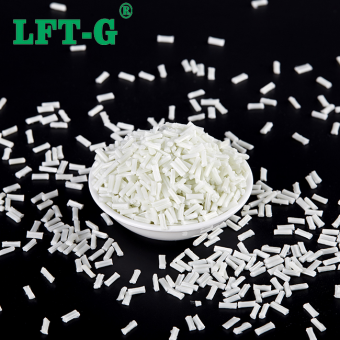
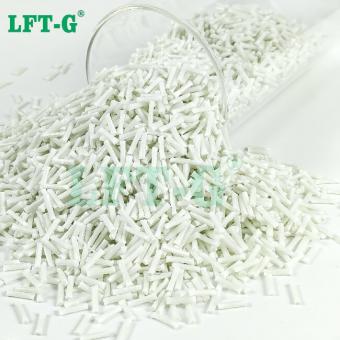
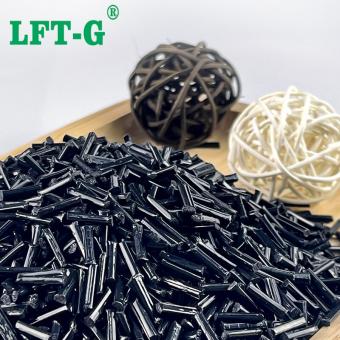
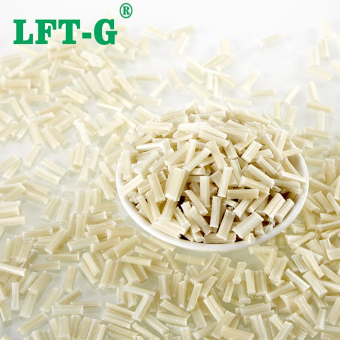
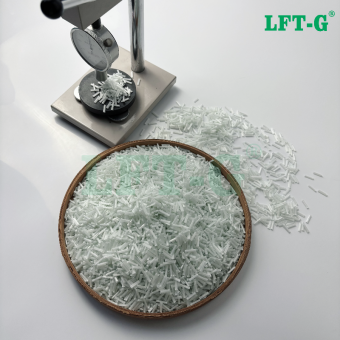
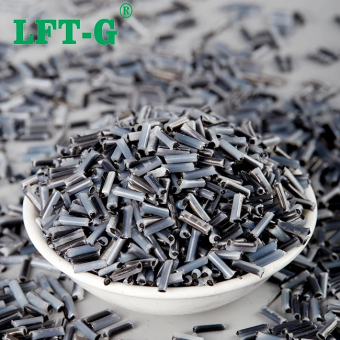
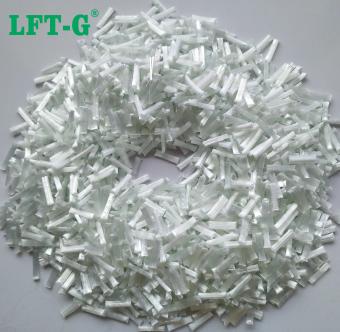
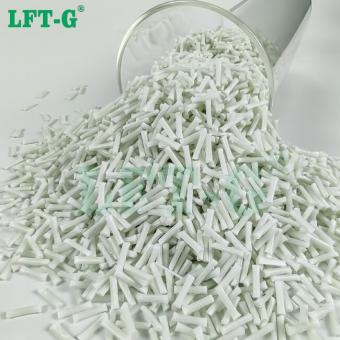
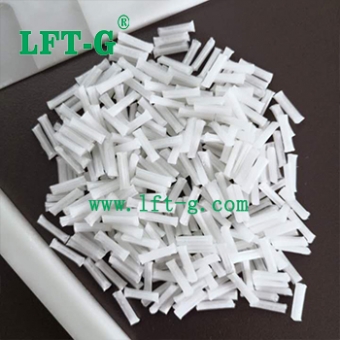
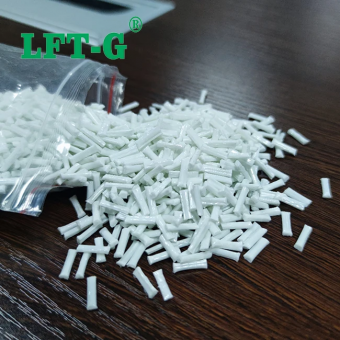
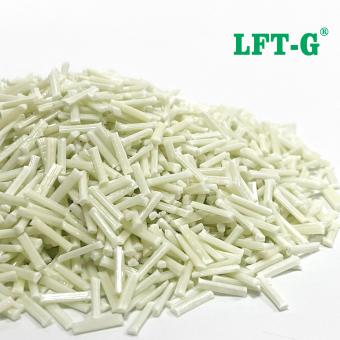
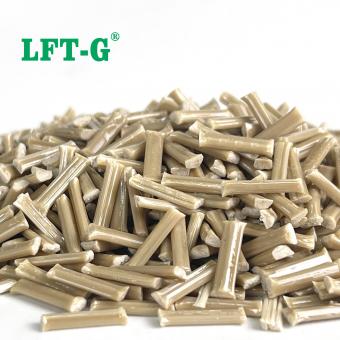
High rigidity and toughness Polyamide 12 filling long fiber compoundsPA12 PA12 polyamide or nylon 12 Chemical and physical properties of PA12 PA12 is a linear, semi-crystalline - crystalline thermoplastic material from butadiene. Its properties are similar to PA11, but its crystal structure is different. PA12 is a good electrical insulator and will not be affected by moisture as other polyamides. PA12 has good impact resistance mechanical and chemical stability. There are many improved varieties of PA12 in terms of plasticizing and reinforcing properties. Compared with PA6 and PA66, these materials have lower melting point and density, and have very high moisture recovery. PA12 has no resistance to strong oxidizing acids. The viscosity of PA12 depends mainly on humidity, temperature and storage time. PA12 It's very liquid. The shrinkage rate of PA12 is between 0.5% and 2%, depending on the variety of PA12 material, wall thickness and other process conditions. PA12 compounds plastic Nylon glass fiber material is a kind of composite material, adding glass fiber on the basis of the original nylon material, so that the material has the following characteristics: High temperature resistance, good dimensional stability, good toughness, good insulation, corrosion resistance, high mechanical strength. LGF & SGF comparison Compared with the short fiber, it has more excellent performance in mechanical properties. It is more suitable for large products and structural parts. It has 1-3 times higher (toughness) than short fiber, and the tensile strength (strength and rigidity) is increased by 0.5-1 times. Datasheet for reference Application ■ Power tools: cutting machine, electric saw, electric drill, Angle grinder, polishing machine, electric hammer, electric pick, hot air gun and other models; ■ Automotive industry: cooling chamber, intake manifold, frame bracket, ventilation grille, door handle, throttle body and other models; ■ Machinery industry: water pump, water valve, bearing, shaft sleeve, gear, bracket and other models; ■ Sports equipment: ski equipment, baby carriage, fitness equipment parts and other models; ■ Office equipment: seat bracket, pulley, rotating shaft, shredder gear, printer parts and other models. Certification Factory Why choose us
- composite panels for ev batteries
- wholesale glass fiber reinforced plastic resin dispenser in china
- reinforced polyamide plastic
- nylon 12 application
- nylon pa12
- pa12 gf20
Tags :
-
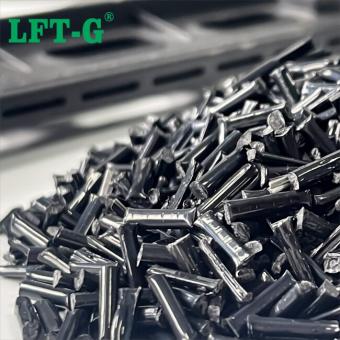
Nylon Reinforced Pellets PA6 Carbon FiberNylon 6 is a suitable material for injection molding. The resulting molded nylon parts possess great strength, as well as chemical and temperature resistance. When molding nylon 6, the material is sometimes injected with a specified amount of glass or carbon fibers (usually between 20% and 60%) to boost its tensile strength.
- carbon fiber polishing compound
- carbon pellets
- polyamide nylon 6
- polyamide 6 density
- nylon 6 polyamide
- activated carbon pellets
Tags :
-
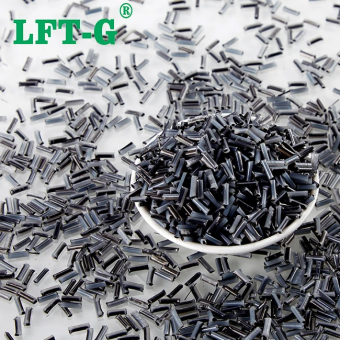
Nylon 6 6 Reinforced Pellets PA6.6 Carbon FiberPolyamides can come in various colors including: yellow, white, and light brown. However, polyamide fibers can be dyed to any color, and solid polyamides can be surface finished with a wide variety of paint colors.
- polyamide 66
- polyamide fiber
- nylon 66 polyamide
- carbon fiber sheet molding compound
- nylon 66 is a polyamide
Tags :
-
High Mechanical Properties Nylon MXD6 Long Glass Fiber Polymer PelletsWith its unique balance of strength, barrier performance, and stability, MXD6-LGF is the ideal solution for demanding applications.view more
-
Polyamide 66 composite material long carbon fiber reinforced pelletsThe reason behind choosing polyamide over other materials will vary for different applications. When using polyamide for electrical cable protection, it offers better performance, flexibility, and impact resistance than PVC protection. In the automotive industry, it is used because it is cheaper and lighter than metal. In machines, it is used over other materials due to its high flexibility and durability.
- carbon fiber reinforced plastic composite
- fiber reinforced composite materials
- polyamide nylon 66
- carbon fiber reinforced nylon
- injection molding plastic pellets
- composite fiber reinforced plastic
Tags :
-
LFT-G PA6 Polyamide6 nylon6 filling long glass fiber40 orginal color for automotive partsPA6 & PA6-LGF Long Glass Fiber Reinforced Nylon PA6, also known as Nylon 6, is a high-performance polyamide widely used in engineering plastics, fibers, and films. It is a thermoplastic polymer with repeating amide groups (-NH-CO-) in the main chain, offering strong mechanical properties and versatile processing capabilities. What is PA6 Plastic? PA6 is an aliphatic polyamide that provides excellent strength, wear resistance, and chemical resistance to weak acids, alkalis, and certain organic solvents. Its lightweight and processable nature make it widely applied in fibers, engineering plastics, and thin films. However, the polar amide groups in PA6 easily form hydrogen bonds with water molecules, which can result in high moisture absorption, dimensional changes, and reduced impact strength in dry or low-temperature conditions. Advantages of PA6 High mechanical strength and toughness with excellent tensile and compressive properties Outstanding fatigue resistance, maintaining strength after repeated bending High softening point, heat resistant Low friction and wear-resistant surface Corrosion resistance to alkalis, salts, weak acids, oils, and most solvents Self-extinguishing, non-toxic, odorless, and good weather and biological resistance Excellent electrical insulation even in high humidity environments Lightweight, easy to dye, and easy to mold due to low melting viscosity Limitations of PA6 High moisture absorption (up to 3% when saturated) Poor light and thermal stability; prolonged high-temperature exposure may cause discoloration and surface cracking Strict injection molding requirements; trace moisture can affect product quality Dimensional stability is sensitive to thermal expansion and wall thickness variations Not resistant to strong acids or oxidizing agents; unsuitable for acid-resistant applications Why Reinforce PA6 with Long Glass Fiber? To overcome the natural limitations of PA6, long glass fiber (LGF) reinforcement is applied. PA6-LGF composites combine the lightweight, chemical, and heat resistance of PA6 with the mechanical strength and dimensional stability of long glass fibers. LGF reinforcement improves tensile, compressive, and flexural strength, reduces shrinkage, enhances fatigue resistance, and provides improved thermal and chemical stability. This makes PA6-LGF ideal for high-performance structural components. Applications of PA6-LGF PA6 reinforced with 30% long glass fiber (30% LGF) is widely used in: Power tool shells and components Engineering machinery parts Automobile structural and functional components The composite improves mechanical strength, dimensional stability, heat resistance, aging resistance, and fatigue resistance. Its fatigue strength can be up to 2.5x that of unreinforced PA6. Processing and Forming Tips for 30% PA6-LGF Shrinkage is reduced to ~0.3% compared with 1–1.5% for pure PA6. Excessive fiber content may cause surface floating fibers and poor compatibility. 30% LGF is recommended for balanced performance. Recycled material content should be kept below 25% to avoid color and mechanical property degradation. Gradual cooling after molding prevents warping due to fiber orientation during injection molding. Mold design, gate position, and temperature control are critical. Customers & Staffs Certificates
- Polyamide 6 composite
- lgf thermoplastic resin
- High impact PA6
- injection molding plastic
- pa6 filling long glass fiber
- Reinforced plastic
Tags :
-
LFT-G Nylon 6,6 Thermoplastic Resin filled Long Carbon Fiber CompoundsNylon 66 material for machining has improved temperature resistance and lower rates of water absorption when compared to standard nylon 6.
- Carbon fiber PA66 composites
- Lightweight structural materials
- High-strength polyamide 66
- Automotive carbon fiber composites
- Carbon fiber reinforced nylon durability
- Advanced thermoplastic composites
Tags :
-
Advanced Carbon Materials Nylon 6 PelletsPA6 long carbon fiber reinforced material offers high strength, excellent impact resistance, and lightweight properties. It provides outstanding dimensional stability and fatigue resistance, making it ideal for automotive and industrial applications. Suitable for replacing metal components to achieve weight reduction and enhanced performance.
- nylon pellets
- pa6 price per kg
- china plastic raw materials
- CFRP materials
- China manufacturer carbon fiber
- Polyamide 6 plastics
Tags :
-
LFT POLYAMIDE 6 Nylon Reinforced long glass fiber orginal color for automotive partsPA6-LGF PA6 modified plastics use pure PA6 as the matrix and enhance internal and external properties through blending, filling, strengthening, copolymerization, crosslinking, and other methods. They account for approximately 15% of PA6 applications. Long glass fiber content ranges from 20%–60%, adjusted according to product requirements, providing high strength, superior heat resistance, good impact resistance, and lightweight alternatives to certain metals. Common applications include power tool shells, garden tools, gears, sports equipment, and automotive parts. Other Specifications of PA6-LGF Flame Retardant PA6: PA6 is naturally flammable, but adding flame retardants changes its combustion properties. Mechanical mixing incorporates nitrogen, phosphorus, bromine-based, or mineral flame retardants. These materials are suitable for switches, low-voltage electrical housings, wiring terminals, and circuit breakers. Toughened PA6: Incorporating toughening agents improves low-temperature resistance, flexibility, fluidity, reduces shrinkage and water absorption, enhances impact and aging resistance. Ideal for baby carriage parts, rolling belts, line clips, and connectors. Applications Beyond daily applications, PA6 modified plastics are increasingly used in high-end fields such as rail transit, medical devices, military, and aerospace. TDS for Reference Nylon reinforced materials are made from PA6/PA66 resins with 20–60% glass fiber to increase strength. 30% fiber content is most common, but 40–50% can be used based on product requirements. Advantages of Long Glass Fiber Compounds 1. High-temperature resistance improves significantly after glass fiber reinforcement, especially for nylon plastics. 2. Shrinkage decreases and rigidity increases due to limited polymer chain movement. 3. Stress cracking is reduced and impact resistance improves. 4. Mechanical properties such as tensile, compression, and bending strength are enhanced. 5. Flame retardancy improves; most reinforced materials become self-extinguishing. Xiamen LFT Composite Plastic Co., Ltd. Xiamen LFT Composite Plastic Co., Ltd. specializes in LFT & LFRT, including Long Glass Fiber (LGF) and Long Carbon Fiber (LCF) series. Thermoplastic LFT can be used for LFT-G injection molding or LFT-D molding and customized in 5–25mm lengths. The company’s continuous fiber reinforced thermoplastics are ISO9001 & IATF16949 certified and have obtained multiple national trademarks and patents.
- Polyamide 6 composite materials
- lgf thermoplastic resin granules
- High impact pa series engineer plastic
- made in China high performance plastic
Tags :
-
High Stifiness PA 6 Long Glass Fiber Plastic White Black ColorPA6 refers to polyamide 6, which is a widely used engineering plastic with excellent mechanical strength, wear resistance, and chemical stability. Adding long glass fibers to PA6 can significantly enhance the material’s mechanical properties, such as strength, rigidity, impact resistance, and dimensional stability.
- glass fiber reinforced nylon
- pa6 polyamide
- fiber reinforced nylon
- Customized plastic resins
- glass fiber reinforced polymers
- glass fiber manufacturer
Tags :
-
Xiamen LFT-G Polyamide 6 filling Long Carbon Fiber reinforced thermoplastic materialPA6 Long Carbon Fiber Composite body { font-family: Arial, sans-serif; line-height: 1.6; color: #333; margin: 20px; } h2 { font-size: 24px; background-color: #f0f0f0; padding: 10px; color: #339933; } p { margin: 10px 0; } ul { margin: 10px 0 10px 20px; } img { max-width: 100%; height: auto; display: block; margin: 10px 0; } Polyamide 6 (PA6) Nylon 6 (PA6) is a general engineering plastic with lightweight, wear resistance, corrosion resistance, and good toughness. As a thermoplastic resin, it softens when heated and hardens when cooled, allowing repeated processing. Long Carbon Fiber Carbon fiber has high strength, high modulus, large specific surface area, and high electrical conductivity. Compared with glass fiber, carbon fiber provides maximum strength along the fiber direction. Carbon fiber reinforced composites are stronger than polymer matrix materials while maintaining light weight, gradually replacing traditional metals in electronics, electric vehicles, medical devices, industrial equipment, and sports/leisure products. LCF VS SCF Advantages of Long Carbon Fiber Filled High strength and high toughness Small coefficient of thermal expansion Low hardness and light weight Corrosion resistance and aging resistance Temperature resistance TDS of PA6 for Reference Application of PA6 Suitable for manufacturing helmets, car bumpers, treadmills, etc. Certifications Factory & Warehouse Teams & Customers About Us Xiamen LFT Composite Plastic Co., Ltd is a brand-name company focusing on LFT & LFRT: Long Glass Fiber Series (LGF) & Long Carbon Fiber Series (LCF). Our thermoplastic LFT materials can be used for LFT-G injection molding, extrusion, and LFT-D molding. Fiber lengths can be customized from 5~25mm. Our continuous infiltration reinforced thermoplastics have passed ISO9001 & IATF16949 certification, and products hold multiple national trademarks and patents.
- long fibre reinforced thermoplastics
- carbon fiber reinforced plastics granules
- long carbon fiber reinforced pa6
- long fiber compounds pa6 nylon
- long fiber composite pa6 granules
- long carbon fiber polyamide6 higher peroformance
Tags :
-
LFT Polyamide6 compounds with long glass fiber instead metal high strengthWhat is Polyamide 66 plastic? PA66 melting point 260~265℃, glass transition temperature (dry state) is 50℃. Density is 1.13~1.16 g/cm3. PA66 has low water absorption, excellent dimensional stability and high rigidity. Higher melting point, can be used for a long time in harsh environments, in a wide range of temperatures can still maintain sufficient stress, continuous use temperature of 105 ℃. Long glass fiber reinforced composite Glass fiber reinforced plastic is based on the original pure plastic, filling glass fibers and other additives, so as to improve the scope of use of the material. Generally speaking, most of the glass fiber reinforced materials are used in the structural parts of the products, which is a kind of structural engineering materials, such as: PP, ABS, PA66, PA6, TPU, PPA, PBT, PEEK, PBT, PPS and so on. Advantages 1)After glass fiber reinforcement, glass fiber is a high temperature resistant material, therefore, the heat-resistant temperature of reinforced plastics is much higher than before without glass fiber, especially nylon plastics. 2)After the glass fiber reinforcement, due to the addition of glass fiber, the plastic polymer chain is restricted to move with each other, therefore, the shrinkage of reinforced plastics decreases a lot, and the rigidity is greatly improved. 3)After glass fiber reinforced, the reinforced plastic will not stress cracking, at the same time, the impact resistance of the plastic improves a lot. 4)After the glass fiber reinforcement, the glass fiber is a high strength material, which also greatly improves the strength of the plastic, such as: tensile strength, compression strength, bending strength, improve a lot. 5)After glass fiber reinforcement, due to the addition of glass fiber and other additives, the combustion performance of the reinforced plastics decreases a lot, most of the materials can not be ignited, it is a kind of flame-retardant material. Datasheet for reference Applications PA66's comprehensive performance is good, with high strength, good rigidity, impact resistance, oil and chemical resistance, abrasion resistance and self-lubricating advantages, especially hardness, rigidity, heat resistance and creep performance is better. Datails Grade Fiber specification Main characteristics Applications General grade 20%-60% high toughness (especially at low temperatures), excellent creep and fatigue resistance, low warpage Automobiles, electronic and electrical appliances, sports equipment, power tools, high-speed rail parts, etc. Toughen resistance grade 20%-50% high impact strength, light texture Automobiles, electronic appliances, sports equipment, power tools, tool handles, high-speed rail parts, gears, etc. Lab & Factory About company Xiamen LFT Composite Plastic Co.,LTD was established in 2009, is a brand-name global suppliers of long fiber reinforced thermoplastic materials integrating product research & development(R&D), production and sale marketing. Our LFT products have passed the ISO9001&16949 system certification and have obtained lots of national trademarks and patents, covering the fields of automotive, military parts and firearms, aerospace, new energy, medical equipment, power wind energy, sports equipment, etc.
- PA66 Nylon pellets reinforced plastic
- polyamide 6 engineering plastics lgf
- Low warpage modified PA6 LGRF
- injection mold PA66 auto parts polymers
- Nylon composite pellets Polymer granules
- long glass fiber reinforced plastic pa66
Tags :