e-mail
 English
 français
 Deutsch
 русский
 italiano
 español
 português
 العربية
 日本語
日本語 한국의
한국의 中文
中文


-
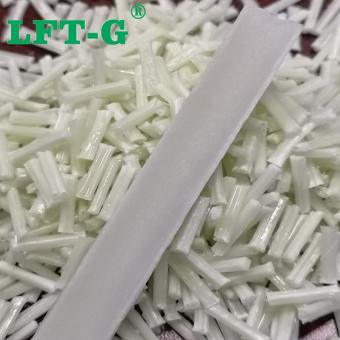
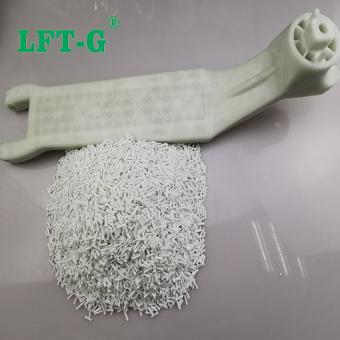
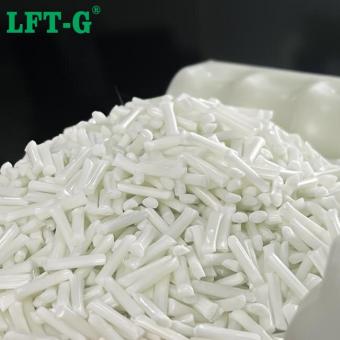
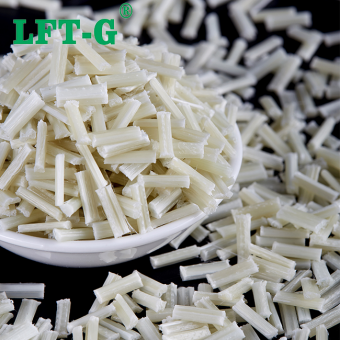
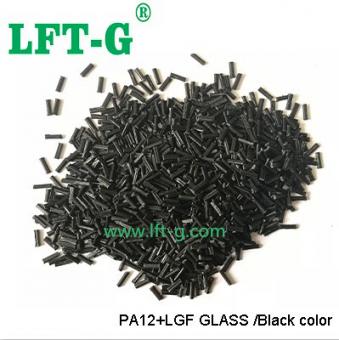
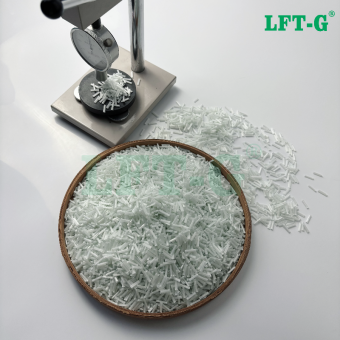
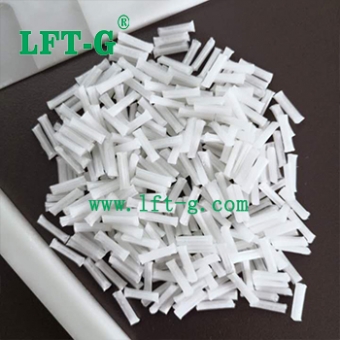
LFT Nylon GF40 Polyamide LGF 40% Composite For Auto PartsProduct Name: Polyamide12 long glass fiber 40% composite,Nylon Long fiber thermoplastic Certificated: SGS, 16949 system certificated,MSDS,and so on.
- LFT PA12 LGF 40
- Nylon Composite Materials
- Nylon 12 Plastic Composite
- Nylon12 Composite
- Nylon 12 LGF40
- Polyamide12 with fiber glass
Tags :
-
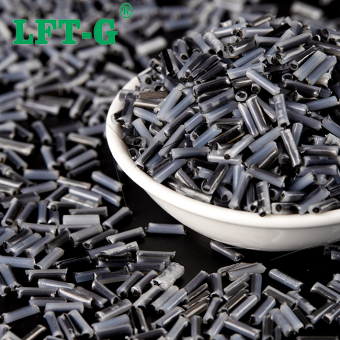
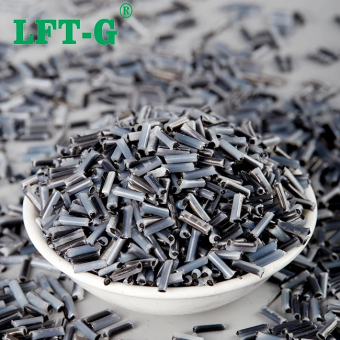
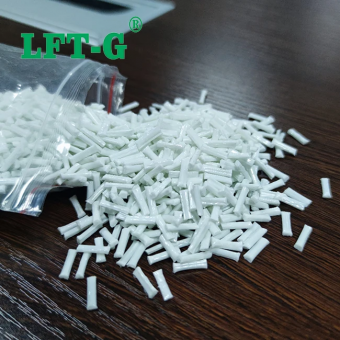
LFT PA6 LCF Carbon Fiber Fill Nylon 20% Polymer For Lightweight Wheel hubProduct Name: LFT PA6 LCF Carbon Fiber Fill Nylon 20% Polymer For Lightweight Wheel hub MOQ:25KGS
- PA6 LCF
- Polyamide Long Carbon Fiber Polymer
- Thermoplastic Carbon Fiber Granules
- PA Carbon Fiber
- High Performance PA6 Composite
- nylon 6 carbon fiber
Tags :
-
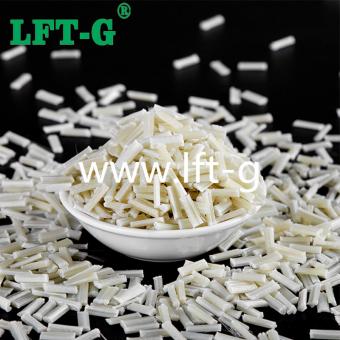
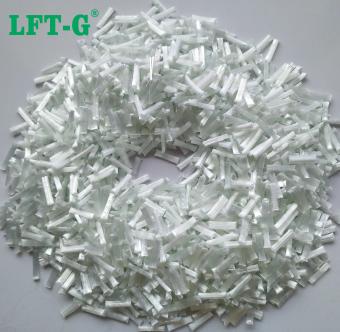
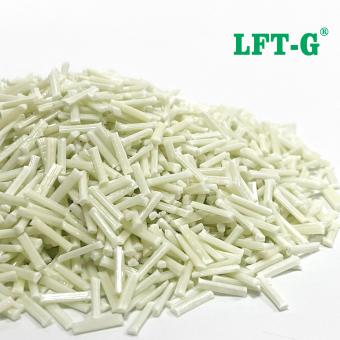
Injection grade PA6 Long Carbon Fiber40 high strength Nylon6 for manufacturing helmetsFiber filling: 20%-60% Feature: High toughness, Light weight, High strength, Wear reisistance, Corrosion resistance, Creep resistance, Conduction, Heat transfer.
- Polyamide 6
- Nylon6
- Long carbon fiber
- Resin plastic
- Thermoplastic plastics
- Instead steel materials
Tags :
-
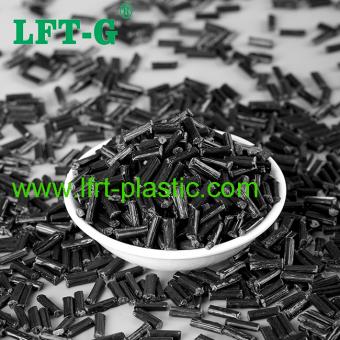
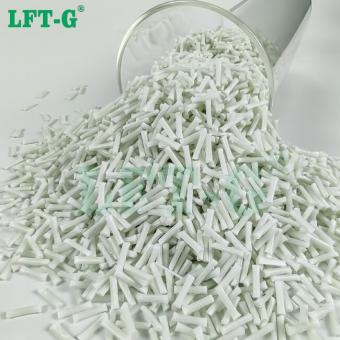
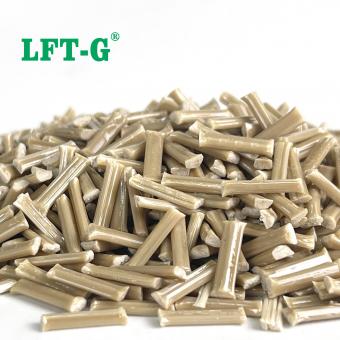
2023 hot sell Nylon66 PA66 compond long carbon fiber 40 material original colorNylon 66 is a kind of high-grade thermoplastic resin, which is an excellent polymer material for manufacturing chemical fibers and engineering plastics.view more
-
2023 New MXD6 meta-xylylene adipamide nylon Long glass fiber filling 30% high barrier propertiesWhat is MXD6? Conventional aliphatic nylon is easy to process but has strong water absorption and low glass conversion temperature. Although all-aromatic nylon has solved the shortcomings of aliphatic products to a large extent, the processing difficulty has increased exponentially. After 1972, Toyo Textile and Mitsubishi Gas Chemical synthesized a new kind of semi-aromatic nylon MXD6, which not only overcame the disadvantages of aliphatic and all-aromatic resins to a large extent, but also had some advantages of all-aromatic resins. It is widely used in packaging materials with high gas barrier and engineering structural materials. In summary, MXD6 has the following advantages: High strength and elastic modulus; The high glass transition temperature is 237℃ for Tm and 85℃ for Tg. Low water absorption and moisture permeability; Fast crystallization speed, easy to form and manufacture; Excellent gas barrier performance. Why add Long Glass Fiber? Long glass fiber reinforced composite can solve your problems when other methods of reinforced plastics do not provide the performance you need or if you want to replace matal with plastic. Long Glass Fiber reinforced composites can cost-effectively reduce the cost of goods and effectively improve the mechanial properties of engineering internal skeleton network. Performance is preserved in a wide range of environments. MXD6 performance and application Compared with other materials, MXD6 has the advantages of high strength and elastic modulus, high glass transition temperature, low water absorption and moisture permeability, fast crystallization speed, convenient molding and manufacturing, excellent gas barrier properties, and can also be a good barrier to carbon dioxide and oxygen even under high humidity. In the end market, MXD6 is rarely used alone and is generally added to other polymers as a modified component. Materials containing MXD6 are mainly used in automotive and packaging fields. As an engineering plastic, MXD6 can replace the use of metal materials in the automotive industry, such as power tools, magnetic materials, automotive shell, chassis, girders, engine accessories, etc. We will offer you: 1) LFT & LFRT material technical parameters and leading edge design; 2) Mold front design and recommendations; 3)Provide technical support such as injection molding and extrusion molding. System Certification Quality Management System ISO9001/1949 Certification National Laboratory Accreditation Certificate Modified Plastics Innovation Enterprise Honorary Certificate Heavy metal REACH & ROHS testing
- New material
- Polycondensation product
- Crystalline polymer
- Special nylon
- Polyamide fibre
- Long glass fiber composite
Tags :
-
LFT-G brand PA6 Polyamide6 nylon6 filling long glass fiber40 orginal color for automotive partsWhat is PA6 plastic? polyamide (PA), usually called Nylon, is a hetero-chain polymer containing amide group (-NHCo -) in the main chain. It can be divided into aliphatic group and aromatic group. It is the earliest developed and the most used thermoplastic engineering material. Polyamide main chain contains many repeated amide group, used as a plastic called nylon, used as a synthetic fiber called nylon. A variety of different polyamides can be prepared according to the number of carbon atoms contained in binary amines and dibasic acids or amino acids. At present, there are dozens of polyamides, among which polyamide-6, polyamide-66 and polyamide-610 are the most widely used. Polyamide-6 is an aliphatic polyamide, with light weight, strong strength, wear resistance, weak acid and alkali resistance and some organic solvents, easy molding and processing and other excellent properties, widely used in fiber, engineering plastics and thin films and other fields, but PA6 molecular chain segment contains strong polarity amide groups, easy to form hydrogen bonds with water molecules, The product has the disadvantages of large water absorption, poor dimensional stability, low impact strength in dry state and low temperature, strong acid and alkali resistance. Advantages of nylon 6: High mechanical strength, good toughness, high tensile and compressive strength. Outstanding fatigue resistance, the parts after repeated bending can still maintain the original mechanical strength. High softening point, heat resistant. Smooth surface, small friction coefficient, wear-resistant. Corrosion resistance, very resistant to alkali and most salts, also resistant to weak acids, oil, gasoline, aromatic compounds and general solvents, aromatic compounds are inert, but not resistant to strong acids and oxidants. It can resist the corrosion of gasoline, oil, fat, alcohol, alkaline and so on, and has good anti-aging ability. It is self-extinguishing, non-toxic, odorless, good weather resistance, inert to biological erosion, and has good antibacterial and mildew resistance. Has excellent electrical performance, good electrical insulation, nylon volume resistance is high, high breakdown voltage resistance, in dry environment, can work frequency insulation material, even in high humidity environment still has good electrical insulation. Light weight, easy dyeing, easy forming, because of low melting viscosity, can flow quickly. Disadvantages of Nylon 6: Easy to absorb water, water absorption, saturated water can reach more than 3%. Poor light resistance, in the long-term high temperature environment will oxidize with oxygen in the air, the color turns brown at the beginning, and the subsequent surface is broken and cracked. Injection molding technology requirements more strict, the existence of trace moisture will cause great damage to the quality of molding; The dimensional stability of the product is difficult to control because of thermal expansion. The existence of sharp Angle in the product will lead to stress concentration and reduce the mechanical strength; If the wall thickness is not uniform, it will lead to the distortion and deformation of the parts. High precision of equipment is required in post-processing. Will absorb water, alcohol and swelling, not resistant to strong acid and oxidant, can not be used as acid-resistant materials. Why filling Long Glass Fiber? PA6 has excellent properties such as light weight, strong strength, abrasion resistance, weak acid and alkali resistance and some organic solvents, and easy molding and processing. It is widely used in the fields of fibers, engineering plastics and films. However, the molecular chain segment of PA6 contains highly polar amide groups, which are easy to form hydrogen bonds with water molecules. The product has the disadvantages of large water absorption, poor dimensional stability, low impact strength in dry state and low temperature, strong acid and alkali resistance. With the development of science and technology and the improvement of life quality, the defects in some properties of traditional PA6 materials have limited its development in some fields. In order to improve the performance of PA6 and expand its application field, PA6 should be modified. Filling enhancement modification is a common method for physical modification of PA6. It refers to the modification of PA6 by adding fillers such as glass fiber and carbon fiber into the matrix to significantly improve the mechanical properties, flame retardant properties, thermal conductivity and dimensional stability of the material. What is application of PA6-LGF? Modified section of 30% long glass fiber reinforced PA6 is the ideal material for processing power tool shell, power tool parts, engineering machinery parts and automobile parts. Its mechanical properties, dimensional stability, heat resistance and aging resistance have been significantly improved. The fatigue resistance strength is 2.5 times that of unenha...
- Polyamide 6 composite
- lgf thermoplastic resin
- High impact PA6
- injection molding plastic
- pa6 filling long glass fiber
- Reinforced plastic
Tags :
-
LFT Polyamide6 long glass fiber reinforced plasticPA66 Long Glass Fiber Reinforced (PA66-LGF) Nylon (PA) offers a combination of excellent properties, including high mechanical strength, chemical resistance, oil resistance, wear resistance, self-lubrication, and good processability. As a result, nylon has become one of the most widely used engineering thermoplastics in many industrial applications. However, the performance requirements of nylon vary depending on the application, operating conditions, and service environment. For example, components such as electric drill housings, motor housings, pump impellers, bearings, diesel engine components, and air-conditioning fan blades may require high strength, rigidity, and dimensional stability. Since unmodified nylon can exhibit reduced toughness at low temperatures, impact modification may be required for certain applications. For long-term outdoor use, weather-resistant modification may also be necessary. The most commonly used reinforcing materials for nylon include glass fiber, carbon fiber, and various other fibrous materials. Among them, glass fiber reinforcement is one of the most widely adopted solutions. Adding glass fiber can significantly improve the stiffness, strength, hardness, dimensional stability, and heat resistance of nylon. Depending on the required mechanical performance and application, glass fiber content can typically range from approximately 20% to 50%. Grades with around 30% glass fiber are commonly used for a balance of strength, stiffness, processability, and cost, while higher fiber contents can be selected when greater mechanical performance is required. Production Technology of Glass Fiber Reinforced Nylon Long glass fiber reinforced nylon can be manufactured using a specialized compounding process designed to maintain a relatively long fiber length within the polymer matrix. During the production process, nylon resin and other formulation components are prepared and fed into the compounding system, while continuous glass fiber is introduced through a dedicated fiber feeding system. The glass fiber is impregnated and combined with the molten nylon resin under controlled processing conditions. Proper control of screw configuration, temperature, feeding rate, and shear is important for achieving good fiber distribution while minimizing unnecessary fiber breakage. Factors Affecting the Properties of Glass Fiber Reinforced Nylon 1. Glass Fiber and Nylon Interfacial Bonding The interfacial bonding between glass fiber and nylon resin is one of the most important factors affecting the performance of glass fiber reinforced nylon. If the adhesion between the fiber and polymer matrix is insufficient, the reinforcing efficiency can be significantly reduced. Therefore, appropriate glass fiber surface treatment and sizing technology are important. Glass fiber manufacturers can provide different surface treatments and sizing systems designed for specific polymer matrices, allowing compounders to select a suitable fiber type for the target nylon formulation. 2. Glass Fiber Length The length of glass fiber retained in the nylon matrix is another important factor affecting mechanical performance. In general, long glass fiber reinforced nylon can provide advantages over conventional short glass fiber materials in terms of tensile strength, flexural strength, stiffness, dimensional stability, and impact performance. 3. Glass Fiber Dispersion Uniform glass fiber dispersion is also critical to achieving consistent material performance. It is influenced by the screw configuration, screw speed, residence time, processing temperature, and formulation. Excessive shear can cause unnecessary fiber breakage, reducing the effective fiber length and potentially affecting the mechanical properties of the final product. Therefore, processing conditions should be optimized according to the glass fiber content and formulation requirements. 4. Other Processing Factors In addition to fiber length and dispersion, factors such as processing temperature, glass fiber diameter, fiber type, resin grade, additives, and moisture control can also influence the final performance of glass fiber reinforced nylon. Glass Fiber Reinforced Nylon and Melt Flowability Compared with unfilled nylon, glass fiber reinforced nylon generally exhibits higher melt viscosity and can therefore present greater processing challenges during injection molding. Potential issues include higher injection pressure requirements, incomplete filling, increased mold temperature requirements, and reduced surface quality. For demanding injection molding applications, processing performance can be improved through formulation optimization, including the appropriate selection of processing aids, lubricants, stabilizers, and other additives. Injection molding parameters should also be adjusted according to the specific material grade and part design. High-Temperature Heat and Oxidative Aging Resistance In applications such as bearings, engine components, and...
- pa66 nylon plastic
- Polyamide66 long glass fiber
- pa66 fill gf
- raw material plastic pa66
- composite materials pa66
- thermoplastic resin
Tags :
-
Lft-g high strength high toughness instead medal PA12 LGF made by own factory 24h onlinePA12 Long Glass Fiber Long carbon chain nylon is nylon with an amide group in the main chain repeating unit of nylon molecule, and the length of methylene between the two amide groups is greater than 10. We call it long carbon chain nylon, including nylon 11, nylon 12, etc. PA12 is nylon 12, also known as polydodecactam, polylauractam, is a long carbon chain nylon. The basic material for its polymerization is butadiene, a semi-crystalline - crystalline thermoplastic material. Nylon 12 is the most widely used long carbon chain nylon, in addition to most of the general properties of nylon, low water absorption, and has high dimensional stability, high temperature resistance, corrosion resistance, good toughness, easy processing and other advantages. Compared with PA11, another long carbon chain nylon material, the price of butadiene, the raw material of PA12, is only one third of the price of castor oil, the raw material of PA11. It can replace PA11 and be applied in most scenes, and has a wide range of applications in automobile fuel pipe, air brake hose, submarine cable, 3D printing and many other fields. In long chain nylon, compared with other nylon materials, PA12 has great advantages, such as the lowest water absorption rate, the lowest density, low melting point, impact resistance, friction resistance, low temperature resistance, fuel resistance, good dimensional stability, good anti-noise effect. PA12 has the properties of PA6, PA66 and polyolefin (PE, PP) at the same time, achieving the combination of lightweight and physical and chemical properties, and has advantages in performance. The following table shows the performance data: Performance of PA12 There are a large number of non-polar methylene groups in nylon 12, which makes nylon 12 molecular chain more compliant. The amide group in nylon 12 is polar, and the cohesion energy is very large, it can form hydrogen bonds between the molecules, so that the molecular arrangement is regular. Therefore, nylon 12 has high crystallinity and high strength. Nylon 12 has low water absorption, good low temperature resistance, good air tightness, excellent alkali and oil resistance, medium resistance to alcohol, inorganic dilute acid and aromatic hydrocarbons, good mechanical and electrical properties, and is a self-flameout material. We can offer you: 1. LFT&LFRT material technical parameters and leading edge design; 2. Mold front design and recommendations; 3. Provide technical support such as injection molding and extrusion molding. System Certification Quality Management System ISO9001/1949 Certification National Laboratory Accreditation Certificate Modified Plastics Innovation Enterprise Honorary Certificate Heavy metal REACH & ROHS testing Frequently asked questions 1. Does long glass fiber and long carbon fiber injection have special requirements for injection molding machines and molds? A: There are certainly requirements. Especially from the product design structure, as well as the injection molding machine screw nozzle and mold structure injection molding process must consider the requirements of long fiber. 2. The product is easy to brittle, so changing to use long fiber reinforced thermoplastic materials can solve this problem? A: The overrall mechanical properties must be improved. The characteristics of long glass fiber and long carbon fiber are the advantages in machanical properties. It has 1-3 times higher (toughness) than short fiber, and the tensile strength (strength and rigidity) is increased by 0.5-1 times. 3. What are the main features and advantages of long glass fiber reinforced thermoplastics? A: Compared with traditional short fiber materials, the main features of LFT-G thermoplastic long glass fiber and long carbon fiber are mechanical properties, high impact and tensile modulus, which are more suitable for some large products or structural load-bearing parts. It can do injection molding, extrusion of sheets, profile pipes, etc. and it is Simple processing. Other questions, please contact our 24h online service.
- polyamide12
- PA12 resin
- New high performance thermoplastic resin
- Nylon12 reinforced plastic
- instead medal pa12 materials
- plastic grains
Tags :
-
Nylon12 PA12 modified plastic long carbon fiber reinforced mateials higher toughnessPA12 Long carbon fiber The scientific name of PA12 is polydodecactam, also known as nylon 12. The basic feedstock of its polymerization is butadiene, which can rely on petrochemicals. It is a semi-crystalline - crystalline thermoplastic material. PA12 is a good electrical insulator and will not be affected by moisture as other polyamides. It has good impact resistance mechanical and chemical stability. There are many improved varieties of PA12 in terms of plasticizing and reinforcing properties. Compared with PA6 and PA66, these materials have lower melting point and density, and have very high moisture recovery. TDS Application Exhibition We will offer you: 1. LFT & LFRT material technical parameters and leading edge design; 2. Mold front design and recommendations; 3. Provide technical support such as injection molding and extrusion molding.
- Modified PA12 materials
- Nylon12 polyamide12 fiber
- pa12 resin
- LCF PA12
- PA12 car parts engineering plastic
- PA12 filling long carbon fiber
Tags :
-
LFT-D PA6 Long Carbon Fiber modified plastic high toughness strength 12mm sample availableWhat is PA6? Nylon6 (PA6), also known as polyamide 6, English name: Polyamide6 or Nylon6, PA6 for short; That is, polycaprolactam, obtained from caprolactam ring-opening polycondensation. It is translucent or opaque opalescent resin, with superior mechanical properties, stiffness, toughness, wear resistance and mechanical shock absorption, good insulation and chemical resistance. Widely used in automotive parts, electronic and electrical parts and other fields. What are the advantages and disadvantages of PA6? Main advantages of PA: 1. High mechanical strength, good toughness, high tensile and compressive strength. 2. outstanding fatigue resistance, parts after repeated bending can still maintain the original mechanical strength. 3. high softening point, heat resistant. 4. smooth surface, small friction coefficient, wear-resistant. 5. corrosion resistance, very alkali and most salts, also resistant to weak acid, oil, gasoline, aromatic compounds and general solvents, aromatic compounds are inert, but not resistant to strong acids and oxidants. 6. with self-extinguishing, non-toxic, odorless, good weather resistance. 7. Excellent electrical performance. Good electrical insulation, nylon volume resistance is high, high breakdown voltage resistance, in dry environment, can be used as power frequency insulation material, even in high humidity environment still has good electrical insulation. 8. light weight, easy to dye, easy to form. Main disadvantages of PA: 1. easy to absorb water. High water absorption, saturated water can reach more than 3%. The dimensional stability and electrical properties are affected to some extent, especially the thickening of thin-walled parts. Water absorption also greatly reduces the mechanical strength of plastics. 2. Poor light resistance. In a long-term high temperature environment, it will oxidize with oxygen in the air, turn brown at the beginning, and then break and crack. 3. injection molding technology requirements are more strict: the existence of trace moisture will cause great damage to the quality of molding; The dimensional stability of the product is difficult to control because of thermal expansion. The existence of sharp Angle in the product will lead to stress concentration and reduce the mechanical strength; If the wall thickness is not uniform, it will lead to the distortion and deformation of the parts. High precision of equipment is required in post-processing. 4. will absorb water, alcohol and swelling, not resistant to strong acid and oxidant, can not be used as acid-resistant materials. There are many advantages of PA6, but also many disadvantages, these disadvantages limit the play of the advantages, so people thought of modifying methods to enhance its application. What is the Long Carbon Fiber reinforced PA6? Long carbon fiber reinforced composites offer significant weight savings and provide optimum strength and stiffness properties in reinforced thermoplastics. The excellent mechanical properties of long carbon fiber reinforced composites make it an ideal replacement for metals. Combined with the design and manufacturing advantages of injection molded thermoplastics, long carbon fiber composites simplify the re-imagining of components and equipment with demanding performance requirements. Its widespread use in aerospace and other advanced industries make it a "high-tech" perception of consumers - you can use it to market products and create differentiation from competitors. What is the differences between Long Carbon Fiber and Short Carbon Fiber? Compared with the short fiber, it has more excellent performance in mechanical properties. It is more suitable for large products and structural parts. It has 1-3 times higher (toughness) than short fiber, and the tensile strength (strength and rigidity) is increased by 0.5-1 times. TDS for reference only Application cases Product details Number Color Length MOQ Sample Package Port of Loading Delivery time PA6-NA-LCF50 Original color or as required About 12mm 20kg Available 20kg/bag Xiamen Port 7-15days after shipment Frequently asked questions 1. The product is easy to brittle, so changing to use long fiber reinforced thermoplastic materials can solve this problem? A: The overall mechanical properties must be improved. The characteristics of long glass fiber and long carbon fiber are the advantages in mechanical properties. It has 1-3 times higher (toughness) than short fiber, and the tensile strength(strength and rigidity) is increased by 0.5-1 times. 2. Are there any special progress requiremets of long carbon fiber injection molding products? A: We must consider the requirements of long carbon fiber for the injection molding machine screw nozzle, mold structure and injection molding process. Long carbon fiber is a relatively high cost material, and need to evaluate the cost performance problem in the selection process. 3. The cost of long fiber products is higher. Does it has a high recycling value? A: The...
- Polyamide6 reinforced material
- LFT-G brand carbon fiber series
- pa6 composite lcf
- Nylon6 pa compound
- Long carbon fiber filled plastic
- lcf50 fiber
Tags :
-
lft-g PA66 filled long glass fiber 30% specification Polyamide66 reinforced modified plasticWhat is PA66-LGF? All through mechanical, physical, chemical and other effects to improve the original properties of nylon 66 can be called nylon 66 modification. Nylon 66 modified application range is also very wide, almost all the properties of nylon 66 resin can be improved by modifying methods, such as appearance, aging resistance, wear resistance, flame retardant and cost. Glass fiber reinforced modification is a common way to physically modify plastic materials. The glass fiber reinforced PA66 material not only improves the physical properties, but also improves the stability of products. Long Glass Fiber & Short Glass Fiber Nylon particles of short glass fiber: The size is about 3-4mm and the aspect ratio is 50-250 Nylon particles of long glass fiber: The size is about 6-25mm, with the aspect ratio > 400 In addition, the distribution of glass fibers in the two particles is also different. As shown in the figure above, PA GF 50 natural (2916) is a 50% short glass fiber material based on PA66 alloy, while PA LGF 50 natural (5504) is the corresponding 50% long glass fiber material. From the comparison of physical properties, it can be seen that the rigidity, strength and modulus have been improved to some extent. In particular, notch impact performance has been qualitative leap. Technological process Application Packing details Certifications Xiamen LFT composite plastc Co., Ltd Xiamen LFT composite plastic Co., Ltd. is a brand-name company that focuses on LFT&LFRT. Long Glass Fiber Series (LGF) & Long Carbon Fiber Series (LCF). The company's thermoplastic LFT can be used for LFT-G injection molding and extrusion, and can also be used for LFT-D molding. It can be produced according to customer requirements: 5~25mm in length. The company's long-fiber continuous infiltration reinforced thermoplastics have passed ISO9001&16949 system certification, and the products have obtained lots of national trademarks and lots of patents. For more information about LFT company, visit the company's website at www.lft-g.com. Thank you for your attention!
- Nylon66 thermoplastic resin
- PA66 lft-g lightweight
- pa66 filled fiber glass
- PA66 lgf composite plastic
- Polyamide 66 for industrial use
- lgf instead metal materials
Tags :
-
LFT-G PA66 Nylon66 compound Long Carbon Fiber 20%-60% higher performance injection moldingPolyamide series Nylon is the common name of polyamide (PA), is the general term for thermoplastic resins containing repeated amide groups on the main chain of the molecule, including aliphatic polyamide, aliphatic aromatic polyamide and aromatic polyamide. As the first of the five engineering plastics, nylon has an extremely wide range of industrial applications, mainly used in automotive parts, mechanical parts, electronic and electrical appliances, cosmetics, adhesives and packaging materials and other fields. Among them, aliphatic polyamide, mainly nylon 66, is the most productive and widely used. Polyamide66 Nylon 66 (PA66) is a kind of polyamide formed by the condensation of adipic acid and adipdiamine. The molecular formula is shown in the figure Advantages: high strength, corrosion resistance, good wear resistance, and has self-lubrication, flame retardant, non-toxic environmental protection and other excellent performance. Disadvantages: poor heat and acid resistance, low impact strength in dry state and low temperature, water absorption greatly affects the dimensional stability and electrical properties of products. Long carbon fiber filling PA6 Long carbon fiber is an inorganic polymer material with more than 90% carbon content, which is obtained by carbonization and graphitization of organic fibers. The microstructure of long carbon fiber is similar to that of artificial graphite (C atoms arranged in layers). Advantages: light weight, high strength, high modulus, high temperature resistance, wear resistance, corrosion resistance, fatigue resistance, electrical and thermal conductivity, etc. Disadvantages: high cost, relatively difficult to infiltrate, poor transparency, defects difficult to check, etc. According to the source of carbon fiber, long carbon fiber can be divided into: Polyacrylonitrile-based long carbon fiber Asphaltic long carbon fiber Viscosified long carbon fiber Long carbon fiber composite material is a very useful structural material, it is not only light, high temperature resistance, but also has a high tensile strength and elastic modulus, is the manufacturing of spacecraft, rockets, missiles, high-speed aircraft and large passenger aircraft indispensable components of the material. It is also widely used in transportation, chemical industry, metallurgy, construction and other industrial sectors as well as sports equipment. Datasheet for reference The density of A66/CF composite material is less than 1.3, which is less than one sixth of the density of steel (7.85), achieving the purpose of lightweight, which is conducive to energy saving and consumption reduction. In the PA66/CF composite system, the length of CF is about 0.5 ~ 0.7mm, the interface between PA66 matrix and carbon fiber is fully combined, and nylon 66 is well wrapped around carbon fiber. The fracture surface of PA66/CF sample is rough, and the PA66/CF composite is a ductile material. Compared with PA66, the mechanical properties of PA66/CF composites are significantly improved. Trade fairs we attended Xiamen LFT composite plastic Co., Ltd. is a brand-name company that focuses on LFT&LFRT. Long Glass Fiber Series (LGF) & Long Carbon Fiber Series (LCF). The company's thermoplastic LFT can be used for LFT-G injection molding and extrusion, and can also be used for LFT-D molding. It can be produced according to customer requirements: 5~25mm in length. The company's long-fiber continuous infiltration reinforced thermoplastics have passed ISO9001&16949 system certification, and the products have obtained lots of national trademarks and lots of patents.
- "LFT composite"
- long carbon fiber polyamide pa66
- carbon fiber reinforced plastics granules
- long fiber compounds pa66
- pa66 lcf30
- long fiber composite pa66 granules
Tags :