e-mail
 English
 français
 Deutsch
 русский
 italiano
 español
 português
 العربية
 日本語
日本語 한국의
한국의 中文
中文


-
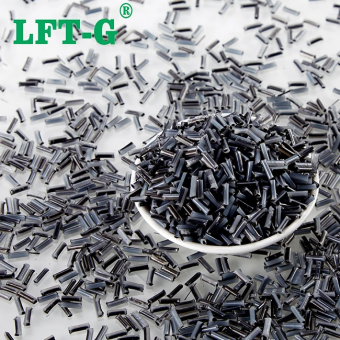
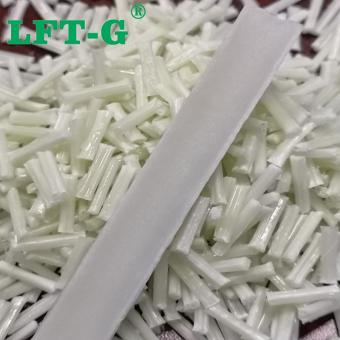
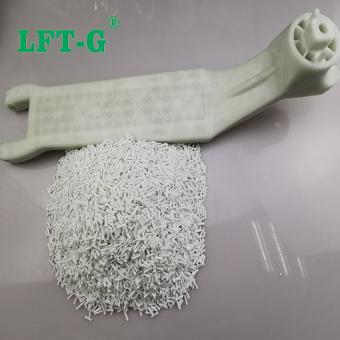
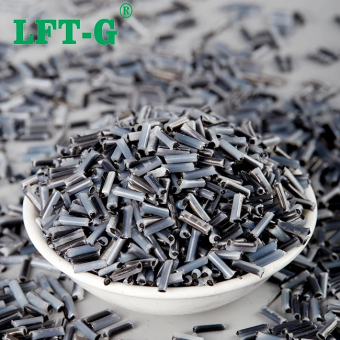
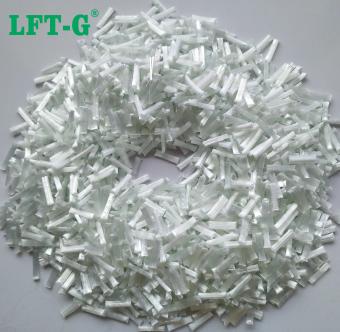
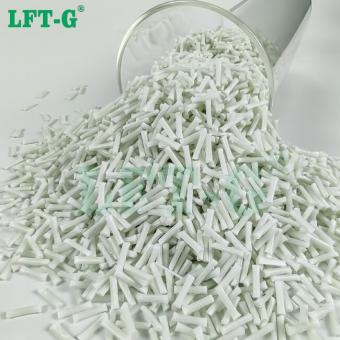
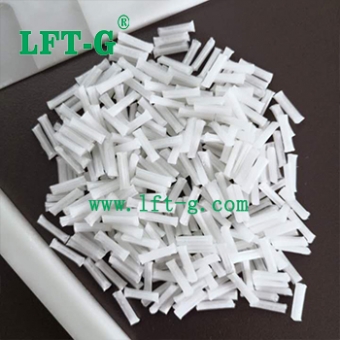
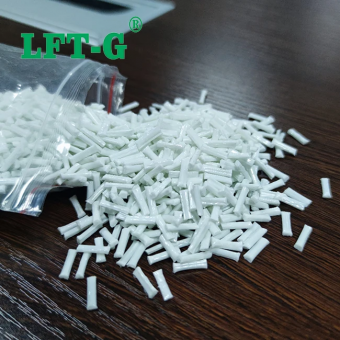
LFT-G® Polyamide 66 Long Carbon Fiber Filled Compounds Injection molding pelletsPA66-NA-LGF is a compounds filling long glass fiber
- Reinforced thermoplastic resin composites
- Nylon PA 6.6 high strength plastic
- China manufacturer engineering plastic
- CF filament enhanced materials
- long cut fiber instead metal and steel
- high mechanical properties
Tags :
-
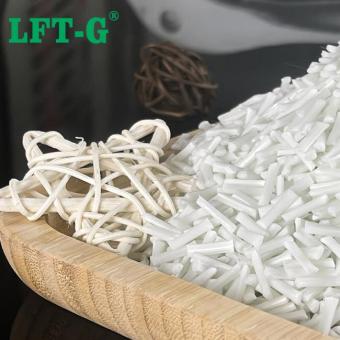
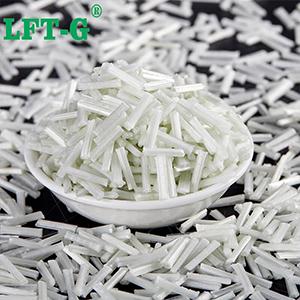
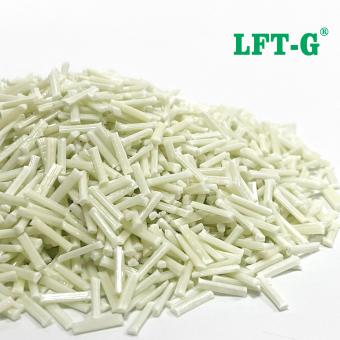
LFT-G Polyamide6 nylon6 filling long glass fiber orginal color for automotive partsThe main advantages of nylon 6 are its stiffness and resistance to abrasion. Moreover, this material has excellent impact strength, wear resistance, and electrical insulating properties. Nylon 6 is a highly elastic and fatigue-resistant material, meaning it will return to its original proportions after being distorted by tension. This polyamide is non-toxic and can be combined with glass or carbon fibers to increase performance.
- Polyamide 6 composite properties
- lgf thermoplastic resin good price
- High impact PA6 instead metal plastic
- injection molding plastic gf30 filter
- pa6 filling long glass fiber customized
- Reinforced plastic lightweight compounds
Tags :
-
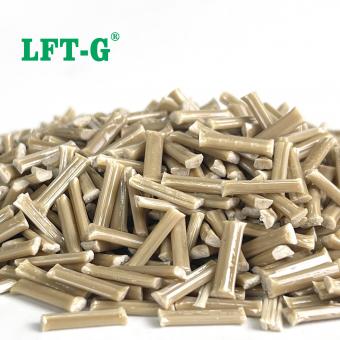
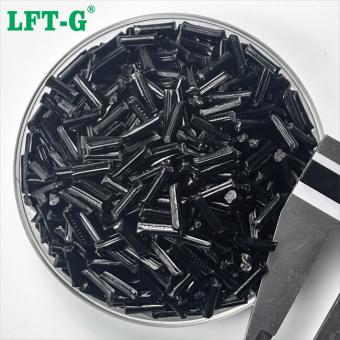
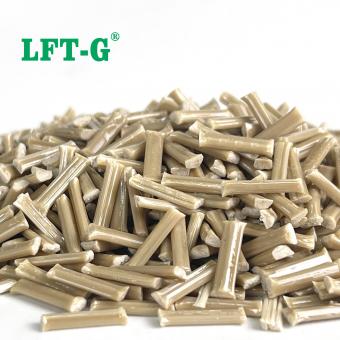
LFT Polyphenylene Sulfide PPS Manufacturer Glass Fiber filled Compounds engineeing use
- PPS thermoplastic resinforced material
- fiber filling polymer instead of metal steel
- Sample free natural plastic new GFRP
- engineering plastic structural parts
- modified resin good price low MOQ
- Car parts application bearings
Tags :
-
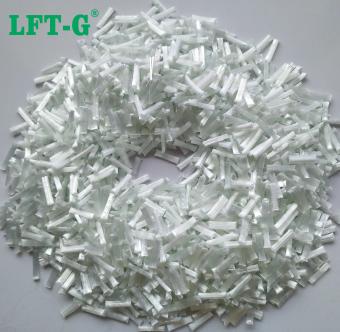
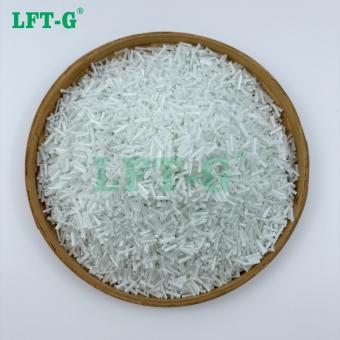
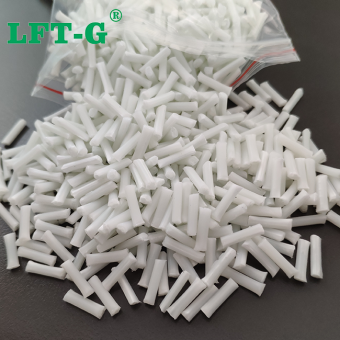
LFT Long Glass Fiber Reinforced PLA Compounds Injection MoldingPolyphthalamide is a high-performance resin and member of the nylon family with exceptional thermal, mechanical, and physical properties. It is hygroscopic, opaque, semicrystalline, and can be used in plastic injection molding. Most PPA are filled with glass fiber or carbon fiber to enhance stiffness for high-temperature applications. As a result, PPA is often used in applications in place of metal or higher-priced thermoplastic.
- wholesale glass fiber reinforced plastic resin dispenser in china
- pla price per kg
- thermoplastic resin suppliers
- reinforced pla
- polylactic acid (pla) plastic
- pla pellets
Tags :
-
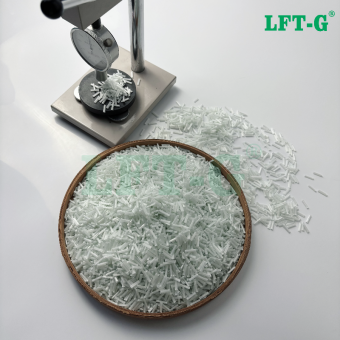
Xiamen LFT-G High toughness MXD6 composite filling long glass fiber original colorNylon - MXD6 is a kind of crystalline polyamide resin, which is synthesized by the condensation of m-benzoylamine and adipic acid.
- Crystalline nylon resin mxd6 gf good price
- Composite materials with long glass fiber mxd6
- Higher performance plastic mxd6
- Made in China products compounds mxd6
- Customized plastic fiber glass add high sstrength mxd6
- Thermoplastic resin thermoplastic resin
Tags :
-
Xiamen LFT-G Polypropylene filling long glass fiber high performance modified plastic 12mmPP-LGF Glass fiber reinforced PP, usually, the tensile strength of PP material is between 20M~30MPa, bending strength is between 25M~50MPa, bending modulus is between 800M~1500MPa. If PP is to be used in engineering structural parts, it must be reinforced with glass fiber. Glass fiber reinforced PP, through glass fiber reinforced PP product mechanical properties can be multiplied or even several times the improvement. Specifically, the tensile strength reaches 65MPa~90MPa, the bending strength reaches 70MPa~120MPa, and the bending modulus reaches 3000MPa~4500MPa. Such mechanical strength can be completely comparable with ABS and enhanced ABS products, and it is more heat resistant. Glass fiber reinforced PP, general ABS and reinforced ABS heat resistance temperature between 80℃~98℃, and glass fiber reinforced PP material heat resistance temperature can reach 135℃~145℃. PP filling modification, adding a certain amount of inorganic minerals in PP, such as talcum powder, calcium carbonate, titanium dioxide, mica, etc., can improve rigidity, improve heat resistance and luster; Filling carbon fiber, boron fiber, glass fiber can improve the tensile strength; Adding flame retardant can improve flame retardant property. Filling antistatic agent, colorant, dispersant, etc. can improve the antistatic property, colorability and fluidity, etc.; Filling nucleating agent can speed up the crystallization speed, increase the crystallization temperature, form more and smaller spherical crystals, thus improving the transparency and impact strength. Therefore, the filler has a significant effect on improving the performance of plastic products, improving the plastic molding processability and reducing the cost. Application As one of the four general plastic materials, PP has excellent comprehensive performance, good chemical stability, better molding performance and relatively low price; But it also has the strength, modulus, hardness is low, low temperature impact resistance strength is poor, forming shrinkage, easy aging and other shortcomings. Therefore, it must be modified so that it can adapt to the demand of the product. The modification of PP material is generally through adding mineral reinforcement toughening, weather resistance modification, glass fiber reinforcement, flame retardant modification and super toughness modification, and each kind of modified PP has a large number of applications in the field of household appliances. Glass fiber reinforced PP, can be used to make refrigerators, air conditioning refrigeration machines such as axial flow fans and cross flow fans. In addition, it can also be used to manufacture the inner drum of high speed washing machine, wave wheel, belt wheel to adapt to its high requirements on mechanical properties, for the rice cooker base and handle, electronic microwave oven and other places with high requirements on temperature resistance. Glass fiber reinforced PP. Ordinary short glass fiber reinforced PP, because the glass fiber contains short, easy warping, low impact strength, easy deformation when heated, long glass fiber can overcome the above defects of short glass fiber, and the product has a better surface, higher temperature, higher impact strength, can be used in refrigerators and kitchen appliances with high heat resistance. Glass fiber reinforced PP is on the basis of the original pure PP, adding glass fiber and other additives, so as to improve the scope of use of materials. Generally speaking, most glass fiber reinforced materials are used in the structural parts of the product, which is a kind of structural engineering materials. Datasheet Cases Xiamen LFT composite plastic Co., Ltd. Xiamen LFT Composite Plastic Co.,LTD was established in 2009, is a brand-name global suppliers of long fiber reinforced thermoplastic materials integrating product research & development(R&D), production and sale marketing. Our LFT products have passed the ISO9001&16949 system certification and have obtained lots of national trademarks and patents, covering the fields of automotive, military parts and firearms, aerospace, new energy, medical equipment, power wind energy, sports equipment, etc.
- long glass fiber polypropylene high performance
- pp injection molding composite
- PP resin compounds LFT GF
- pp lgf lft thermoplastic resin made in China
- lgf filling pp raw materials sample available
- pp industry use lft green materials
Tags :
-
Polypropylene PP Copolymer with Long Carbon Fiber Reinforcement PolymersLong fiber reinforced thermoplastics are an excellent option to consider for metal replacement at a fraction of the weight.
- Plastic increased mechanical properties
- Customization materials high quality ISO
- Injection molding plastic engineering factory
- LCF Carbon fiber filled thermoplastic resin
- long length pellets compounds manufacturer
- Continuous fibre long cut good performance
Tags :
-
Long glass fiber filled Polypropylene reinforced plastic pelletsGrade: General grade, Heat-resistant grade, UV-resistant grade, Toughen resistant grade Fiber specification: 20%-70%
- general grade modified PP GF30
- Heat-resistant grade long cut PP polymers
- UV-resistant grade PP LFT for home appliances
- Toughen resistant grade PP with filler glass fiber
- Injection grade PP compounds instead metal
- Wide application range PP thermoplastic resin
Tags :
-
LFT-G PA6 Polyamide6 nylon6 filling long glass fiber40 orginal color for automotive partsPA6 & PA6-LGF Long Glass Fiber Reinforced Nylon PA6, also known as Nylon 6, is a high-performance polyamide widely used in engineering plastics, fibers, and films. It is a thermoplastic polymer with repeating amide groups (-NH-CO-) in the main chain, offering strong mechanical properties and versatile processing capabilities. What is PA6 Plastic? PA6 is an aliphatic polyamide that provides excellent strength, wear resistance, and chemical resistance to weak acids, alkalis, and certain organic solvents. Its lightweight and processable nature make it widely applied in fibers, engineering plastics, and thin films. However, the polar amide groups in PA6 easily form hydrogen bonds with water molecules, which can result in high moisture absorption, dimensional changes, and reduced impact strength in dry or low-temperature conditions. Advantages of PA6 High mechanical strength and toughness with excellent tensile and compressive properties Outstanding fatigue resistance, maintaining strength after repeated bending High softening point, heat resistant Low friction and wear-resistant surface Corrosion resistance to alkalis, salts, weak acids, oils, and most solvents Self-extinguishing, non-toxic, odorless, and good weather and biological resistance Excellent electrical insulation even in high humidity environments Lightweight, easy to dye, and easy to mold due to low melting viscosity Limitations of PA6 High moisture absorption (up to 3% when saturated) Poor light and thermal stability; prolonged high-temperature exposure may cause discoloration and surface cracking Strict injection molding requirements; trace moisture can affect product quality Dimensional stability is sensitive to thermal expansion and wall thickness variations Not resistant to strong acids or oxidizing agents; unsuitable for acid-resistant applications Why Reinforce PA6 with Long Glass Fiber? To overcome the natural limitations of PA6, long glass fiber (LGF) reinforcement is applied. PA6-LGF composites combine the lightweight, chemical, and heat resistance of PA6 with the mechanical strength and dimensional stability of long glass fibers. LGF reinforcement improves tensile, compressive, and flexural strength, reduces shrinkage, enhances fatigue resistance, and provides improved thermal and chemical stability. This makes PA6-LGF ideal for high-performance structural components. Applications of PA6-LGF PA6 reinforced with 30% long glass fiber (30% LGF) is widely used in: Power tool shells and components Engineering machinery parts Automobile structural and functional components The composite improves mechanical strength, dimensional stability, heat resistance, aging resistance, and fatigue resistance. Its fatigue strength can be up to 2.5x that of unreinforced PA6. Processing and Forming Tips for 30% PA6-LGF Shrinkage is reduced to ~0.3% compared with 1–1.5% for pure PA6. Excessive fiber content may cause surface floating fibers and poor compatibility. 30% LGF is recommended for balanced performance. Recycled material content should be kept below 25% to avoid color and mechanical property degradation. Gradual cooling after molding prevents warping due to fiber orientation during injection molding. Mold design, gate position, and temperature control are critical. Customers & Staffs Certificates
- Polyamide 6 composite
- lgf thermoplastic resin
- High impact PA6
- injection molding plastic
- pa6 filling long glass fiber
- Reinforced plastic
Tags :
-
Xiamen LFT-G ABS Acrylonitrile Butadiene Styrene long glass fiber reinforced for industrial useABS Plastic | Acrylonitrile Butadiene Styrene Engineering Thermoplastic ABS (Acrylonitrile Butadiene Styrene) is a widely used engineering thermoplastic known for its excellent impact resistance, mechanical strength, and processing versatility. ABS plastic is an amorphous polymer commonly used in automotive, electrical, consumer, and industrial applications. What Is ABS Plastic? ABS plastic is a thermoplastic polymer produced by polymerizing acrylonitrile, butadiene, and styrene. Each component contributes specific performance advantages: Acrylonitrile – chemical resistance and thermal stability Butadiene – toughness and impact resistance Styrene – rigidity, surface quality, and processability Due to this balanced structure, ABS engineering plastic offers high impact resistance, good dimensional stability, and easy processing, making it one of the most versatile thermoplastics on the market. ABS is non-toxic in solid form, provides good electrical insulation, and is widely accepted as a safe and reliable material for mass production. Main Advantages of ABS Plastic As a general-purpose engineering thermoplastic, ABS plastic offers the following key advantages: Excellent impact resistance and toughness Good mechanical strength with low weight Easy injection molding, extrusion, and machining Good surface finish and paintability Low electrical and thermal conductivity Cost-effective and widely available ABS can withstand repeated heating and cooling cycles, making it suitable for recyclable applications and long-term industrial use. ABS Plastic vs PLA: Material Comparison ABS and PLA are both popular thermoplastics, but they serve very different application requirements. ABS is a tougher and more durable engineering plastic, while PLA is primarily used for prototyping and hobbyist 3D printing. ABS vs PLA: Mechanical Strength ABS offers higher impact resistance and toughness than PLA PLA is stiffer but more brittle ABS vs PLA: Heat Resistance ABS softening temperature: ~105°C PLA softening temperature: ~60°C Due to its superior heat resistance, ABS is better suited for functional parts exposed to elevated temperatures. ABS vs PLA: Dimensional Stability & Accuracy PLA is easier to print and produces dimensionally stable parts during 3D printing. ABS, however, tends to warp during printing but performs better in real-world mechanical applications once molded. ABS vs PLA: Surface Finish Both materials show visible layer lines in FDM printing. ABS can be vapor-smoothed using solvents such as acetone, resulting in a smooth and glossy surface, while PLA typically requires sanding or coating. ABS vs PLA: Environmental Impact PLA is biodegradable under industrial composting conditions ABS is not biodegradable but is recyclable PLA degradation requires controlled industrial conditions and can take decades in natural environments. ABS offers long service life and durability for industrial products. ABS vs PLA: Cost Comparison Both ABS and PLA are low-cost thermoplastics. ABS may be slightly more expensive, but the difference is generally minimal and application-dependent. Typical Applications of ABS Plastic Thanks to its balance of toughness, processability, and cost efficiency, ABS engineering plastic is widely used in: Automotive interior and exterior components Electrical and electronic housings Consumer products and appliances Industrial enclosures and structural parts Injection molded and extruded components
- ABS can be recycled plastic made in China
- thermoplastic resin raw materials
- abs for whole sell good price fiberglass
Tags :
-
Polypropylene PP Copolymer with Long Carbon Fiber Reinforcement PolymersLong fiber reinforced thermoplastics are an excellent option to consider for metal replacement at a fraction of the weight.view more
-
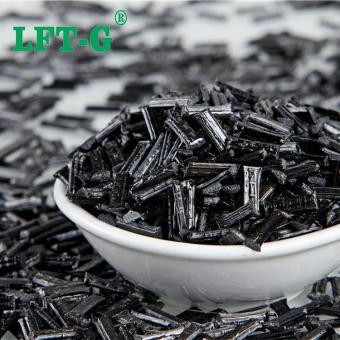
LFT modified Polyamide 6 reinforced plastic long carbon fiber thermoplastic resinPolyamide 6 (PA6) Material Polyamide 6 (PA6) has chemical and physical properties very similar to PA66. However, differences in molecular structure lead to distinct performance characteristics. PA6 features a lower melting point and a wider processing temperature window, offering better impact resistance and solubility resistance than PA66, while also exhibiting higher moisture absorption. Since many quality characteristics of plastic parts are affected by hygroscopicity, molding shrinkage is largely influenced by crystallinity and moisture absorption. Therefore, these factors must be carefully considered when designing PA6 products. Fiber-reinforced PA6 effectively reduces shrinkage and mitigates issues caused by moisture absorption. Its high crystallinity and excellent flowability contribute to improved dimensional stability and overall part performance. Datasheet Nylon products should be used with attention to dimensional deviation caused by thermal expansion and moisture absorption. Conventional PA6 also shows limited acid resistance and UV resistance. Long-term exposure to high temperatures may cause thermal oxidation, resulting in discoloration and eventual material degradation. Therefore, unmodified nylon is generally not recommended for outdoor applications. Carbon fiber reinforced modified PA6 significantly improves creep resistance, rigidity, wear resistance, and mechanical strength, enabling stable performance in outdoor and demanding environments. *Tip: Poor compatibility between carbon fiber and PA6 may lead to fiber floating and reduced mechanical properties. Xiamen LFT’s PA6 composites feature excellent fiber–matrix compatibility, effectively avoiding these issues. Advantages Strength & Durability: Excellent balance of rigidity and heat resistance Optimized Design: Superior surface appearance suitable for complex structures Excellent Processability: High flowability and thermal stability for precision molding High Thermal Stability: Reliable performance under elevated temperatures Stable Electrical Properties: Consistent insulation across wide temperature and frequency ranges Applications Long carbon fiber reinforced PA6 enhances strength, heat resistance, impact resistance, and dimensional stability, making it suitable for both industrial and consumer applications. With trends toward lightweight and compact automotive design, under-the-hood temperatures continue to rise. Carbon fiber reinforced PA6 meets these demanding requirements and is widely used in automotive engine components, electrical systems, body structures, and airbag-related parts. Due to its excellent mechanical properties, dimensional stability, heat resistance, and aging resistance, carbon fiber reinforced PA6 is also commonly applied in mechanical parts and aerospace equipment components. Long carbon fiber reinforced PA6 features high flowability, high rigidity, excellent mechanical strength, low shrinkage, creep resistance, thermal stability, wear resistance, oil resistance, uniform fiber dispersion, and good surface gloss. Typical applications include power tools, fishing equipment, automotive parts, machinery components, and office accessories. Certifications ISO 9001 & IATF 16949 Quality Management System Certification National Laboratory Accreditation Certificate Modified Plastics Innovation Enterprise REACH & RoHS Heavy Metal Compliance Factory Contact Us
- pa6 lcf granules high rigidity strength
- PA6 long carbon fiber extrusion or injection molding
- thermoplastic resin pa6 with fiber natural black
- Nylon composite pellets Polymer granules PA6
- Long carbon fiber Reinforced Polypropylene for electrial accessories
- LFT-G pellets pa6 low warping
Tags :