e-mail
 English
 français
 Deutsch
 русский
 italiano
 español
 português
 العربية
 日本語
日本語 한국의
한국의 中文
中文


-
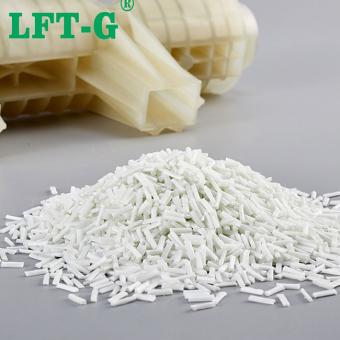
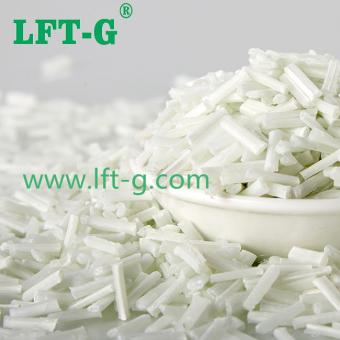
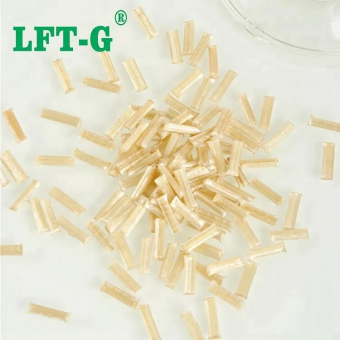
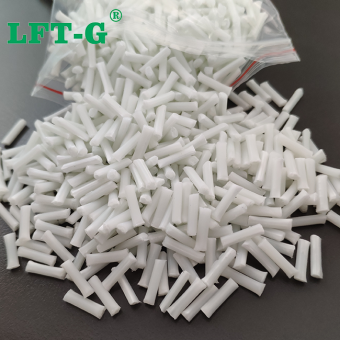
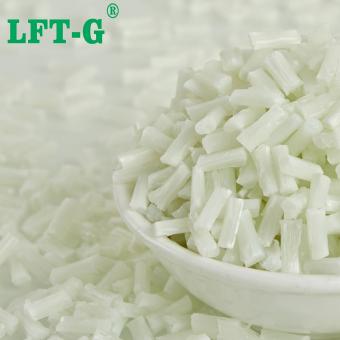
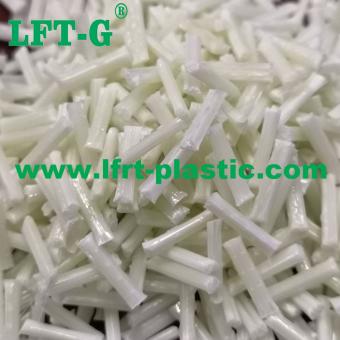
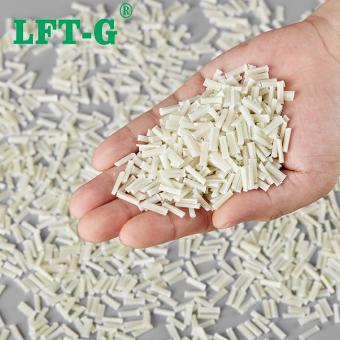
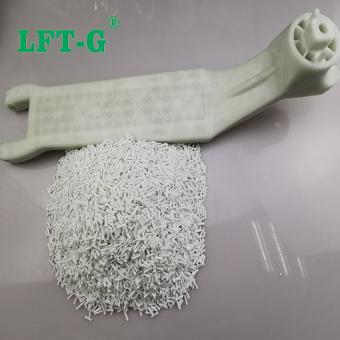
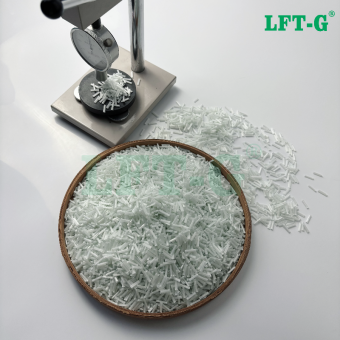
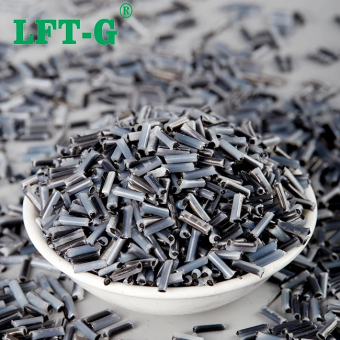
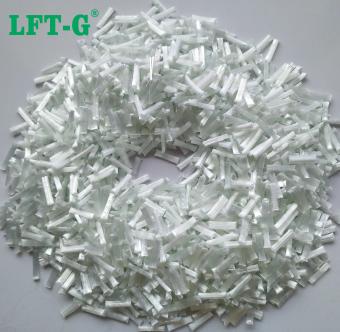
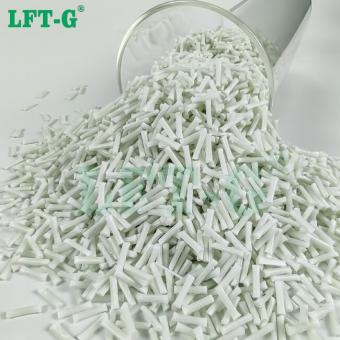
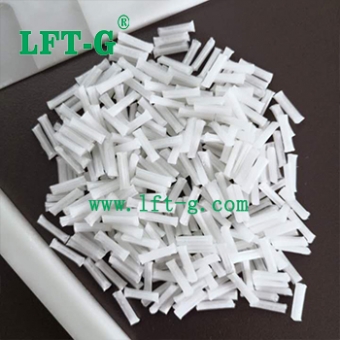
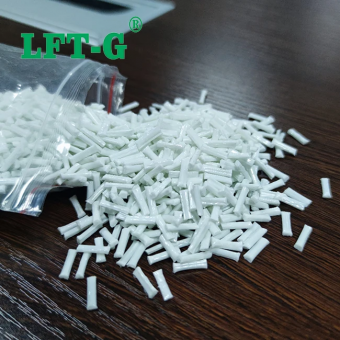
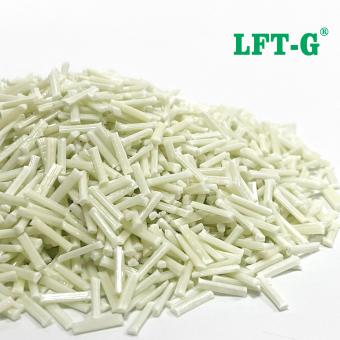
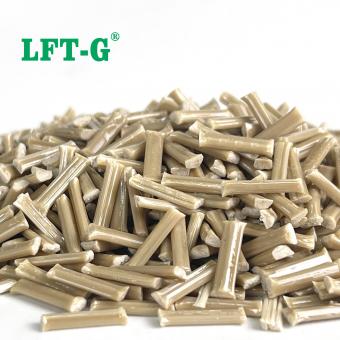
LFT Polylactic acid compounds filled long glass fiber thermoplastic resinPLA (Polylactic Acid) PLA, also known as polylactic acid, is a biodegradable and environmentally friendly polymer. Its production process is pollution-free, and the material can naturally degrade, making it one of the most representative green plastics. The structure of PLA has a significant impact on its heat resistance, toughness, mechanical strength, degradability, and biocompatibility. Among these, heat resistance is a key limitation. PLA molecular chains contain only one methylene group, forming a spiral structure with low chain mobility. As a result, PLA exhibits slow crystallization during injection molding, leading to low crystallinity and poor heat resistance. Additionally, during thermal processing, ester bonds may break, generating terminal carboxyl groups that accelerate thermal degradation through autocatalysis. LGF Reinforced PLA Long fiber reinforcement significantly enhances the performance of PLA. Fibers act as a structural skeleton within the polymer matrix, restricting molecular chain movement under heat and thereby improving thermal resistance. Various fibers can be used for PLA reinforcement, including: Natural plant fibers (sisal, flax, bamboo, coconut fiber, wood fiber) Animal fibers (silk) Mineral fibers (basalt fiber) Synthetic fibers (carbon fiber, glass fiber) Among these, carbon fiber and glass fiber are widely applied due to their high strength and modulus, while natural fibers are gaining attention for their sustainability and biodegradability. Studies show that reinforced PLA composites can achieve a Vicat softening temperature exceeding 140°C, significantly improving thermal performance compared to pure PLA. Comparison with Short Fiber (SGF) Compared to short fiber reinforced materials, long glass fiber (LGF) composites offer superior mechanical performance: 1–3 times higher toughness 50–100% increase in tensile strength and stiffness Better suitability for large structural parts Injection Molding Laboratory Warehouse Certifications Xiamen LFT Composite Plastic Co., Ltd. Xiamen LFT Composite Plastic Co., Ltd. specializes in long fiber reinforced thermoplastics (LFT & LFRT), including Long Glass Fiber (LGF) and Long Carbon Fiber (LCF) materials. Our materials are suitable for injection molding, extrusion (LFT-G), and direct molding (LFT-D). Fiber lengths can be customized from 5–25 mm according to customer requirements. Our products are manufactured using advanced continuous fiber impregnation technology and are certified under ISO9001 and IATF16949 systems, with multiple patents and registered trademarks.
- PLA composite plastic instead metal and steel
- polyactic acid materials High quality and strength
- modified pla compounds
- pla long glass fiber lgf made in China
- long glass fiber filling pla long fiber glass
- lft-g pla lgf thermoplastic resin virgin
Tags :
-
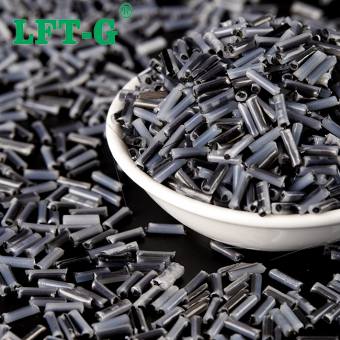
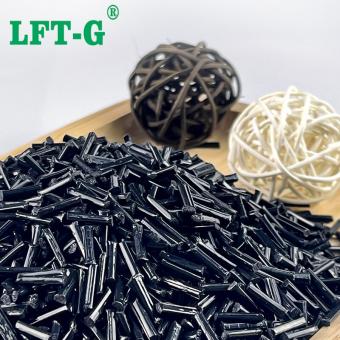
Polyamide 6 filling Long Carbon Fiber composite engineering plastic 5-25mm lengthProduct number: PA6-NA-LCF40 Product fiber: 20%-60% Product application: Suitable for manufacturing helmets, Car bumps and Robotic and arms etc. Product feature: High toughness, Light weight, High strength, Wear strength, Corrosion resistance, Creep resistance, Conduction, Heat transfer.
- Black color pa6 LCF 20-60 injection molding
- Heat transfer high performance PA6
- Sample available compounds pa6
- Customized products polyamide can be recycled
- Manufacturing use pa6 thermoplastic resin
- Instead medal nylon 6 for home appliance parts
Tags :
-
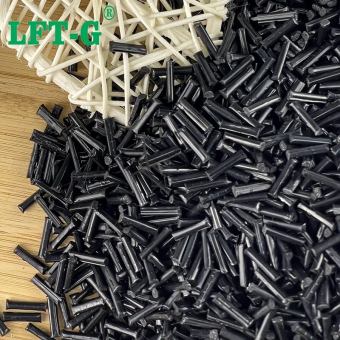
Plastic Factory Nylon 66 Fiber Reinforced PelletsNylon 6,6, also called Polyamide 66, is a more crystalline version of nylon 6. It is also referred to as polyamide 66 or PA 66. It has improved mechanical properties due to its more ordered molecular structure. Nylon 66 for machining has improved temperature resistance and lower rates of water absorption when compared to standard nylon 6.
- LCF PA66 material
- thermal conductive plastic
- carbon fiber reinforced plastic composite
- carbon fiber reinforced plastic
- fiber reinforced composite
- custom plastic compound supplier
Tags :
-
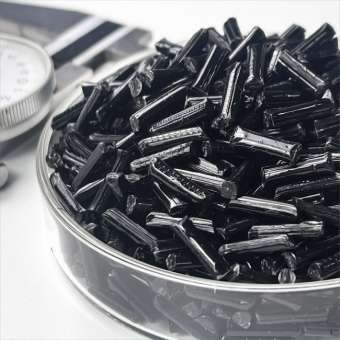
PP Carbon Fiber PelletsThe modified polypropylene material reinforced by carbon fiber has a series of advantages, such as light weight, high modulus, high specific strength, low coefficient of thermal expansion, high temperature resistance, heat shock resistance, corrosion resistance, good vibration absorption, etc., and can be applied to auto parts such as automobile sub-instrument assembly.
- polypropylene fiber reinforced concrete
- carbon reinforced fiber
- carbon fiber reinforced polymer
- polypropylene pp
- pp pellets
- carbon compounds
Tags :
-
PP Polypropylene gf materials injectionGlass reinforced PP Polypropylene materials polymer long glass fiber 30% injection for car parts,washing machine parts.
- Compound plastic materials PP resin
- Polypropylene with long glass fiber
- pp filling glass fiber reinforced thermoplastic
- High strength modified material
- pp lgf lft PP GF30 high rigidity
- long glass fiber reinforced polypropylene
Tags :
-
LFT-G PPS composite long glass fiber engineering plasticsWhat is the PPS? Polyphenylene sulfide (PPS) is a new thermoplastic resin with high performance. By filling, modified with excellent high temperature resistance, corrosion resistance, wear resistance, flame retardant, balanced physical and mechanical properties and excellent dimensional stability and excellent electrical properties and other characteristics of the new high performance thermoplastic resin, as well as high mechanical strength, chemical resistance, flame resistance, good thermal stability, excellent electrical properties and other advantages. It has the advantages of hard and brittle, high crystallinity, inflammability, good thermal stability, high mechanical strength, excellent electrical properties, strong chemical corrosion resistance and so on. The mechanical properties of pure PPS are not high, especially the impact strength is relatively low. Good creep resistance under load, high hardness; High wear resistance, the wear at 1000 RPM is only 0.04g, and will be further improved after filling F4 and molybdenum disulfide; It also has a certain degree of self-moistening. The mechanical properties of PPS are less sensitive to temperature. What is the PPS-LGF? PPS is one of the best varieties of heat resistance in the engineering plastic department. The thermal deformation temperature of the material modified by glass fiber is generally greater than 260 degrees, and the chemical resistance is second only to PTFE. In addition, it also has small shrinkage, low water absorption, good fire resistance. Good resistance to vibration fatigue, strong resistance to arc, especially at high temperature. Excellent electrical insulation in high humidity. But its disadvantages are brittleness, toughness, low impact strength, after modification, can overcome the above shortcomings, obtain very excellent comprehensive performance. As a plastic, its properties and uses far exceed those of ordinary plastics, and in many ways it is as good as metal materials. Excellent material PPS has the advantages of high temperature corrosion resistance, excellent mechanical properties, can replace metal including stainless steel, copper, aluminum, alloy, etc., is considered to be the best substitute for metal, copper. What is the application of PPS-LGF? PPS is now widely used in automotive, aerospace, household appliances, mechanical construction and chemical industry for a variety of structural parts, transmission parts, insulation parts, corrosion resistant parts and seals. Under the condition of ensuring sufficient strength and other properties, the weight of the product is greatly reduced. Datasheet for reference Details Number Color Length MOQ Package Sample Delivery time Port of Loading PPS-NA-LGF30 Original color (can be customized) 5-25mm above 25kg 25kg/bag Available 7-15 days after shipment Xiamen Poer Production process Trademarks and patents Teams and customers We will offer you: 1. LFT & LFRT material technical parameters and leading edge design 2. Mold front design and recommendations 3. Provide technical support such as injection molding and extrusion molding.
- PPS Long glass fiber 40
- pps compounds lgf
- pps resin materials lft instead metal steel
- lft-g pps reinforced plastic
- long glass fiber filling pps
- termoplastic resin pps lgf
Tags :
-
LFT-G modified ABS compounds Long Glass Fiber for automotive partsABS material Acrylonitrile-butadiene styrene (ABS) resin is an opaque amorphous thermoplastic engineering plastic with complex two-phase structure. It is composed of styrene, acrylonitrile and butadiene in different proportions. In the 1970s, it began to be recognized by the public and began to be used. In the 1990s, the market demand grew rapidly. At present, it should be used in domestic and foreign markets, especially in construction, home appliances, automobiles and other industries. ABS-LGF Long glass fiber is widely used in engineering plastics. Reinforced ABS composites are made by adding a certain percentage of glass fiber, with the addition of 30% to 50% glass fiber being the most common. So as to improve the mechanical properties of ABS. Such as tensile properties, bending properties, and the corresponding molding shrinkage rate is not reduced, so that the material will not stress cracking. Advantages: 1. Long glass fiber reinforced, glass fiber is a high temperature resistant material, therefore, the heat resistant temperature of reinforced plastic is much higher than before without glass fiber, especially nylon plastics 2. After long glass fiber reinforcement, due to the addition of long glass fiber, the mutual movement between polymer chains of plastic is limited, therefore, the shrinkage rate of reinforced plastics decreases a lot, and the rigidity is greatly improved. 3. After long glass fiber reinforcement, reinforced plastics will not stress crack, at the same time, the anti-impact performance of plastics is improved a lot. 4. After long glass fiber reinforcement, glass fiber is a high strength material, which also greatly improves the strength of plastic, such as: tensile strength, compression strength, bending strength, improve a lot. 5. Long glass fiber reinforced after, due to the addition of glass fiber and other additives, the combustion performance of reinforced plastics decreased a lot, most of the material can not ignite, is a kind of flame retardant material. Datasheet for reference only Processing flow Cases About Xiamen LFT-G Xiamen LFT composite plastic Co., Ltd. is a brand-name company that focuses on LFT&LFRT. Long Glass Fiber Series(LGF) & Long Carbon Fiber Series(LCF). The company's thermoplastic LFT can be used for LFT-G injection molding and extrusion, and can also be used for LFT-D molding. It can be produced according to customer requirements: 5~25mm length. The company's long-fiber continuous infiltration reinforced thermoplastics have passed ISO9001 & 16949 system certification, and the products have obtained lots of national trademarks and patents.
- Modified material lft injection molding
- ABS compounds long glass fiber
- lgf injection mold abs for engineering
- reinforced material abs filling lgf
- ABS-LGF30 thermoplastic resin
- Thermoplastic resin ABS
Tags :
-
High strength PA12 nylon12 composite lgf virgin white color for automotiveProduct number: PA12-NA-LGF Fiber specification: 20%-60% Product feature: High strength, High toughness and durability Product application: Suitable for automotive, sports parts, solar energy, photovoltaic industry and other industries.
- Nylon12 filling long glass fiber reinforced plastic
- Durability high mechanical properties
- Photovoltaic industry compounds
- Injection grade thermoplastic resin
- 24h service customized plastic instead metal
- Supplier price good price pa6 composites
Tags :
-
LFT MXD6 filling Long glass fiber high toughness injection moldingPPA Engineering Plastic (High Temperature Nylon) | Xiamen LFT body{ font-family: Arial, Helvetica, sans-serif; line-height:1.8; color:#111; max-width:1100px; margin:0 auto; padding:20px; } h1,h2,h3{color:#1f6f3f; margin-top:28px;} h1{font-size:28px;} h2{font-size:24px;} h3{font-size:20px;} p{font-size:16px; margin:10px 0;} ul{margin:10px 0 10px 20px;} .box{ background:#f5f7f5; border-left:4px solid #1f6f3f; padding:15px; margin:15px 0; } .img{ width:100%; max-width:700px; height:auto; display:block; margin:15px 0; } .highlight{color:#1f6f3f; font-weight:bold;} PPA (Polyphthalamide) Engineering Plastic PPA (Modified Polyphthalamide) is a high-performance semi-aromatic nylon with excellent heat resistance, mechanical strength, and chemical stability, widely used in demanding engineering applications. Material Overview PPA offers a heat deformation temperature above 300°C and continuous service temperature up to 170°C, making it suitable for high-temperature environments. It maintains excellent strength, stiffness, fatigue resistance, and creep resistance under high temperature and humidity conditions. Key Characteristics Excellent heat resistance (HDT > 300°C) High mechanical strength and stiffness Outstanding fatigue and creep resistance Good chemical resistance and crack resistance Stable performance under high humidity Excellent surface quality and appearance Short injection molding cycle time Performance Advantages Mechanical Performance High strength, hardness, and toughness allow PPA to replace metal in many applications. Thermal Stability Compared with PA46, PPA offers higher thermal stability and better long-term performance at elevated temperatures. Electrical & Arc Resistance Excellent CTI (comparative tracking index) and arc resistance make it suitable for electronic components. Chemical Resistance Strong resistance to oils, fuels, glycols, and many industrial chemicals. Processing Advantages Good flowability and short cycle time improve production efficiency in injection molding. Application Fields Automotive Industry Used in fuel systems, transmission systems, and engine components to reduce weight and extend service life. Electronics & Electrical Applied in connectors, sensors, switches, chip sockets, and high-density PCB components. Industrial Components Suitable for bearings, seals, compressor parts, and wear-resistant mechanical components. High-End Applications Used in coating, plating, and flame-retardant applications requiring high surface quality. Processing Guidelines Drying: Moisture content must be controlled below 0.1% before processing to avoid molecular degradation. Injection Temperature: 615–650°F (approx. 324–343°C) Mold Temperature: ≥275°F for optimal crystallization and dimensional stability Cycle Time: Short residence time (<10 minutes in barrel recommended) Product Features Available for injection molding applications Compatible with high-performance reinforced grades Supports surface finishing and plating grades Custom color and formulation available Supplier Information Xiamen LFT Composite Plastic Co., Ltd. Specialized in long fiber reinforced thermoplastics (LFT) including LGF and LCF modified engineering plastics. ISO9001 & IATF16949 certified Customized formulations available Strong R&D and in-house testing lab Global supply capability Professional technical support for injection molding
- polyadipyl-m-benzoylamine LGF
- long fiber glass composite
- Modified lgf manufacturer direct sell
- MXD6 compounds long glass fiber
- best price whole sell polymer reinforcement
- lft-g MXD6 fiber filled GF 20%-60%
Tags :
-
lft-g PA66 reinforced material long glass fiber 30% specification Polyamide66 modified plasticWhat is PA66? PA66 (Polyamide 66), also known as Nylon 66, is a semi-crystalline thermoplastic widely used in automotive, electrical, electronic, and industrial applications. It offers excellent mechanical strength, wear resistance, and thermal stability. What is PA66-LGF? PA66-LGF (Long Glass Fiber Reinforced Nylon 66) is a modified engineering plastic made by reinforcing PA66 with long glass fibers. This significantly improves mechanical performance, dimensional stability, and heat resistance. Compared with unfilled PA66, LGF-reinforced PA66 offers: Higher strength and stiffness Improved dimensional stability (low warpage and shrinkage) Better fatigue and creep resistance Reduced water absorption impact on properties Material Characteristics High mechanical strength and rigidity Excellent heat resistance and wear resistance Good chemical resistance (oils, fuels, greases) Low friction and self-lubricating properties Stable performance under humid and variable environments Applications 1. Automotive Industry Used in engine covers, intake systems, cooling components, interior and structural parts such as dashboards, door handles, and brackets. 2. Electrical & Electronics Applied in connectors, switches, insulation parts, housings, and electrical components requiring flame resistance and dimensional stability. 3. Industrial & Machinery Suitable for gears, bearings, fasteners, conveyor parts, and structural mechanical components requiring high strength and durability. Product Specification ItemSpecification GradePA66-LGF30 Fiber Length12 mm ColorNatural / Customized MOQ25 kg Packaging25 kg/bag Delivery Time7–15 days PortXiamen Port FAQ 1. Is higher glass fiber content always better? Not necessarily. The optimal fiber content depends on application requirements such as strength, toughness, and surface quality. 2. Can LGF materials be used for appearance parts? Yes, but surface quality must be evaluated based on product design and mold conditions. 3. How to choose reinforcement length? Selection depends on required mechanical performance and final application conditions. Supplier Information Xiamen LFT Composite Plastic Co., Ltd specializes in long fiber reinforced thermoplastics (LFT-G / LFT-D), including PP, PA6, PA66, PPA, PBT, TPU, and other engineering materials. We provide customized solutions for automotive, electronics, and industrial applications.
- Polyamide 66 lgf filling lgf
- long glass fiber polyamide66
- pa66 lgf30
- long fibre reinforced thermoplastics
- long fiber compounds pa66
- polyamide 6.6 lgf30
Tags :
-
Nylon6 filling long glass fiber40 orginal color for automotive partsWhat is PA6 Plastic? Polyamide (PA), commonly known as Nylon, is a thermoplastic engineering plastic containing amide groups (-NHCO-) in its molecular chain. It can be divided into aliphatic and aromatic polyamides and is one of the earliest and most widely used engineering plastics. Polyamide materials are widely used in fibers, engineering plastics, and films. According to the number of carbon atoms in the molecular structure, many types of polyamides can be produced, among which PA6, PA66, and PA610 are the most commonly used. Introduction to PA6 (Polyamide 6) PA6 is an aliphatic polyamide known for its lightweight properties, high mechanical strength, wear resistance, and excellent processing performance. It is widely used in engineering plastics, fibers, automotive components, and industrial applications. However, PA6 molecules contain highly polar amide groups that easily form hydrogen bonds with water molecules. As a result, PA6 has relatively high water absorption, which may affect dimensional stability and impact performance under dry or low-temperature conditions. Advantages of Nylon 6 (PA6) High mechanical strength and excellent toughness Outstanding fatigue resistance under repeated bending High heat resistance and softening point Low friction coefficient and excellent wear resistance Excellent resistance to oils, alkalis, and general solvents Good anti-aging and weather resistance Self-extinguishing, non-toxic, and odorless Excellent electrical insulation performance Lightweight and easy to process and mold Disadvantages of Nylon 6 (PA6) High water absorption rate Poor dimensional stability in humid environments Limited resistance to strong acids and oxidants Surface discoloration and oxidation under long-term high temperatures Strict injection molding moisture requirements Possible deformation and warpage during molding Why Fill PA6 with Long Glass Fiber? Although PA6 has excellent mechanical properties and processing performance, its high water absorption and dimensional instability limit its use in high-performance engineering applications. To improve the overall performance of PA6, reinforcement modification is commonly used. Adding long glass fiber (LGF) or carbon fiber significantly enhances: Mechanical strength Impact resistance Dimensional stability Heat resistance Fatigue resistance Structural rigidity Long glass fiber reinforced PA6 is widely used in automotive, industrial, and structural engineering applications. Applications of PA6-LGF PA6 reinforced with 30% long glass fiber (LGF30) is an ideal engineering material for: Power tool housings and components Automotive structural parts Engineering machinery components Industrial load-bearing structures Mechanical and electrical equipment parts Compared with unreinforced PA6, the fatigue resistance strength can be increased by up to 2.5 times. Processing & Forming Guidelines for PA6 + 30% LGF Adding 30% long glass fiber can reduce PA6 shrinkage from approximately 1–1.5% down to around 0.3%. Excessive recycled material should be avoided, as it may reduce mechanical properties and cause discoloration. Recycled material should generally not exceed 25% and must be fully dried before processing. Fiber orientation during injection molding may cause warpage; proper gate design and mold temperature control are recommended. Slow cooling in hot water treatment can help reduce internal stress and deformation. Customers & Staff Certificates
- Polyamide 6 composite properties
- lgf thermoplastic resin good price
- High impact PA6 instead metal plastic
- injection molding plastic gf30 filter
- pa6 filling long glass fiber customized
- Reinforced plastic lightweight compounds
Tags :
-
Polyamide 6 filling Long Carbon Fiber reinforced thermoplastic materialPA6 Long Carbon Fiber Reinforced Thermoplastic High-performance PA6 reinforced with long carbon fiber (LCF) combines lightweight properties, superior mechanical strength, dimensional stability, and outstanding durability for demanding industrial applications. Polyamide 6 (PA6) Nylon 6 (PA6) is a widely used engineering plastic known for its lightweight structure, excellent wear resistance, corrosion resistance, and high toughness. As a thermoplastic resin, PA6 can be repeatedly softened by heating and hardened by cooling, making it highly suitable for repeated processing and molding applications. Long Carbon Fiber (LCF) Carbon fiber features high strength, high modulus, excellent electrical conductivity, and an outstanding strength-to-weight ratio. Compared with traditional glass fiber, carbon fiber provides superior mechanical performance while maintaining lightweight characteristics. Long carbon fiber reinforced thermoplastics are increasingly replacing traditional metal materials in industries such as electric vehicles, electronics, industrial equipment, medical devices, and sports products. LCF vs SCF Long carbon fiber (LCF) reinforced materials provide better impact resistance, fatigue performance, and structural integrity compared with short carbon fiber (SCF) materials. Advantages of Long Carbon Fiber Reinforcement High Strength Excellent mechanical performance with outstanding toughness and durability. Lightweight Lower density compared with traditional metal materials. Thermal Stability Low thermal expansion coefficient and excellent heat resistance. Corrosion Resistance Outstanding resistance to chemicals, aging, and environmental exposure. TDS of PA6 for Reference Applications of PA6-LCF PA6 reinforced with long carbon fiber is widely used in structural and lightweight applications requiring high strength and impact resistance. Helmets Automotive bumpers Treadmills and sports equipment Industrial machinery parts Electric vehicle components Consumer electronics Certifications Factory & Warehouse Teams & Customers About Us Xiamen LFT Composite Plastic Co., Ltd. is a professional manufacturer specializing in Long Fiber Reinforced Thermoplastics (LFT & LFRT), including Long Glass Fiber (LGF) and Long Carbon Fiber (LCF) series materials. Our thermoplastic materials are suitable for injection molding, extrusion, and LFT-D molding applications. Fiber length can be customized from 5mm to 25mm according to customer requirements. The company has passed ISO9001 and IATF16949 certifications, and our products have obtained multiple patents and trademarks.
- carbon fiber reinforced plastics granules
- long carbon fiber reinforced pa6
- long fiber compounds pa6 nylon
- long fiber composite pa6 granules
- long carbon fiber polyamide6 higher peroformance
Tags :