e-mail
 English
 français
 Deutsch
 русский
 italiano
 español
 português
 العربية
 日本語
日本語 한국의
한국의 中文
中文


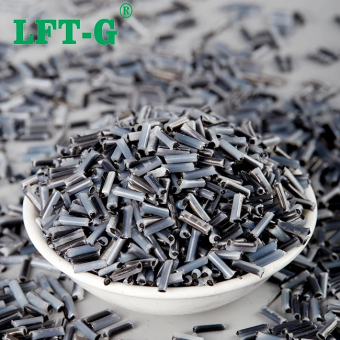
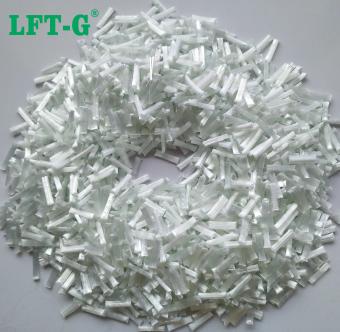
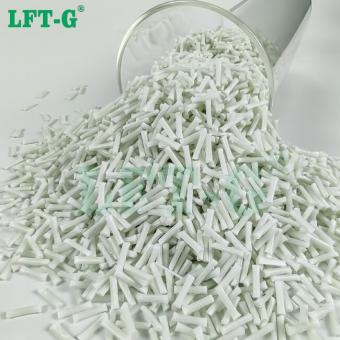
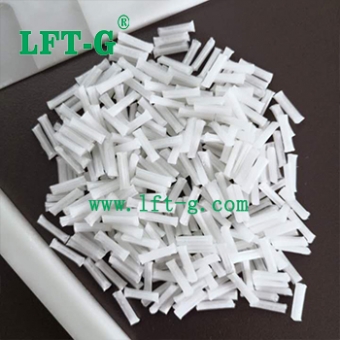
-
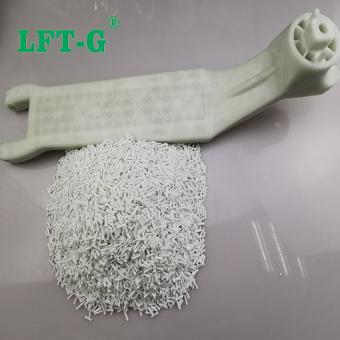
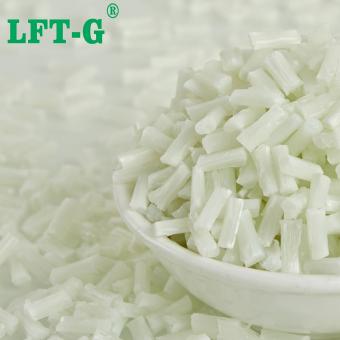
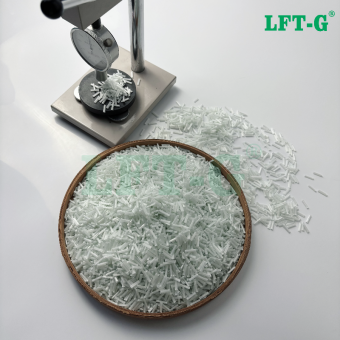
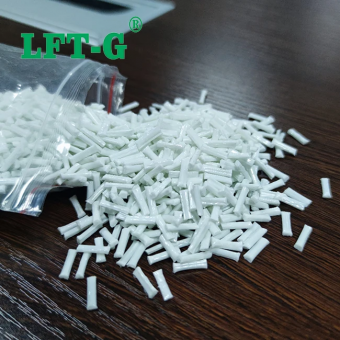
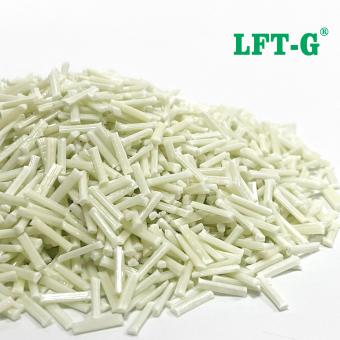
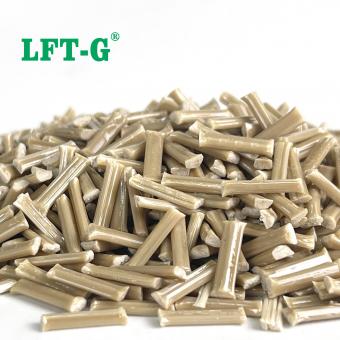
LFT High Density Polyethylene Long Glass Fiber 20%-60% high toughness pellets 12mm lengthHDPE & Long Glass Fiber Overview body { font-family: Arial, sans-serif; line-height: 1.6; color: #333; } h2 { font-size: 24px; color: #339933; margin-top: 30px; } p { font-size: 18px; } ul { font-size: 18px; margin-left: 20px; } img { max-width: 100%; margin-top: 15px; margin-bottom: 15px; } HDPE High-density polyethylene (HDPE) is a granular product that is non-toxic and odorless. It has a crystallinity of 80%–90%, a softening point of 125–135℃, and can be used up to 100℃. Compared to low-density polyethylene, HDPE has better hardness, tensile strength, and creep resistance. It also offers superior wear resistance, electrical insulation, toughness, and cold resistance. HDPE has excellent chemical stability—it is insoluble in organic solvents at room temperature and resistant to acids, alkalis, and various salts. Long Glass Fiber Glass fiber reinforced plastics (GFRP) are made by adding glass fibers and other additives to pure plastics, which significantly extends the material’s application range. These reinforced materials are commonly used for structural parts in products made from PP, ABS, PA66, PA6, HDPE, PPA, TPU, PEEK, PBT, PPS, and others. Advantages High heat resistance: Glass fiber is heat resistant, so reinforced plastics can withstand much higher temperatures, especially nylon-based plastics. Reduced shrinkage and improved rigidity: Glass fiber restricts polymer chain movement, decreasing shrinkage and significantly improving rigidity. Improved impact resistance: Reinforced plastics resist stress cracking and have much higher impact strength. Enhanced mechanical strength: Tensile strength, compressive strength, and bending strength are greatly improved. Flame retardancy: Addition of glass fiber and other additives reduces combustibility; most reinforced plastics cannot be ignited. Datasheet Contact Us
- HDPE compounds white color
- high performance hdpe modified plastic
- injection molded plastic virgin
- hdpe pellets polymer resins underground pipe
- engineering plastic can be recycled
- hdpe fittings best price 25kg/bag
Tags :
-
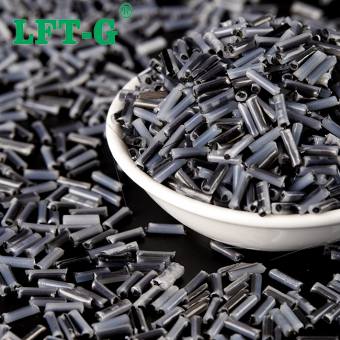
LFT POLYAMIDE 6 Nylon Reinforced long glass fiber orginal color for automotive partsWhat is PA6 (Nylon 6)? PA6 (Polyamide 6), commonly known as Nylon 6, is a semi-crystalline thermoplastic engineering plastic containing amide groups (-CONH-) in its molecular backbone. It is one of the most widely used engineering polymers in the world. PA6 is produced from caprolactam and is available in various grades including PA6, PA66, PA610, etc., depending on the monomer structure. Among them, PA6 and PA66 are the most commonly used in industrial applications. PA6 offers excellent mechanical strength, wear resistance, and processability, making it widely used in fibers, engineering plastics, and films. Properties of PA6 PA6 provides a balanced combination of mechanical and chemical performance, including: High tensile and compressive strength Excellent toughness and fatigue resistance Good wear and abrasion resistance Strong resistance to oils, fuels, and most organic solvents Good electrical insulation properties Easy processing and good moldability However, PA6 also has some limitations such as high moisture absorption, dimensional instability, and reduced impact performance at low temperatures. Limitations of PA6 High water absorption affects dimensional stability Poor UV resistance and long-term thermal oxidation behavior Property variation under humid environments Processing sensitivity to moisture content Why Reinforce PA6 with Long Glass Fiber? To overcome the limitations of neat PA6, reinforcement with long glass fibers (LGF) is widely used. This is a common physical modification method to significantly enhance material performance. By incorporating long glass fibers into the PA6 matrix, the following properties are greatly improved: Mechanical strength and stiffness Dimensional stability Heat resistance Fatigue performance Load-bearing capability Applications of PA6-LGF 30% long glass fiber reinforced PA6 is widely used in high-performance structural components, including: Power tools: housings and structural parts Automotive industry: engine components, structural brackets, interior and exterior parts Industrial equipment: mechanical parts and housings Its fatigue strength can reach up to 2.5× higher than unreinforced PA6, making it ideal for demanding applications. Processing Guidelines (PA6-LGF 30%) The addition of 30% long glass fiber significantly reduces shrinkage to approximately 0.3%, compared to 1.0–1.5% for neat PA6. Higher fiber content generally leads to lower shrinkage, but may also increase surface fiber exposure and processing challenges. Recommended processing notes: Recycled material usage should be controlled within 25% Material must be properly dried before processing Excessive reprocessing may affect mechanical performance and color stability Mold design should consider fiber orientation and flow balance Post-cooling in warm water helps reduce warpage and internal stress Customers & Production Certifications
- Polyamide 6 composite materials
- lgf thermoplastic resin granules
- High impact pa series engineer plastic
- injection molding plastic
- pa6 filling long glass fiber
- made in China high performance plastic
Tags :
-
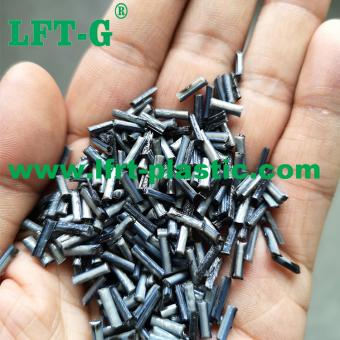
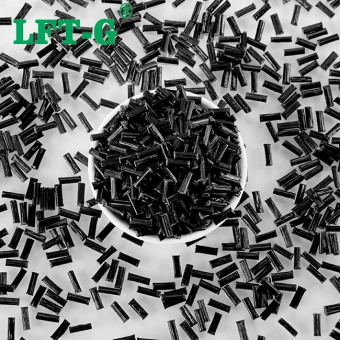
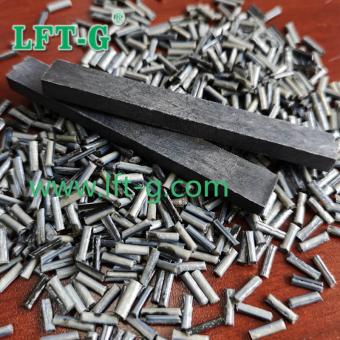
Polyamide 6 filling Long Carbon Fiber composite engineering plastic 5-25mm lengthProduct number: PA6-NA-LCF40 Product fiber: 20%-60% Product application: Suitable for manufacturing helmets, Car bumps and Robotic and arms etc. Product feature: High toughness, Light weight, High strength, Wear strength, Corrosion resistance, Creep resistance, Conduction, Heat transfer.
- Black color pa6 LCF 20-60 injection molding
- Heat transfer high performance PA6
- Sample available compounds pa6
- Customized products polyamide can be recycled
- Manufacturing use pa6 thermoplastic resin
- Instead medal nylon 6 for home appliance parts
Tags :
-
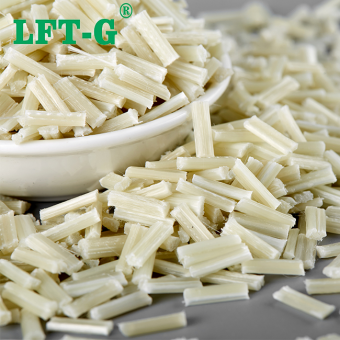
Xiamen LFT PPA Polyphthalamide filled Long Glass Fiber reinforced plastic resinPPA (Polyphthalamide) is polyphthalamide.PPA is a kind of thermoplastic functional nylon with both semi-crystalline structure and non-crystalline structure. It is prepared by polycondensation of phthalic acid and phthalenediamine. It has excellent thermal, electrical, physical and chemical resistance and other comprehensive properties.
- 2023 New product made in China good price
- PPA resin long glass fiber GFRP high performance
- Thermoplatics material
- Sample available instead metal and steel
- Supplier price best thermoplastic resin
- general grade low warpage
Tags :
-
LFT-G PEEK high quality modified materials fill long carbon fiber for automotives good performanceThroughout the plastics industry, PEEK is widely recognized as one of the leading high-performance polymers (HPP). While metals have traditionally dominated industries such as automotive, aerospace, oil & gas, and medical devices, PEEK materials are rapidly transforming the market with lightweight and high-strength alternatives. What is PEEK Material? PEEK (Polyether Ether Ketone) belongs to the family of aromatic polyketone polymers, also known as Polyaryletherketone (PAEK). It is one of the world's most advanced thermoplastic engineering materials. Research on PEEK began in the 1960s, and the material was first commercialized by Imperial Chemical Industries (ICI) in 1981. Chemically, PEEK is a semi-crystalline linear polymer that combines excellent mechanical strength, high heat resistance, chemical resistance, wear resistance, and dimensional stability. Compared with traditional metals, PEEK materials are lightweight, corrosion-resistant, easy to process, and offer exceptional specific strength (strength-to-weight ratio). Datasheet for Reference Key Advantages of PEEK High Heat Resistance Continuous operating temperature up to 260°C (500°F), suitable for extreme thermal environments. Chemical Resistance Resistant to fuels, oils, hydraulic fluids, solvents, and harsh chemical environments. Mechanical Strength Excellent stiffness, fatigue resistance, and creep resistance over long service life. Flame Resistance High ignition temperature with low smoke emission, widely used in aerospace applications. Recyclable & Reprocessable Can be repeatedly melted and processed with minimal property loss. Electrical Stability Excellent electrical insulation properties, with optional conductive modifications available. PEEK is also non-hygroscopic, radiation resistant, and transparent under X-ray exposure, making it ideal for medical and electronic applications. As a thermoplastic engineering material, PEEK can be processed by injection molding, extrusion, and compression molding using conventional equipment. Today, PEEK is increasingly replacing traditional metals and alloys in demanding applications where lightweight structures, durability, and long-term reliability are required. Applications PEEK materials are widely used in: Automotive components Aerospace structures Oil & gas equipment Medical devices Electrical and electronic applications Industrial machinery parts Contact us for additional application solutions and customized material recommendations. Production Processing Injection molding is one of the most common methods for manufacturing PEEK plastic components. During injection molding, molten PEEK material is injected into a mold cavity under high pressure. After cooling and solidification, the finished part is ejected from the mold. This process enables the production of complex, thin-wall, high-precision components with excellent surface finish and dimensional stability. Certifications ISO9001 / IATF16949 Quality Management Certification National Laboratory Accreditation Certificate Modified Plastics Innovation Enterprise REACH & ROHS Heavy Metal Testing Xiamen LFT-G Factory Production Capacity: 500 tons/month Packing: 20kg/bag About Us Xiamen LFT Composite Plastic Co., Ltd. was established in 2009 and specializes in long fiber reinforced thermoplastic materials. The company integrates R&D, production, and global sales of advanced engineering plastics, including long glass fiber and long carbon fiber reinforced composites. Our products are widely used in automotive, aerospace, new energy, industrial equipment, medical devices, and sports applications. ```
- High performancePEEK fiiler lcf
- Injection molded PEEK good price
- composite plastic peek black color
- made in China peek reinforced materials
- aerospace automotive parts plastic
- Low warpage PPS reinforced long carbon fiber
Tags :
-
LFT-G Polyphenyl sulfide fill Long Carbon Fiber Polymer PPSPolyphenylene sulfide is a new functional engineering plastic.
- Polyphenyl sulfide long carbon fibre
- PPS plastic rein forced compounds
- Composite material pps industrial use
- Filling lcf 30 pps composite plastic new materials
- High flame retardant car parts CFRP
- Factory use raw material modified plastic high performance
Tags :
-
LFT Polylactic Acid PLA with filler Long Glass Fiber reinforcementPLA is often regarded as being biodegradable.
- Long Glass Fiber Reinforced PLA Properties
- PLA with Long Glass Fiber Strength and Durability
- Long Glass Fiber PLA Composites Applications
- High Performance Long Glass Fiber PLA Materials
- Long Glass Fiber PLA vs. Short Fiber PLA
- Long Glass Fiber PLA Manufacturing Process
Tags :
-
High strength Polyamide 12 composite lgf virgin for automotiveProduct number: PA12-NA-LGF Fiber specification: 20%-60% Product feature: High strength, High toughness and durability Product application: Suitable for automotive, sports parts, solar energy, photovoltaic industry and other industries.
- Nylon12 nylon high performance
- Durability pa
- Photovoltaic industry
- Injection grade pa12
- 24h service composite
- Supplier price
Tags :
-
UltraStrong Carbon Fiber Reinforced PEEK CompositePEEK carbon fiber reinforced composite materials combine the high-performance properties of PEEK with the strength and durability of carbon fiber, making them ideal for applications in extreme environments and 3D printing.
- High Temperature Plastic
- PEEK Composite Materials
- Carbon Fiber Reinforced PEEK
- High Performance Plastics
- 3D Printing PEEK
- PEEK Material Applications
Tags :