e-mail
 English
 français
 Deutsch
 русский
 italiano
 español
 português
 العربية
 日本語
日本語 한국의
한국의 中文
中文


-
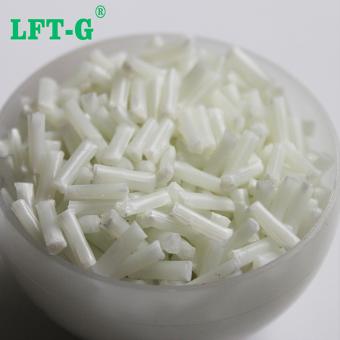
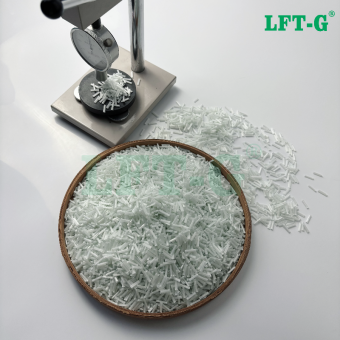
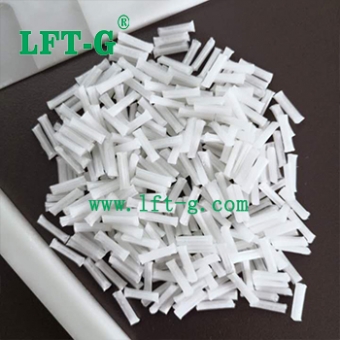
Plastic Factory Nylon 6 Fiber Reinforced PelletsNylon 6 is a suitable material for injection molding.
- pa6 polyamide
- pa6 nylon
- carbon fiber reinforced PA6 for structural parts
- lightweight material for car components
- PA6 with 30% long carbon fiber
- cost-effective carbon fiber composite
Tags :
-
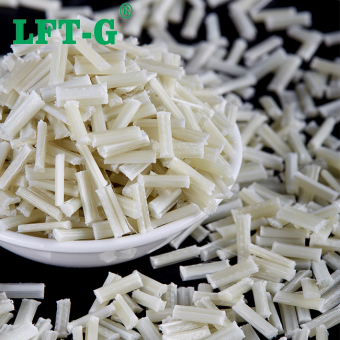
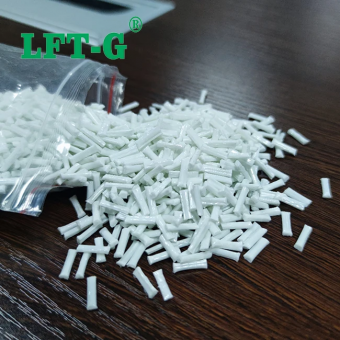
Plastic Factory Nylon 66 Fiber Reinforced PelletsNylon 6,6, also called Polyamide 66, is a more crystalline version of nylon 6. It is also referred to as polyamide 66 or PA 66. It has improved mechanical properties due to its more ordered molecular structure. Nylon 66 for machining has improved temperature resistance and lower rates of water absorption when compared to standard nylon 6.
- LCF PA66 material
- thermal conductive plastic
- carbon fiber reinforced plastic composite
- carbon fiber reinforced plastic
- fiber reinforced composite
- custom plastic compound supplier
Tags :
-
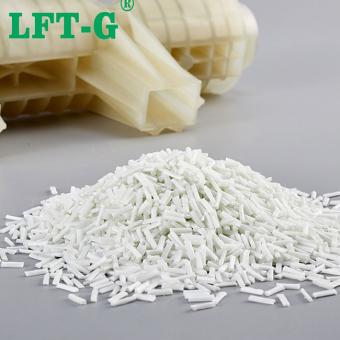
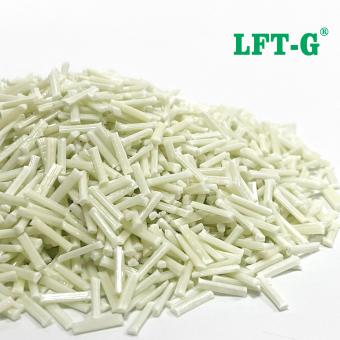
Plastic Factory Nylon 12 Fiber Reinforced PelletsIdeal for any applications which require light weight and rigidity. Carbon fiber reinforced parts, designed to use less material and save weight, is extremely popular in aerospace, civil engineering, the military, and motorsports.
- carbon reinforced fiber
- high strength plastic
- high strength lightweight wheelchair
- nylon water resistant
- uv resistant nylon 12
- polymer nylon
Tags :
-
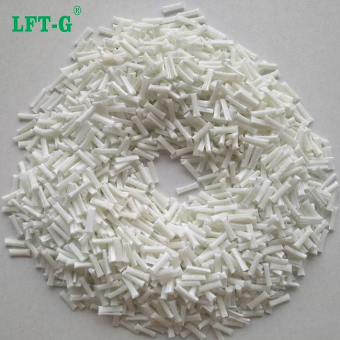
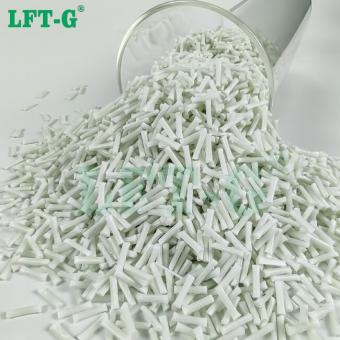
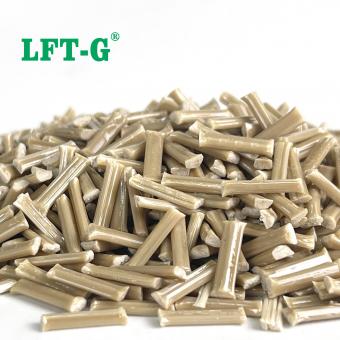
Plastic Factory Polypropylene Fiber Reinforced PelletsPolypropylene, also known as PP, is a polyolefin or saturated polymer. It is a low-density thermoplastic with good resistance to heat. Other characteristics of PP include: chemical resistance, elasticity, toughness, fatigue resistance, and electrical insulation capability.
- plastic injection molding parts
- reinforced carbon fiber
- carbon fiber reinforced composites
- polypropylene tensile strength
- high density polypropylene
- automotive PP composite material
Tags :
-
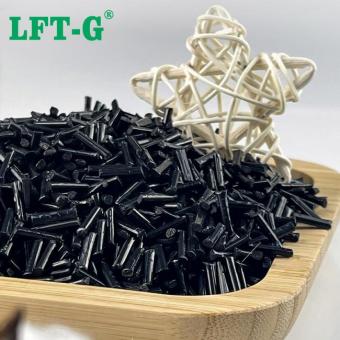
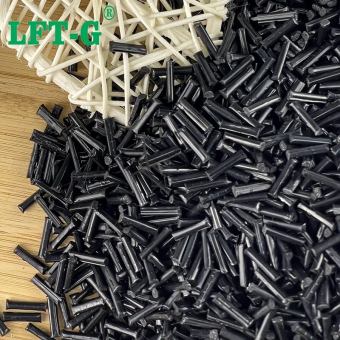
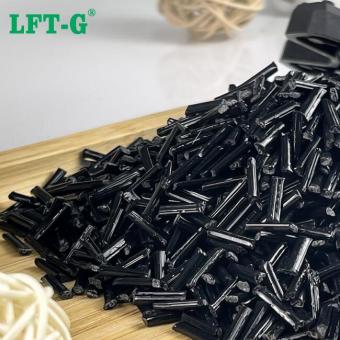
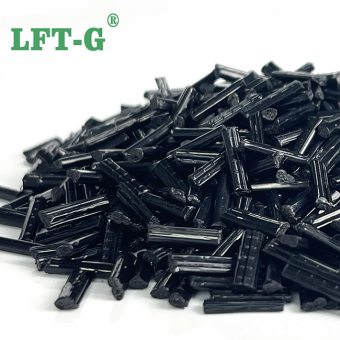
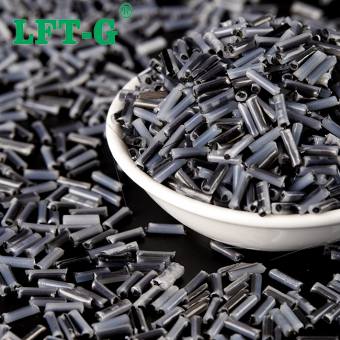
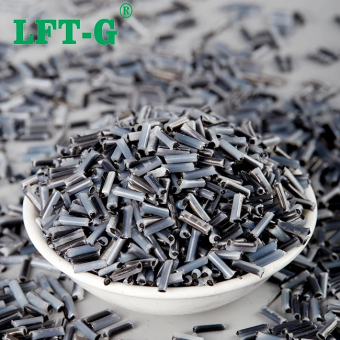
Polyamide 6 filling Long Carbon Fiber composite engineering plastic 5-25mm lengthProduct number: PA6-NA-LCF40 Product fiber: 20%-60% Product application: Suitable for manufacturing helmets, Car bumps and Robotic and arms etc. Product feature: High toughness, Light weight, High strength, Wear strength, Corrosion resistance, Creep resistance, Conduction, Heat transfer.
- Black color pa6 LCF 20-60 injection molding
- Heat transfer high performance PA6
- Sample available compounds pa6
- Customized products polyamide can be recycled
- Manufacturing use pa6 thermoplastic resin
- Instead medal nylon 6 for home appliance parts
Tags :
-
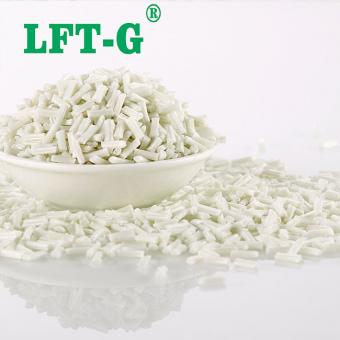
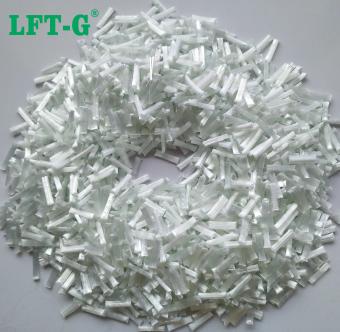
Long glass fiber fill Polypropylene natural color customized plastic sample provideGrade: General grade, Heat-resistant grade, UV-resistant grade, Toughen resistant grade Fiber specification: 10%-70% Product application: Industrial products, Household appliances, Automotive components and so on.
- general grade pp resin lightweight instead metal and steel
- Heat-resistant grade V0 grade
- UV-resistant grade
- Toughen resistant grade
- Injection grade
- Wide application range
Tags :
-
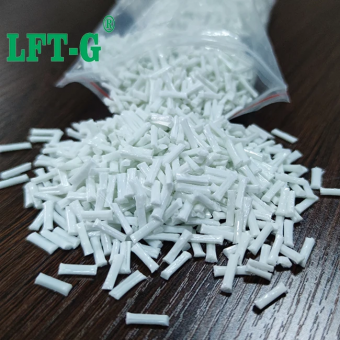
LFT-G Polybutylene terephthalate Long Glass Fiber Reinforced CompoundsThey are frequently used to replace metal for applications in which light weighting, improved impact strength, elastic modulus, and material strength are required.
- PBT modified plastic gf long glass fiber
- PBT thermoplastic engineering polymer
- GFRP PBT high toughness and rigidity sample available
- LFT PBT glass fiber reinforcement polymer good price
- PBT higher performance light weight instead metal
- low warpage PA6 for car parts
Tags :
-
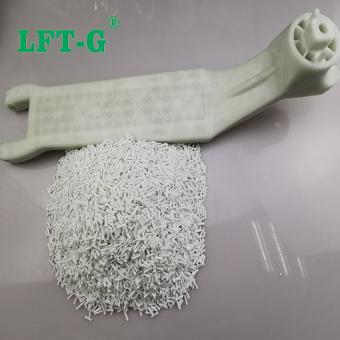
LFT POLYAMIDE 6 Nylon Reinforced long glass fiber orginal color for automotive partsWhat is PA6 (Nylon 6)? PA6 (Polyamide 6), commonly known as Nylon 6, is a semi-crystalline thermoplastic engineering plastic containing amide groups (-CONH-) in its molecular backbone. It is one of the most widely used engineering polymers in the world. PA6 is produced from caprolactam and is available in various grades including PA6, PA66, PA610, etc., depending on the monomer structure. Among them, PA6 and PA66 are the most commonly used in industrial applications. PA6 offers excellent mechanical strength, wear resistance, and processability, making it widely used in fibers, engineering plastics, and films. Properties of PA6 PA6 provides a balanced combination of mechanical and chemical performance, including: High tensile and compressive strength Excellent toughness and fatigue resistance Good wear and abrasion resistance Strong resistance to oils, fuels, and most organic solvents Good electrical insulation properties Easy processing and good moldability However, PA6 also has some limitations such as high moisture absorption, dimensional instability, and reduced impact performance at low temperatures. Limitations of PA6 High water absorption affects dimensional stability Poor UV resistance and long-term thermal oxidation behavior Property variation under humid environments Processing sensitivity to moisture content Why Reinforce PA6 with Long Glass Fiber? To overcome the limitations of neat PA6, reinforcement with long glass fibers (LGF) is widely used. This is a common physical modification method to significantly enhance material performance. By incorporating long glass fibers into the PA6 matrix, the following properties are greatly improved: Mechanical strength and stiffness Dimensional stability Heat resistance Fatigue performance Load-bearing capability Applications of PA6-LGF 30% long glass fiber reinforced PA6 is widely used in high-performance structural components, including: Power tools: housings and structural parts Automotive industry: engine components, structural brackets, interior and exterior parts Industrial equipment: mechanical parts and housings Its fatigue strength can reach up to 2.5× higher than unreinforced PA6, making it ideal for demanding applications. Processing Guidelines (PA6-LGF 30%) The addition of 30% long glass fiber significantly reduces shrinkage to approximately 0.3%, compared to 1.0–1.5% for neat PA6. Higher fiber content generally leads to lower shrinkage, but may also increase surface fiber exposure and processing challenges. Recommended processing notes: Recycled material usage should be controlled within 25% Material must be properly dried before processing Excessive reprocessing may affect mechanical performance and color stability Mold design should consider fiber orientation and flow balance Post-cooling in warm water helps reduce warpage and internal stress Customers & Production Certifications
- Polyamide 6 composite materials
- lgf thermoplastic resin granules
- High impact pa series engineer plastic
- injection molding plastic
- pa6 filling long glass fiber
- made in China high performance plastic
Tags :
-
LFT-G Polypropylene PP reinforced materials filled high mechanical properitesPP (Polypropylene) Reinforced with Long Glass Fiber Polypropylene (PP) is one of the most widely used general-purpose thermoplastics, known for its low cost, excellent chemical resistance, and good processability. However, its inherent limitations—such as low strength, low heat resistance, poor stiffness, and weak low-temperature impact performance—restrict its use in structural applications. By introducing reinforcing materials such as glass fibers, the mechanical properties of PP can be significantly enhanced. When the fiber length exceeds the critical reinforcement size, the material performance improves dramatically. Long Glass Fiber Reinforced PP (LFT-PP) is a high-performance thermoplastic composite, typically supplied in pellet form with a length of 12–25 mm and a diameter of about 3 mm. The glass fibers inside maintain nearly the same length as the pellets, ensuring superior load transfer and mechanical strength. Fiber content can range from 20% to 70%, and colors can be customized according to customer requirements. Advantages of PP-LGF Long fiber length significantly improves mechanical strength and stiffness High impact resistance, suitable for automotive and furniture applications Excellent creep resistance and dimensional stability for precision parts Superior fatigue resistance under long-term loading Stable performance in high temperature and humid environments Reduced fiber breakage during molding due to optimized processing flow LGF vs SGF Compared with short glass fiber (SGF) reinforced materials, long glass fiber (LGF) composites provide: Higher mechanical strength and toughness Better load-bearing capacity Improved fatigue and creep resistance More stable performance in structural applications Applications Automotive Industry: front-end modules, door modules, gearshift systems, electronic pedals, instrument panel frames, cooling fan systems, battery trays, bumper brackets, underbody shields, sunroof frames, etc. Home Appliance Industry: washing machine drums, structural brackets, air conditioner fan systems, replacing metal or short glass fiber reinforced materials. Electrical & Electronics: connectors, relay bases, coil frames, microwave transformer housings, solenoid valve components, scanner parts, etc. Other Applications: power tools, pump housings, bicycle frames, ski components, helmet structures, safety footwear parts, replacing PA, PPO and metal materials. Processing Certification About Us Xiamen LFT Composite Plastic Co., Ltd. was established in 2009 and is a global supplier specializing in long fiber reinforced thermoplastic materials. We integrate R&D, production, and global marketing. Our products have passed ISO 9001 and IATF 16949 certifications and are widely used in automotive, aerospace, military, new energy, medical devices, wind energy, sports equipment, and industrial applications.
- LFT-G homopoymer plastic PP
- PP injection molded lgf natural color
- Polypropylene composite plastic modified
- pp gf30 for electrical connector price
- PP pellets lgf 30 polymer
- PP car parts use factory made
Tags :
-
lft-g reinforced plastic PA12 nylon12 filling long glass fiber high tensile strengthWhat is PA12? PA12, scientifically known as polydodecalactam (Nylon 12), is a semi-crystalline thermoplastic polymer. Its primary raw material is derived from petrochemical sources such as butadiene. PA12 features a unique crystal structure compared to other polyamides, offering excellent electrical insulation performance and low sensitivity to moisture. It also provides outstanding flexibility, impact resistance, and chemical stability. What is PA12-LGF? PA12-LGF is a high-performance composite material reinforced with long glass fibers based on PA12 resin. The addition of long fibers significantly enhances the structural and thermal properties of the material. High temperature resistance Excellent dimensional stability Superior toughness and impact resistance Good electrical insulation Strong corrosion resistance High mechanical strength Datasheet (Reference) Applications PA12-LGF materials are widely used in: Automotive components Sports equipment Solar and photovoltaic systems Industrial structural parts Product Details Grade Color Fiber Length Sample MOQ Package Port of Loading Lead Time PA12-NA-LGF30 Natural (customizable) ~12 mm (customizable) Available 25 KG 25 KG/Bag Xiamen Port 7–15 days About Us Xiamen LFT Composite Plastic Co., Ltd. specializes in long fiber reinforced thermoplastics (LFT & LFRT), including Long Glass Fiber (LGF) and Long Carbon Fiber (LCF) materials. Our products are suitable for injection molding (LFT-G), extrusion, and direct molding (LFT-D). Fiber lengths can be customized from 5–25 mm to meet specific customer requirements. With advanced continuous fiber impregnation technology, our materials deliver excellent mechanical performance and stability. The company is certified under ISO9001 and IATF16949 systems, with multiple patents and registered trademarks. Contact us for more technical support and customized solutions.
- LFT-G PA12 polyamide12
- thermoplastic pa12 lgf 30
- lft pa12 raw materials lgf white
- Injection mold plastic pa12 gfrp
- xiamen lft price good reinforced pa12
- sample available modified pa12 glass fiber
Tags :
-
LFT Polylactic acid compounds filled long glass fiber thermoplastic resinPLA (Polylactic Acid) PLA, also known as polylactic acid, is a biodegradable and environmentally friendly polymer. Its production process is pollution-free, and the material can naturally degrade, making it one of the most representative green plastics. The structure of PLA has a significant impact on its heat resistance, toughness, mechanical strength, degradability, and biocompatibility. Among these, heat resistance is a key limitation. PLA molecular chains contain only one methylene group, forming a spiral structure with low chain mobility. As a result, PLA exhibits slow crystallization during injection molding, leading to low crystallinity and poor heat resistance. Additionally, during thermal processing, ester bonds may break, generating terminal carboxyl groups that accelerate thermal degradation through autocatalysis. LGF Reinforced PLA Long fiber reinforcement significantly enhances the performance of PLA. Fibers act as a structural skeleton within the polymer matrix, restricting molecular chain movement under heat and thereby improving thermal resistance. Various fibers can be used for PLA reinforcement, including: Natural plant fibers (sisal, flax, bamboo, coconut fiber, wood fiber) Animal fibers (silk) Mineral fibers (basalt fiber) Synthetic fibers (carbon fiber, glass fiber) Among these, carbon fiber and glass fiber are widely applied due to their high strength and modulus, while natural fibers are gaining attention for their sustainability and biodegradability. Studies show that reinforced PLA composites can achieve a Vicat softening temperature exceeding 140°C, significantly improving thermal performance compared to pure PLA. Comparison with Short Fiber (SGF) Compared to short fiber reinforced materials, long glass fiber (LGF) composites offer superior mechanical performance: 1–3 times higher toughness 50–100% increase in tensile strength and stiffness Better suitability for large structural parts Injection Molding Laboratory Warehouse Certifications Xiamen LFT Composite Plastic Co., Ltd. Xiamen LFT Composite Plastic Co., Ltd. specializes in long fiber reinforced thermoplastics (LFT & LFRT), including Long Glass Fiber (LGF) and Long Carbon Fiber (LCF) materials. Our materials are suitable for injection molding, extrusion (LFT-G), and direct molding (LFT-D). Fiber lengths can be customized from 5–25 mm according to customer requirements. Our products are manufactured using advanced continuous fiber impregnation technology and are certified under ISO9001 and IATF16949 systems, with multiple patents and registered trademarks.
- PLA composite plastic instead metal and steel
- polyactic acid materials High quality and strength
- modified pla compounds
- pla long glass fiber lgf made in China
- long glass fiber filling pla long fiber glass
- lft-g pla lgf thermoplastic resin virgin
Tags :
-
Acrylonitrile Butadiene Styrene ABS filling long glass fiber modified thermoplastic resinABS & Long Glass Fiber Compounds body { font-family: Arial, sans-serif; color: #333; line-height: 1.6; } h2 { font-size: 24px; color: #339933; margin-top: 30px; } h3 { font-size: 20px; color: #339933; margin-top: 20px; } p, ul { font-size: 18px; } ul { margin-left: 20px; } table { width: 100%; border-collapse: collapse; margin-top: 15px; margin-bottom: 15px; } table, th, td { border: 1px solid #000; } th, td { text-align: center; padding: 5px; font-size: 18px; } img { max-width: 100%; margin-top: 15px; margin-bottom: 15px; } What is ABS material? ABS (Acrylonitrile Butadiene Styrene) is a thermoplastic polymer structural material with high strength, good toughness, and easy machinability. ABS appears as opaque ivory grains, but products can be colored and have a high gloss finish. Why fill with Long Glass Fiber? Long fiber reinforced thermoplastics (LFT & LFRT) differ from conventional short fiber reinforced thermoplastics. Short fibers are usually 1–2 mm long, while long fiber processes maintain lengths of 5–25 mm. The long fiber is impregnated with a special resin system, cut to desired lengths, and can be used in injection molding, extrusion, and other applications. This enables direct replacement of steel and thermoset products. Advantages of ABS filling Long Glass Fiber Compounds Glass fiber is heat resistant, increasing the heat resistance of reinforced plastics, especially for nylon plastics. Reduces shrinkage and greatly improves rigidity by limiting polymer chain movement. Prevents stress cracking and significantly improves impact resistance. Enhances mechanical strength, including tensile, compressive, and bending strength. Flame retardancy: Most reinforced plastics cannot ignite due to added fibers and additives. Datasheet for Reference Applications of ABS Filling Long Glass Fiber Compounds Mainly used in load-bearing and structural parts. Product Details Number Length Color MOQ Package Sample Delivery Time Port of Loading ABS-NA-LGF30 5–25 mm Original color (customizable) 25 kg 25 kg/bag Available 7–15 days after shipment Xiamen Port Our Company Our Teams & Customers We Offer You LFT & LFRT material technical parameters and leading-edge design. Mold front design and recommendations. Technical support for injection molding and extrusion molding. Contact Way Ms. Wallis Email: sale02@lfrtplastic.com Whatsapp: (+86) 13950095727 WeChat: 13950095727
- long glass fiber Acrylonitrile Butadiene Styrene
- long fiber compounds ABS glass fiber
- long fiber composite ABS granules
- long fibre reinforced thermoplastics
- ABS LGF30 green materials can be recycled
- abs glass fiber instead metal and steel light weight
Tags :